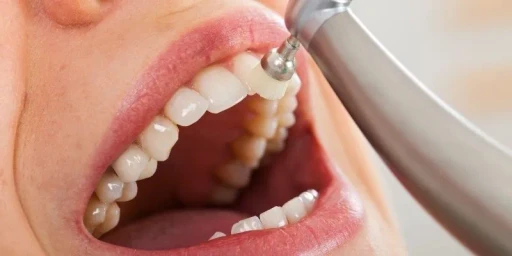

Discover the most important oral health care at each stage of life
Oral health accompanies us throughout our lives and influences far more than just our smile. A healthy mouth contributes to effective chewing, speech, self-esteem and the prevention of various systemic diseases.
In recent years, several studies have demonstrated a significant relationship between oral diseases, such as the periodontitis, and general health problems, including cardiovascular diseases, diabetes and pregnancy complications.
Early years of life: building good habits from an early age
Oral health begins even before the first teeth appear. Cleaning the baby's gums with a damp gauze swab helps remove bacteria and create an oral hygiene routine from an early age.
When the first milk teeth emerge, usually between six and twelve months, brushing should begin immediately with a soft, age-appropriate toothbrush. Although temporary, milk teeth play an essential role: they help with chewing, speech and the correct alignment of the permanent teeth.
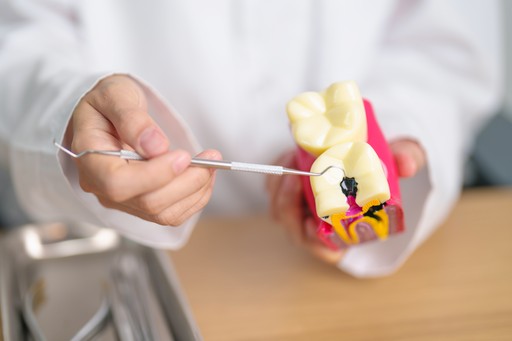
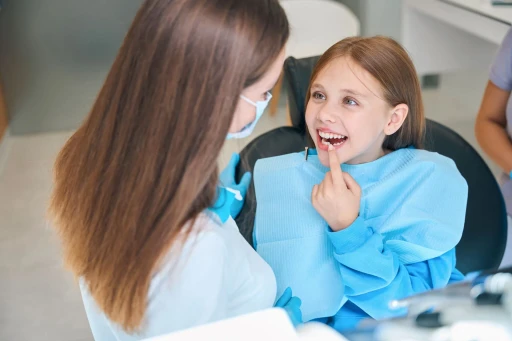
Early childhood tooth decay is one of the most common chronic diseases at this stage. Frequent consumption of sugary foods or drinks, especially through the bottle, can significantly increase the risk of tooth decay. Therefore, the first appointment with the paediatric dentist should take place by the first year of life or within six months after the first tooth appears.
This appointment allows parents to be advised on oral hygiene, diet and habits that may affect tooth development.
Childhood and adolescence: prevention and smile development
During childhood, prevention remains the main goal. Brushing should be done at least twice a day with fluoride toothpaste, always under parental supervision until the child has enough autonomy to carry out an effective brushing routine independently.
Between six and twelve years of age, the gradual replacement of milk teeth by permanent teeth takes place. This period requires regular clinical follow-up, as small changes in tooth position or jaw growth can be identified and corrected more easily.
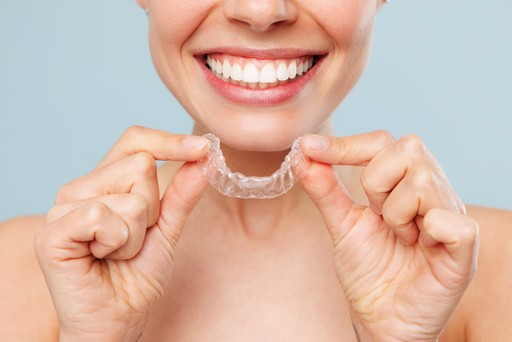
Preventive or interceptive orthodontics allows facial growth to be guided and reduces the need for more complex treatments in the future. At this stage, the application of dental sealants on permanent molars can be particularly useful in cases of high risk of tooth decay.
An interesting fact is that the enamel of newly erupted teeth is more vulnerable during the first years after they appear. Therefore, proper oral hygiene and fluoride exposure are especially important during this period.
Adulthood: maintenance and prevention of gum disease
In adulthood, oral healthcare focuses mainly on maintenance and the prevention of oral diseases that can arise silently.
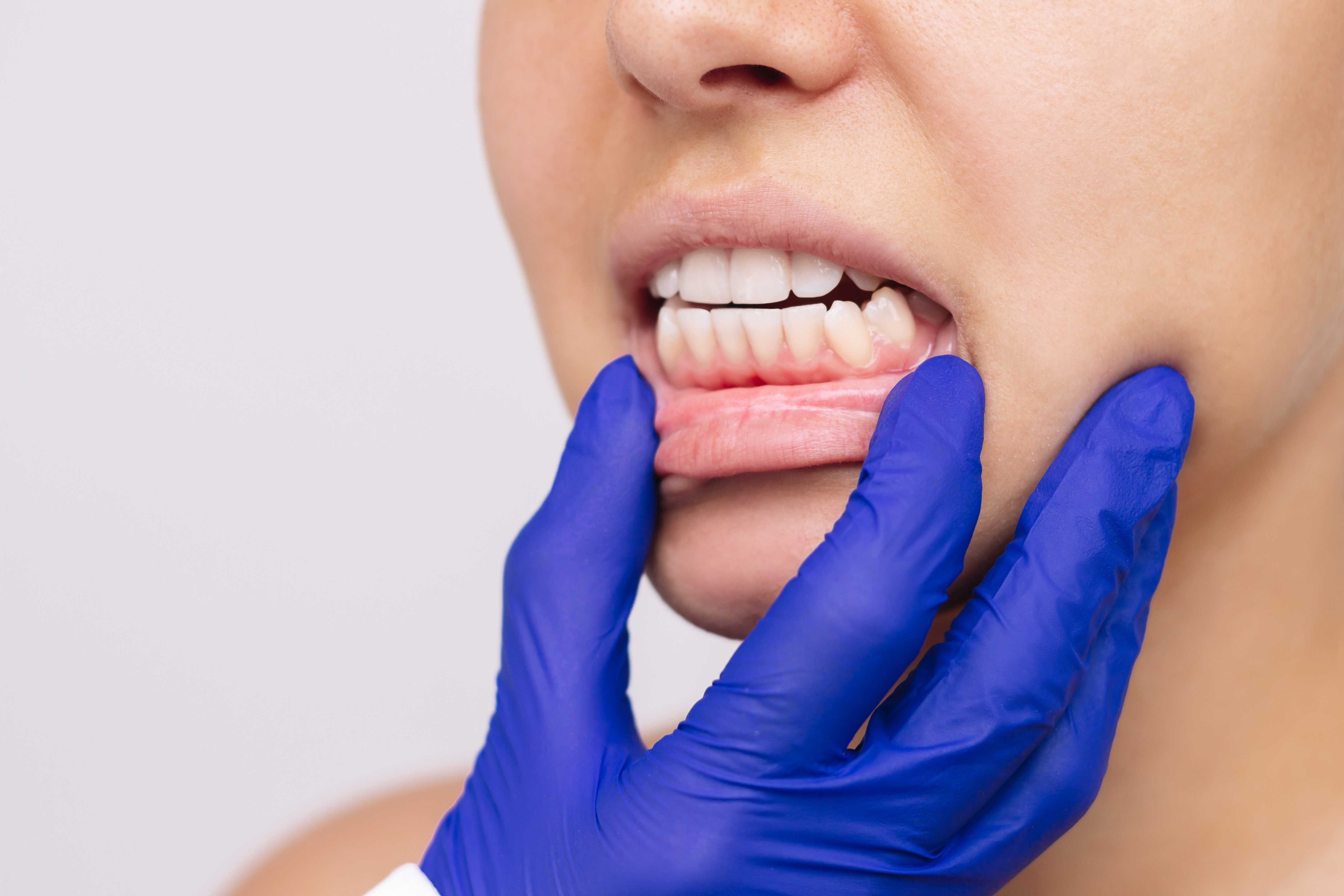
The periodontal disease, which affects the gums and the bone supporting the teeth, is one of the main causes of tooth loss in adults. This condition can develop progressively and often without obvious symptoms in its early stages.
Signs such as gum bleeding, persistent bad breath, gum recession or tooth mobility should be assessed by an oral health professional. When diagnosed early, periodontal disease can be controlled and natural teeth preserved.
Another frequent phenomenon in adulthood is tooth wear associated with bruxism, an involuntary habit of clenching or grinding the teeth, with various causes but often related to stress. Early diagnosis and the use of protective devices, such as occlusal splints, help prevent structural damage to the teeth.
In addition, the link between oral health and overall health is becoming increasingly evident. People with diabetes are at greater risk of developing periodontal disease, while gum infections can make it difficult to control blood glucose levels.
This relationship reinforces the importance of integrating oral health into a global approach to health.
Pregnancy and hormonal changes
During pregnancy, hormonal changes can make the gums more sensitive and susceptible to inflammation. The so-called pregnancy gingivitis often presents as redness, swelling and bleeding of the gums.
Rigorous oral hygiene and regular check-ups help prevent complications during this special stage in a woman's life. In some cases, the dentist may recommend additional professional cleanings to control gum inflammation. Some scientific studies also suggest that severe periodontal infections may be associated with a higher risk of premature birth or low birth weight.
Although this relationship is still being studied, it reinforces the importance of oral healthcare during pregnancy.
Senior age: preserving function and quality of life
With increasing life expectancy, maintaining good oral health in later life has become essential to ensure quality of life.
Nowadays, many people are able to preserve their natural teeth for longer. However, specific challenges may arise at this stage, such as dry mouth associated with certain medicines.
Reduced saliva production, often accompanied by reduced manual dexterity, increases the risk of tooth decay and oral infections, since saliva plays a fundamental role in protecting the oral cavity.
Gum recession also becomes more common with ageing, exposing the roots of the teeth and increasing tooth sensitivity. This situation can facilitate the appearance of root decay, which requires specific preventive care.
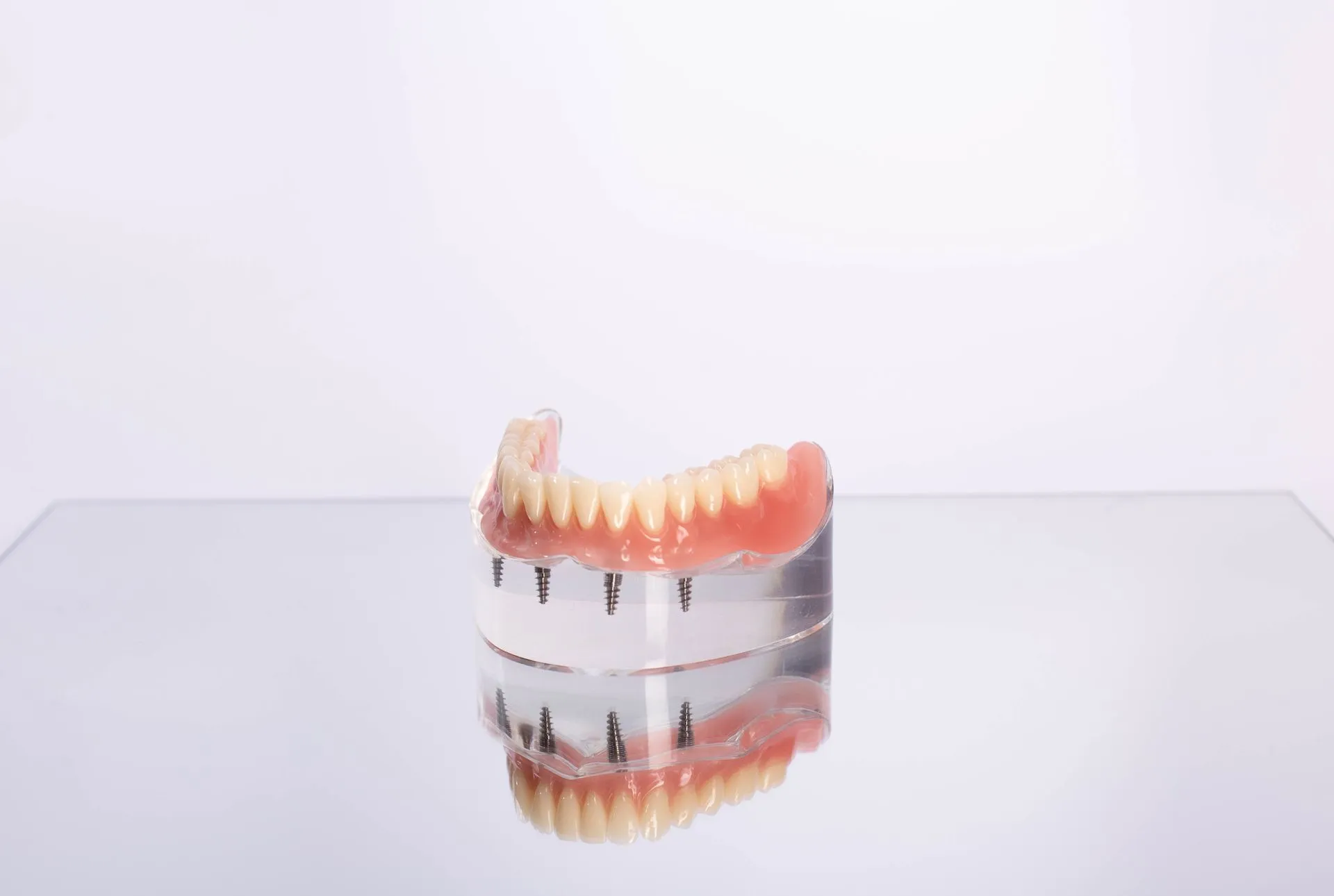
When tooth loss occurs, modern solutions such as fixed implant-supported prostheses allow chewing function and smile aesthetics to be restored, contributing to better nutrition and self-esteem.
The role of regular check-ups
Regardless of age, regular appointments with the dentist or oral hygienist remain one of the most effective strategies for maintaining oral health.
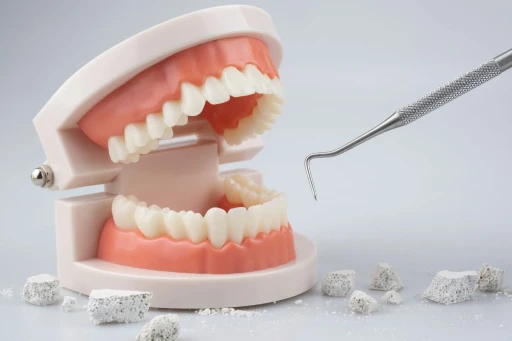
Most specialists recommend check-ups every six months, although the frequency may vary according to the individual needs of each patient. These appointments allow cavities, periodontal disease, oral lesions or changes in the bite to be detected early.
Prevention remains simpler, less invasive and more economical than treating problems that are already established.