Discover the factors that affect the durability of a fixed prosthesis and how to ensure better long-term results.
A fixed dental prosthesis on implants is an increasingly sought-after solution for patients who wish to regain chewing function, aesthetics and quality of life in a stable and long-lasting way.
However, one of the most frequent questions in consultation remains: how long does a fixed prosthesis last?
The answer depends on several factors. Although advances in Dentistry, materials and digital technology have significantly increased the longevity of oral rehabilitations, the durability of a fixed prosthesis is directly related to the patient's care, the quality of diagnosis and planning, as well as long-term clinical maintenance follow-up.
How long can a fixed prosthesis last?
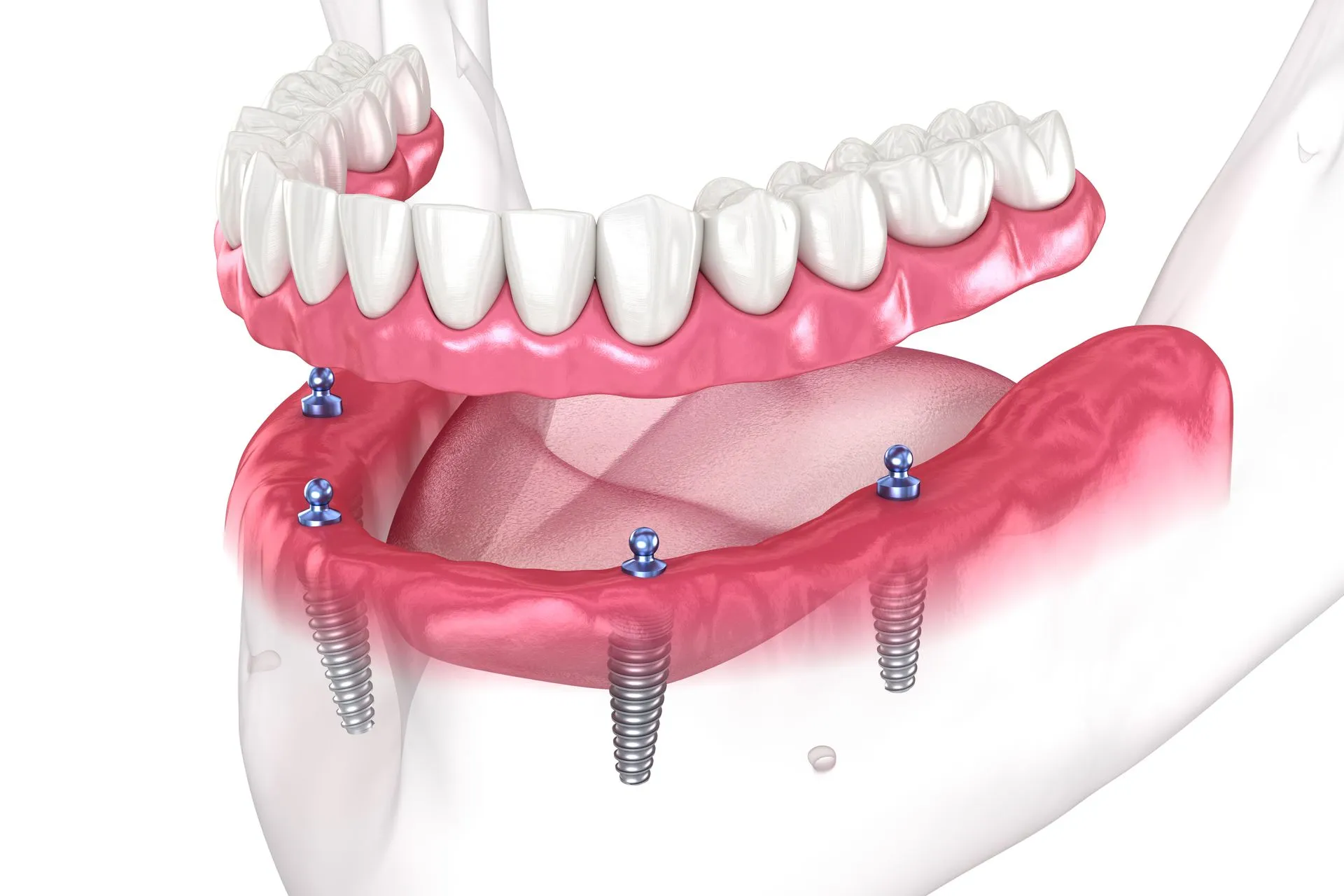
A fixed dental prosthesis on implants can last many years, even decades, especially when there is proper planning and correct maintenance.
Retrospective studies developed by MALO CLINIC, with follow-up between 15 and 20 years in full-arch fixed rehabilitations supported by four implants, demonstrated cumulative implant survival rates of 90.7% and prosthetic success rates of 98.1% in the long term.
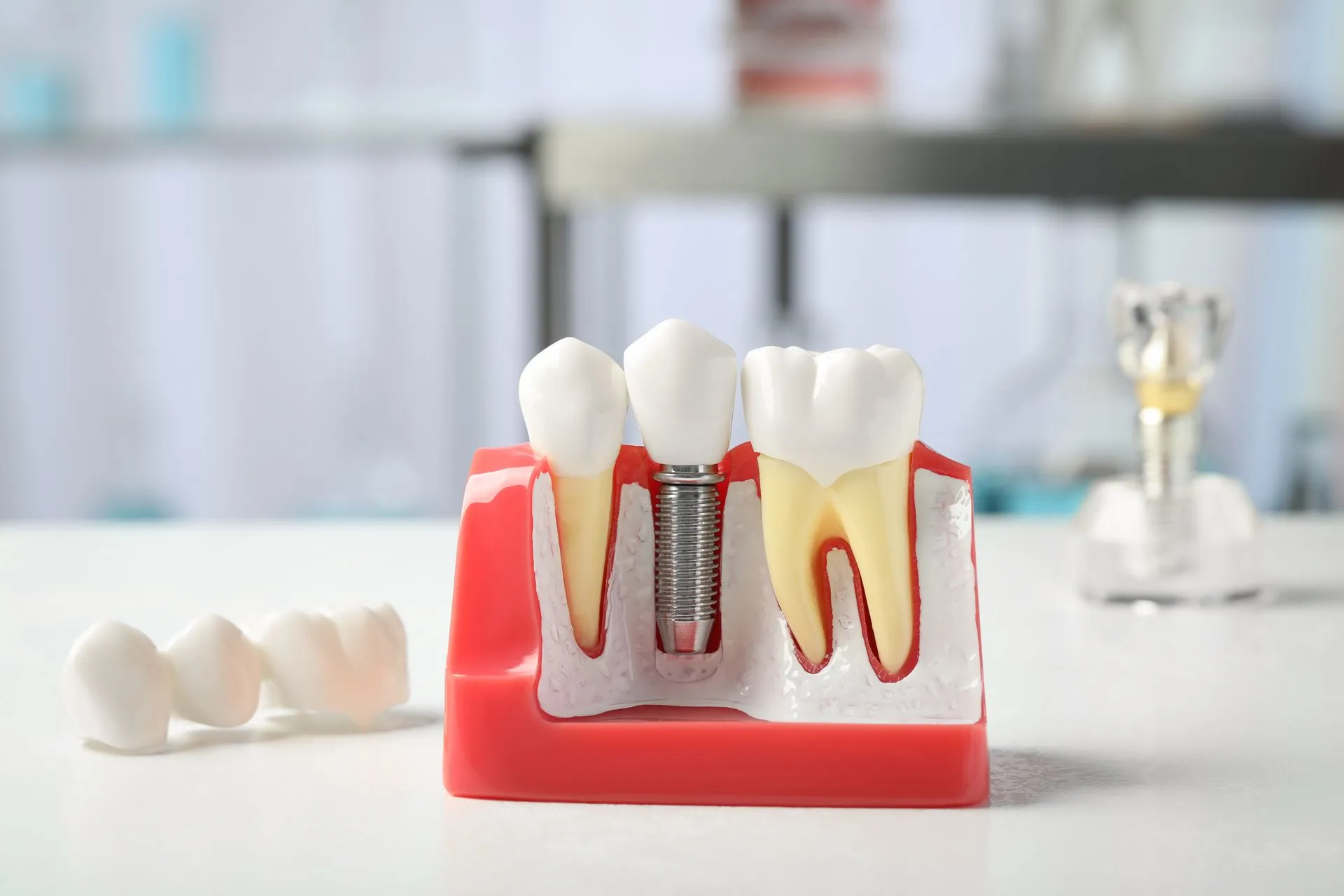
These results reinforce the predictability and durability of fixed prostheses when there is rigorous diagnosis, proper planning and ongoing maintenance. Even so, it is important to distinguish the implant from the prosthesis itself. Although implants have high longevity, the prosthesis may require adjustments, maintenance or replacement over time due to the natural wear of materials and the daily functional demands.
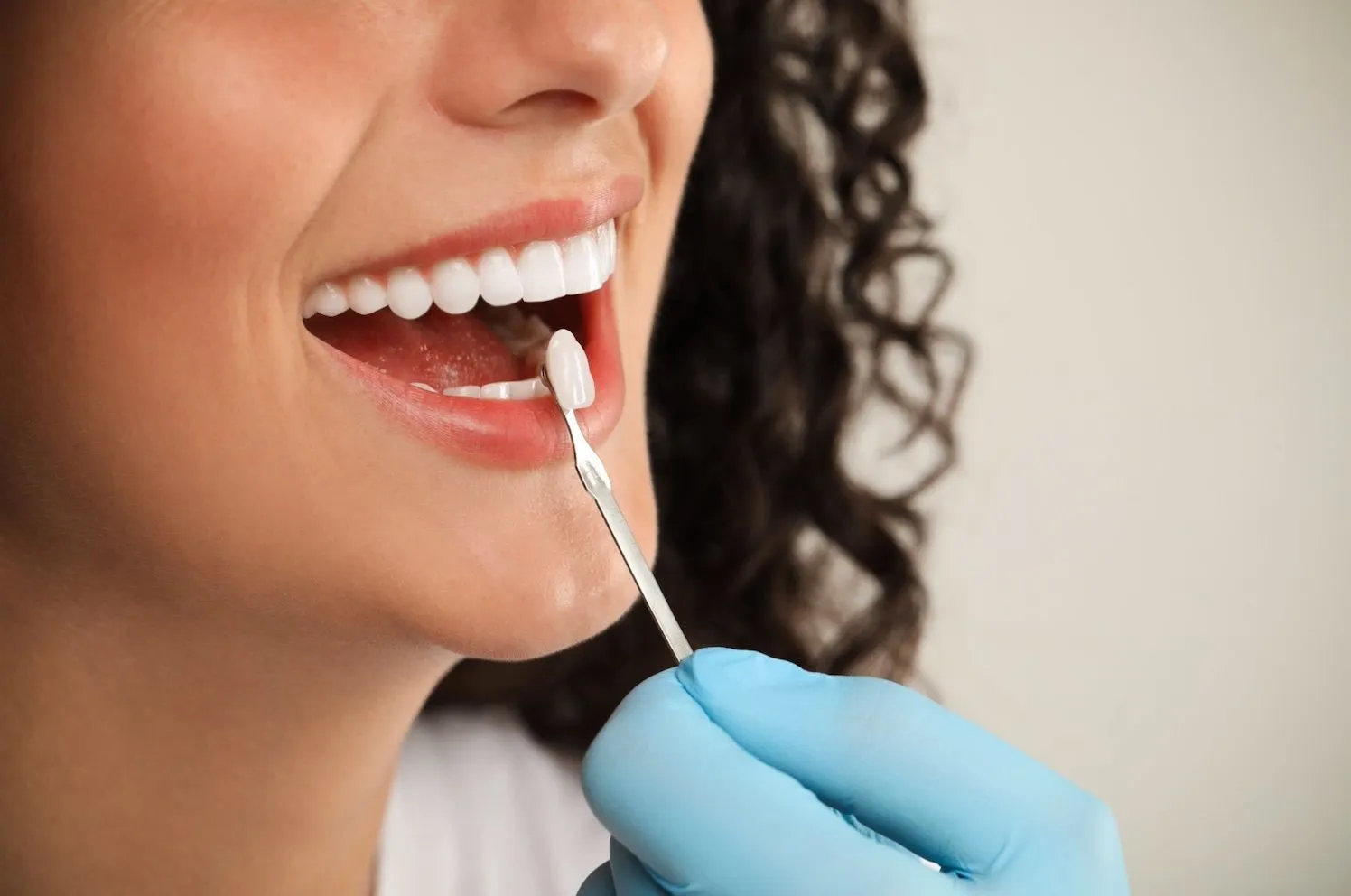
At present, the materials used in fixed rehabilitations, such as zirconia, make it possible to achieve highly durable results while ensuring high aesthetic standards.
5 key factors that influence the longevity of a full fixed prosthetic rehabilitation
1.Rigour of diagnosis and planning
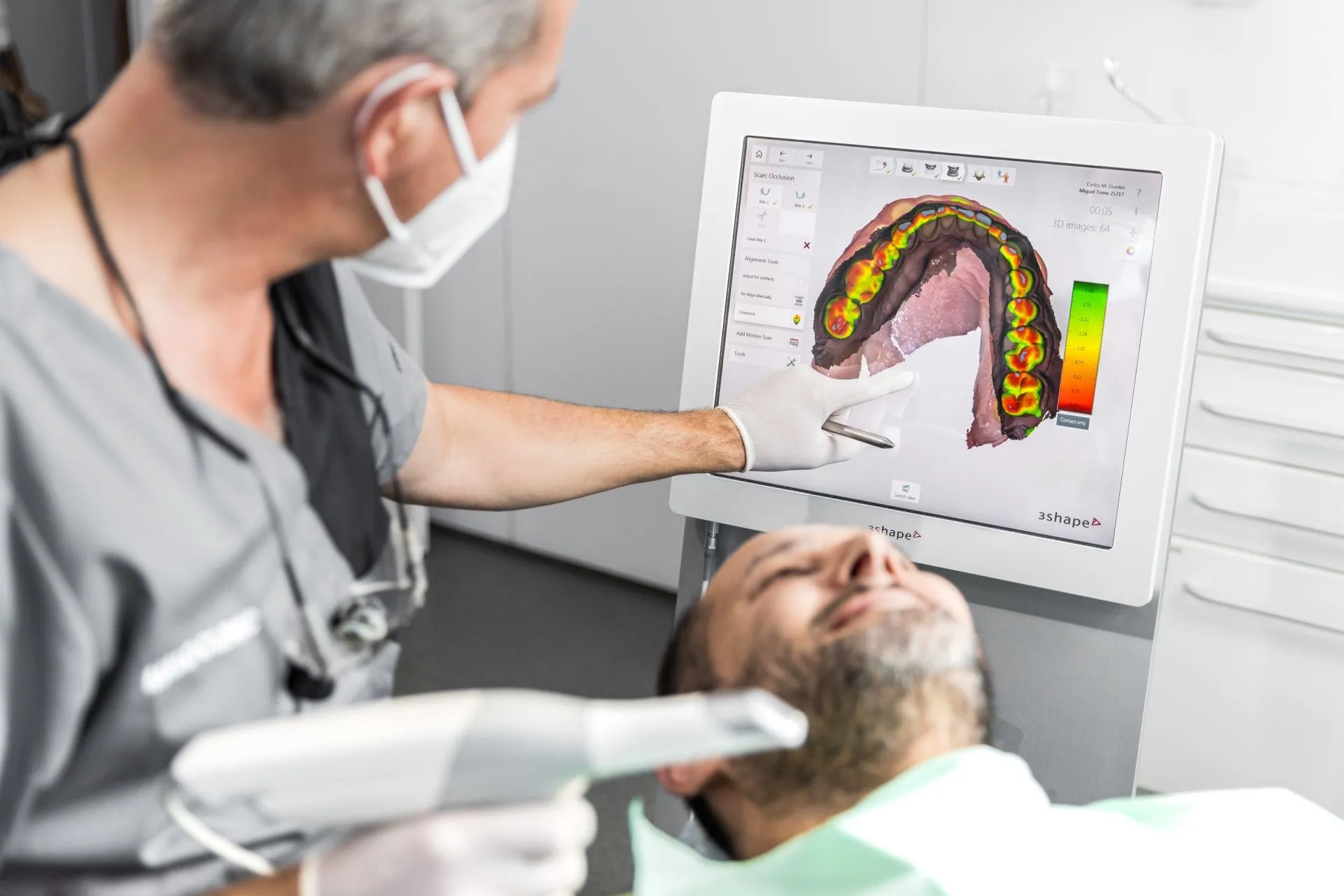
A long-lasting oral rehabilitation begins long before treatment. An accurate diagnosis, combined with detailed digital planning, makes it possible to assess factors such as bone quality, bite, the patient's habits and the distribution of chewing forces.
Today, advanced digital technologies make it possible to personalise each treatment and significantly reduce the risk of future complications.
2. Oral hygiene and daily maintenance
Even though it is a fixed prosthesis, hygiene care remains fundamental. The accumulation of bacterial plaque around the implants can lead to gingival inflammation and peri-implant inflammation, one of the main causes of implant loss.
Correct brushing, the use of interdental brushes, or subgingival irrigators, and regular maintenance and oral hygiene appointments are decisive in ensuring the longevity of the rehabilitation.
Curiously, many patients believe that a fixed prosthesis “does not need so much care” because it does not involve natural teeth. In practice, maintenance remains essential.
3. Patient habits
Some habits can significantly compromise the durability of the fixed dental prosthesis.
Smoking remains one of the main risk factors, affecting healing and increasing the risk of peri-implant complications.
Bruxism - the involuntary habit of grinding or clenching the teeth - can also accelerate wear of the prosthesis or even cause fractures.
In these cases, the use of protective night guards during the night.
4. Quality of the materials used
The choice of materials directly influences the strength and stability of the fixed prosthesis over the years.
Currently, materials such as zirconia or ceramic stand out for their high mechanical strength, aesthetic stability and biocompatibility.
Furthermore, the integration between the clinical team, in-house laboratory and digital technology allows greater quality control at every stage of treatment.
5. Regular clinical follow-up
Even when everything goes well, follow-up is indispensable.
Regular maintenance appointments make it possible to assess the condition of the implants and fixed prosthesis, check the health of the gum tissues and detect any change early.
Many complications can be resolved simply when identified in time.
Signs that fixed prosthesis rehabilitation may need assessment
Even though a fixed prosthesis is designed to last many years, there are signs that warrant a clinical assessment:
- Feeling of looseness;
- Pain or discomfort when chewing;
- Gum inflammation;
- Persistent bad breath;
- Fractures or visible wear;
- Changes in the bite.
Ignoring these signs can compromise not only the prosthesis, but also the implants and supporting tissues.
How can the durability of a fixed prosthesis be increased?
The longevity of a fixed prosthesis results from the combination of technology, clinical experience and patient commitment.
Some simple recommendations make a difference:
- Maintain a rigorous oral hygiene routine;
- Attend the recommended maintenance appointments;
- Avoid smoking;
- Use protection in cases of bruxism;
- Avoid using your teeth to open objects or break very hard foods.
Small daily care measures have a direct impact on the durability of the treatment.
Frequently Asked Questions
A fixed dental prosthesis represents a highly durable and effective solution for restoring the smile and regaining quality of life.
However, its longevity depends on multiple factors: from the experience of the clinical team to the patient's commitment to maintenance and oral hygiene.
With an appropriate diagnosis and planning, advanced technology and regular follow-up, it is possible to ensure stable, functional and aesthetic results for many years.