
Dental implant: what influences the success of the treatment?
Discover which clinical, bone and behavioural factors can impact the success of a dental implant in the short and long term.
The placement of a dental implant is currently one of the most predictable and effective solutions for replacing missing teeth. However, the success of the treatment does not depend solely on the surgery or the quality of the implant used.
Factors related to the patient's oral health, the quantity and quality of the available bone, daily habits and even long-term maintenance can directly influence the durability of the results.
With very high success rates and studies developed by MALO CLINIC reporting figures in excess of 98% in certain clinical contexts, dental implants present a high degree of predictability when there is a rigorous diagnosis, proper planning and specialised follow-up.
But after all, what determines the success of a dental implant? We will reveal it throughout this article.
What does the success of a dental implant mean?
When speaking about the success of a dental implant, it is not just about the fact that the implant remains in the mouth.
A successful treatment implies that the implant is integrated into the bone, without signs of infection or inflammation, allowing the patient to chew, speak and smile with comfort and stability over the years.
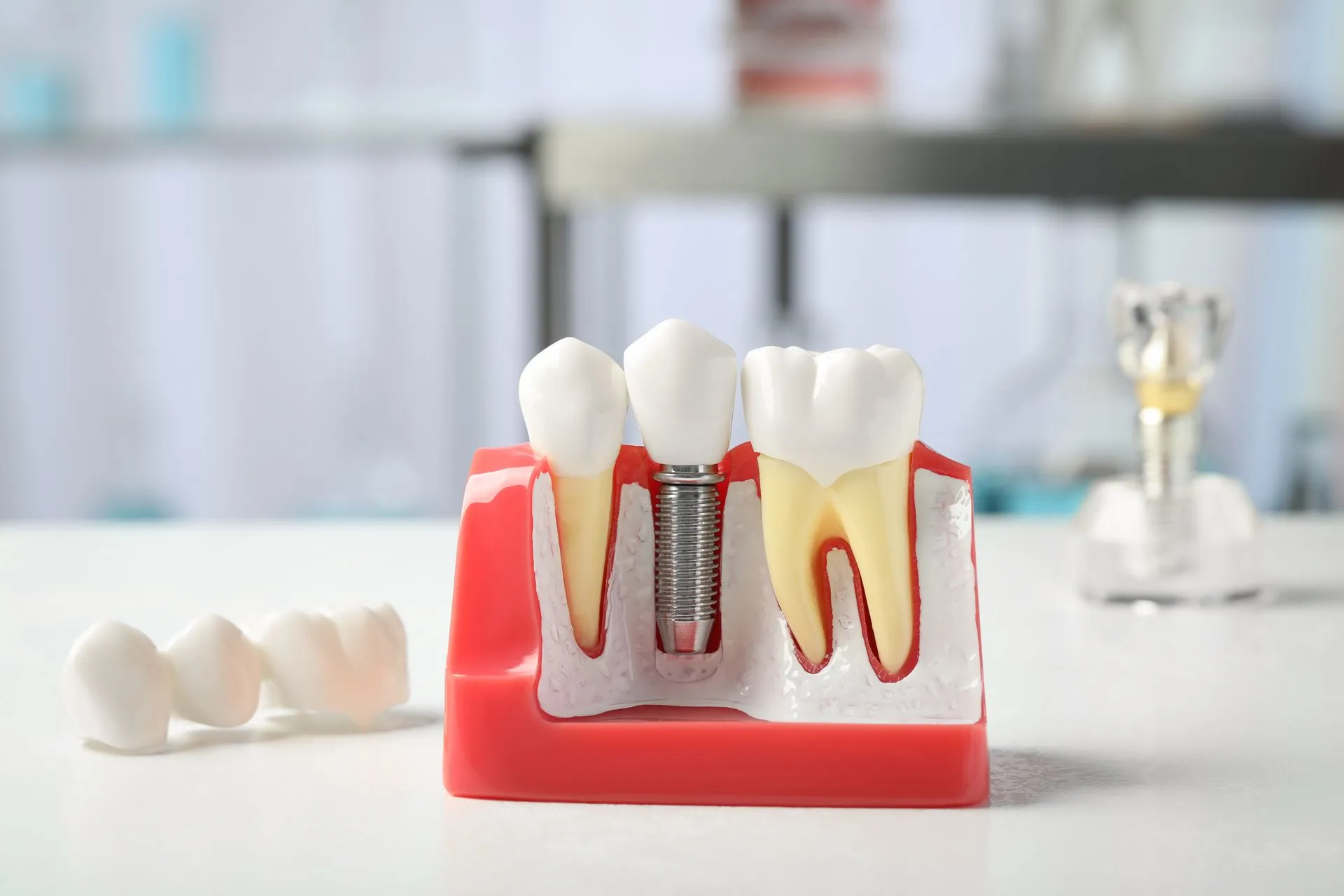
This process of union between the implant and the bone is called osseointegration, a fundamental stage for the success and longevity of the treatment.
The importance of diagnosis and planning
One of the most important factors for the success of a dental implant happens even before the surgery.
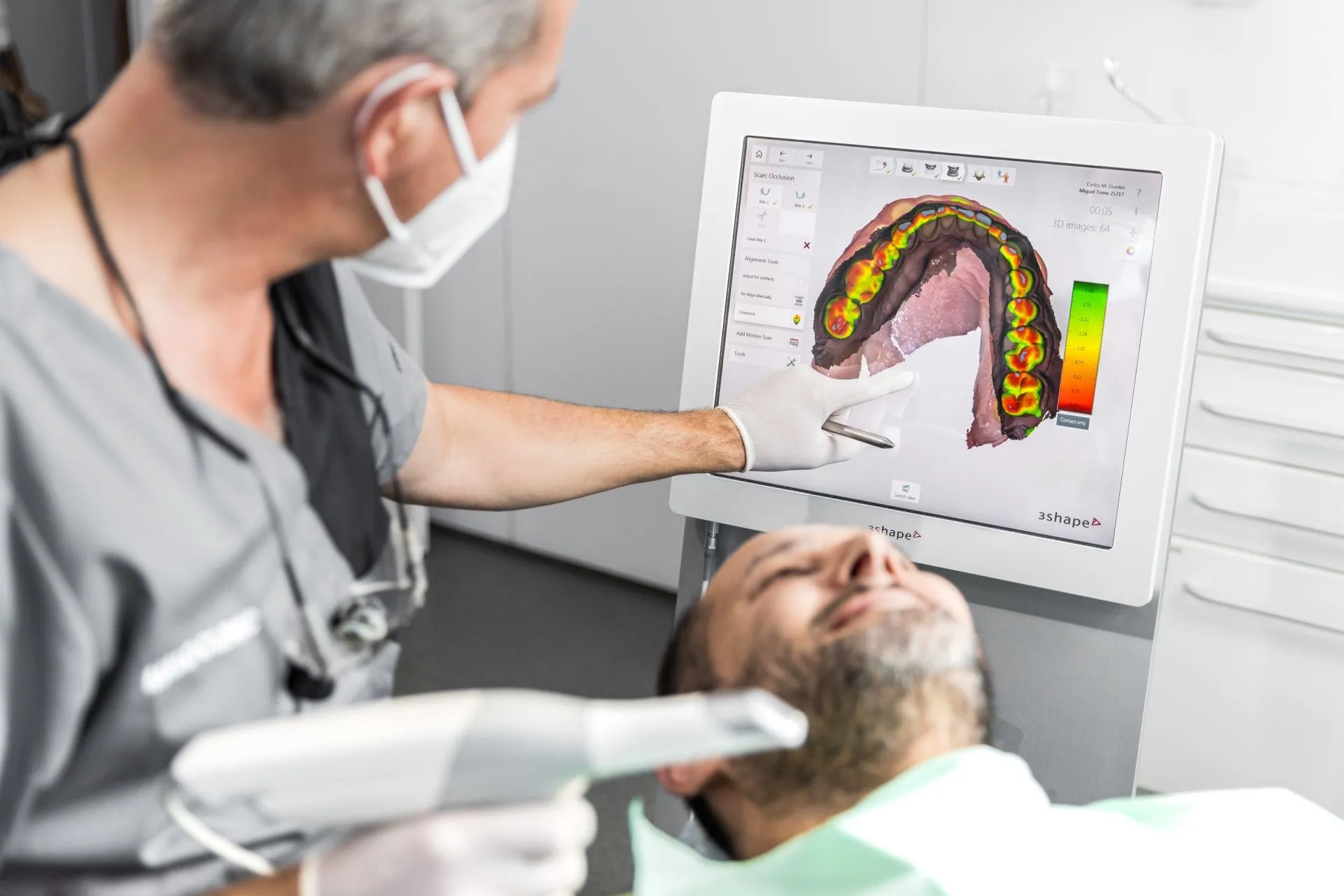
Nowadays, the use of digital technology, such as intraoral scanners and three-dimensional computed tomography (3D CT scan), allows a detailed evaluation of the patient's anatomy and planning the implant placement with high precision.
This planning allows for the identification and evaluation of:
Amount of bone available;
Location of important anatomical structures;
Need for complementary treatments;
Most suitable type of rehabilitation for each situation.
For this reason, treatments today are increasingly personalised and predictable.
What is osseointegration and why is it so important?
Modern dental implants are manufactured in titanium, a biocompatible material that allows a direct connection between the implant and the bone through the process of osseointegration, which corresponds to the period during which the implant progressively integrates into the bone, creating a stable and durable base to support the prosthetic rehabilitation. This is one of the most important moments for the success of the treatment.
One of the most frequent doubts from patients is related to the phase that takes place between the placement of the implant and the final rehabilitation. The approach depends on the location of the tooth to be replaced.
When the dental implant is placed in a visible area of the smile, a temporary crown is usually fitted, allowing the patient to maintain aesthetics during the osseointegration period.
As for the posterior and less visible areas, it is common for only the implant to remain during this phase, with the final crown being placed later after confirmation of its stable integration into the bone.
The decision is always tailored to each patient and depends on factors such as:
- Bone quality
- Initial stability of the implant
- The specific characteristics of each clinical situation.
For this reason, diagnosis and planning remain crucial for the success of the treatment.
Does bone quality and quantity make a difference?
Yes. The maxillary and mandibular bone acts as the supporting base for the dental implant. For proper osseointegration to occur, there must be sufficient bone volume and density.
After the loss of a tooth, the bone tends to undergo a natural and progressive process of resorption. The more time passes without replacing the lost tooth, the greater this bone loss can be.
This does not necessarily mean that treatment is no longer possible. Currently, there are different bone regeneration approaches and advanced solutions that allow for the treatment of more complex situations.
Does the condition of the gums influence the success of the dental implant?
Undoubtedly. Gums and supporting tissues play a fundamental role in the stability of a dental implant.
Patients with active periodontal disease present an increased risk of developing peri-implant complications, that is, inflammation affecting the tissues surrounding the implants.
Therefore, before placing an implant, it is essential to ensure that periodontal health is under control.

The patient's habits also matter
The success of a dental implant depends as much on the clinical team as it does on the patient. Certain habits
Smoking
Tobacco is associated with changes in healing and blood supply to the tissues, which can increase the risk of complications during implant integration.
Insufficient oral hygiene
The accumulation of bacterial plaque can promote the development of mucositis and peri-implantitis, compromising the long-term stability of the treatment.
Bruxism
The habit of grinding or clenching teeth can exert excessive forces on the implants and on the implant-supported prostheses, often requiring complementary protective measures.
Do clinical experience and technology make a difference?
Scientific literature demonstrates that well-established clinical protocols, experienced teams and rigorous planning contribute to more predictable outcomes.
Nowadays, the use of digital technology allows for the reduction of error margins, improved surgical precision and the optimization of the aesthetic and functional results of the treatment.
More than the placement of the dental implant itself, success depends on a multidisciplinary approach that integrates diagnosis, surgery, prosthetic rehabilitation and maintenance.
Maintenance is as important as the surgery
A still quite common misconception is believing that once the implant is placed, the treatment is complete.
In reality, dental implants require periodic monitoring, just like natural teeth.
Maintenance appointments allow for:
Evaluating peri-implant tissues;
Controlling the accumulation of bacterial plaque;
Identifying early signs of complications;
Ensuring the stability of results over time.
What if the tooth has already been lost?
Tooth loss remains a frequent situation, whether due to periodontal disease, trauma or advanced decay.
In these situations, dental implants are currently the closest solution to a natural tooth, allowing for the replacement of a single tooth or supporting fixed bridges when several teeth are missing.
In addition to the aesthetic component, implants help preserve the bone and contribute to the maintenance of masticatory function and the stability of the remaining oral structures.
Practical recommendations to increase the success of a dental implant
Do not delay the replacement of lost teeth;
Maintain regular oral hygiene appointments;
Control gum diseases before treatment;
Avoid tobacco;
Comply with the recommendations of the clinical team;
Attend maintenance appointments after the placement of implants.
Frequently Asked Questions
The success of a dental implant depends on much more than just the surgery. The quality of the bone, the health of the gums, the patient's habits, digital planning, and long-term maintenance are decisive factors for the stability of the treatment.
Therefore, more than just placing an implant, the goal should be to create the necessary conditions for this rehabilitation to work in a predictable and lasting way for many years. A personalised diagnosis and follow-up by an experienced team remain the foundation of any successful implantology treatment.