Tooth extraction: what to expect in the post-operative period?
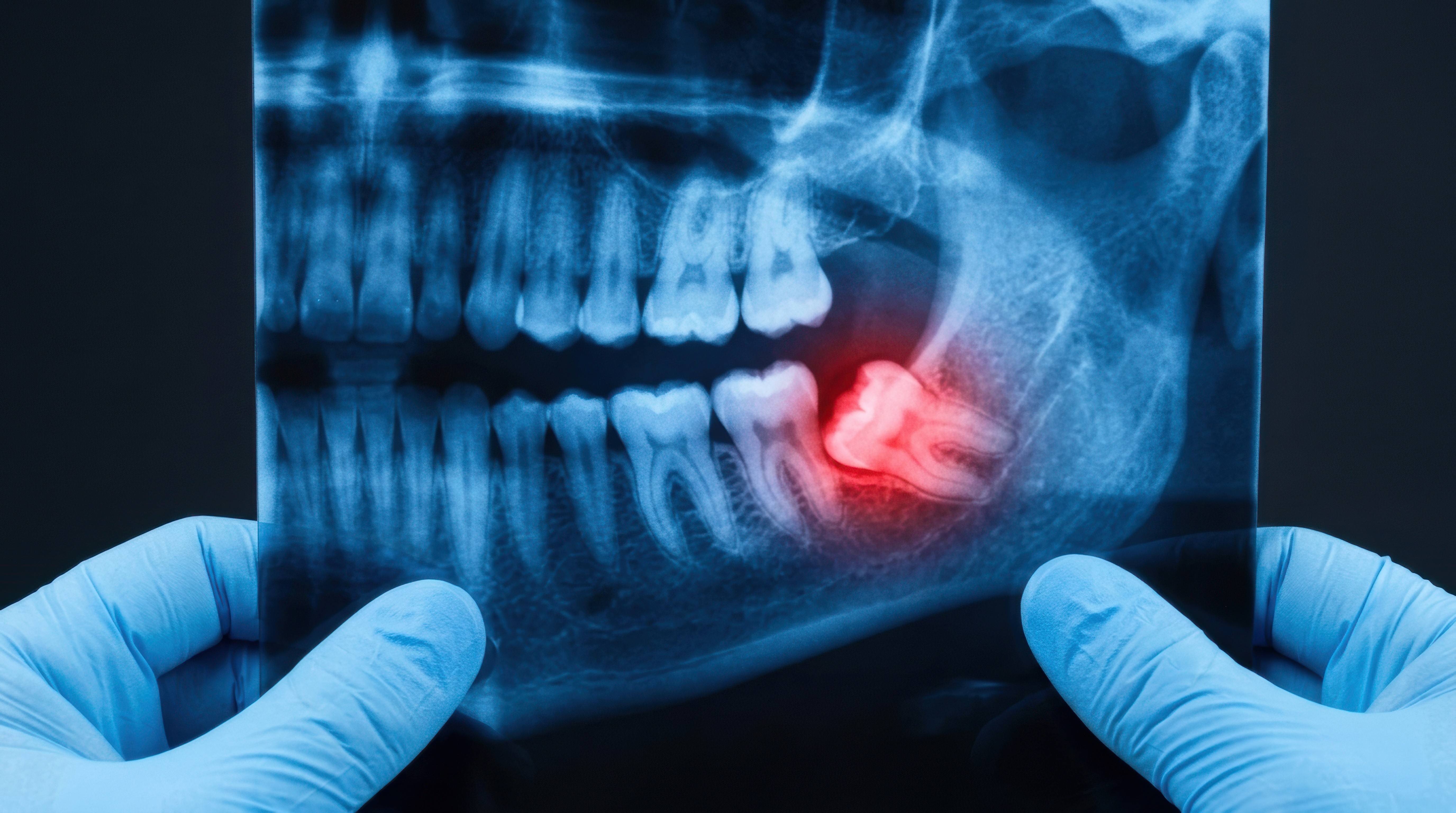
When a tooth is extracted, the post-operative period can raise some questions and concerns for patients. However, there is no need for great concern; you just need to take a set of precautions into account for a full recovery.
Read carefully, as a lack of care in the post-operative period can lead to complications such as swelling, bleeding, and infections. Prevention is better than cure, isn't that right?
Care to take after extraction of a tooth, for better healing
After the surgery, your dentist will certainly give you a list of cares and recommendations to follow in order to recover as quickly and painlessly as possible. However, we cannot always remember everything, so we have organised a short list to accompany you whenever you need it.
After the surgical intervention, apply pressure with a sterile gauze pad for about 30 minutes, and whenever you feel bleeding, do so for 15 minutes;
During the first 3 days and whenever possible, place an ice pack covered with a towel on the area of the face corresponding to the surgical area, for regular intervals of 15 minutes with 10-minute breaks;
Avoid rinsing, spitting, or making sucking movements in the first 24 hours post-surgery;
On the day after the surgery you should rinse with mouthwash and massage the gum with a surgical brush and appropriate gel twice a day, morning and night. It is natural that cleaning the surgical wound causes some pain and slight bleeding during the first few days;
Do not run your finger, tongue, or any object over the operated area;
Sleep with your head in a position higher than your body (with a high pillow or two pillows) to reduce swelling;
In the first 3 days eat cold and soft foods. Progressively introduce harder and hotter foods, avoiding hard and crunchy foods throughout the process;
Avoid drinking alcoholic beverages and smoking;
During the post-operative period (7-10 days) you should not do physical exercise or any activity that requires you to keep your head down;
Avoid sun exposure as much as possible;
Follow the medication protocol recommended by your dentist;
A few days after the tooth extraction, you will likely need to visit the clinic for an assessment of the healing status and/or removal of the stitches (if applicable). Remember that the recovery process does not only depend on the procedure, but also depends on you.

What to eat after a tooth extraction
You may have heard that after a tooth extraction, you have the right to eat all the ice cream you want. However, you need to be careful with your diet, beyond the consumption of this sweet treat. It is clear that ice cream is allowed, but you should not overdo it due to the high levels of sugar.
In the first 24 hours, prefer cold and liquid foods, such as cold soups or smoothies.
Avoid hot foods and drinks, gradually opting for a warm temperature;
According to the US National Library of Medicine, using a straw immediately after tooth extraction can increase the risk of developing Dry Socket (which occurs when the blood clot fails to form or is accidentally removed or displaced), due to the suction movement. Avoid using them;
Do not eat hard foods, as they require intense chewing (biscuits, toast, nuts, cereals, bread, etc.);
Foods that are more acidic and highly seasoned are also to be avoided;
Chew on the opposite side to where the tooth was extracted;
After the meal, do not forget to maintain oral hygiene, always in a careful manner.

How long does it take to heal?
Truth be told, every case is unique. The process and healing time after a tooth extraction can vary depending on the complexity of the procedure, whether there are stitches to be removed and, finally, the location and positioning of the tooth. However, generally speaking, it can be said that the extraction is healed within 7 to 10 days at the soft tissue level, and complete healing occurs after 2 months.
Do not worry if there is still a hole in place of the tooth after a few weeks, as this will close slowly and the area will certainly be filled in. If you have any doubts, you can always contact your dentist.
What to do in case of toothache after a tooth extraction?
Pain after an extraction is very common in the first 24 hours, but once again, it can vary from person to person. Painkillers or anti-inflammatory medications, such as Ibuprofen or Paracetamol, are usually prescribed to effectively reduce pain, but they should always be taken according to the recommendations of your dentist. Remember that if you strictly follow the list of care mentioned above, you can also prevent unwanted pain. Take care of yourself!
Although the approach in dentistry is increasingly conservative, meaning the priority is always to keep the tooth, this is not always possible and the reality is that tooth extractions are one of the common procedures in daily clinical practice. It is rare for serious complications to occur during the recovery process, provided you follow all the care instructions. However, if you experience very intense pain, fever, or if bleeding persists, do not hesitate to consult your doctor.
If a tooth extraction is indicated in your case, MALO CLINIC has a team with exclusive practice in Oral Surgery, who will guide you from start to finish, always guaranteeing your comfort and safety.