
Diastema (gap teeth): what is it, why does it happen and when is it worth correcting?
Understand the causes of gaps between the front teeth and the treatment options.
The space between the front teeth is a relatively common feature and has a specific name: diastema. Although it is often associated with an aesthetic concern, it does not always represent an oral health problem or require treatment.
In some cases, it is part of the normal development of the teeth. In others, it may be related to anatomical factors, habits acquired throughout life or changes that affect the position of the teeth. Therefore, understanding its origin is fundamental before deciding whether it is worth correcting.
In this article, we explain what a diastema is, why it can appear and what treatment options are available when intervention is indicated.
What is a diastema?
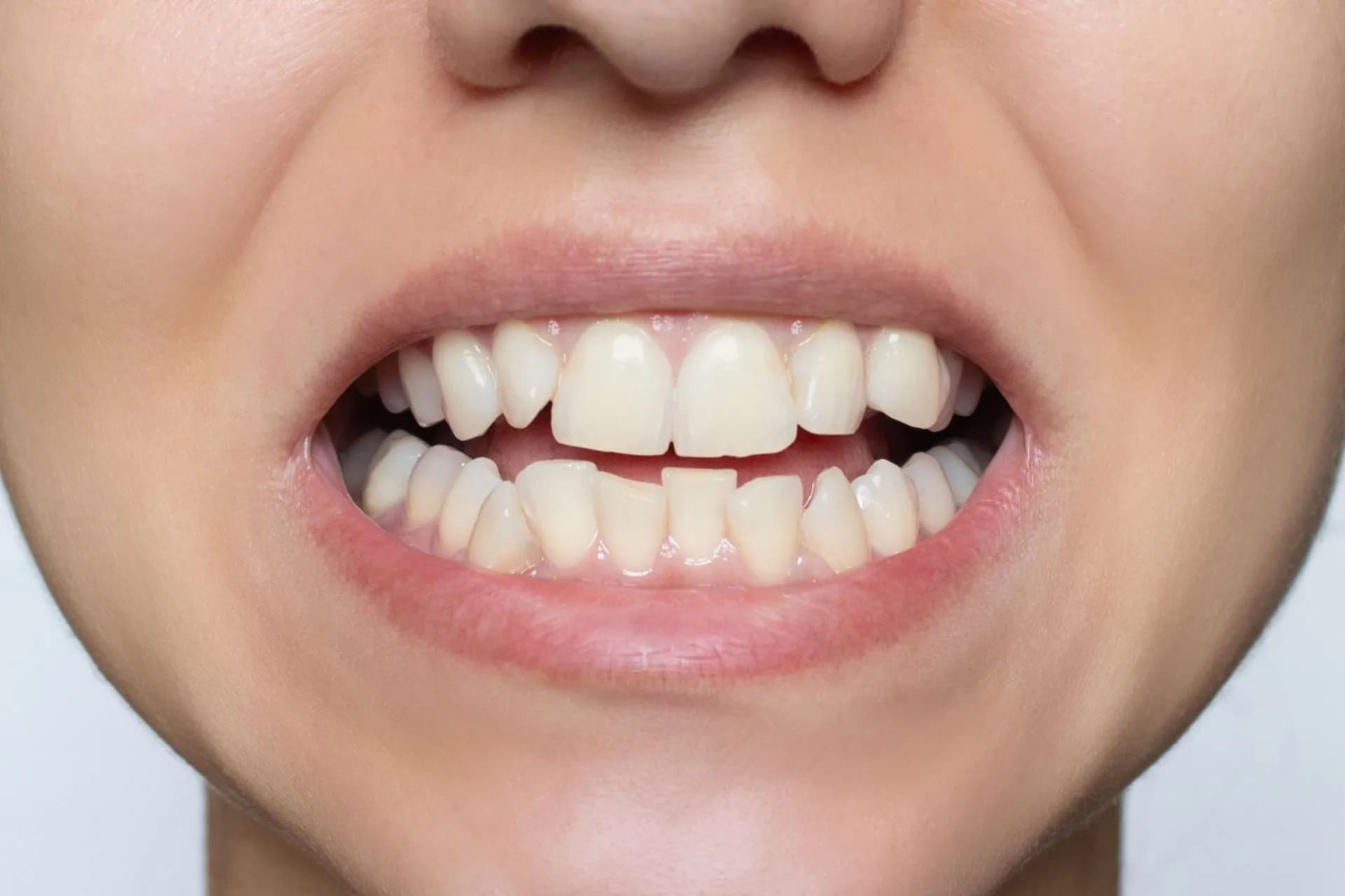
A diastema corresponds to a visible space between two adjacent teeth. Although it can appear in any area of the mouth, it is most common between the upper central incisors, that is, between the two front teeth.
The size of this space can vary significantly. In some people it is almost imperceptible, while in others it constitutes a defining feature of the smile.
It is important to emphasise that a diastema is not, in itself, an oral complication. In many cases, it is simply a natural anatomical variation. However, when it appears progressively or is associated with other changes, it may warrant a clinical evaluation.
Why do gapped teeth appear?
The appearance of a diastema can result from different factors. Identifying the cause is the first step to understanding whether there is a need for treatment.
Difference between the size of teeth and jaws
One of the most frequent causes is related to the proportion between the size of the teeth and the space available in the dental arch.
When the teeth are relatively small compared to the size of the jaws, spaces can appear between them, including between the front teeth.
Enlarged labial frenum
The labial frenum is a small band of tissue that connects the upper lip to the gum.
When it has a lower insertion or is larger than usual, it can prevent the natural closure of the space between the front teeth, encouraging the persistence of the diastema. Nowadays, however, it is known that the labial frenum is responsible for only a small portion of diastema cases that persist into adulthood.
Oral habits during childhood
Certain childhood habits can influence the positioning of teeth throughout growth. Prolonged use of a dummy, thumb sucking, or changes in the way of swallowing can contribute to the appearance of gaps between teeth.
Genetic factors
Genetics also plays an important role in dental development.
In some families, diastema occurs more frequently, reflecting hereditary characteristics related to the size of the teeth, jaws, or oral structures.
Tooth loss
The absence of one or more teeth can cause gradual movement of neighbouring teeth. Over time, these changes can create spaces that did not previously exist.
Periodontal disease
Periodontal disease affects the supporting tissues of the teeth and can cause tooth mobility in more advanced stages.
In these situations, the teeth can progressively move apart, causing or worsening a diastema.
Other factors
There are also other, less common causes that can lie at the origin of a diastema. This is the case with:
- muscle imbalances;
- a larger than usual tongue (macroglossia);
- alveolar cleft at the bone level;
- presence of an extra tooth (called a mesiodens);
- other physical obstacles that prevent the teeth from naturally coming closer together.
Is it normal to have a diastema during childhood?
Yes. During certain stages of dental development, it is perfectly normal to observe spaces between the teeth. Indeed, these spaces can play an important role, creating room for the eruption of permanent teeth, which are generally larger than baby teeth.
There is even a stage during which a space frequently appears between the upper central incisors – the “ugly duckling stage”. In many cases, this space closes spontaneously as the permanent dentition is completed.
Even so, when the diastema persists after the eruption of permanent teeth or when there are other associated signs, a specialist evaluation may be advisable.
Can a diastema cause problems?
Not always. For many people, a diastema is just an aesthetic feature that does not interfere with oral function or the health of teeth and gums.
However, depending on its origin and size, it can be associated with certain difficulties. Some gaps encourage food retention, while others can influence the way certain sounds are pronounced. In certain situations, a diastema can also be a sign of periodontal changes or teeth alignment problems that deserve attention and clinical evaluation.
When is it worth correcting a diastema?
There is no universal answer for every case.
The decision to correct a diastema must take into account various factors, including:
- the cause of the gap;
- the functional impact;
- the patient's aesthetic perception
When there is no associated oral health problem and the person is satisfied with the appearance of their smile, there may be no need for intervention.
On the other hand, when the diastema affects self-esteem, interferes with oral function, with speech, or results from a condition that requires treatment, it makes perfect sense to consider a treatment solution.
The most important thing is that the decision is based on an accurate diagnosis and not just on the observation of a gap between the teeth.

What are the treatments to close the gap between teeth?
The most suitable solution varies depending on the cause and characteristics of each case.
Orthodontics
Orthodontics remains one of the most widely used approaches to correct diastemas.
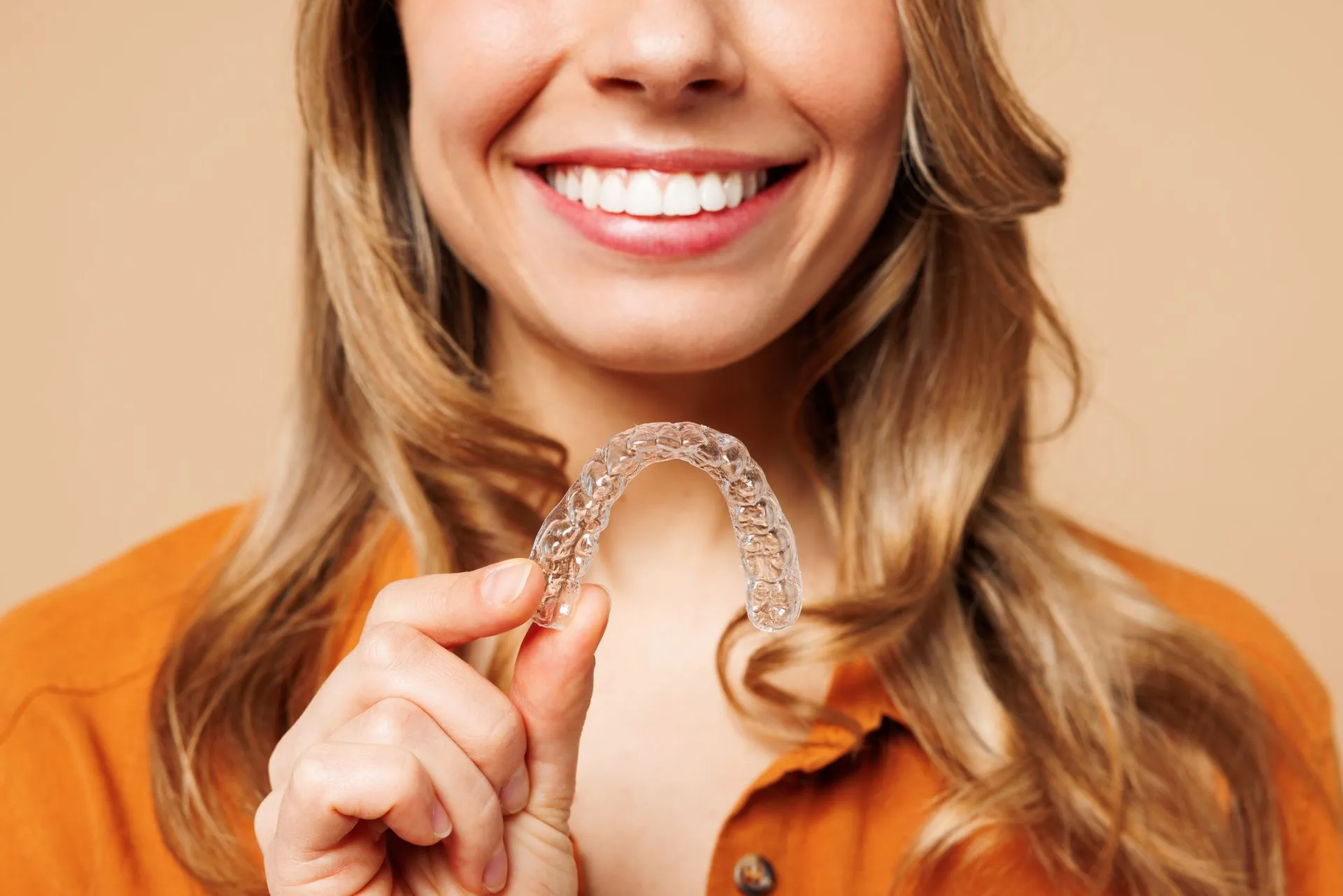
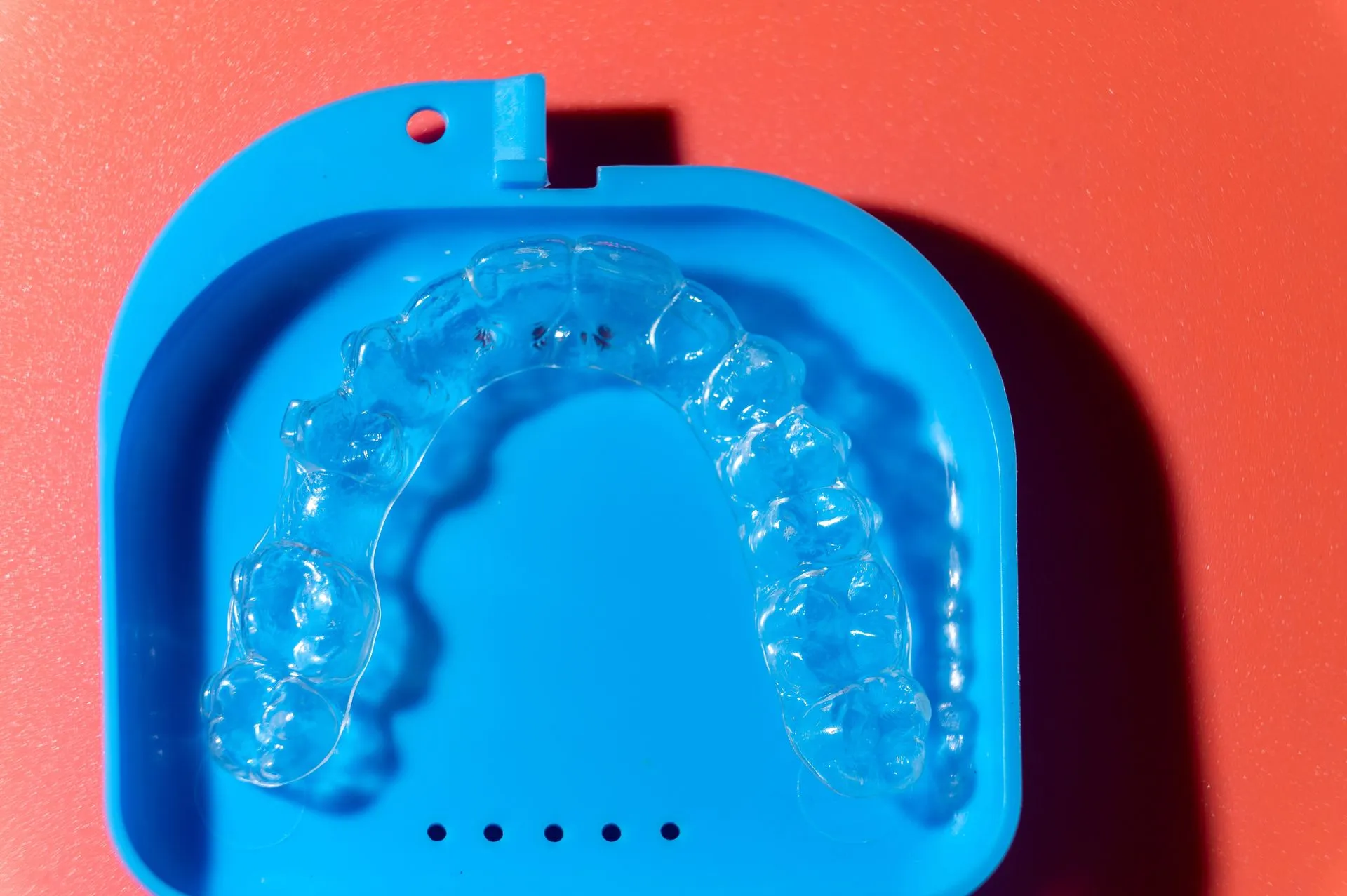
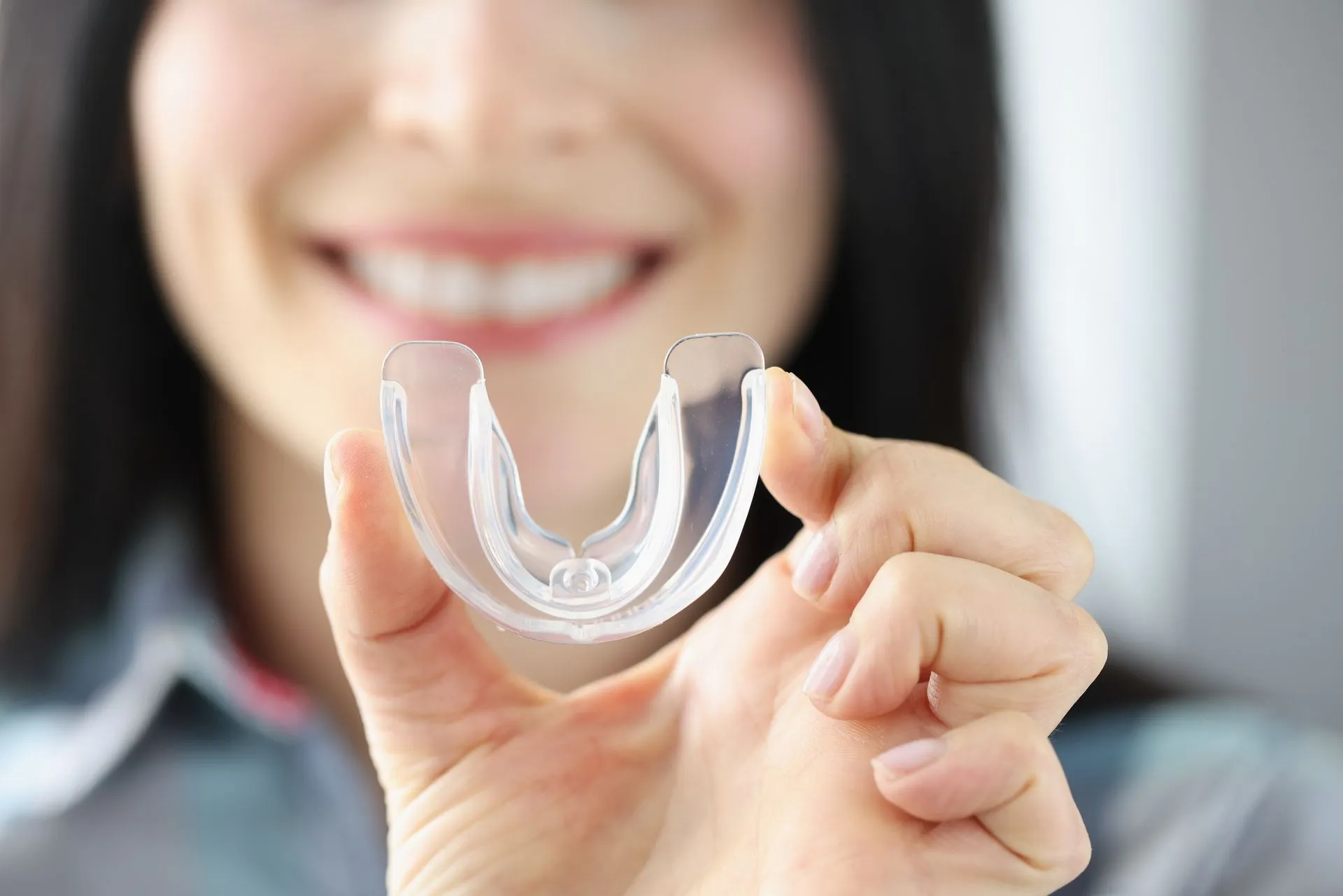
Both fixed braces and dental aligners allow teeth to be moved gradually and close gaps in a controlled manner, contributing to a more harmonious smile alignment.
Dental veneers
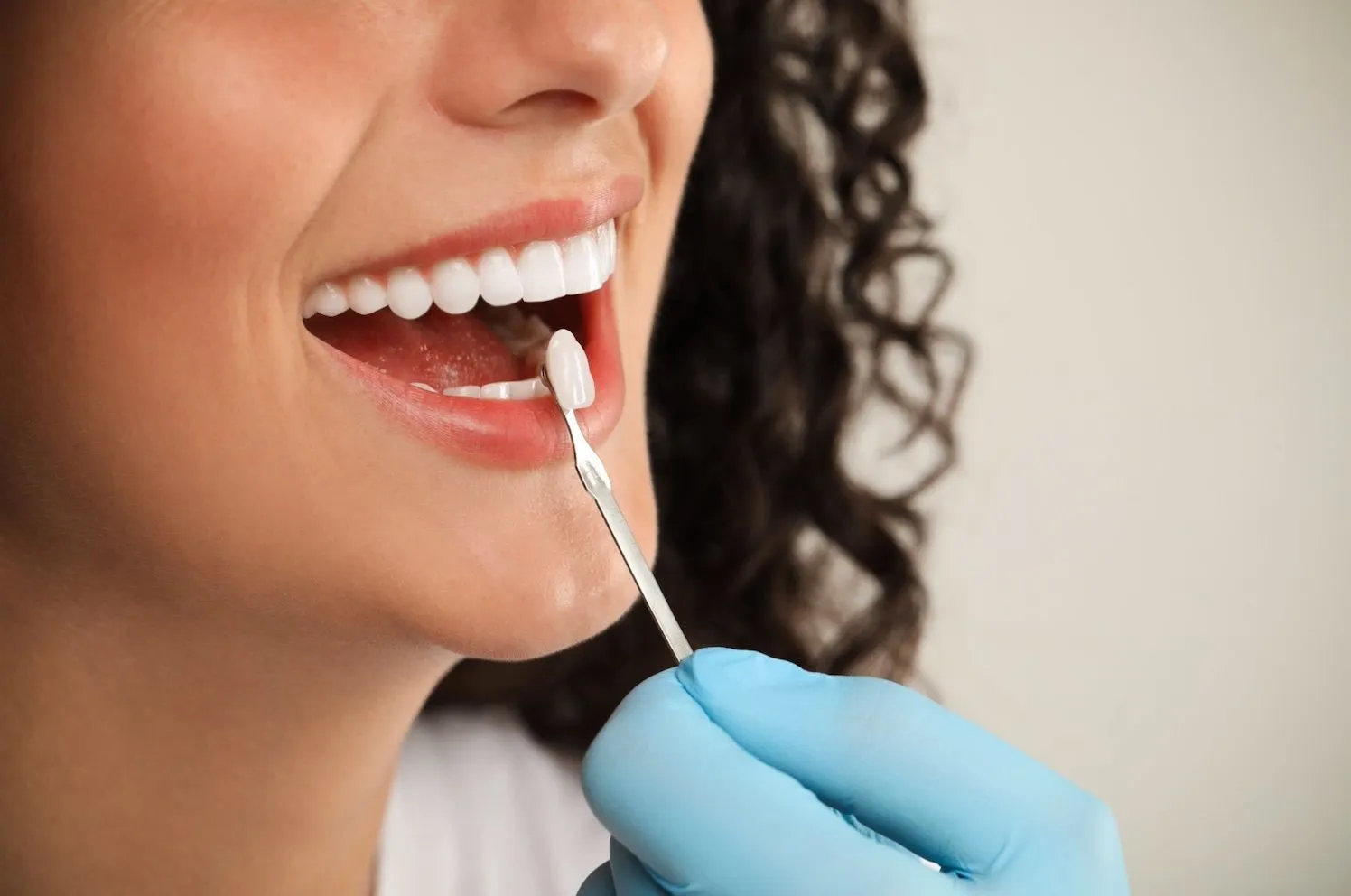
When the problem is associated with the shape or size of the teeth, veneers can be a fast, conservative, and effective solution. Compared to orthodontics, it is indeed a faster treatment, although more than one session and minor tooth preparation are generally required.
This approach allows for a slight alteration in tooth shape and visually reduces existing gaps.
Composite aesthetic restorations
In selected cases, especially when the gap is small, composite resin restorations can allow the diastema to be closed in a conservative and minimally invasive way. Even so, the colour and shine of the material may change slightly over the years, so it is normal for them to require periodic maintenance and polishing.
Labial frenum correction
When the anatomy of the labial frenum is the cause of the problem, a minor surgical intervention may be indicated to correct its attachment. In some cases, this approach is combined with orthodontic treatment. Done in isolation, the results are not always predictable, which is why this approach tends to be more effective when combined with orthodontic treatment.
Periodontal treatment
If the origin of the diastema is related to periodontal disease, controlling the disease is the priority. Only after this phase can the need to correct the space between the teeth be assessed.
Can a diastema reappear after treatment?
Yes, in some situations.
As with other orthodontic corrections, there is a possibility of relapse, especially when recommended retainers are not used or when the underlying cause has not been fully resolved.
For this reason, clinical follow-up remains important even after the treatment is completed.
Fun fact: not everyone wants to close a diastema
Although many people seek treatment to reduce or eliminate the gap between their front teeth, others choose to keep it.
In different cultures and contexts, a diastema is viewed as a distinctive feature of a smile and, for some people, is part of their aesthetic identity. For example, Madonna became famous early in her career for having a diastema and used this feature as a symbol of unique beauty and style. For this very reason, the decision to correct a diastema or not should always be personal and informed.
Frequently Asked Questions
Diastema is a relatively common condition that can arise for various reasons, from genetic factors to functional changes or periodontal problems. Although it is often seen merely as an aesthetic issue, its origin must be carefully evaluated before any therapeutic decision.
Currently, there are several options to correct gap teeth, including orthodontics, dental veneers and aesthetic restorations. However, not all diastemas require treatment. The most important thing is to understand the cause of the space and seek professional advice to determine the most appropriate approach for each case.