White spot on the tooth: should you worry?
Why they appear, how to tell them apart, and how to treat them from the inside out
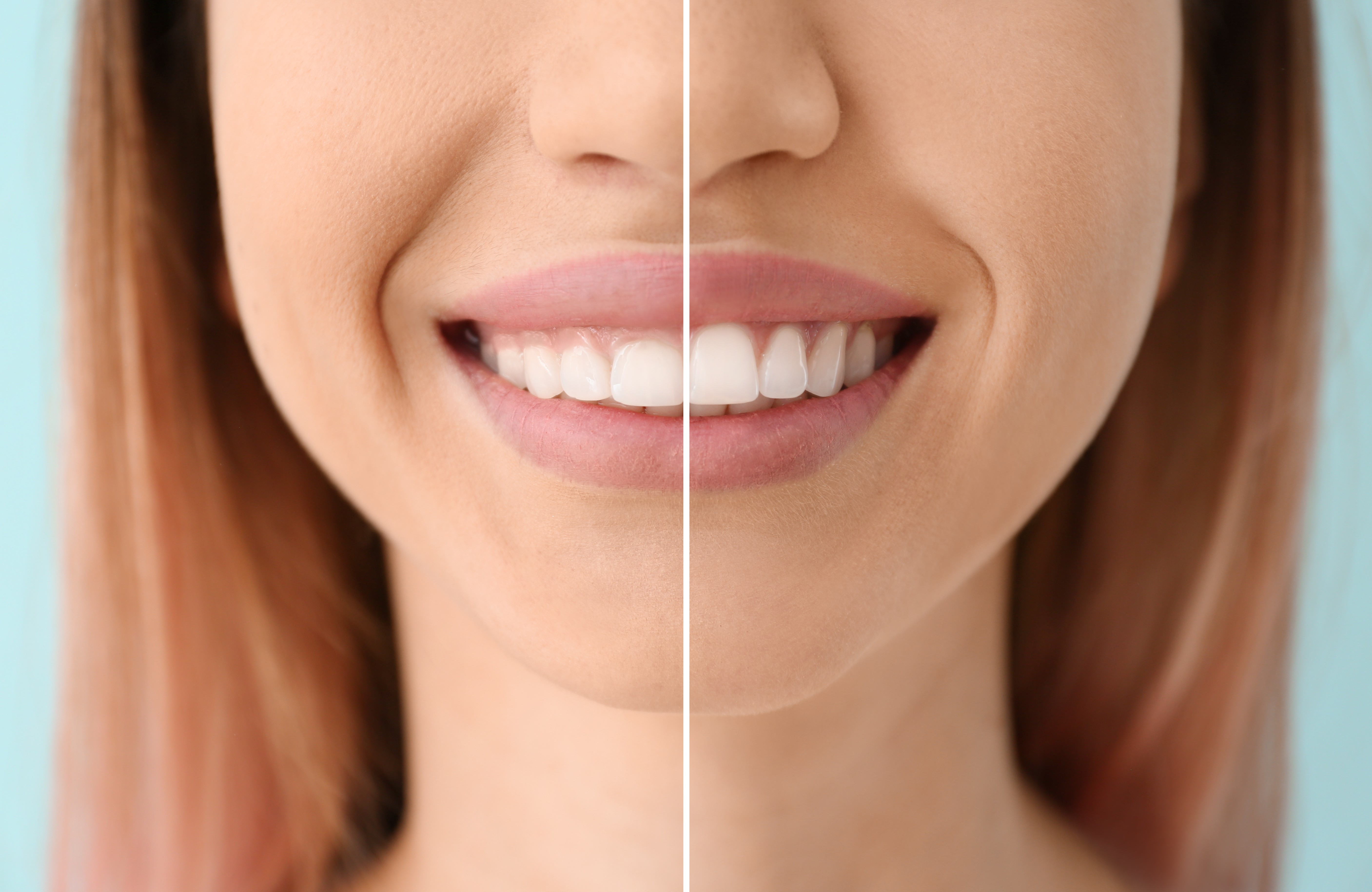
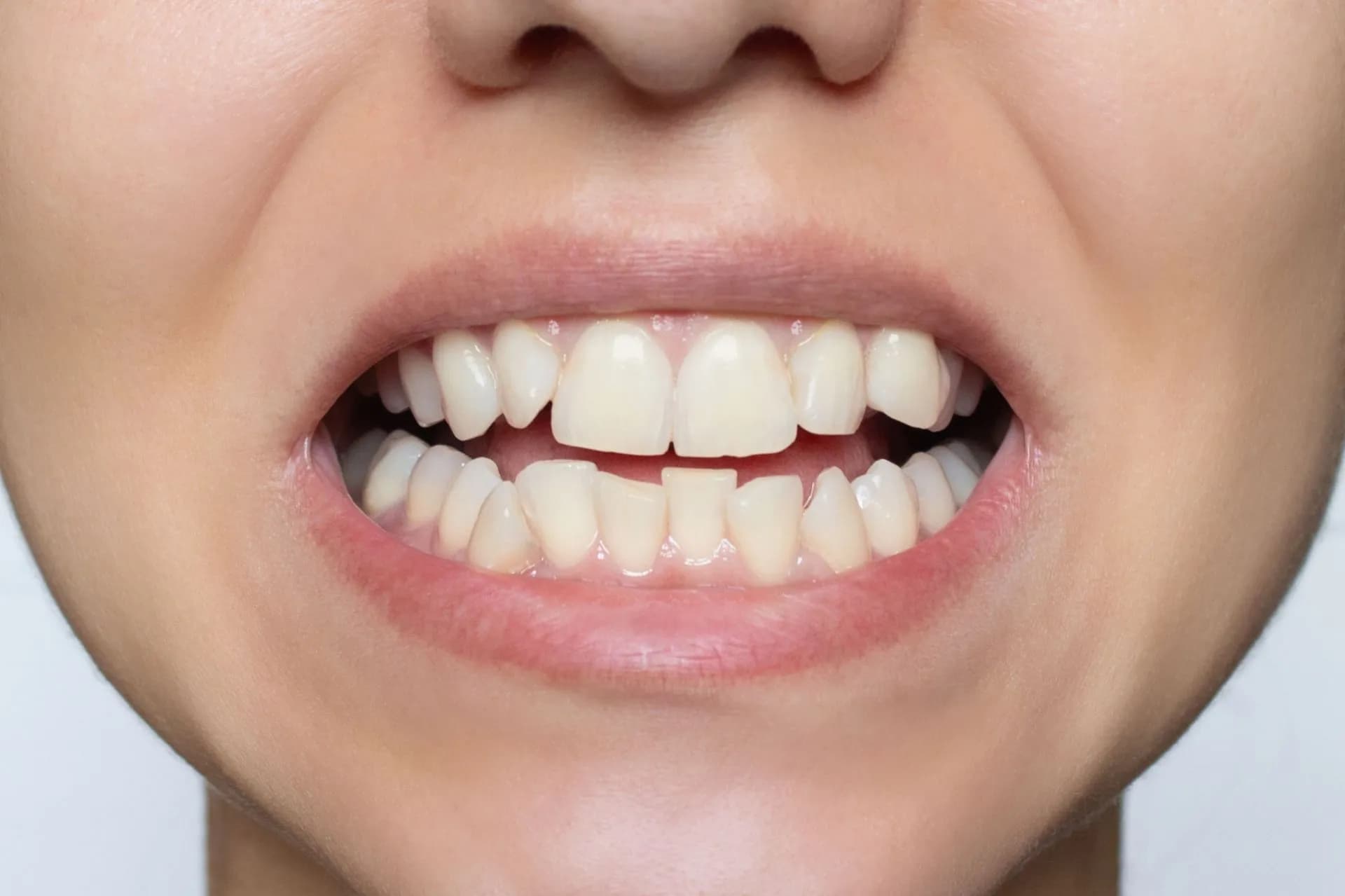
A white spot on the tooth might seem like just an aesthetic detail, but it is actually a warning sign. It can be a change in the enamel formation or the first sign of an early cavity. In appearance, they look similar, but the cause and treatment are different.
This was the theme of the lecture "Inside Out - White Spot Lesions on the tooth: from Differential Diagnosis to Clinical Protocol", which I presented at the congress of the Brazilian Society of Aesthetic Dentistry (SBOE), in September. I share the main ideas here in simple language.
Why is the spot white? Think of a cracked mobile phone screen
Think of your mobile phone screen. When intact, the glass is perfectly transparent and we see the image clearly. Now imagine that the phone fell and the screen cracked. In the cracked areas, the glass becomes whitish and you can barely see what is underneath. The glass is still there, but each crack deflects the light and scatters it in all directions.
With tooth enamel, something very similar happens. Healthy enamel is made up of very compact mineral crystals, tightly fitted together. Light passes through this structure in an even way, and this is what gives the tooth its translucent and natural appearance.
When the enamel loses mineral, or when it has not formed correctly, thousands of microscopic pores appear inside it, filled with water or, when the tooth dries, with air. These pores act like the cracks in the screen: light no longer passes through the enamel in a straight line and scatters in all directions. Our eyes see this scattered light as a dull, white spot.
Understanding this mechanism is essential because it is also the key to treatment.
Are all white spots decay?
No. In clinical practice we distinguish four main origins for a white spot on a tooth, and each one has different characteristics depending on its origin. It is these differences that allow the dentist to identify them.
Early decay and spots after orthodontic braces
These result from the loss of enamel mineral caused by plaque acids, and are common after treatment with fixed braces. In this initial phase, it is still possible to stop them.
Dental fluorosis
This results from excessive fluoride intake during childhood, while teeth are forming.
Molar-Incisor Hypomineralisation (MIH)
This is a defect in enamel formation that, as the name suggests, affects permanent molars and incisors, and sometimes other teeth as well. These areas are more fragile and more susceptible to sensitivity, fractures, and decay.
Childhood trauma
A blow to a baby tooth can affect the permanent tooth that is forming underneath it and which only erupts years later.
How is the diagnosis made?
Distinguishing these origins that cause the white spot on the tooth is the most important step, because the same white spot on the tooth can require very different treatments. The diagnosis is based on:
The clinical history: exposure to fluoride in childhood, trauma, previous orthodontic treatment;
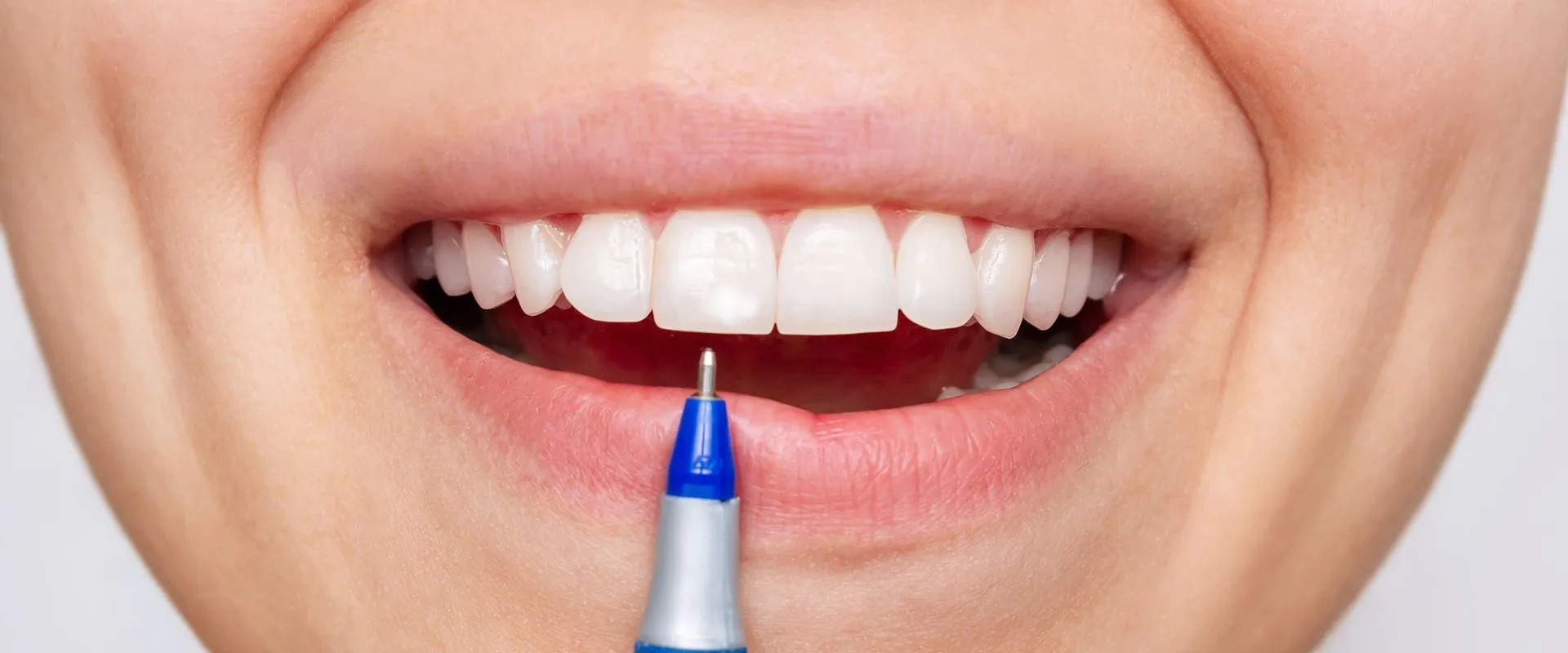
Careful observation of the spots, with the tooth wet and dry;
Transillumination: just as cracks on a broken screen become more evident when the phone is on and the light comes from behind, an intense light placed behind the tooth reveals the depth of the spot.

How to treat a white spot on a tooth: from the inside out
If the white spot on the tooth behaves like a cracked screen, the most logical solution is not to cover it up from the outside, but to repair the cracks from within. This is the idea behind the title "Inside Out".
Whatever the origin of the white spot on the tooth, the approach is always minimally invasive: the goal is to preserve as much of the healthy tooth as possible and do only what is strictly necessary.
The treatment follows a sequence of steps, from the simplest to the most complex, and only progresses as far as necessary:
Remineralisation
Whitening
Resin infiltration
Deep infiltration, depending on the depth of the spot
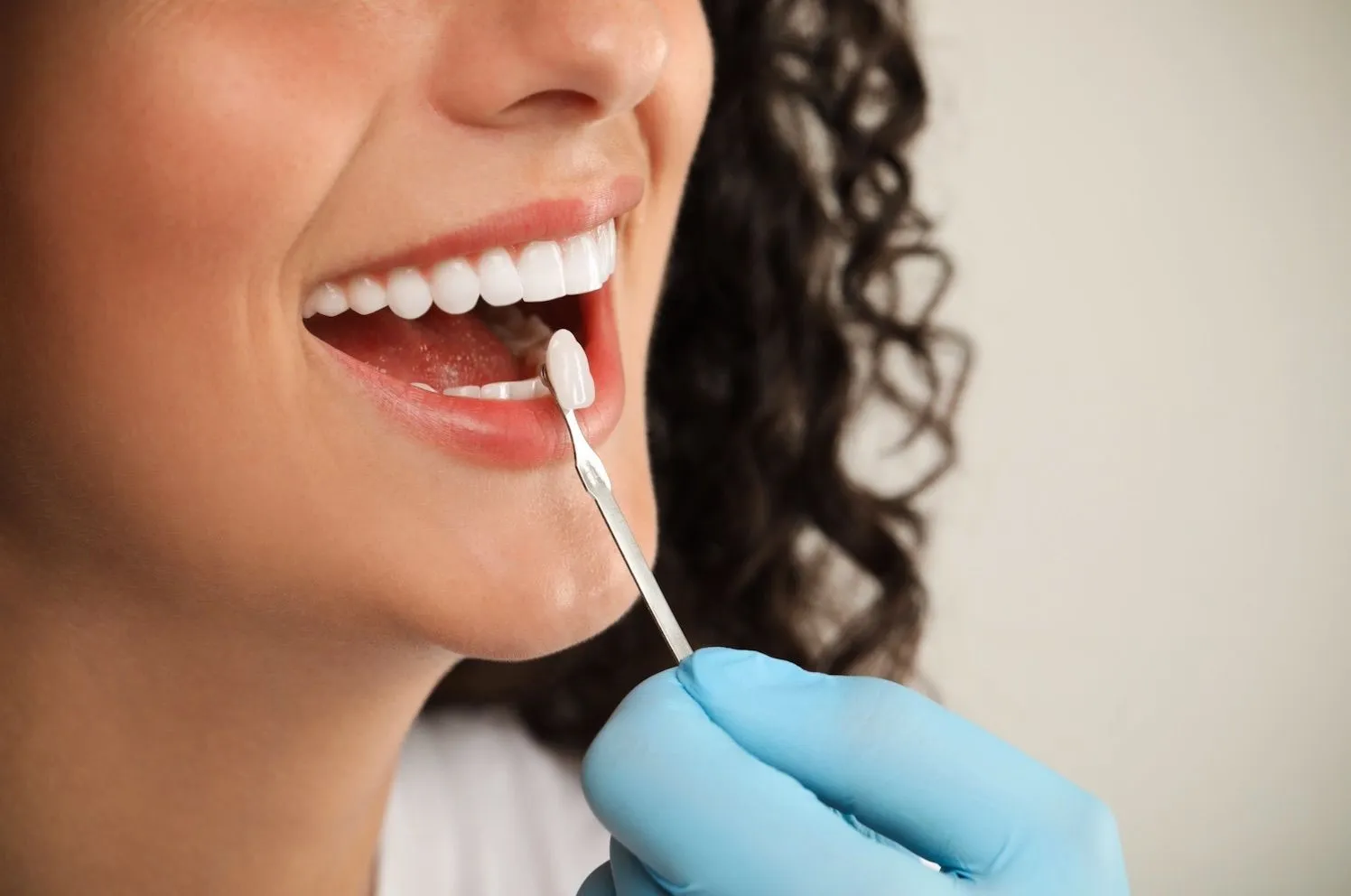
Ceramic veneers, only as a last resort
Many spots are resolved in the very first stages. Let's look at each one.
1. Control the cause and remineralise
In an active cavity, the first objective is to halt its progression: control of bacterial plaque, careful oral hygiene, a balanced diet, and products that help the enamel regain minerals.
2. Whitening, when indicated
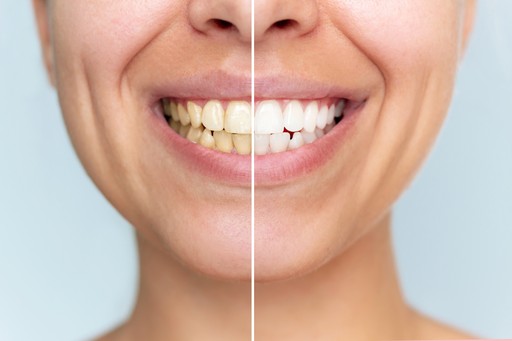
Done before any other procedure, whitening evens out the tooth colour and makes the white spot on the tooth less contrasting. When infiltration follows, it is necessary to wait about two weeks.
3. Resin infiltration
Today, this is one of the most effective and conservative approaches, and this is where the mobile phone analogy makes sense. Imagine that, instead of changing the broken screen, it were possible to fill each crack with a transparent liquid that then hardens: the glass would let light through again and the cracks would virtually disappear.
In the tooth, the principle is the same. First, a gentle gel is applied to open access to the pores. Then, a highly fluid resin is applied, which the enamel absorbs like a sponge, filling the pores from the inside. Since this resin lets light through in a very similar way to healthy enamel, the light passes through the tooth in a straight line again and the spot no longer stands out.
The result is visible right at the end of the appointment.
4. Deep infiltration
Going back to the mobile phone: if the fall was harder, the cracks are deeper and more difficult to fill. The same happens with deeper spots, which are common in MIH and trauma. In these cases, a deep infiltration is performed: a very thin layer of altered enamel is removed so that the resin can reach the bottom of the white spot on the tooth, and, if necessary, supplemented with a small tooth-coloured resin restoration. Technologies such as Aquacare® allow only the altered tissue to be removed, preserving the healthy enamel.
5. Ceramic veneers, only as a last resort
Only when the previous steps are not enough, in very extensive alterations or with significant loss of structure, are ceramic veneers considered. In a minimally invasive philosophy, they always appear at the end of the sequence and never as a first treatment option.
And after the treatment?
The results tend to be stable. Maintenance is carried out with good oral hygiene and regular maintenance appointments, and, if necessary, after a few years, whitening can be done to restore brightness to the smile.
Prevention is still the best solution
Many of these spots can be avoided with simple gestures:
Strict control of bacterial plaque, especially during orthodontic treatment;
Brushing with fluoridated toothpaste;
In children, using fluoride in the amount recommended for their age.
Frequently Asked Questions
A white spot on the tooth is not always a cause for alarm, but it is always a sign that deserves professional evaluation. It is the diagnosis that defines the treatment.
Realising that the white spot on the tooth behaves like a cracked mobile phone screen changed the way we treat it: instead of hiding it from the outside, we repair the enamel from the inside. This way, it is possible to restore the natural look of the smile, while preserving the tooth as much as possible.