Wisdom teeth, also known as third molars, are the last teeth to emerge at the back of the jaws. And how many wisdom teeth do we have? Usually, there are four, one in each corner of the upper and lower jaw. They can begin to erupt during adolescence, but they frequently emerge between the ages of 16 and 25. These teeth can cause a range of problems and discomfort, which often requires their extraction.
In this article, we will explore the symptoms associated with wisdom teeth problems, and the entire process involved in their removal and subsequent post-operative recovery.
Symptoms of wisdom teeth problems
Problems related to wisdom teeth manifest through symptoms such as pain, swelling, redness, and tenderness in the adjacent gum. In some cases, headaches, sore throats, or earaches may occur.
When a wisdom tooth is impacted, it means it is trapped under the gum and cannot completely emerge, leading to inflamed and/or infected gums. But we will explain everything to you in more detail.
Impacted Wisdom Tooth
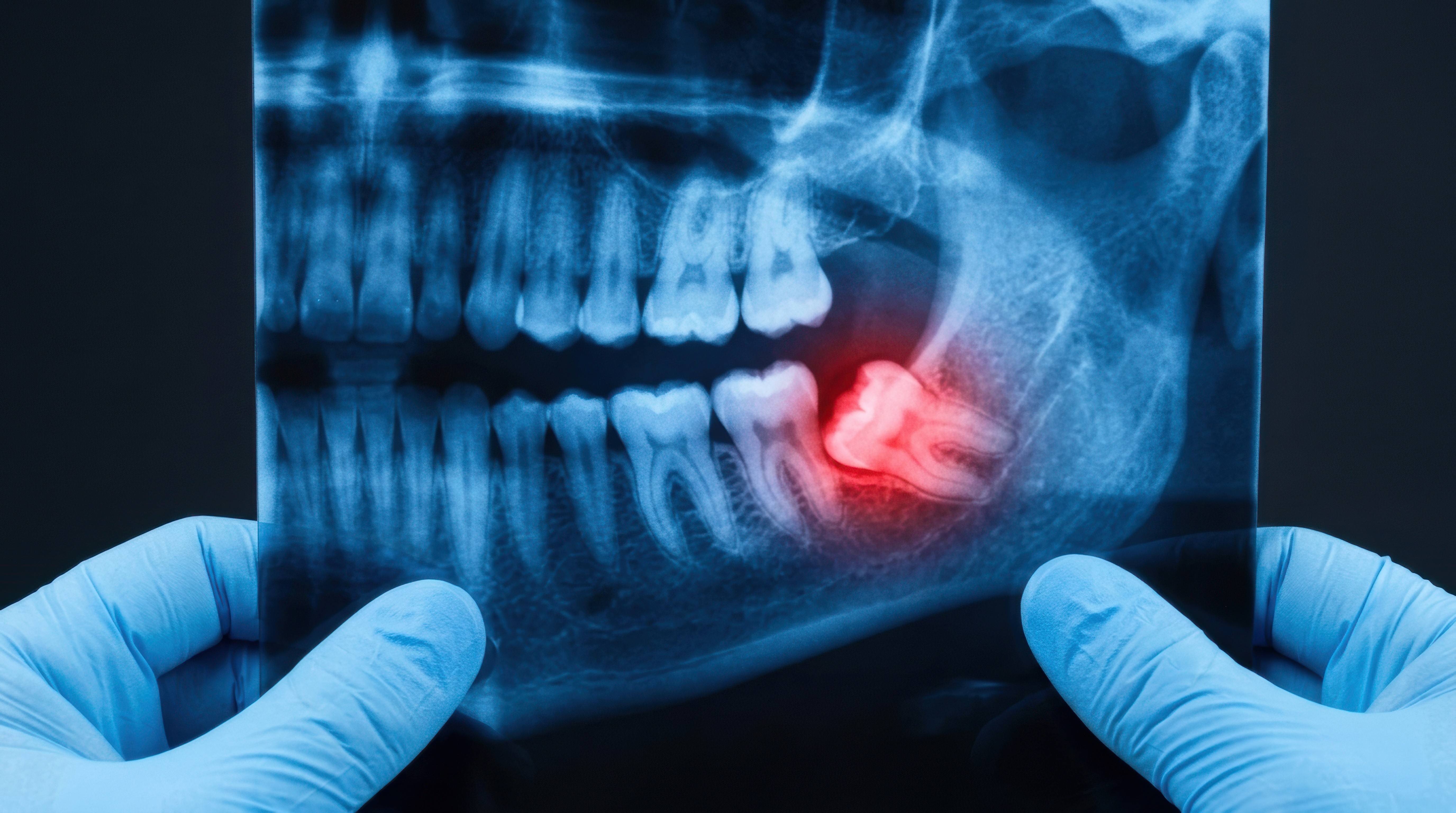
When a wisdom tooth is impacted, it means it cannot emerge completely, in other words, it is partially or fully trapped. This condition can cause a range of symptoms, including pain and discomfort in the mouth.
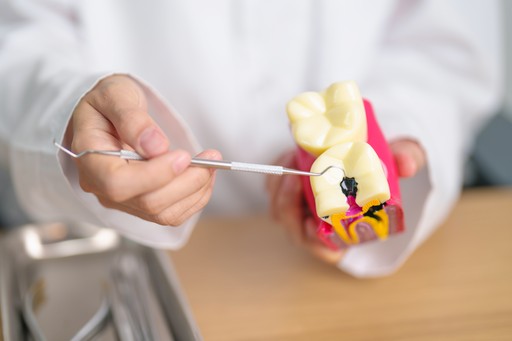
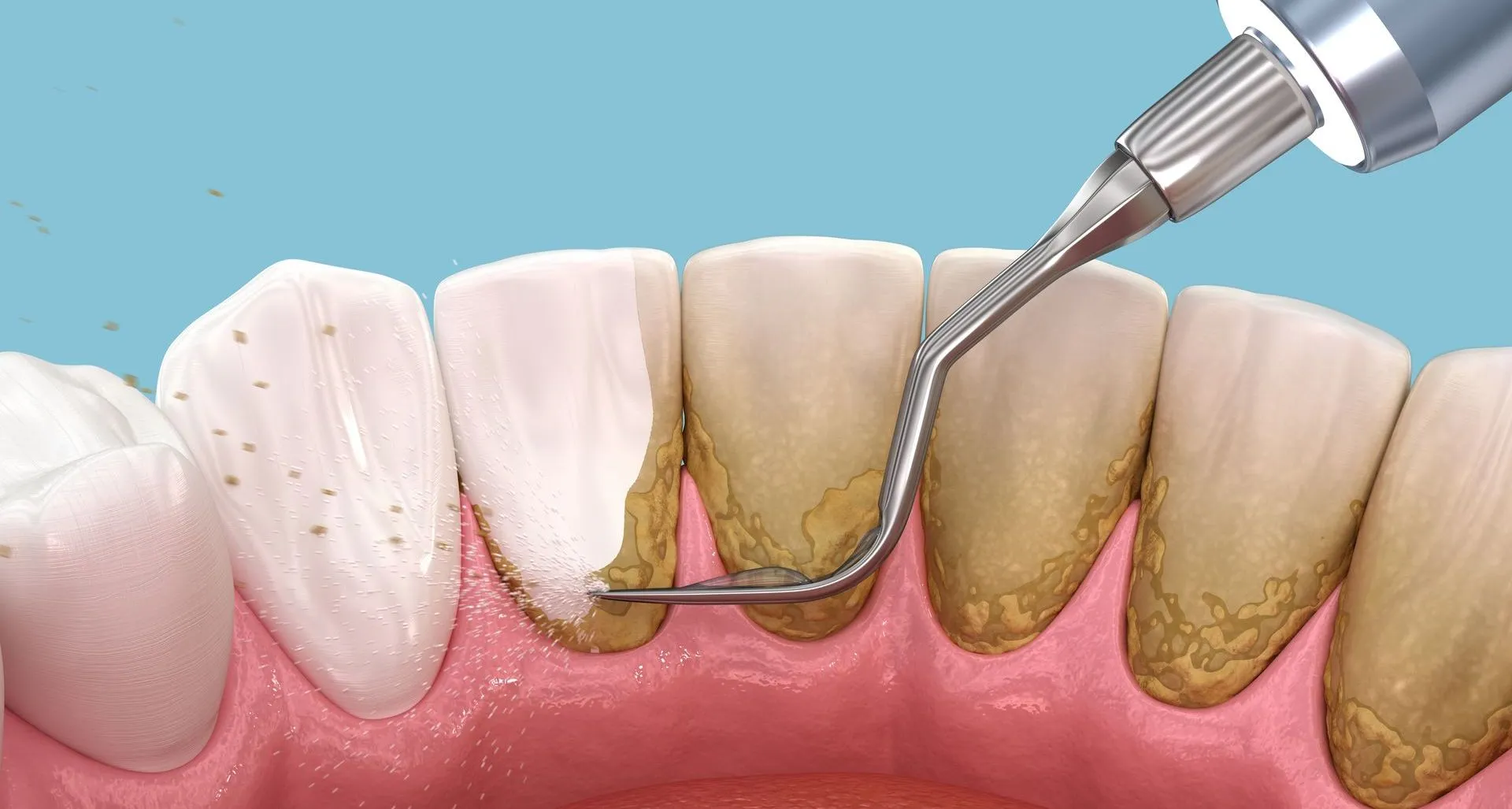
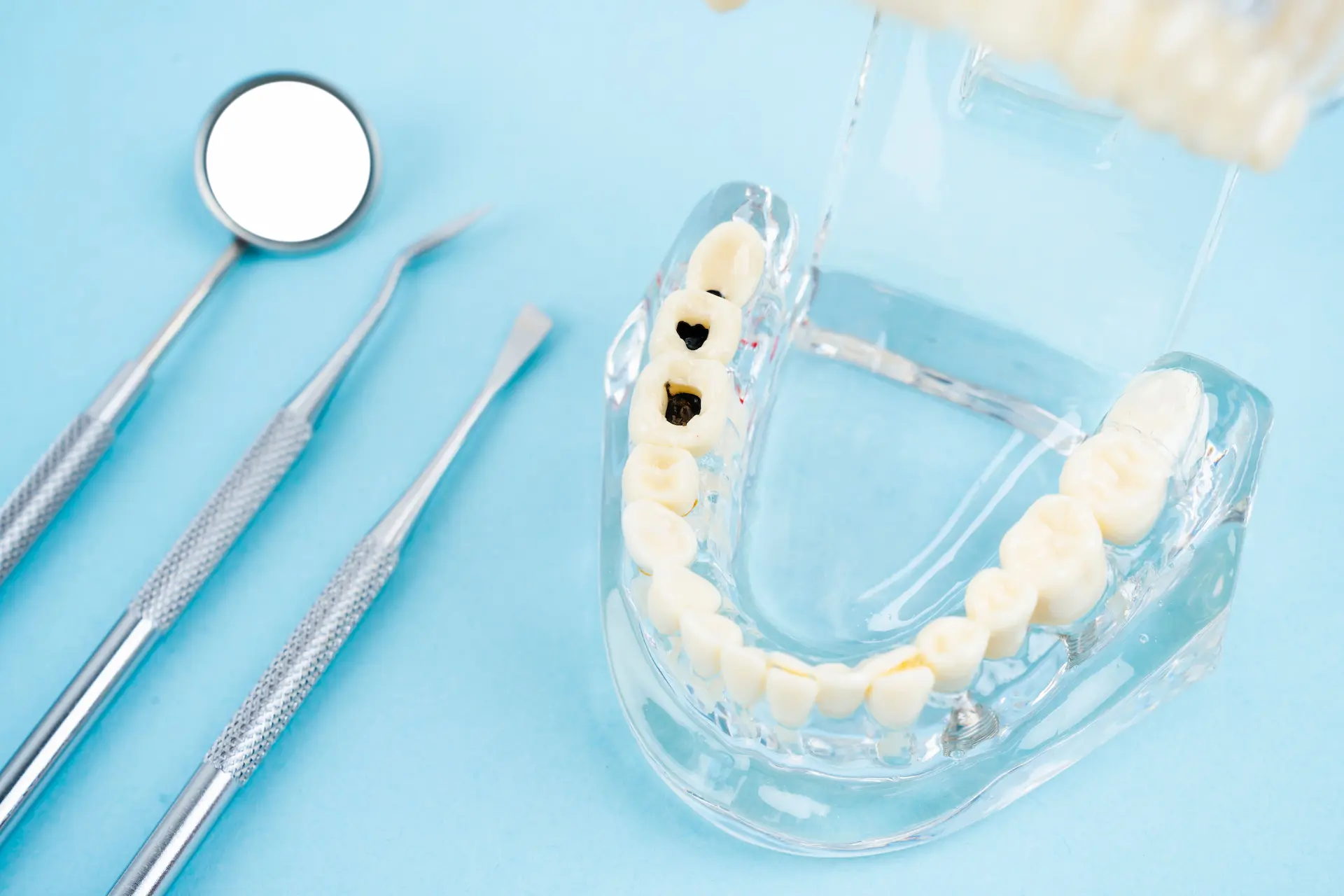
The presence of an impacted wisdom tooth can result in pressure, which ends up "pushing" neighbouring teeth, causing dental misalignment and bite problems, such as a crossbite. Furthermore, the difficulty in reaching the affected area during oral hygiene can lead to plaque buildup and the appearance of cavities and/or periodontal diseases.
In fact, the lack of sufficient space in the jaw is one of the main reasons why wisdom teeth can become impacted. Whenever this situation occurs, the preventive extraction of impacted wisdom teeth is recommended, even if they do not yet cause symptoms or discomfort. This approach aims to avoid future problems and preserve your long-term oral health.
Inflamed Wisdom Tooth
When the tissues around the wisdom tooth are inflamed, it is common to experience intense pain, swelling, and tenderness in the affected area. Such symptoms can be caused by a condition known as Pericoronitis, in which the gum tissue surrounding the wisdom tooth becomes inflamed and infected.
This inflammation can occur when the eruption of the wisdom tooth is partial or inadequate, allowing bacteria and food debris to enter the area, creating a favourable environment for the development of an infection.
If you have an inflamed wisdom tooth, it is important to see a Dentist as soon as possible: they will carry out a clinical assessment and may request complementary imaging exams, such as X-rays or CT scans, to evaluate the severity of the inflammation and the position of the tooth.

Surgery to extract the wisdom tooth
The extraction of the wisdom tooth is a more common surgical procedure than it seems, so do not worry. During the surgery, you will be under anesthesia, adjusted to the complexity of the extraction and individual needs. The procedure is as follows:
The surgery begins with a gum incision, allowing access to the wisdom tooth;
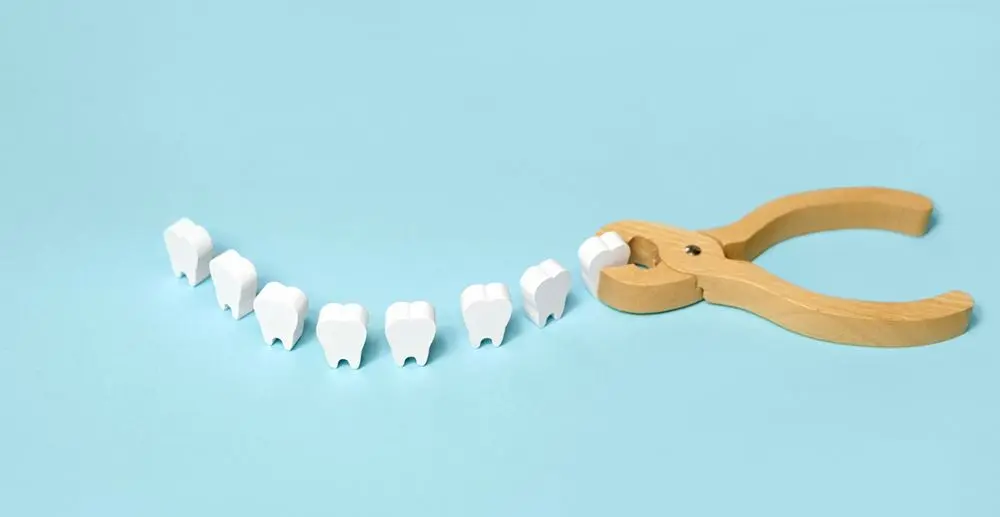
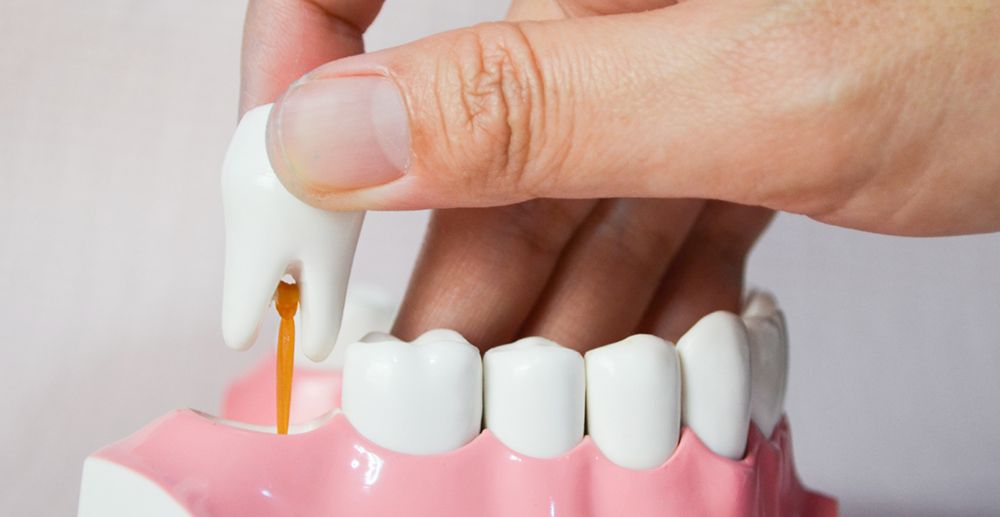
Next, the wisdom tooth is carefully removed. In some cases, it may be necessary to also remove some of the bone surrounding the tooth to facilitate the extraction;
After its removal, a thorough cleaning of the affected area is performed to ensure that any remaining tissue or bone fragments are removed;
Finally, the gum is sutured with stitches, allowing for proper healing.
Remember that during the procedure, it is essential to follow the dentist's instructions and maintain good communication, especially if you experience discomfort or any abnormal sensation. The clinical team will always be present to ensure the patient's peace of mind and safety.
Recovery after wisdom tooth extraction
The recovery time after wisdom tooth extraction can vary from a few days to a few weeks, depending on the complexity of the procedure and the patient's overall health. During the first few days, it is crucial to allow yourself to rest and avoid intense physical activities that may compromise proper healing.
If you are wondering what to eat, be aware that during this period, it is recommended to avoid hard, hot, or spicy foods, as they can cause irritation or injury to the healing area. Opting for soft and cold foods may be more comfortable for you and promote a quick recovery. Some examples include purees, cold soups, yogurts, jelly, smoothies, and ice creams.
It is important to emphasize that smoking slows the healing process and increases the risk of complications after wisdom tooth extraction. Therefore, it is highly recommended to avoid/reduce smoking during this time.

Relieve Wisdom Tooth Pain
Here are some measures you can take to relieve pain and ensure a smooth recovery process:
In the first few days, apply ice wrapped in a towel to the affected area at regular intervals of about 15 minutes to reduce inflammation and pain;
From the day after surgery, you should prioritize good oral hygiene to keep the area clean and free of bacteria. Rinse with mouthwash and massage the gum with the toothbrush with gel twice a day, in the morning and at night;
If necessary, your Dentist may prescribe specific medication to avoid discomfort or pain.
Rest and follow the Dentist's instructions during recovery to ensure complete healing;
If the pain persists or any problems occur during recovery, contact the clinic immediately.
The MALO CLINIC has an experienced and dedicated clinical team ready to help in these cases. We provide a safe and comfortable environment for our patients to feel at ease during treatments. Do not hesitate to make an appointment for a detailed assessment and to discuss the best options for your Oral Health.