What are dental veneers?
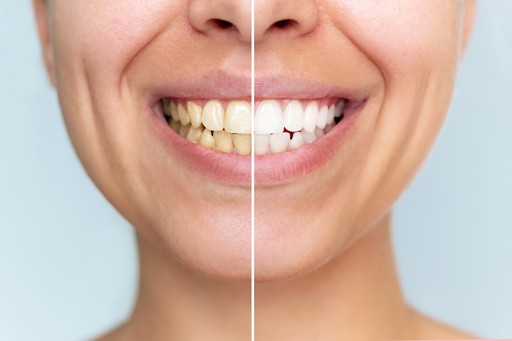
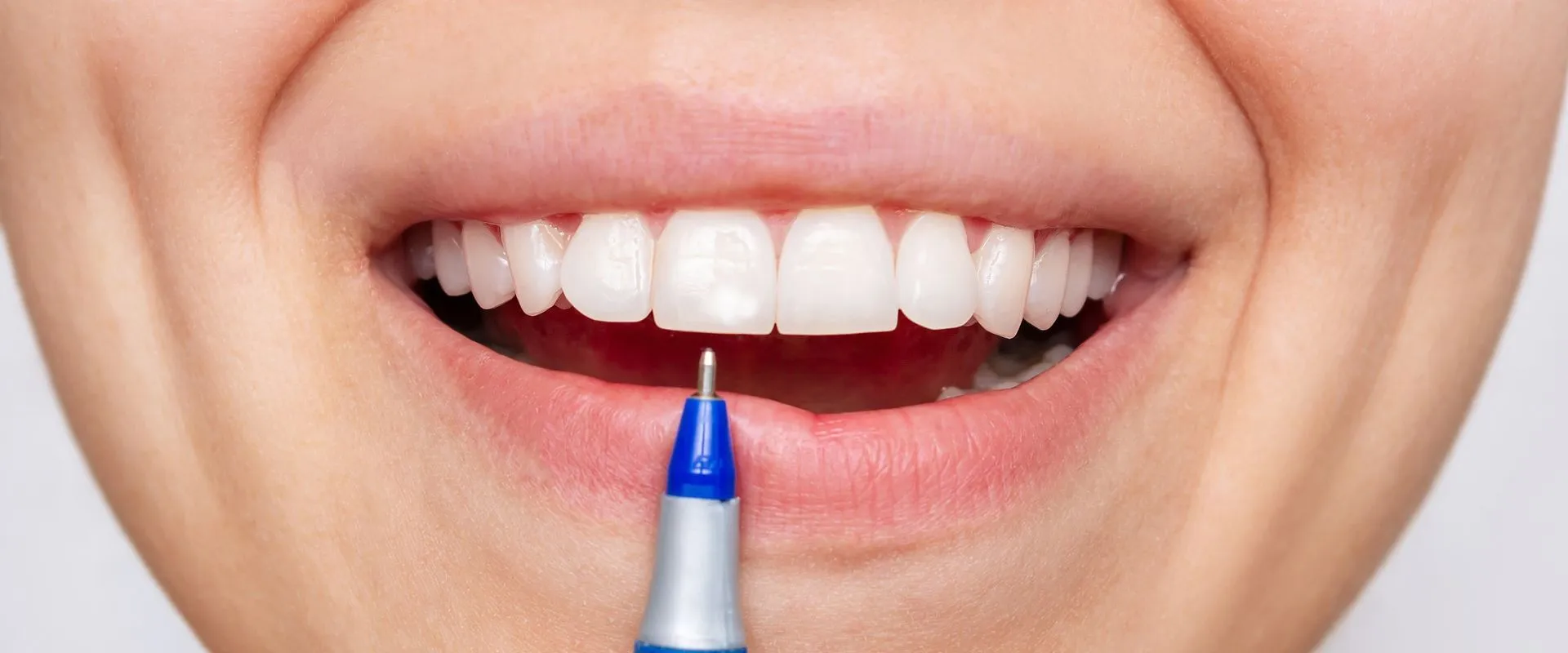
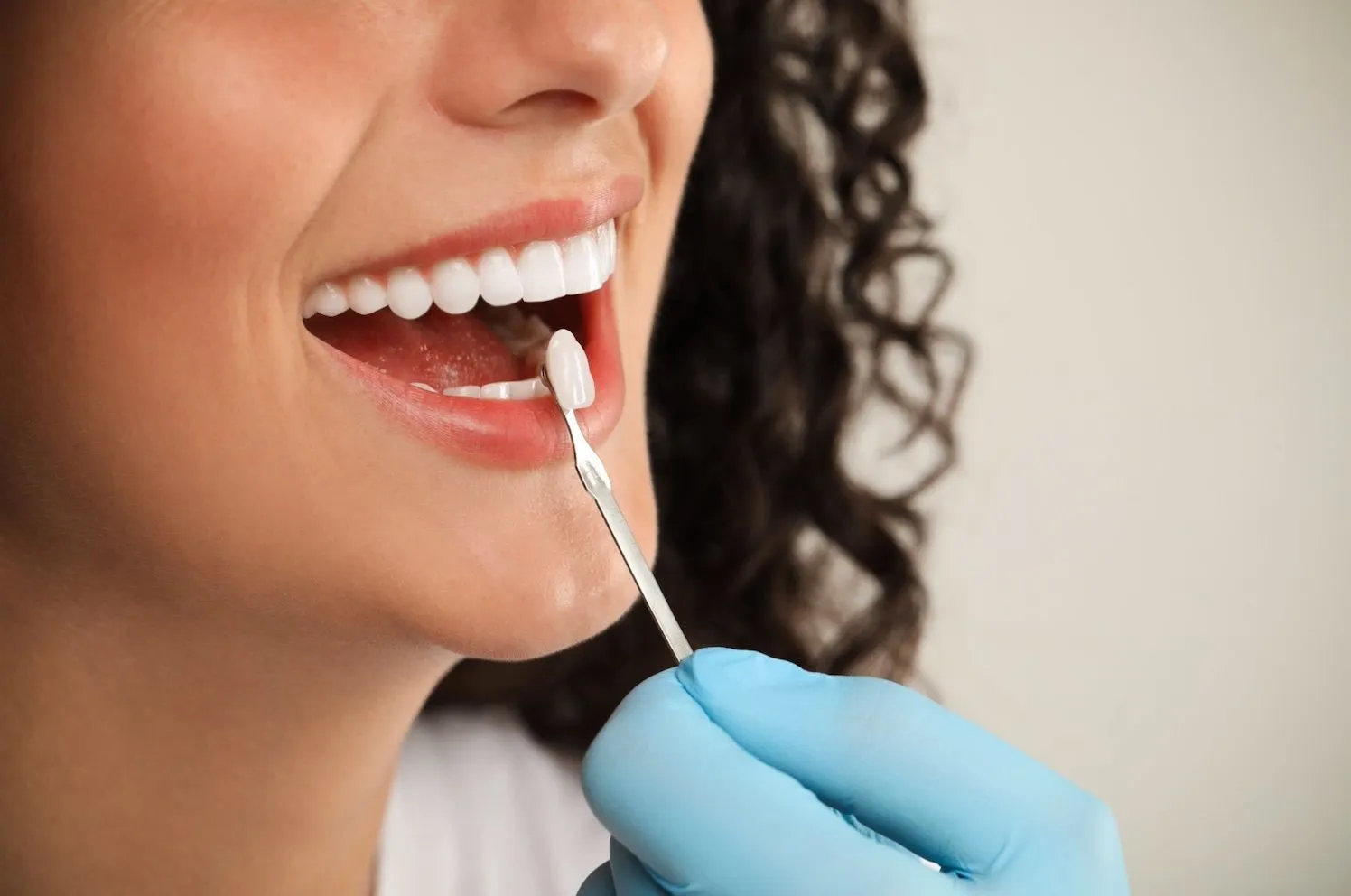
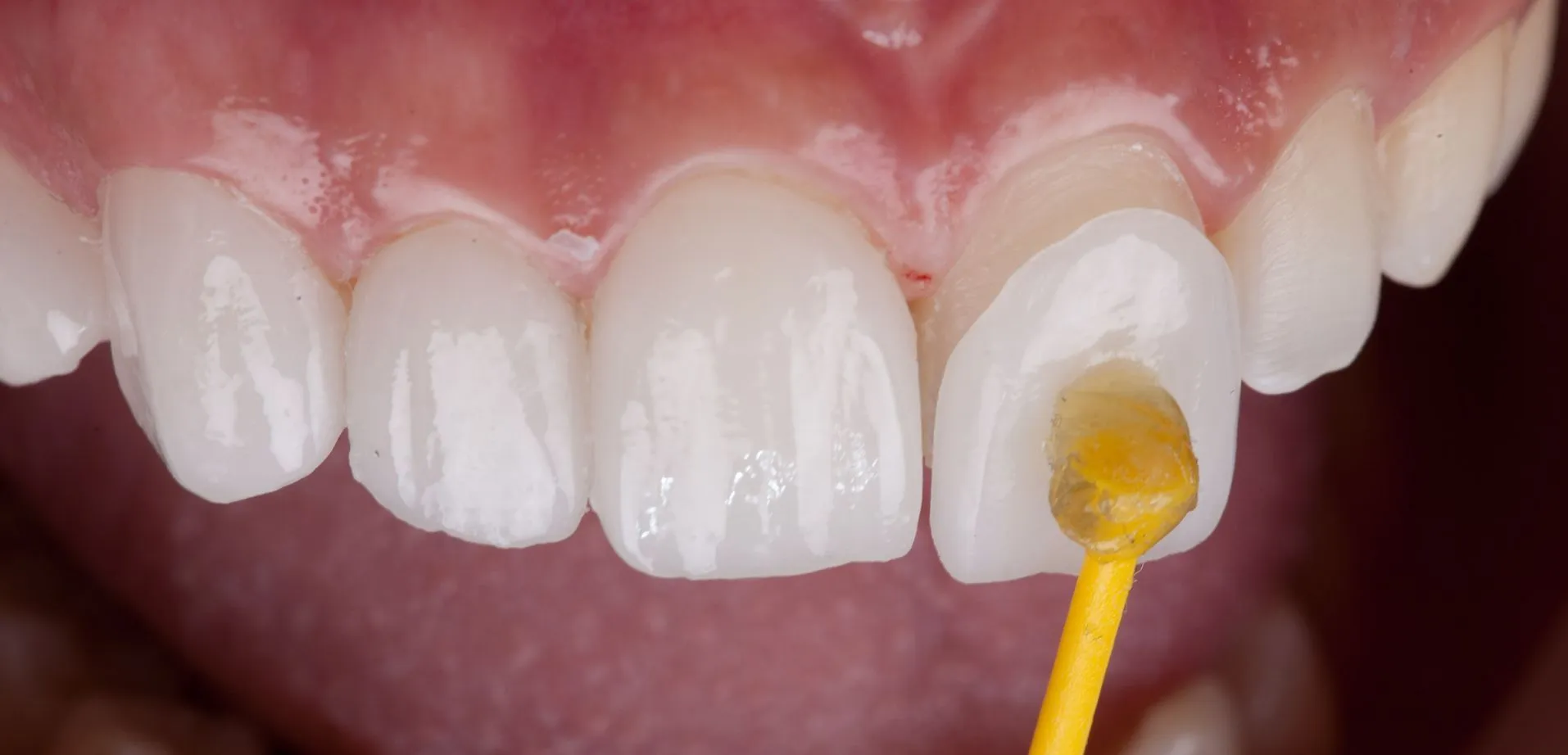
Dental veneers are thin layers of ceramic that are applied over the surface of natural teeth to enhance their aesthetic appearance. They function as a very thin cover that, once adhered, makes the tooth the same or even more resistant compared to one without a veneer. The purpose of dental veneers is to mitigate any imperfections in the teeth and recreate the natural appearance of the dentition.
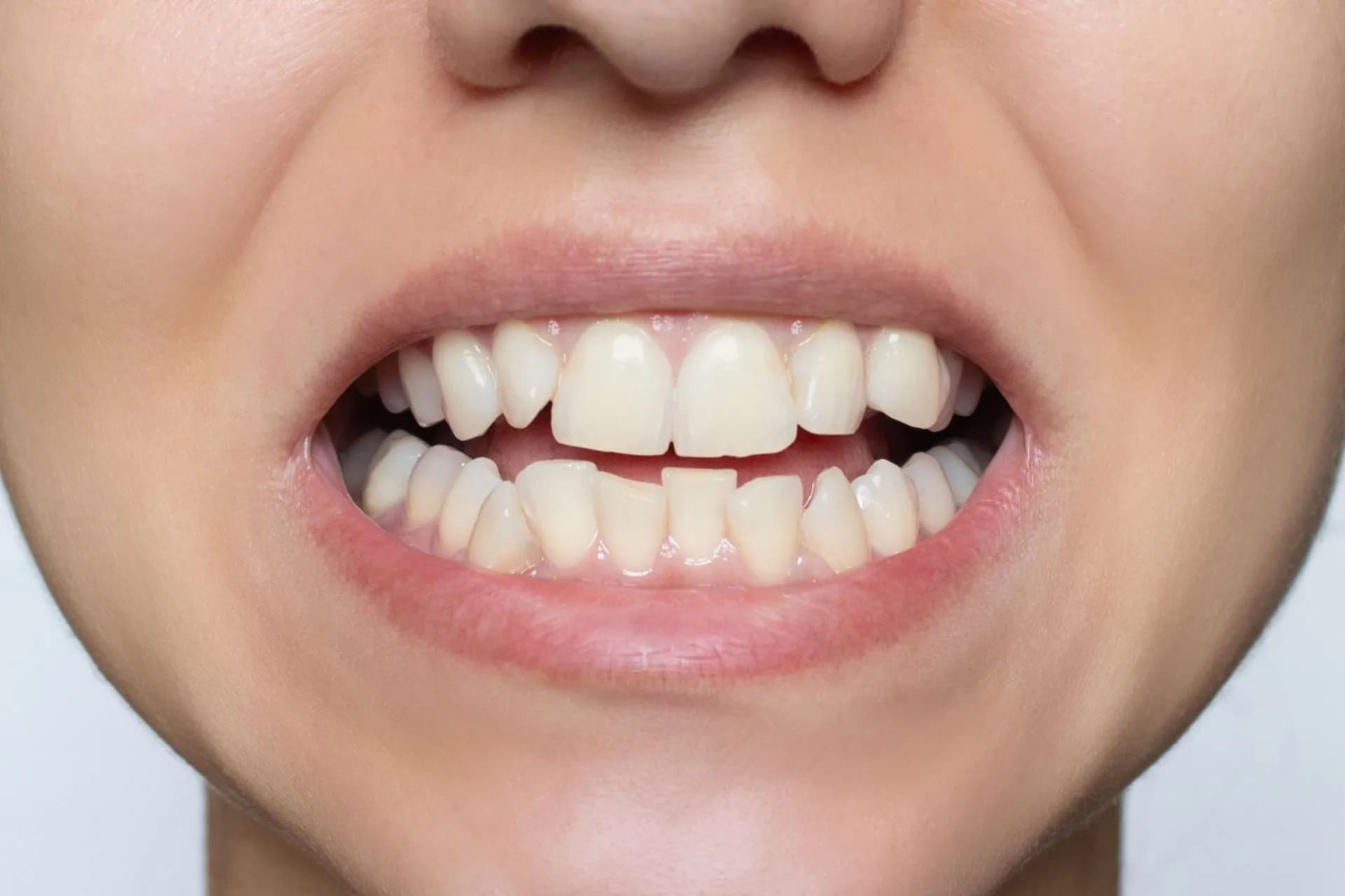
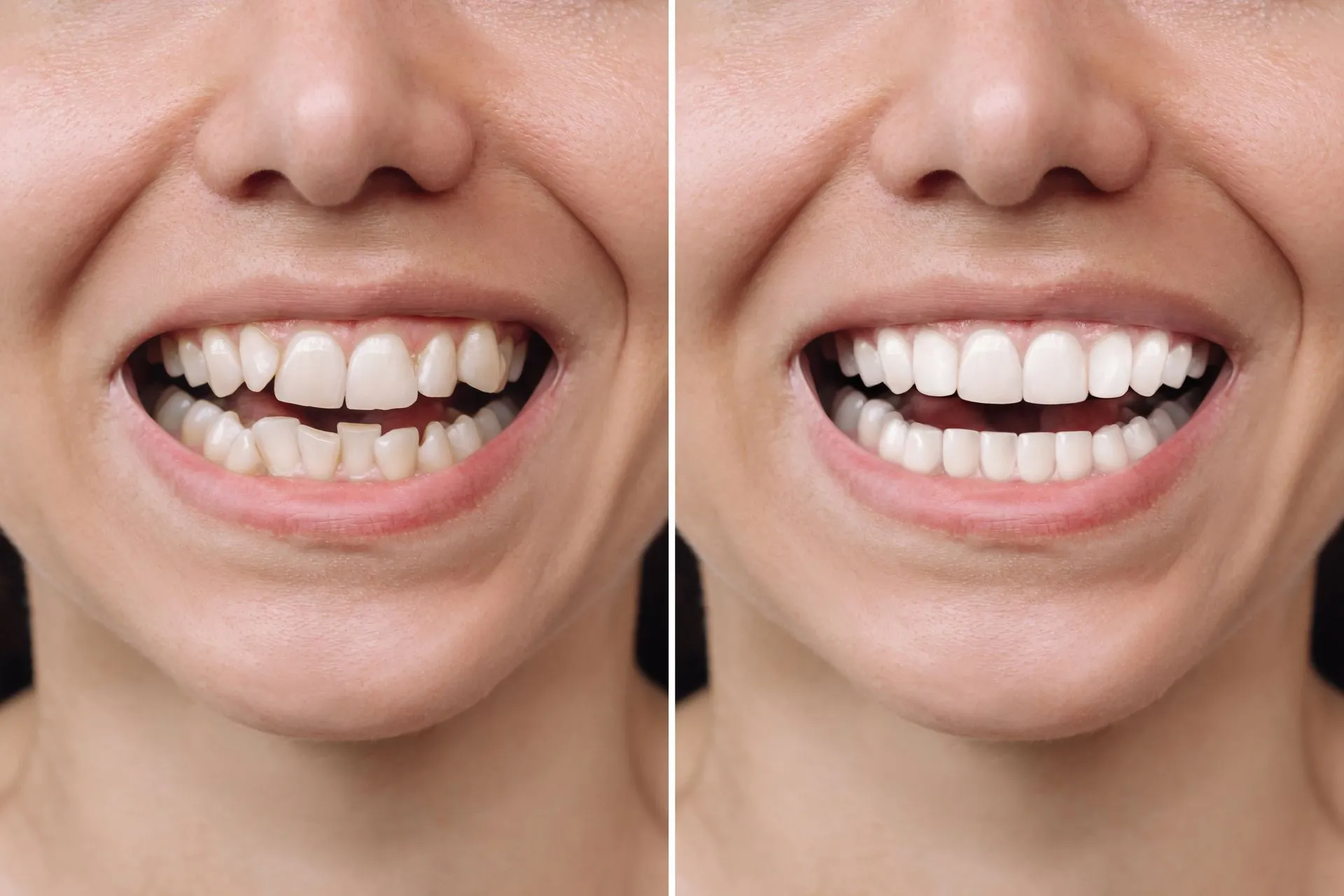
These are the main problems that dental veneers aim to correct:
Small gaps between the teeth (diastemas);
Changes in shade;
Stains on the dentition;
Chips and/or wear marks;
Irregular texture;
Minor misalignments.
What are the advantages of dental veneer treatment?
Currently, the placement of dental veneers has become an excellent procedure compared to other treatments, such as crowns, bridges, or implants.
But what are its advantages?
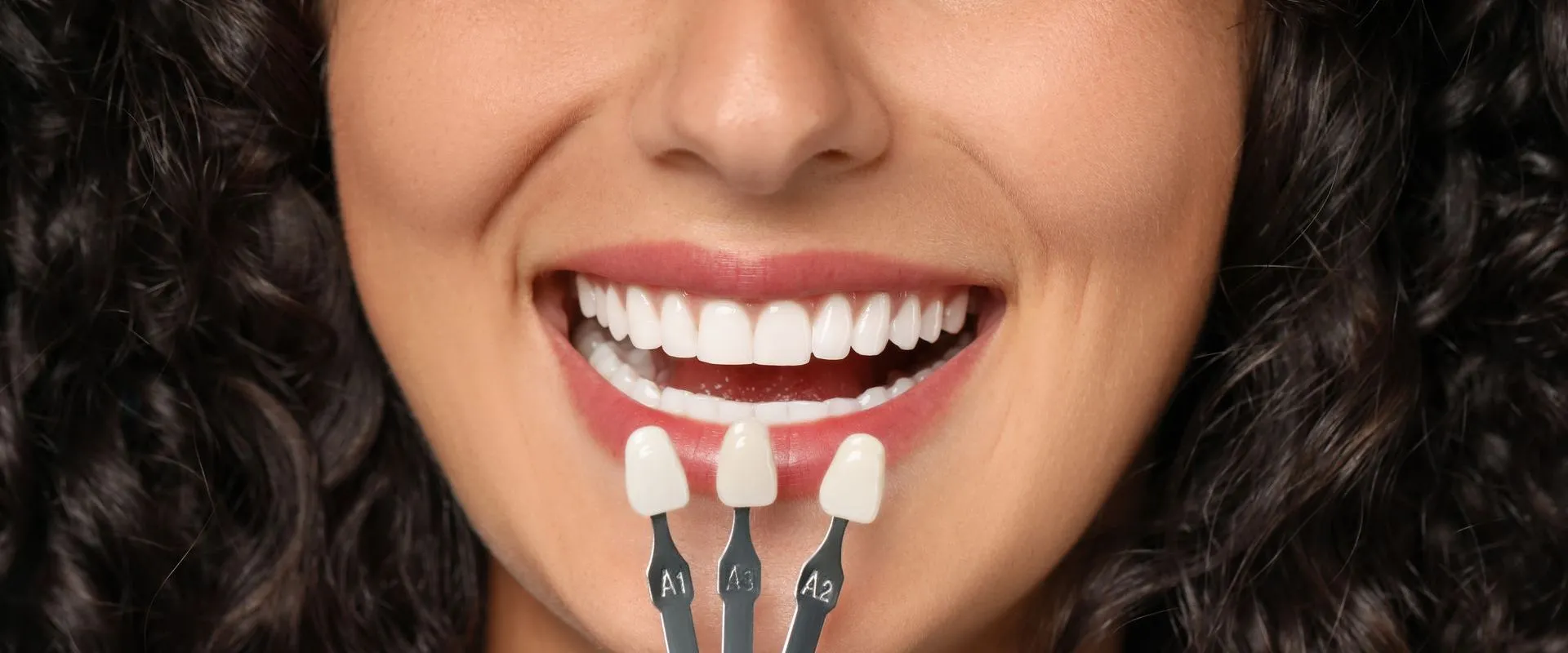
Allow a high degree of customization: each veneer is designed according to the characteristics of each patient, ensuring it fits perfectly with the dentition. This way, the result appears as natural as possible, making it indiscernible from the other natural teeth.
Have great durability: due to their high resistance, dental veneers tend to last about 10 to 15 years.
Correct functional problems: dental veneers can be a solution for various conditions, such as teeth resistant to bleaching, morphological modifications (such as interproximal spaces or misaligned teeth), teeth with extensive fractures or teeth with enamel loss due to erosion or wear. Therefore, the benefits of their use go far beyond aesthetic effects.
Their approach is minimally invasive: another advantage of this procedure is its minimally invasive approach since the placement of the veneer involves minimal wear of the tooth surface. Before starting treatment, the patient can visualize the final result through a mock-up, allowing them to test and approve it at a very early stage of treatment.
Dental Veneer Placement Process
The dental veneer placement process consists of four stages, which can extend over a few days or weeks. This is a process in which the patient actively participates, so that the final result meets their expectations. Here are the four steps involved in the treatment:
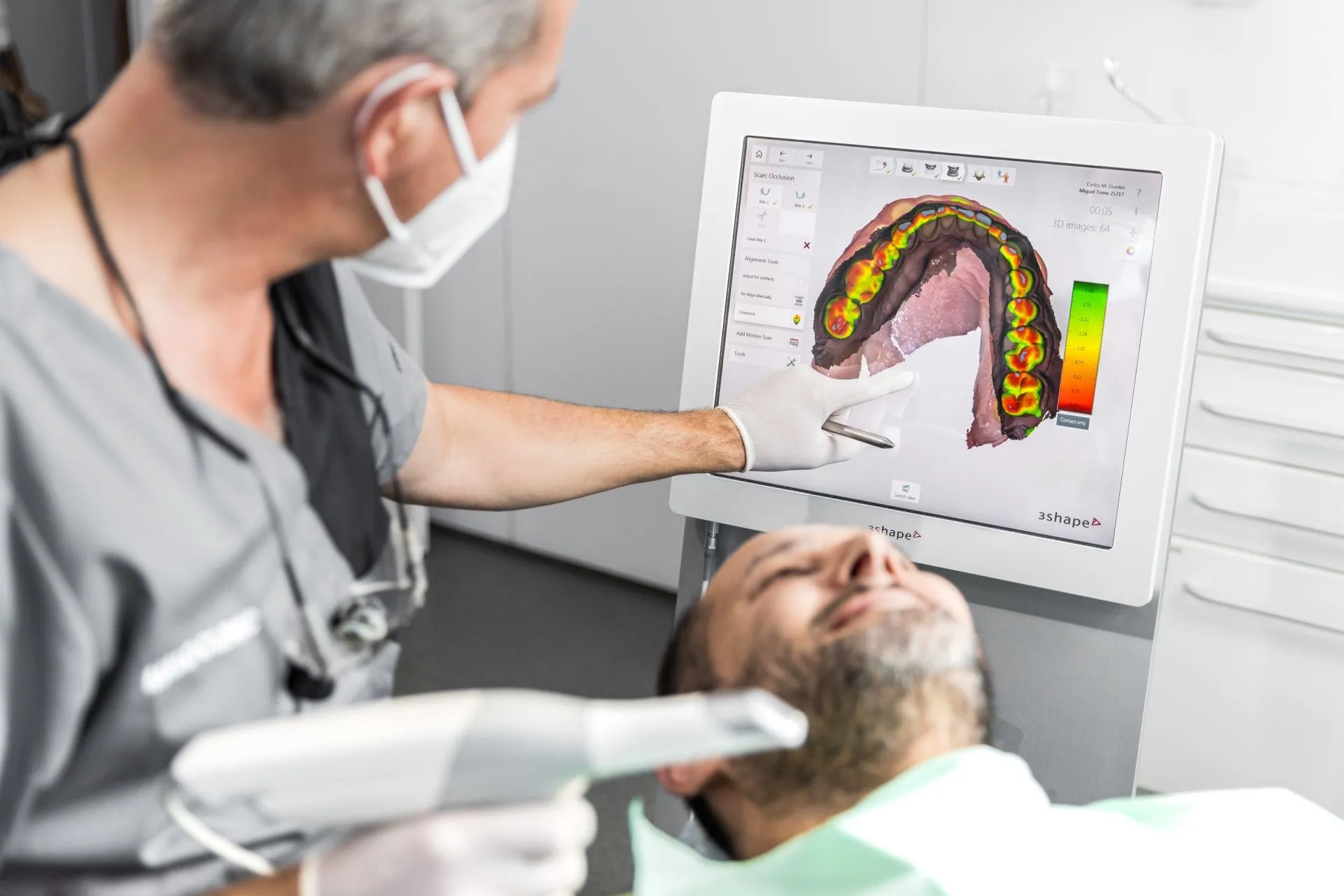
Evaluation and Diagnosis: as it is a personalised treatment, it is essential at the first stage to evaluate the clinical condition of the patient by analysing the status of their oral structures – that is, their facial bones, teeth, and gums – as well as the dental characteristics to be corrected. In addition, it is necessary to understand from the outset the patient’s expectations regarding the outcome of the dental veneer procedure.
Treatment Planning: with the information obtained from the initial evaluation, parameters such as colour, size, and structure of the veneer are defined, creating a model of the final result for the patient to try and see before its definitive placement. If this model is approved, the veneer will be produced in the laboratory.
Tooth Preparation: before proceeding with the attachment of the dental veneers, it may be necessary to carry out some oral health procedures, such as cavity treatment or the tartar removal of some teeth. In certain cases, slight abrasion of the dental enamel surface may also be required to accommodate the space that the veneer will occupy and to facilitate its attachment.
Fixation of the Dental Veneers to the Teeth: finally, the dental veneers are attached to the teeth, cemented with specific substances through a painless and minimally invasive procedure. Subsequently, follow-up appointments should be conducted to monitor the results and assess the patient's satisfaction.
How to Ensure the Durability of Dental Veneers? Post-Treatment Tips
For the treatment to be successful in the long term, it is essential to protect the teeth and, naturally, the placed veneers. To this end, we provide some behaviours to adopt to keep the smile healthy:
Maintain oral hygiene habits, brushing teeth at least twice a day and using a soft-bristle toothbrush, to avoid wearing down the teeth and veneers;
Use dental floss;
Use non-abrasive toothpastes to better protect the dental layer;
Avoid foods and drinks that stain the teeth, such as coffee, red wine, or berries;
Keep regular appointments with the dentist or oral hygienist to monitor treatment results and maintain dental hygiene.