Bruxism
Crossbite
Tartar
Cavity
Dental Abscess
Cold Sore
Aphthae
Xerostomia
Gingivitis
Periodontitis
Jaw or Orofacial Pain
Bruxism
Crossbite
Tartar
Cavity
Dental Abscess
Cold Sore
Aphthae
Xerostomia
Gingivitis
Periodontitis
Jaw or Orofacial Pain
Bruxism
Crossbite
Tartar
Cavity
Dental Abscess
Cold Sore
Aphthae
Xerostomia
Gingivitis
Periodontitis
Jaw or Orofacial Pain
Oral Hygiene
Fundamental for the prevention of oral health.
About the specialty of Oral Hygiene
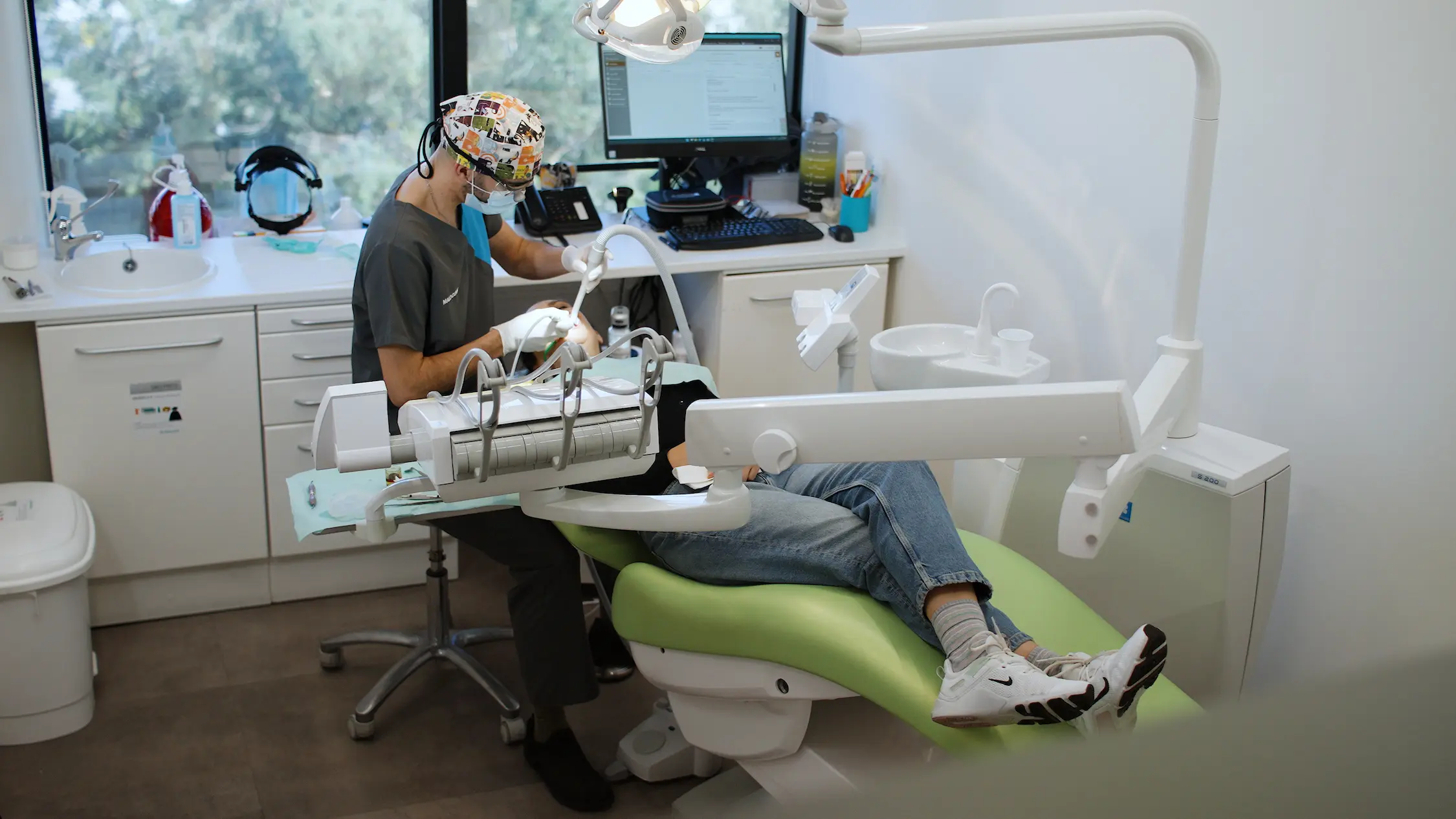
Oral Hygiene is an essential area of Dentistry, focused on the prevention, diagnosis, and treatment of oral diseases, and is also fundamental for the maintenance of treatments performed in other specialties, through regular tartar removal.
At MALO CLINIC, the oral hygiene appointment lasts about 1 hour and includes a detailed assessment of the teeth and gums, followed by a professional cleaning to remove bacterial plaque and tartar. We use the GBT – Guided Biofilm Therapy protocol, a modern, minimally invasive and painless approach that eliminates biofilm, tartar, and stains with high comfort, even in patients with dental sensitivity.
Benefits of Oral Hygiene
1
1
Oral and General Health Prevention
The symptoms of a lack of proper Oral Hygiene routine can impact health and overall quality of life. There are other systemic problems that may arise or worsen due to a lack of oral hygiene care or dental cleaning, namely: diabetes, pulmonary problems or heart issues.
2
2
Oral Cancer Tracking
Tracking for the identification of signs and symptoms associated with oral cancer, such as the presence of white or reddish spots, more or less rigid masses, sores, or ulcers that do not heal.
3
3
Maintenance of Treatments
All preventive and therapeutic procedures carried out during these consultations contribute to the longevity of previous treatments such as crowns, bridges, restorations, orthodontic appliances, and devitalizations.
4
4
Enduring Smile
The oral hygiene check-up allows for prolonging a healthy smile by preventing the appearance of pathologies such as gingivitis or periodontal disease that could compromise the function and aesthetics of the smile.

At MALO CLINIC, your oral health is our priority.
Our clinical team is here to help you.
Airflow
Airflow
Airflow
Airflow
Innovation and Technology applied to Oral Hygiene
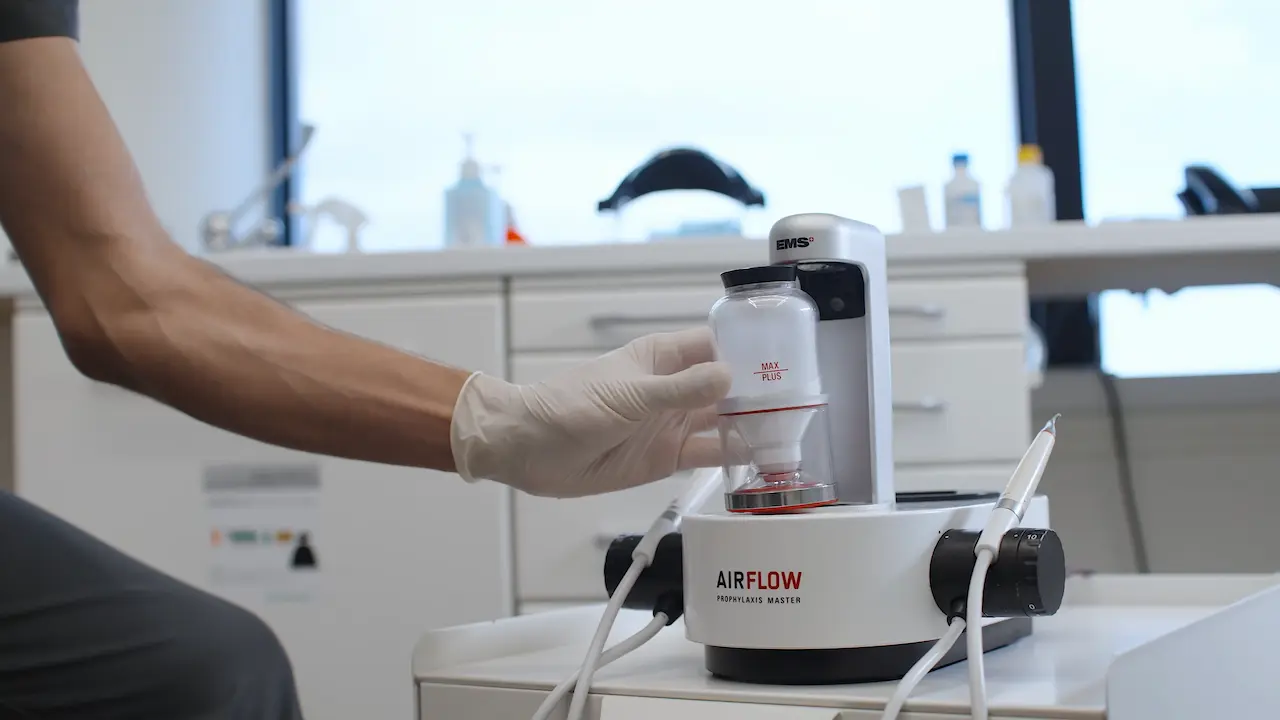
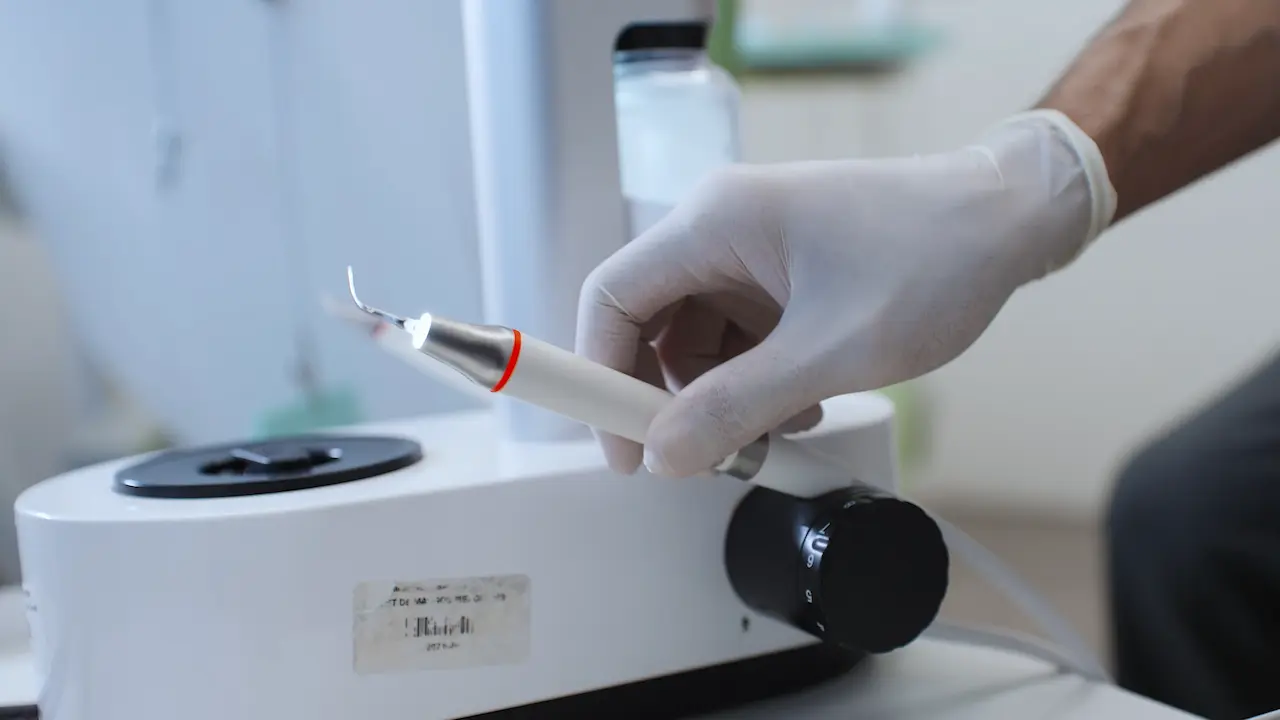
At MALO CLINIC, we use the latest GBT - Guided Biofilm Therapy protocol, which provides a minimally invasive and painless experience, ensuring the removal of bacterial plaque, tartar, and stains from the teeth.
After an examination and diagnosis of the oral cavity, an organic dye is applied to the teeth that exposes the biofilm, that is, the bacteria that settle in the oral cavity and allows the oral hygienist to check which areas need more attention from the patient in their daily oral hygiene.
Then, using Airflow technology, the biofilm and stains on the teeth are removed through a gentle stream of air and warm water. The oral hygiene team at MALO CLINIC also has the latest Digital X-Ray tools, used whenever it is necessary to confirm a diagnosis, especially regarding cavities.
Airflow
Airflow
Innovation and Technology applied to Oral Hygiene
At MALO CLINIC, we use the latest GBT - Guided Biofilm Therapy protocol, which provides a minimally invasive and painless experience, ensuring the removal of bacterial plaque, tartar, and stains from the teeth.
After an examination and diagnosis of the oral cavity, an organic dye is applied to the teeth that exposes the biofilm, that is, the bacteria that settle in the oral cavity and allows the oral hygienist to check which areas need more attention from the patient in their daily oral hygiene.
Then, using Airflow technology, the biofilm and stains on the teeth are removed through a gentle stream of air and warm water. The oral hygiene team at MALO CLINIC also has the latest Digital X-Ray tools, used whenever it is necessary to confirm a diagnosis, especially regarding cavities.
Clinical Cases
Real cases that demonstrate a rigorous clinical approach, focusing on the recovery of function, aesthetics, and quality of life.
The disclosure of cases was expressly authorized by the patients who unreservedly consented to their public exposure, as the disclosed informational elements are objectively true and can thus contribute to the free and informed choice of other patients.
The disclosure of cases was expressly authorized by the patients who unreservedly consented to its public publication, as the disclosed informative elements are objectively true and can thus contribute to the free and informed choice of other patients.
What pathologies can the Oral Hygiene specialty treat?
Bacterial Plate
When not regularly removed, dental plaque is one of the main causes of tooth decay and periodontal disease (gingivitis and periodontitis). It can also contribute to unpleasant bad breath.
When not regularly removed, dental plaque is one of the main causes of tooth decay and periodontal disease (gingivitis and periodontitis). It can also contribute to unpleasant bad breath.
Tartar
Tartar creates an irregular surface on the teeth where plaque can accumulate more easily if dental cleaning is not performed, increasing the risk of periodontal disease (gum disease).
Tartar creates an irregular surface on the teeth where plaque can accumulate more easily if dental cleaning is not performed, increasing the risk of periodontal disease (gum disease).
Stains on the Teeth
When the teeth have stains or color changes that can affect the aesthetics of the smile. Oral Hygiene addresses superficial stains such as those from tobacco, coffee, tea, and wine.
When the teeth have stains or color changes that can affect the aesthetics of the smile. Oral Hygiene addresses superficial stains such as those from tobacco, coffee, tea, and wine.
Clinical Team
Clinical Team
An experienced and qualified medical team, dedicated to safe, personalized, and patient-centered clinical support.
An experienced and qualified medical team, dedicated to safe, personalized, and patient-centered clinical support.
Ana Cardador

Ana Rita Duarte
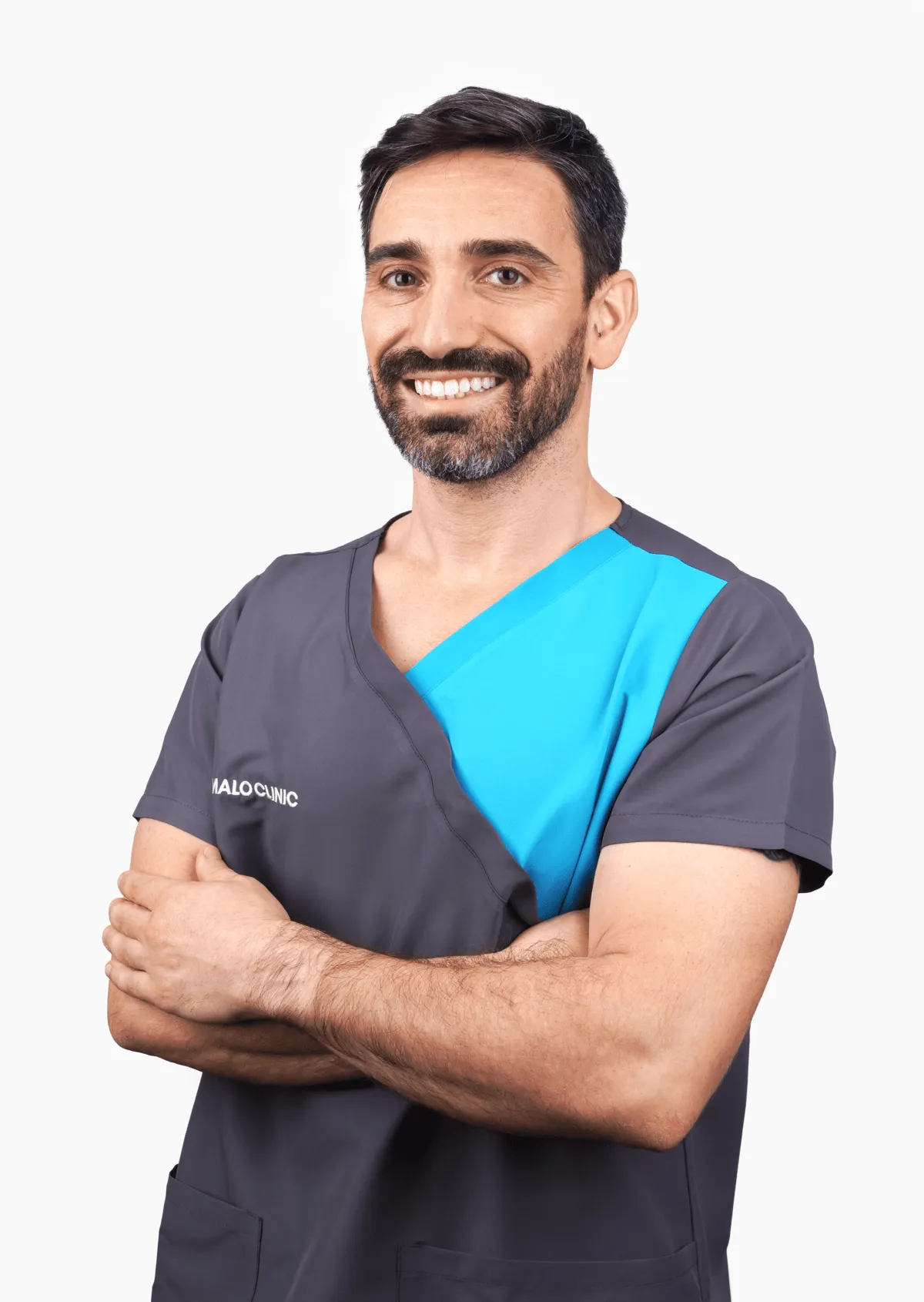
André Sousa
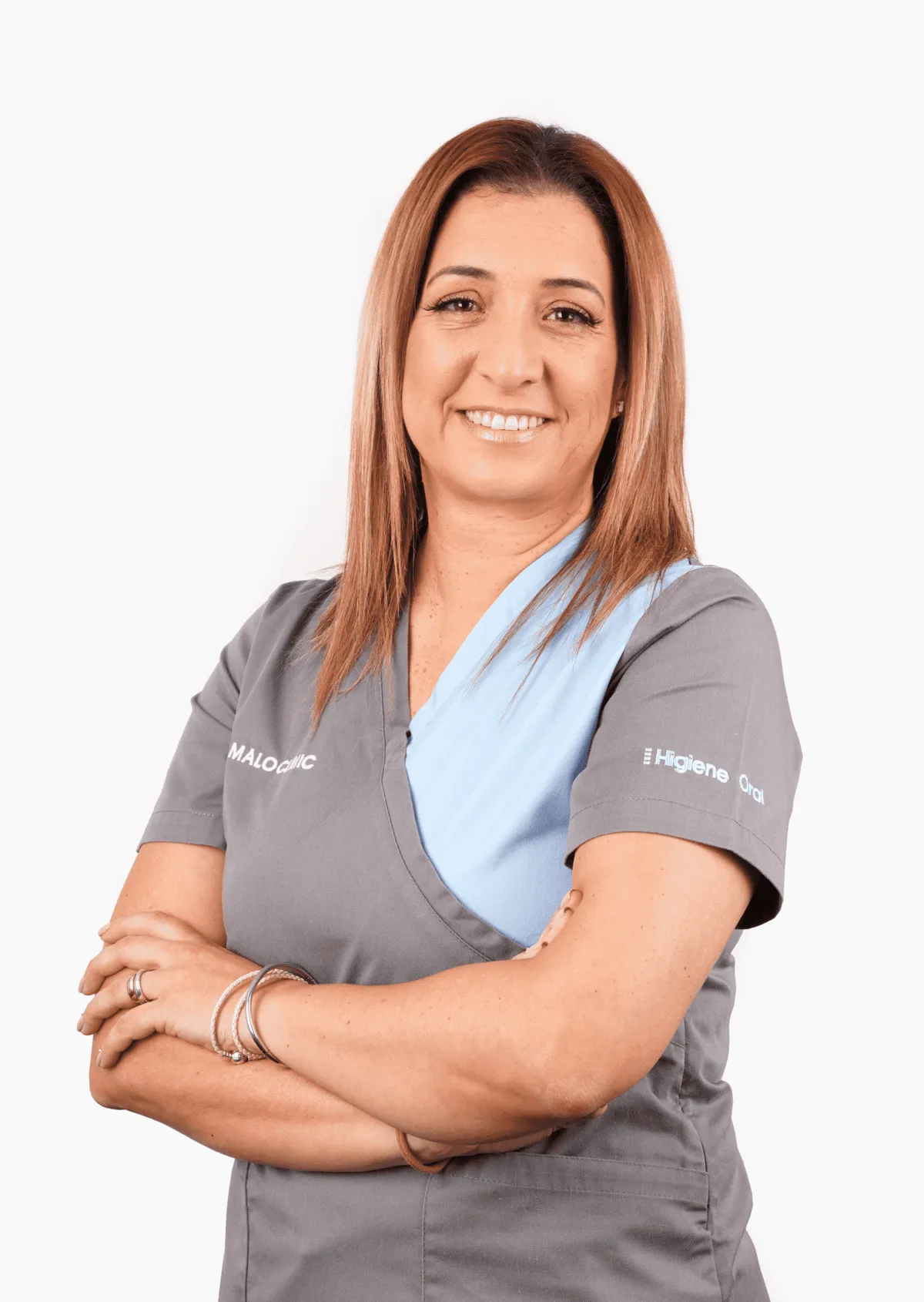
Claudia Nobre
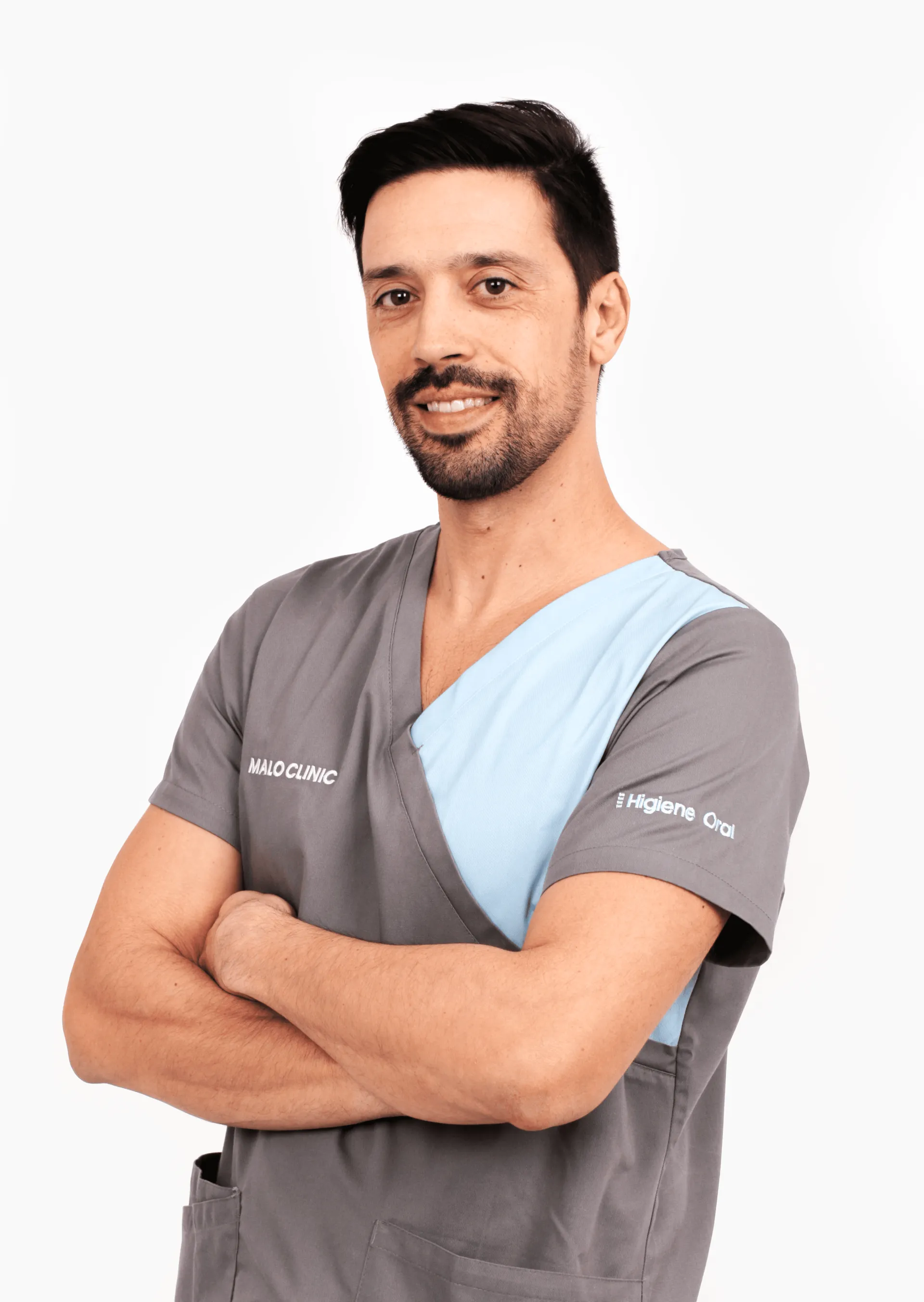
Daniel Oliveira
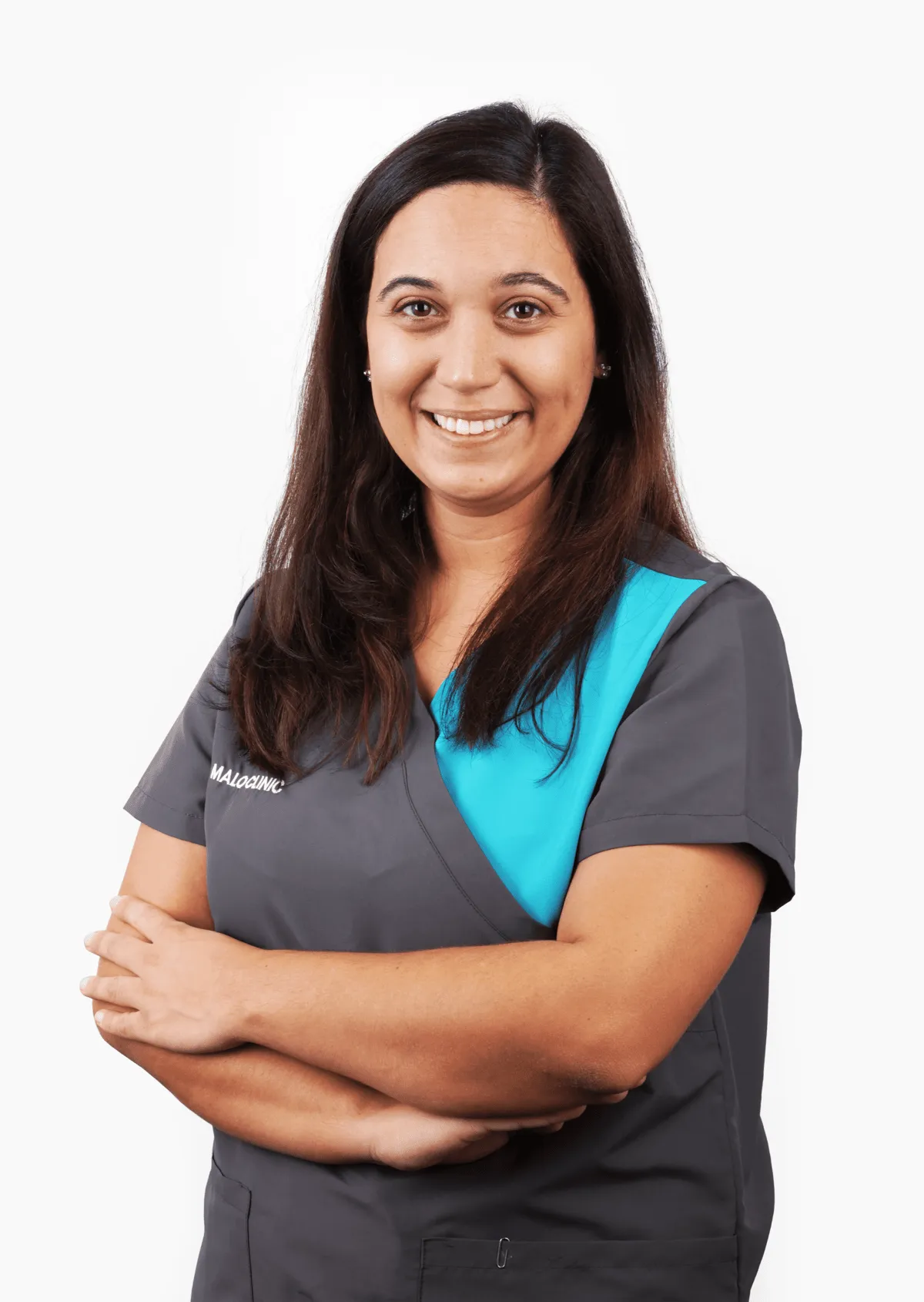
Daniela Rodrigues
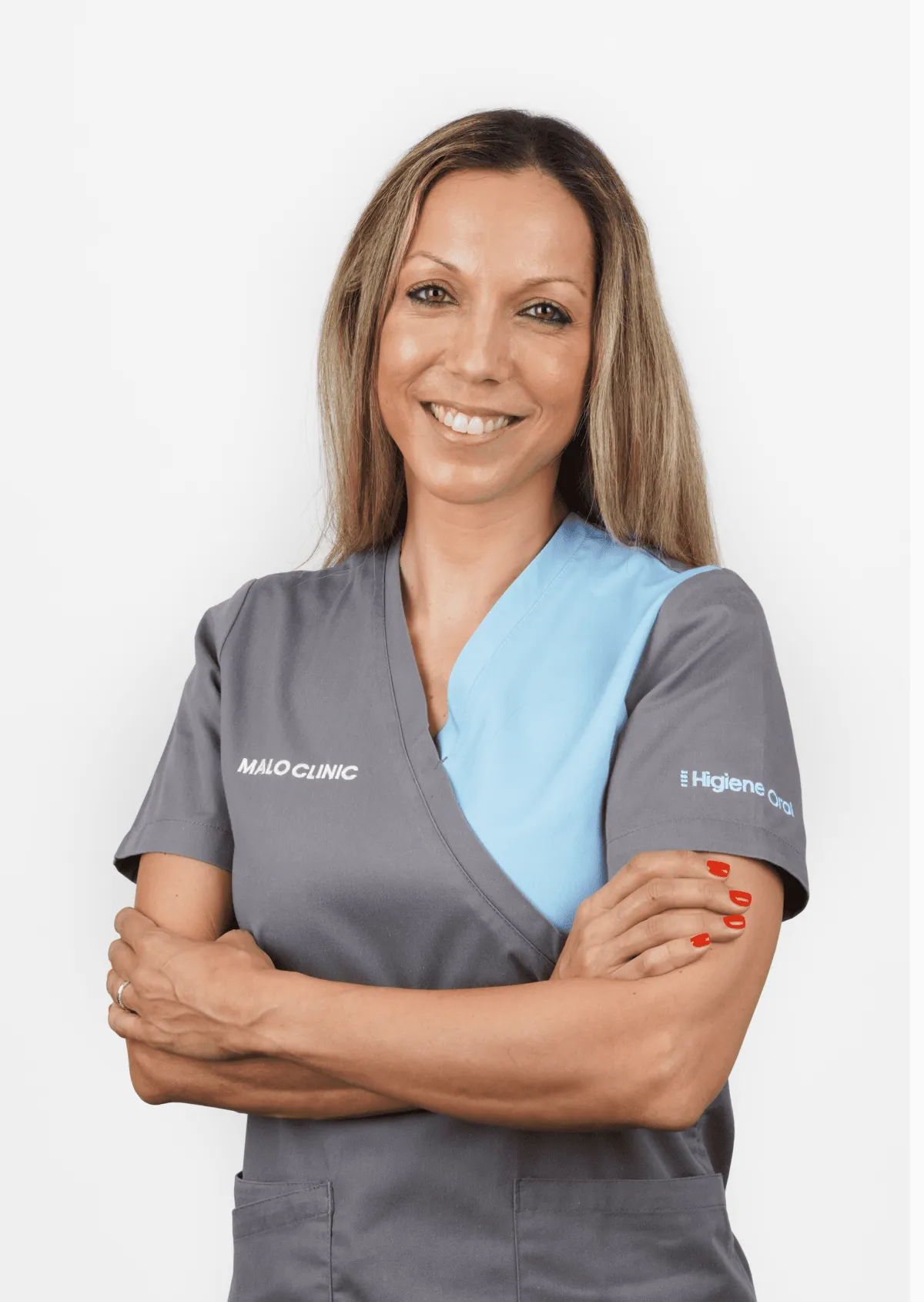
Elsa Antunes
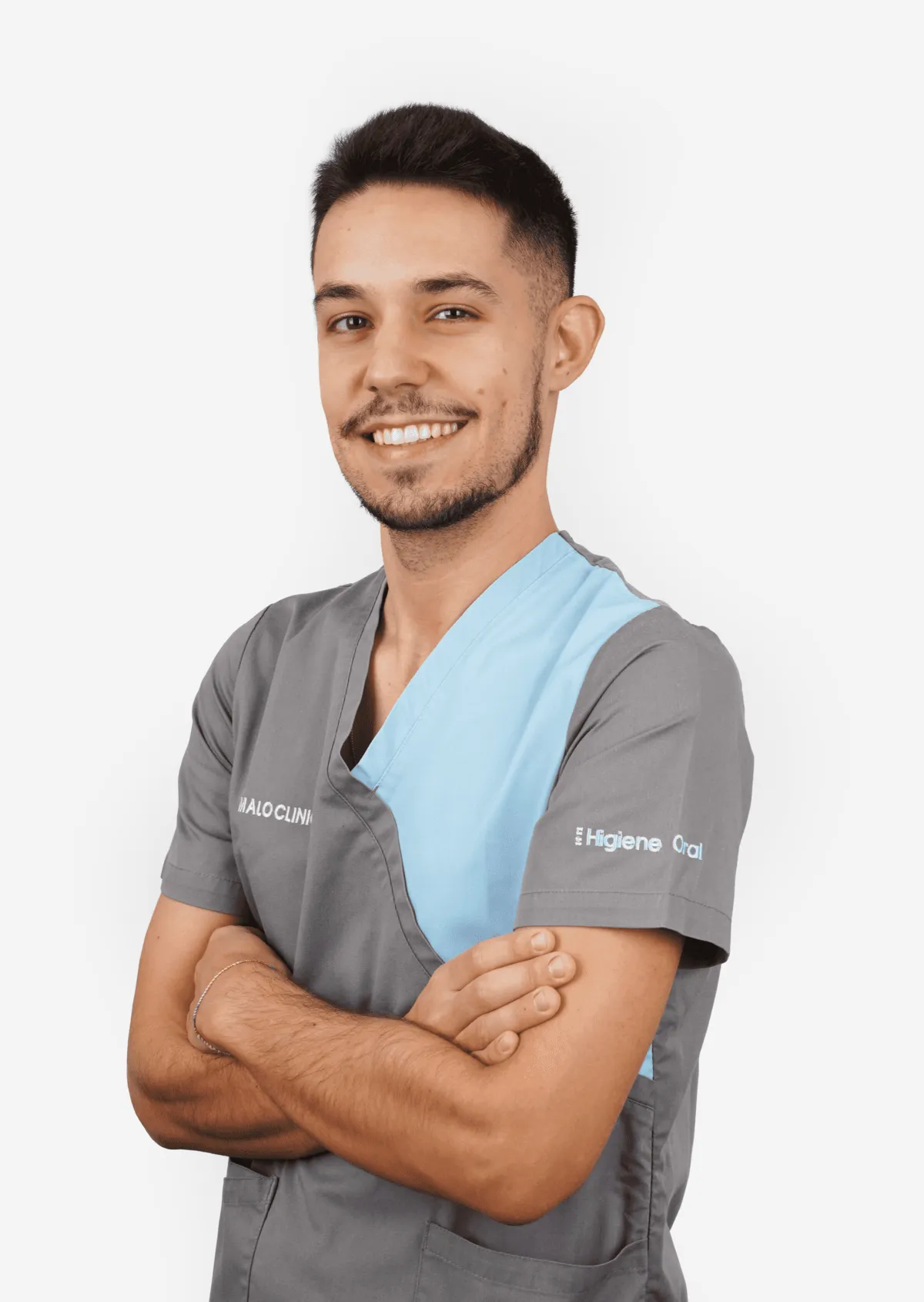
Gonçalo Heitor
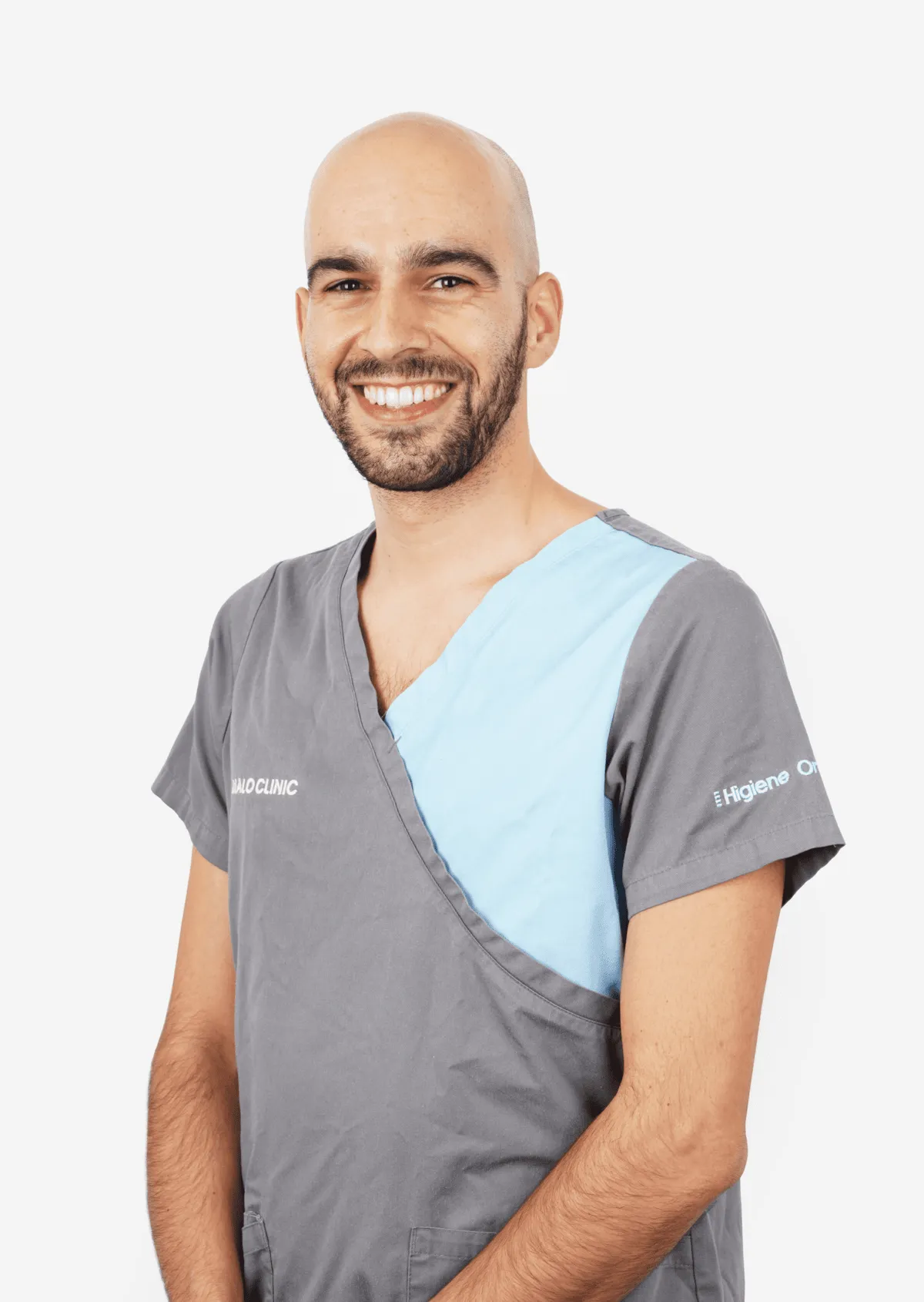
Gonçalo Parreira
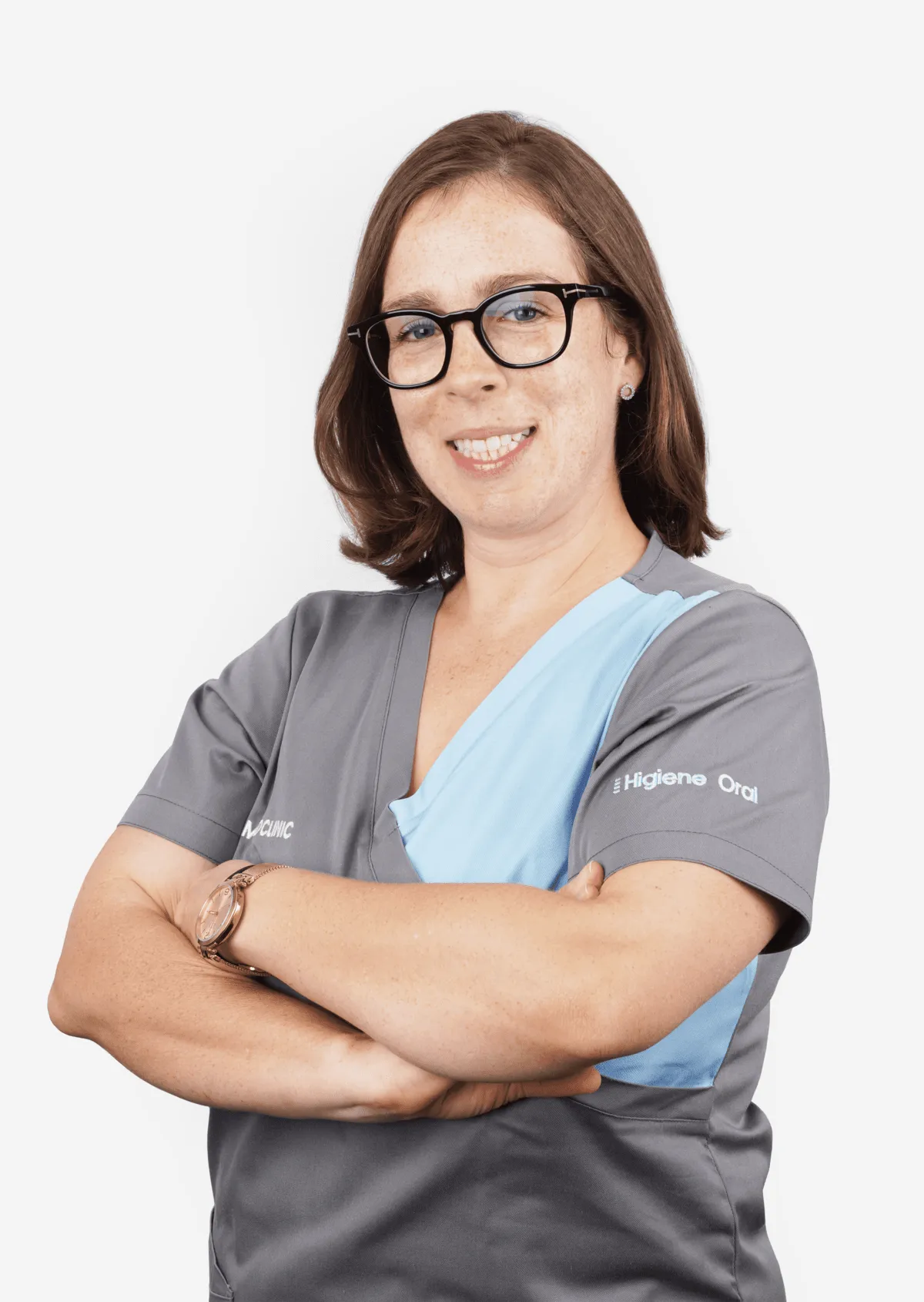
Inês Gonçalves
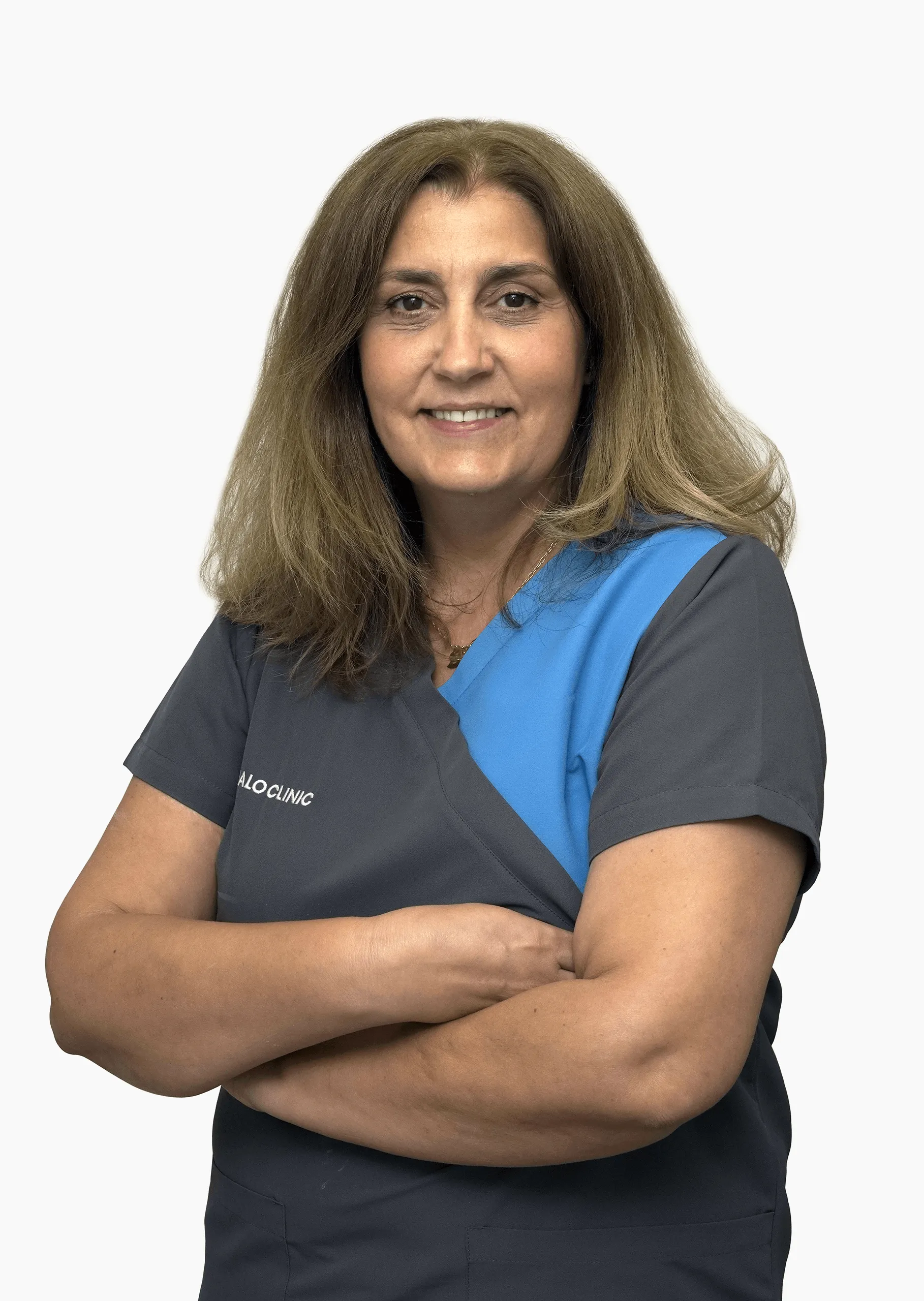
Isabel Silva
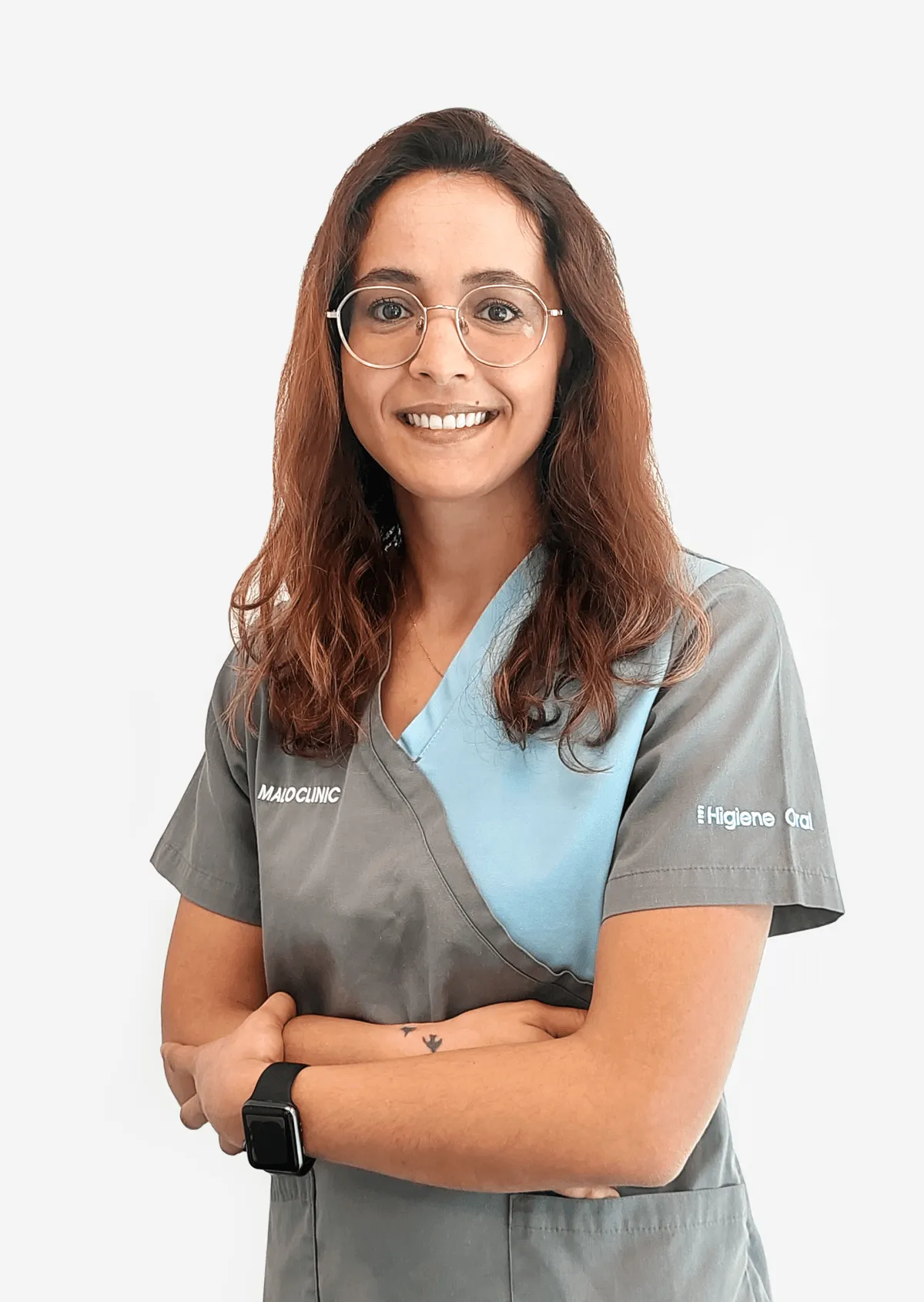
Joana Augusto

Manuela Castro
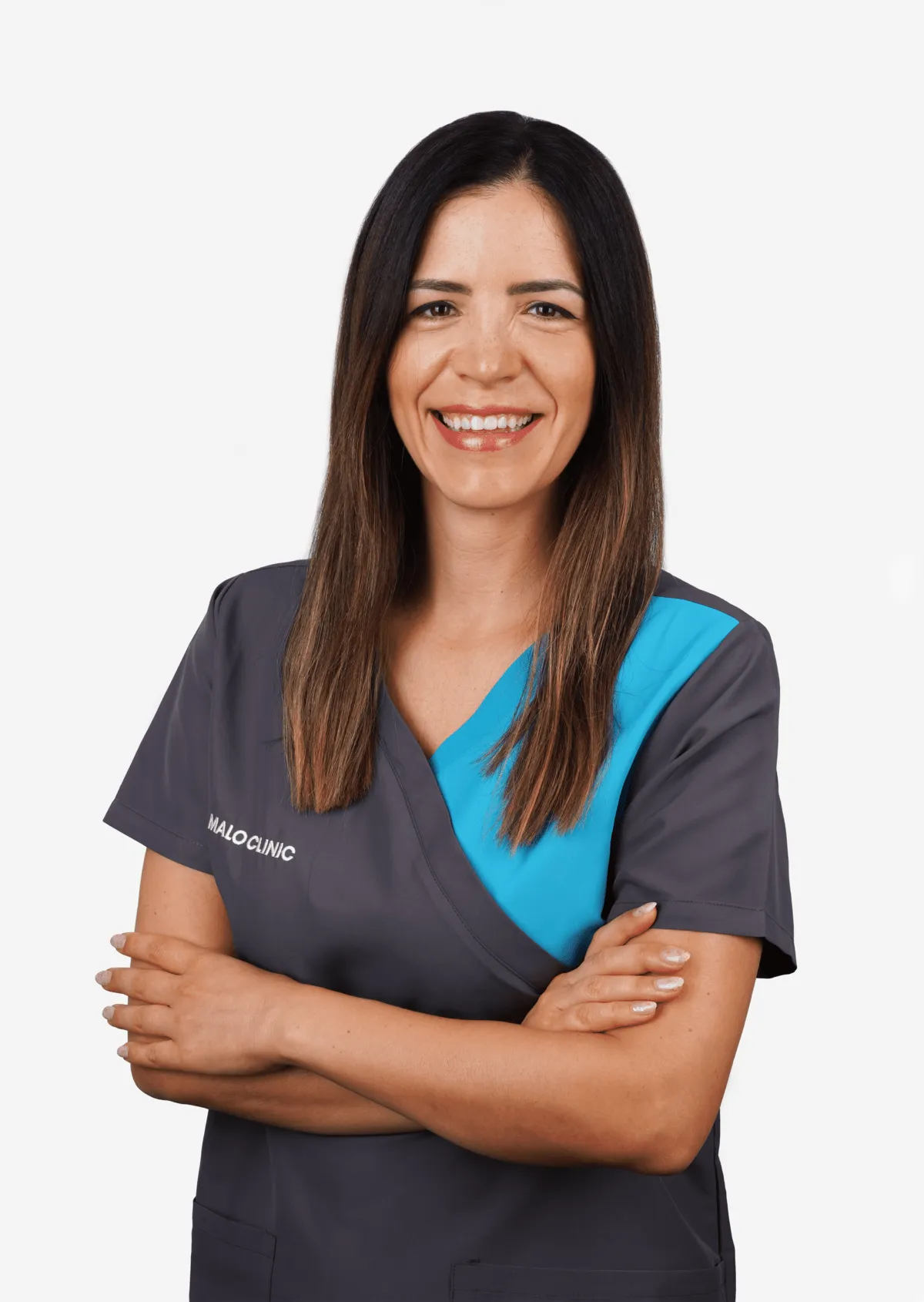
Maria Alves
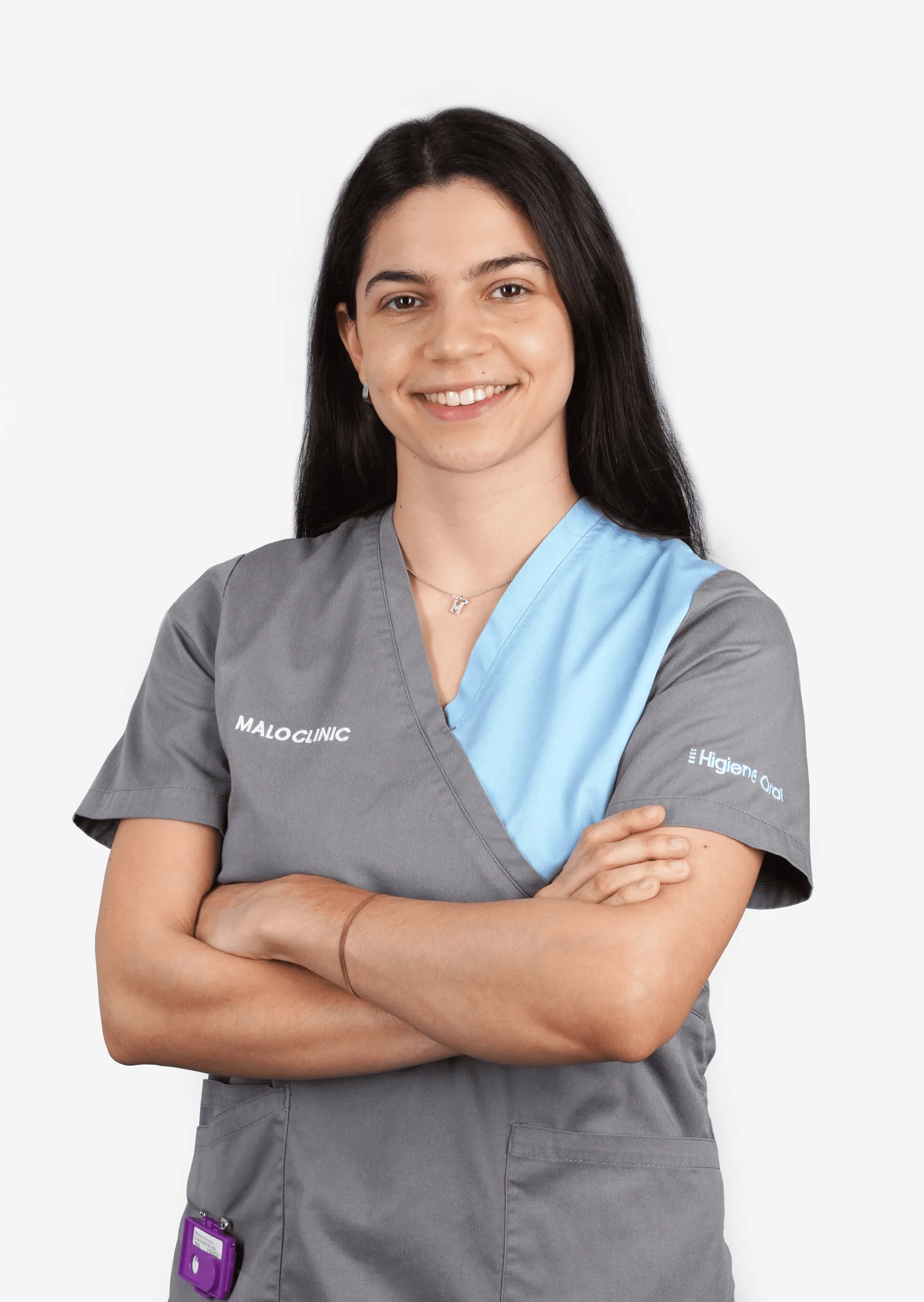
Mariana Oliveira
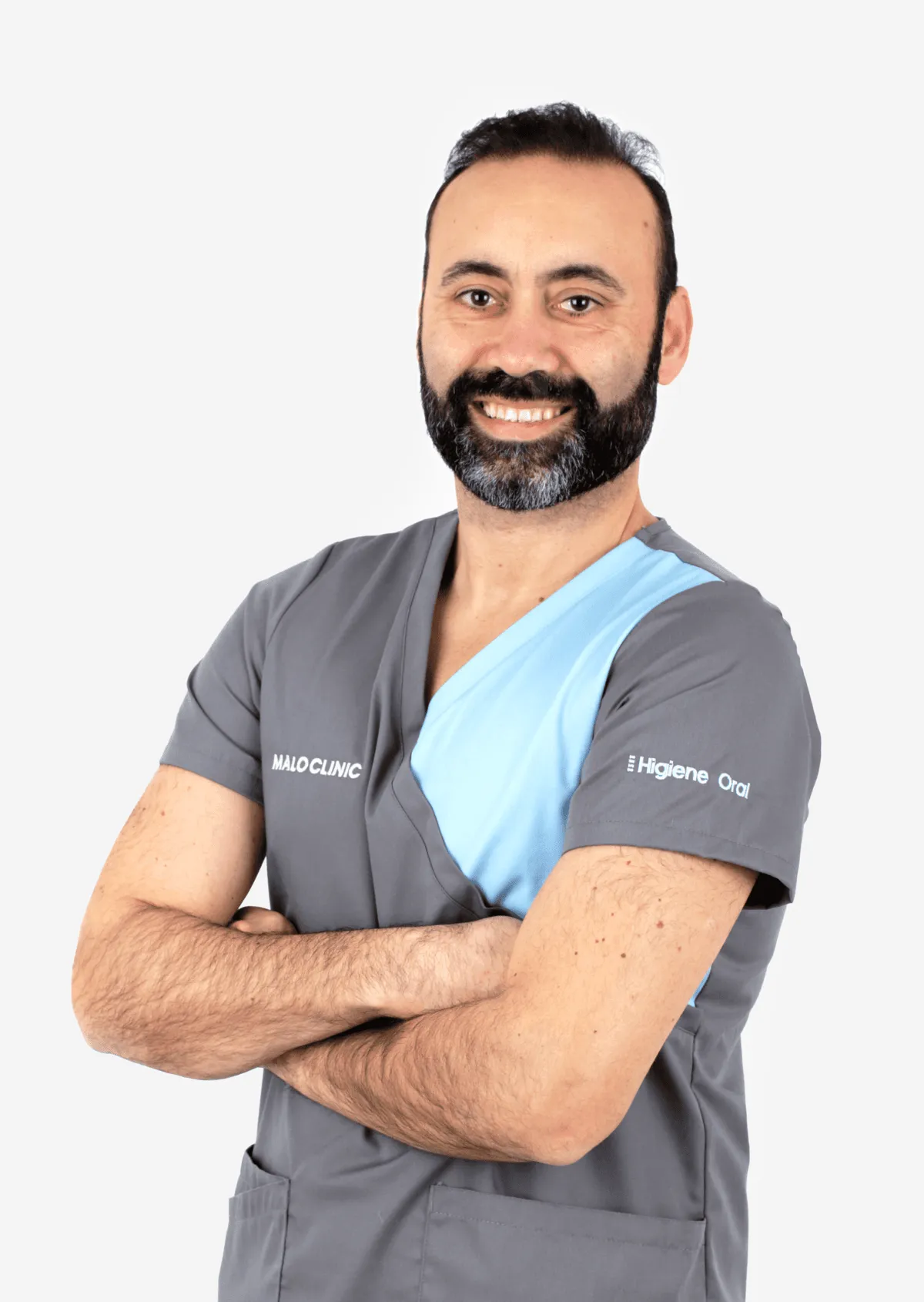
Miguel de Araújo Nobre

Raquel Simões

Susana Barrote

Susana Helena
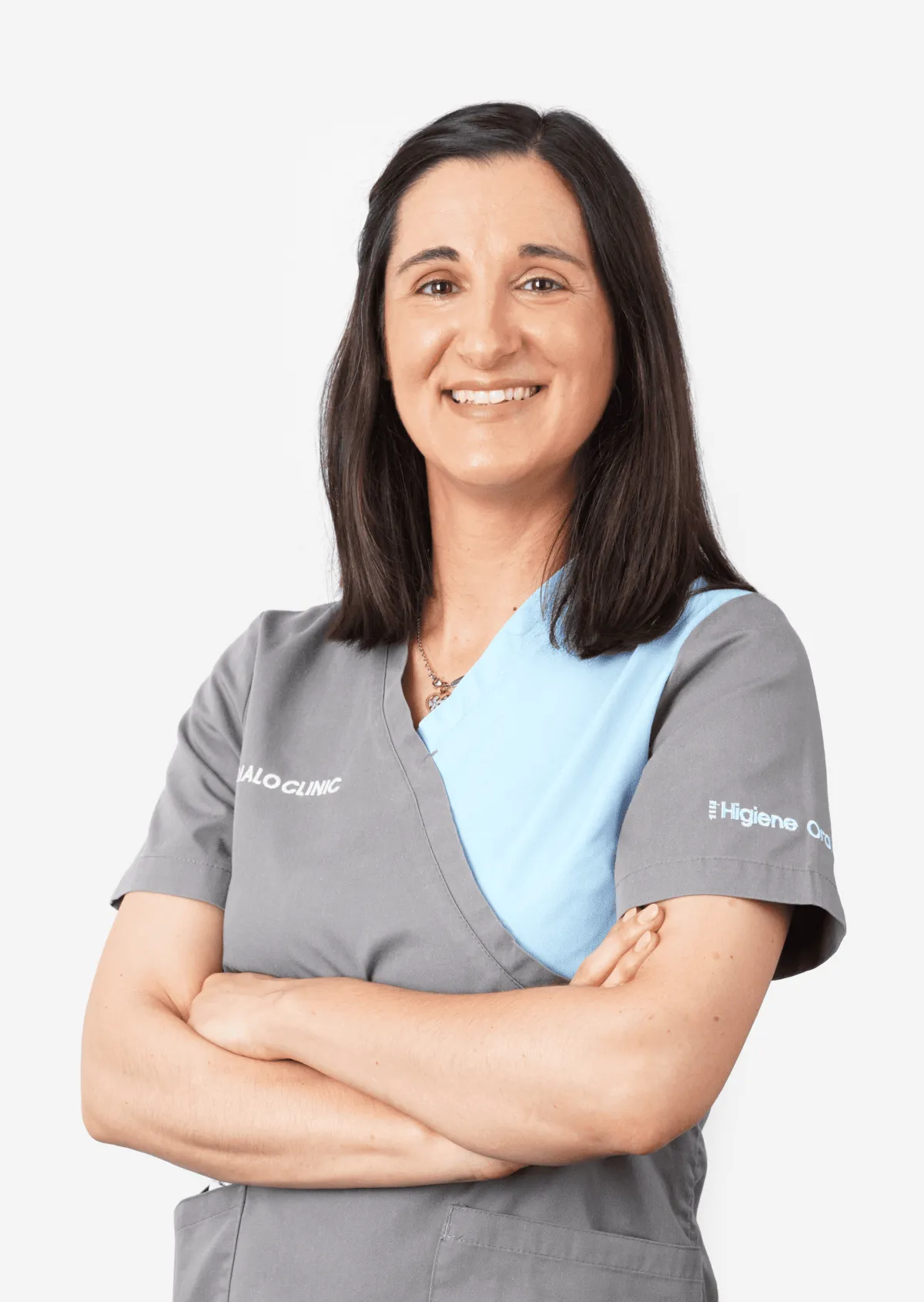
Vânia Pereira
Ana Cardador
Ana Rita Duarte
André Sousa
Claudia Nobre
Daniel Oliveira
Daniela Rodrigues
Elsa Antunes
Gonçalo Heitor
Gonçalo Parreira
Inês Gonçalves
Isabel Silva
Joana Augusto
Manuela Castro
Maria Alves
Mariana Oliveira
Miguel de Araújo Nobre
Raquel Simões
Susana Barrote
Susana Helena
Vânia Pereira
Agreements and Partnerships
MALO CLINIC has agreements and partnerships that make it easier to access treatment, under specific conditions defined by each entity. You can also choose payment facilities depending on the type of treatment.




Agreements and Partnerships
MALO CLINIC has agreements and partnerships that make it easier to access treatment, under specific conditions defined by each entity. You can also choose payment facilities depending on the type of treatment.
Agreements and Partnerships
MALO CLINIC has agreements and partnerships that make it easier to access treatment, under specific conditions defined by each entity. You can also choose payment facilities depending on the type of treatment.
Frequently Asked Questions
1
I have implants, should I have oral hygiene consultations?
At MALO CLINIC, maintenance plays a fundamental role in the rehabilitation protocol with implants. During regular maintenance appointments for implants, all implant-supported structures are removed, whether they are single crowns, bridges, or fixed total prostheses on implants. Next, the stability of the implants is assessed, and if necessary, radiological examinations are carried out to certify their stability, with mechanical and/or manual scaling performed, as well as polishing of the structures that are reinserted at the end of the appointment.
2
What care should be part of my oral hygiene routine?
To ensure a routine of oral hygiene, there are certain care procedures that must be maintained:
Brush your teeth at least twice a day
This is a fundamental process to eliminate the bacterial plaque that accumulates on the surface of the teeth throughout the day. By brushing your teeth, the likelihood of cavities and other dental complications decreases;
Use dental floss
Although often ignored, the use of dental floss when brushing your teeth is essential for ensuring a thorough oral hygiene routine, as it allows for the removal of bacterial plaque and debris accumulated in between the teeth;Maintain a healthy and balanced diet
Everything we consume impacts our oral hygiene. In this case, some foods have a more negative impact, particularly very acidic or sugar-rich foods, as they promote the erosion of dental enamel, leaving the teeth more exposed to dental complications like cavities;Visit the dentist/oral hygienist regularly
Even if all the care mentioned above is maintained, it is important to visit your dentist or oral hygienist regularly to check the condition of your oral cavity. These visits should be made once every 6 months, or whenever you feel discomfort.
3
Do hard brushes help to clean teeth better?
Hard brushes do not clean teeth better, nor is it necessary to apply a lot of friction or pressure with the brush when cleaning the teeth.
4
Will I feel pain during the dental cleaning?
No. Our cabinets are equipped with the latest technology (airflow) which minimises discomfort, even if you suffer from tooth sensitivity.
5
How often should I have a dental cleaning?
It is recommended every 6 months, but it may vary according to the needs of each patient (e.g.: those with periodontitis may require more frequent cleanings).
6
What is the difference between regular brushing and cleaning at the dentist's office?
Daily brushing removes surface bacterial plaque but does not eliminate tartar. Professional dental cleaning removes tartar accumulated in hard-to-reach areas.
7
Does dental cleaning replace brushing at home?
By no means. Brushing and daily flossing are essential. In-office cleaning is complementary and preventive.
1
I have implants, should I have oral hygiene consultations?
At MALO CLINIC, maintenance plays a fundamental role in the rehabilitation protocol with implants. During regular maintenance appointments for implants, all implant-supported structures are removed, whether they are single crowns, bridges, or fixed total prostheses on implants. Next, the stability of the implants is assessed, and if necessary, radiological examinations are carried out to certify their stability, with mechanical and/or manual scaling performed, as well as polishing of the structures that are reinserted at the end of the appointment.
2
What care should be part of my oral hygiene routine?
To ensure a routine of oral hygiene, there are certain care procedures that must be maintained:
Brush your teeth at least twice a day
This is a fundamental process to eliminate the bacterial plaque that accumulates on the surface of the teeth throughout the day. By brushing your teeth, the likelihood of cavities and other dental complications decreases;
Use dental floss
Although often ignored, the use of dental floss when brushing your teeth is essential for ensuring a thorough oral hygiene routine, as it allows for the removal of bacterial plaque and debris accumulated in between the teeth;Maintain a healthy and balanced diet
Everything we consume impacts our oral hygiene. In this case, some foods have a more negative impact, particularly very acidic or sugar-rich foods, as they promote the erosion of dental enamel, leaving the teeth more exposed to dental complications like cavities;Visit the dentist/oral hygienist regularly
Even if all the care mentioned above is maintained, it is important to visit your dentist or oral hygienist regularly to check the condition of your oral cavity. These visits should be made once every 6 months, or whenever you feel discomfort.
3
Do hard brushes help to clean teeth better?
Hard brushes do not clean teeth better, nor is it necessary to apply a lot of friction or pressure with the brush when cleaning the teeth.
4
Will I feel pain during the dental cleaning?
No. Our cabinets are equipped with the latest technology (airflow) which minimises discomfort, even if you suffer from tooth sensitivity.
5
How often should I have a dental cleaning?
It is recommended every 6 months, but it may vary according to the needs of each patient (e.g.: those with periodontitis may require more frequent cleanings).
6
What is the difference between regular brushing and cleaning at the dentist's office?
Daily brushing removes surface bacterial plaque but does not eliminate tartar. Professional dental cleaning removes tartar accumulated in hard-to-reach areas.
7
Does dental cleaning replace brushing at home?
By no means. Brushing and daily flossing are essential. In-office cleaning is complementary and preventive.
Book your
Appointment
Fill out the form and our team will get in touch with you to schedule your appointment.
Book your
Appointment
Fill out the form and our team will get in touch with you to schedule your appointment.
Book your
Appointment
Fill out the form and our team will get in touch with you to schedule your appointment.
We accompany each step of your clinical journey, focusing on your comfort, confidence, and smile.
THE MALO CLINIC
Talk to us
(Call to the national fixed network)
@ 2026 ALL RIGHTS RESERVED - MALO CLINIC SA NIF 503411434 ERS No. 12920
Desenvolvido por
We accompany each step of your clinical journey, focusing on your comfort, confidence, and smile.
THE MALO CLINIC
Talk to us
(Call to the national fixed network)
@ 2026 ALL RIGHTS RESERVED - MALO CLINIC SA NIF 503411434 ERS No. 12920
Desenvolvido por