Bruxism
Crossbite
Tartar
Cavity
Dental Abscess
Cold Sore
Aphthae
Xerostomia
Gingivitis
Periodontitis
Jaw or Orofacial Pain
Bruxism
Crossbite
Tartar
Cavity
Dental Abscess
Cold Sore
Aphthae
Xerostomia
Gingivitis
Periodontitis
Jaw or Orofacial Pain
Bruxism
Crossbite
Tartar
Cavity
Dental Abscess
Cold Sore
Aphthae
Xerostomia
Gingivitis
Periodontitis
Jaw or Orofacial Pain
Orthodontics
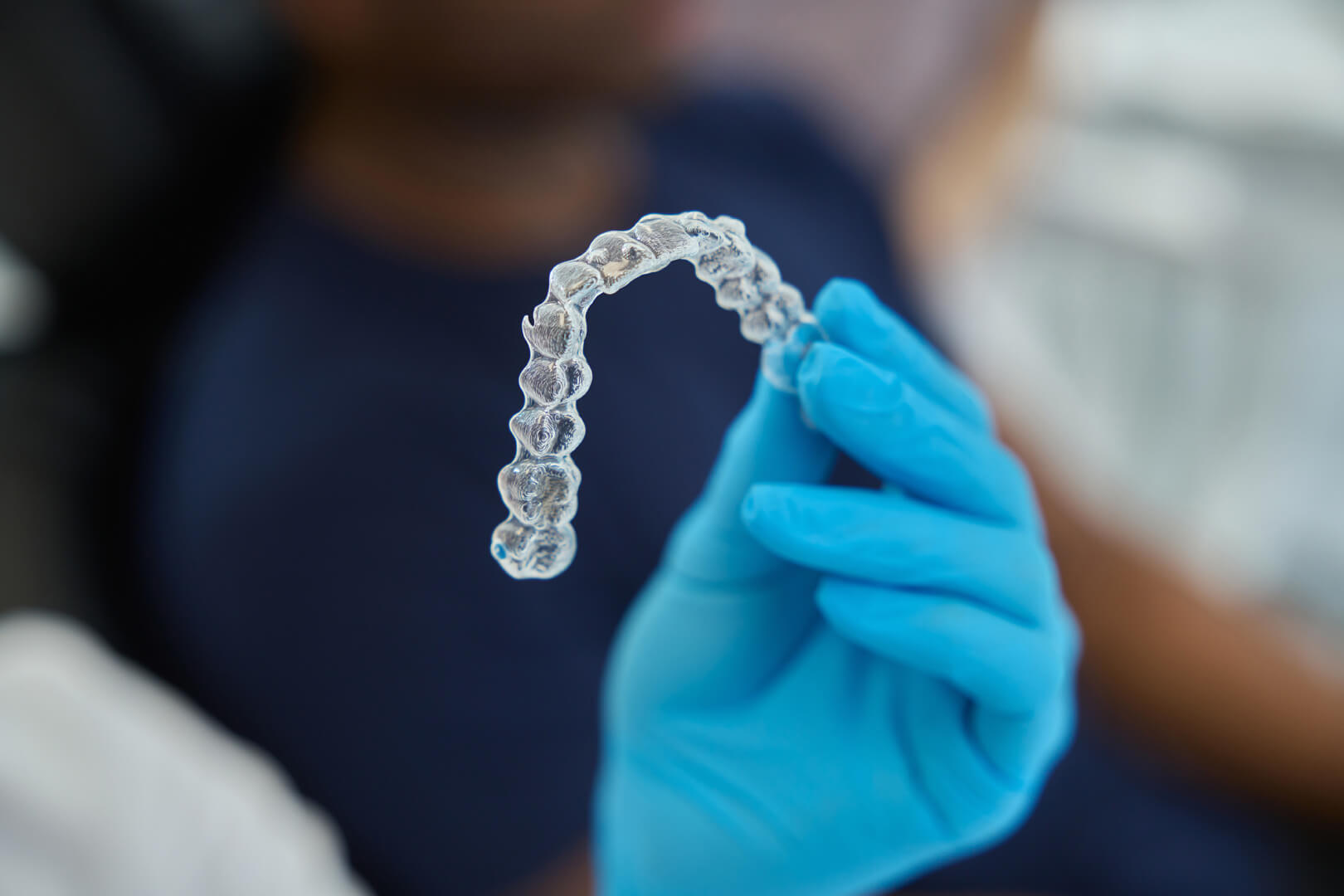
Fixed appliances, removable appliances, and dental aligners.
About the specialty of Orthodontics
Orthodontics is the specialty of Dentistry that deals with issues of dental alignment and dentofacial disharmony. Misaligned teeth hinder oral hygiene, increasing the risk of cavities and periodontal disease, and can cause muscle overload, resulting in pain in the head, neck, and shoulders.
Correction is done through fixed, removable, or virtually invisible clear aligners.
With technological advances, orthodontic treatments have become more efficient and comfortable, allowing patients of all ages to achieve a healthy and aesthetically pleasing smile.
Orthodontic Solutions - Which is best for you?
Each clinical situation is different, which is why Orthodontics offers solutions tailored to the needs of each patient.
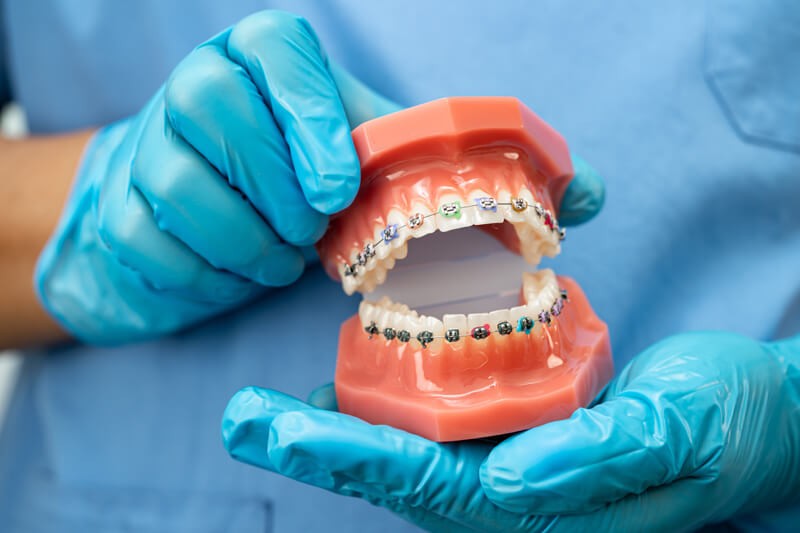
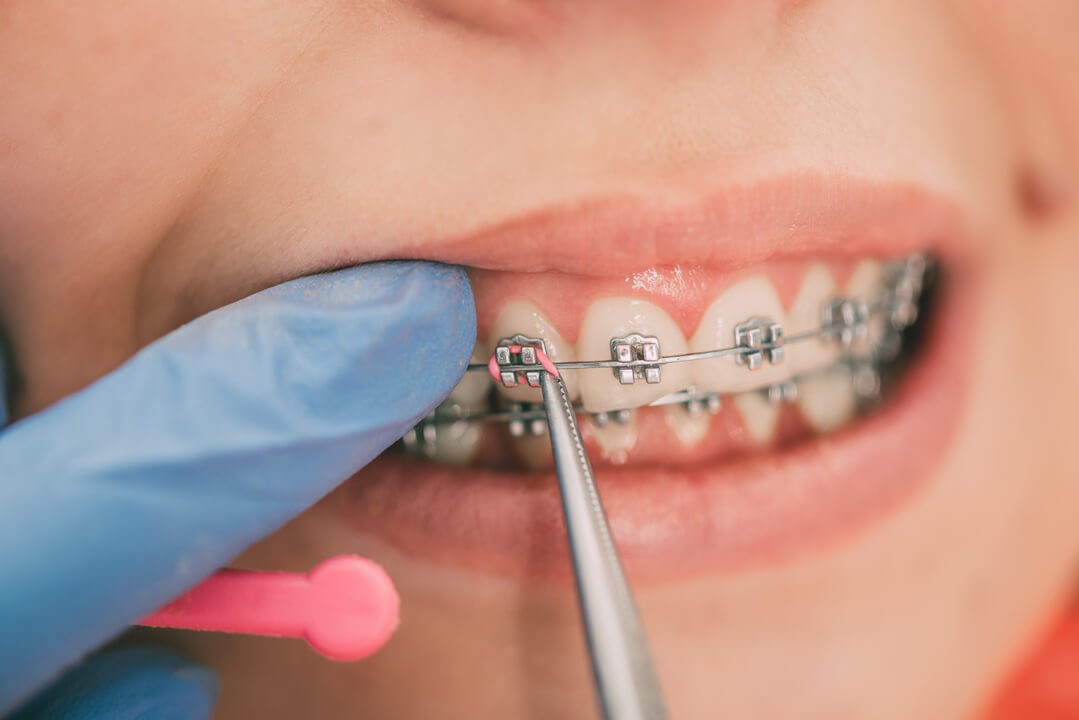
They are the most traditional orthodontic appliances and consist of brackets glued to the teeth, connected by a metal arch. They allow for very precise control of dental movements, being indicated for both simple and complex cases, with high efficacy and predictability.
They are the most traditional orthodontic appliances and consist of brackets glued to the teeth, connected by a metal arch. They allow for very precise control of dental movements, being indicated for both simple and complex cases, with high efficacy and predictability.
Benefits of Orthodontics for Oral Health
1
1
Improvement in Oral Hygiene
Aligned teeth are easier to clean with proper brushing technique and correct use of dental floss, which reduces the risk of cavities and gum disease.
2
2
Prevention of Dental Problems
A correct bite can prevent excessive wear on the teeth, as well as the occurrence of dental fractures.
3
3
Gum Health
Well-aligned teeth help keep the gums healthier, reducing the likelihood of developing gingivitis or periodontitis.
4
4
Improvement in Speech
Properly aligned teeth can improve speech and the diction of certain words.
5
5
Confidence and Self-Esteem
A aligned and aesthetically pleasing smile can boost the confidence and self-esteem of the patient.
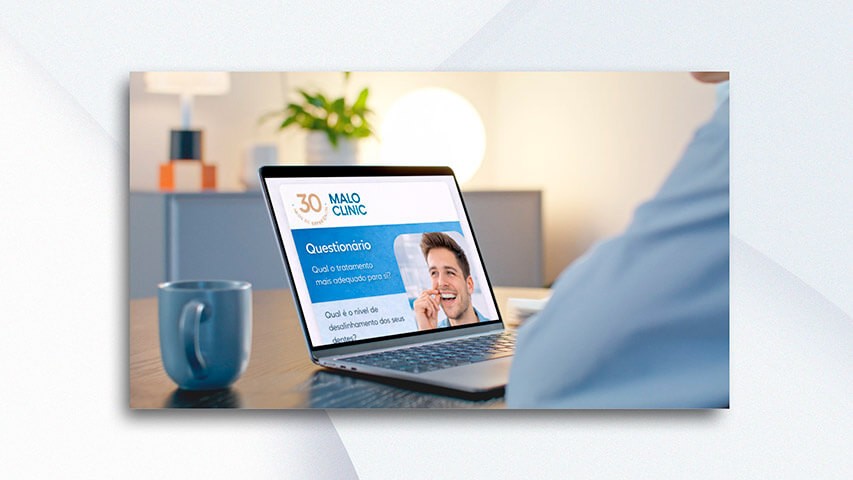
Discover the type of device best suited for your case.
Answer a brief questionnaire and find out if invisible aligners might be the most appropriate solution for your situation before moving on to the evaluation consultation.
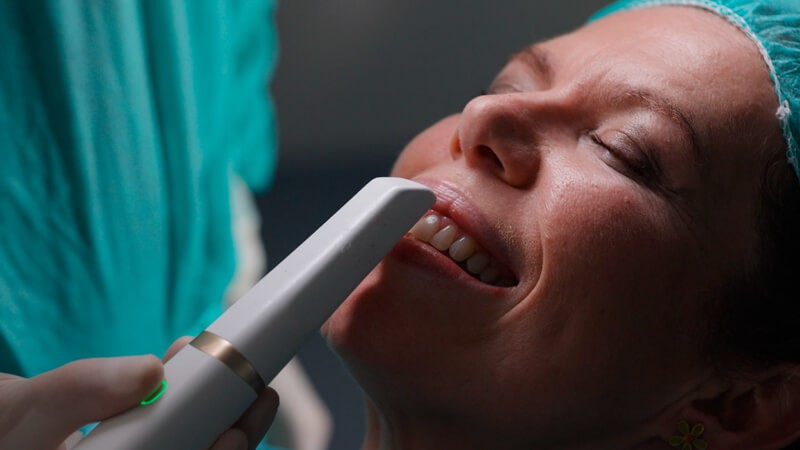
Intraoral Scanner
Intraoral Scanner
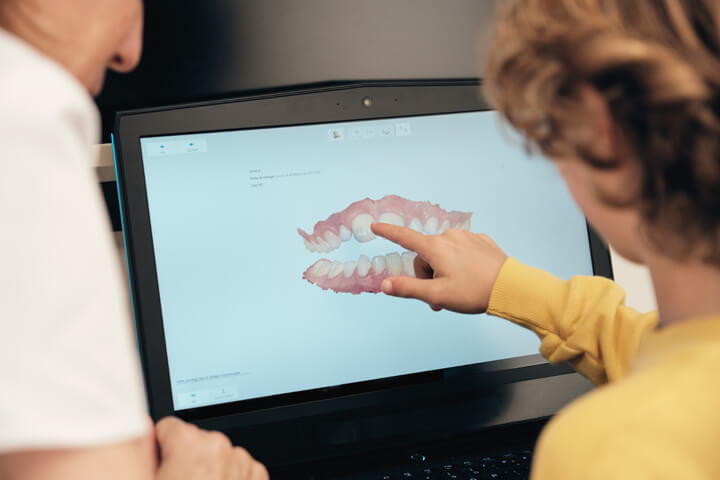
Digital Planning
Digital Planning
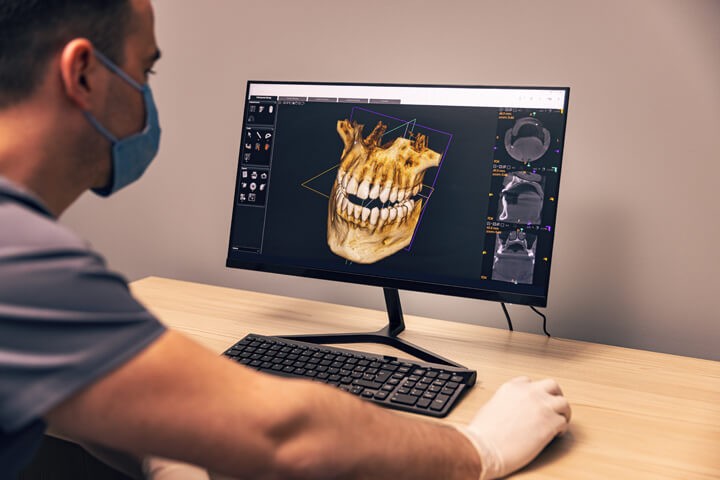
Digital Planning
Digital Planning
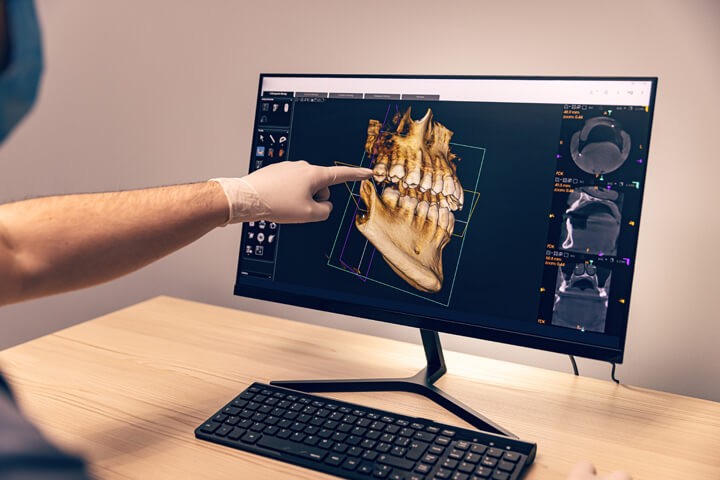
Digital Planning
Digital Planning

Intraoral Scanner
Intraoral Scanner
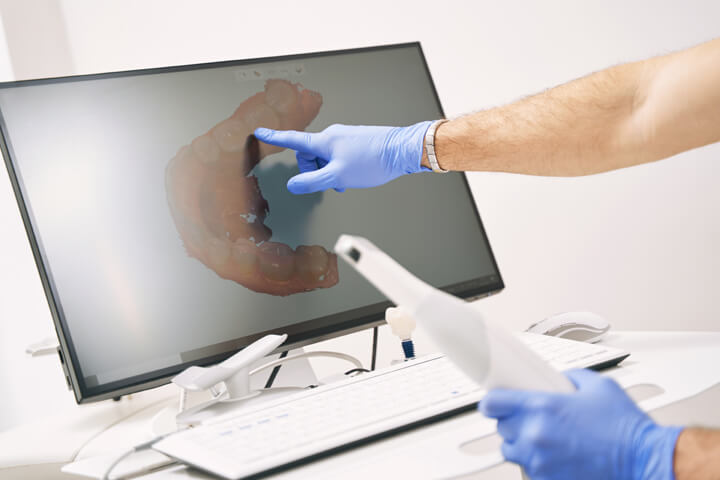
Intraoral Scanner
Intraoral Scanner
Technology and Innovation applied to Orthodontics
At MALO CLINIC, technological advancements have profoundly transformed Orthodontics, making treatments faster, more precise, and comfortable.
The introduction of digital planning through intraoral scanners allows for the replacement of traditional impressions with highly detailed 3D images, improving diagnosis, outcome predictability, and patient experience. This digital planning also enables the simulation of the final smile even before the start of treatment.
The evolution of materials and orthodontic systems has brought about more discreet and effective solutions that reduce discomfort and facilitate tooth movement. These systems allow for the application of more controlled forces, decreasing pain, treatment time, and the number of necessary appointments.
Intraoral Scanner
Digital Planning
Digital Planning
Digital Planning
Intraoral Scanner
Intraoral Scanner
Technology and Innovation applied to Orthodontics
At MALO CLINIC, technological advancements have profoundly transformed Orthodontics, making treatments faster, more precise, and comfortable.
The introduction of digital planning through intraoral scanners allows for the replacement of traditional impressions with highly detailed 3D images, improving diagnosis, outcome predictability, and patient experience. This digital planning also enables the simulation of the final smile even before the start of treatment.
The evolution of materials and orthodontic systems has brought about more discreet and effective solutions that reduce discomfort and facilitate tooth movement. These systems allow for the application of more controlled forces, decreasing pain, treatment time, and the number of necessary appointments.
Clinical Cases
Real cases that demonstrate a rigorous clinical approach, focusing on the recovery of function, aesthetics, and quality of life.
The disclosure of cases was expressly authorized by the patients who unreservedly consented to their public exposure, as the disclosed informational elements are objectively true and can thus contribute to the free and informed choice of other patients.
The disclosure of cases was expressly authorized by the patients who unreservedly consented to its public publication, as the disclosed informative elements are objectively true and can thus contribute to the free and informed choice of other patients.
What conditions can the specialty of Orthodontics treat?
Clinical Team
Clinical Team
An experienced and qualified medical team, dedicated to safe, personalized, and patient-centered clinical support.
An experienced and qualified medical team, dedicated to safe, personalized, and patient-centered clinical support.
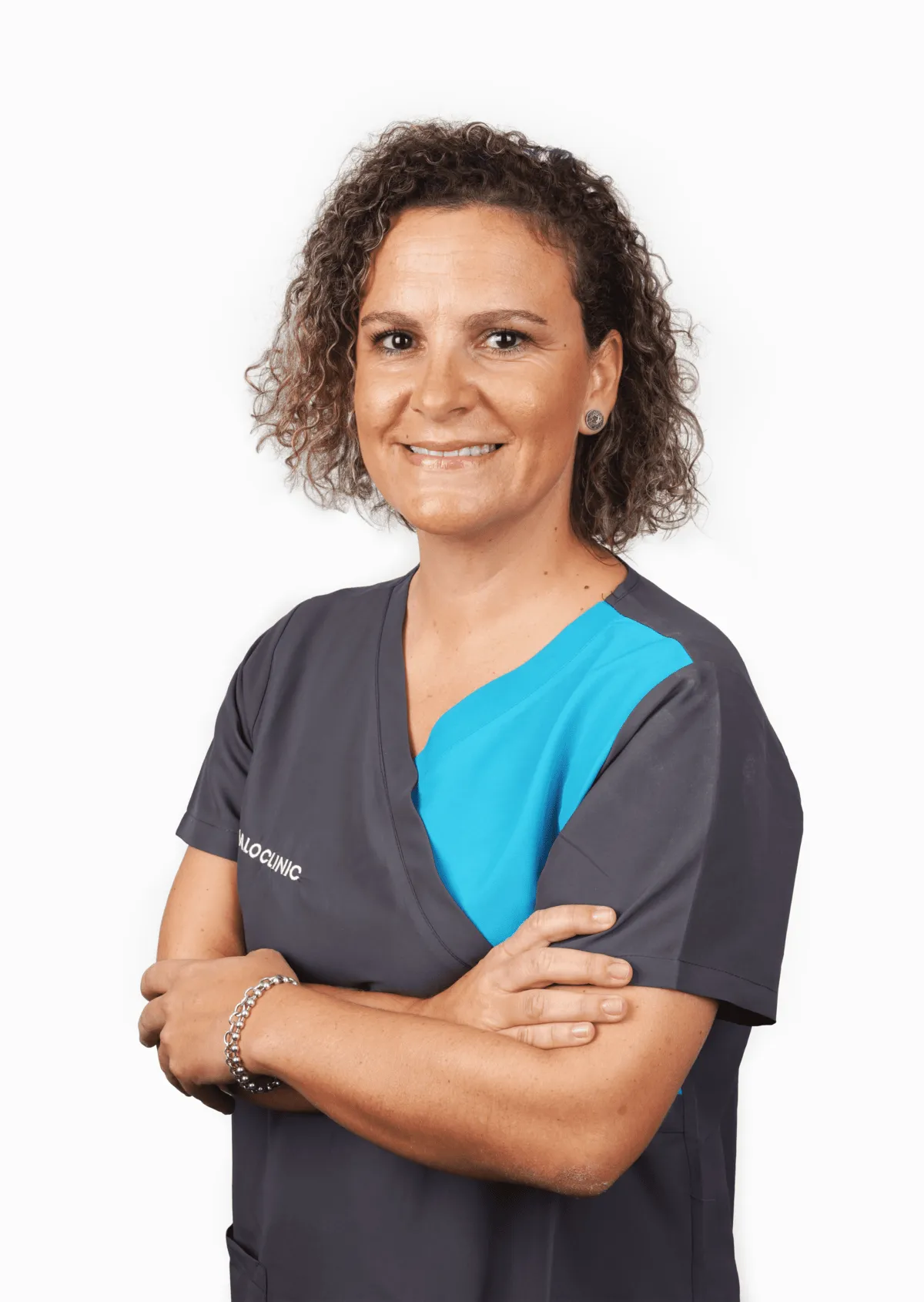
Ana Lopes Vieira
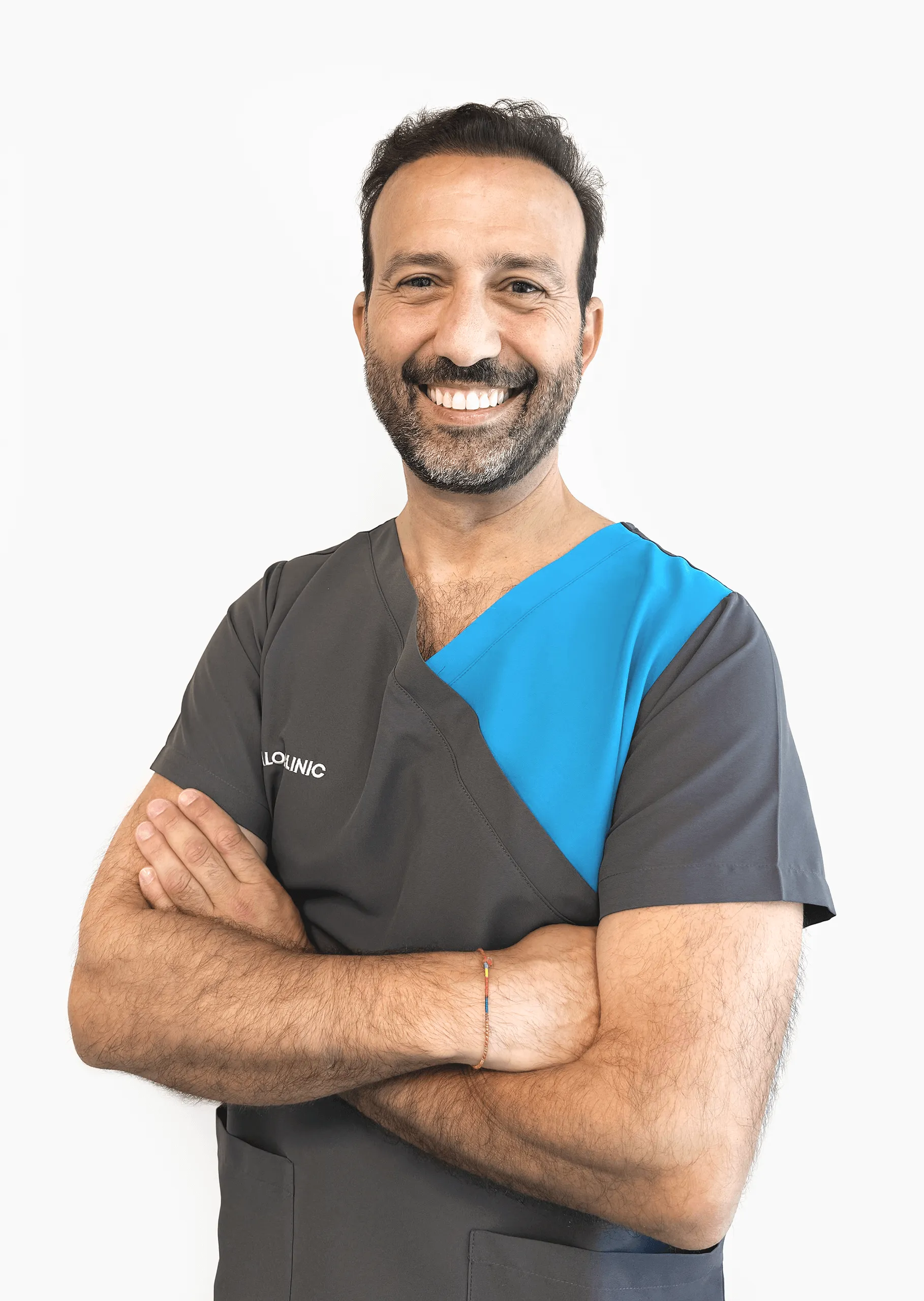
André Antunes
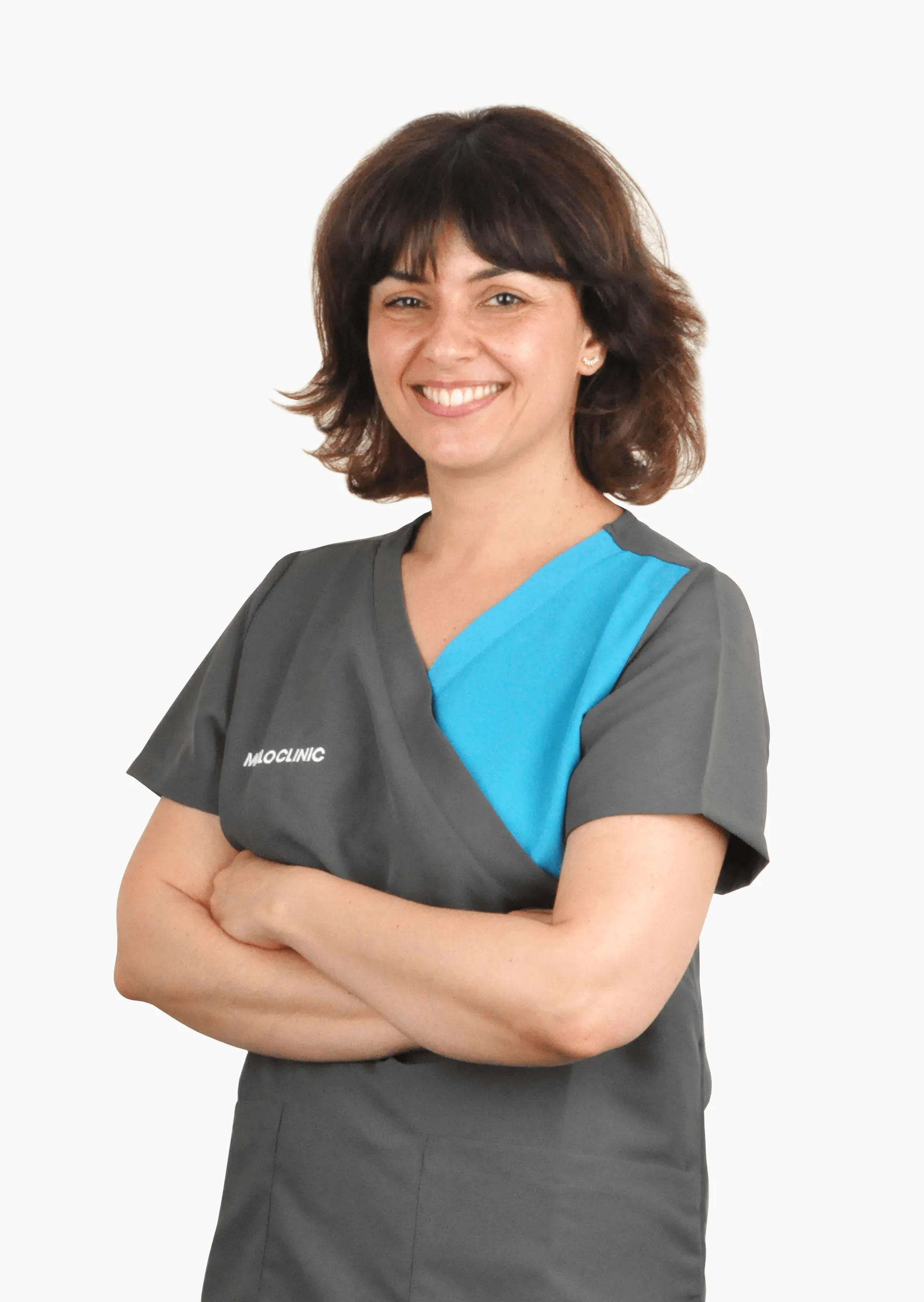
Frederica Craveiro
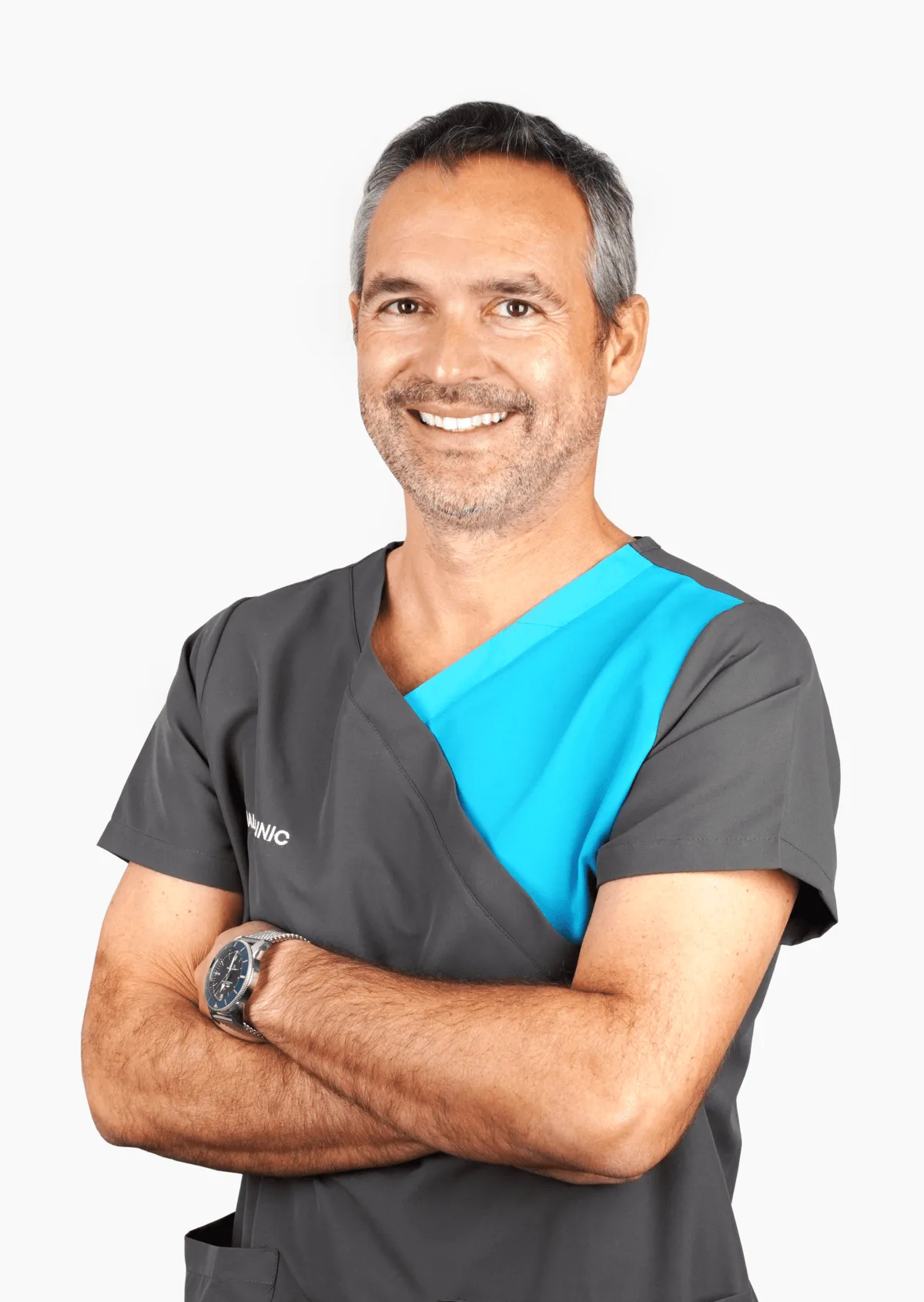
Gonçalo Oliveira e Sá
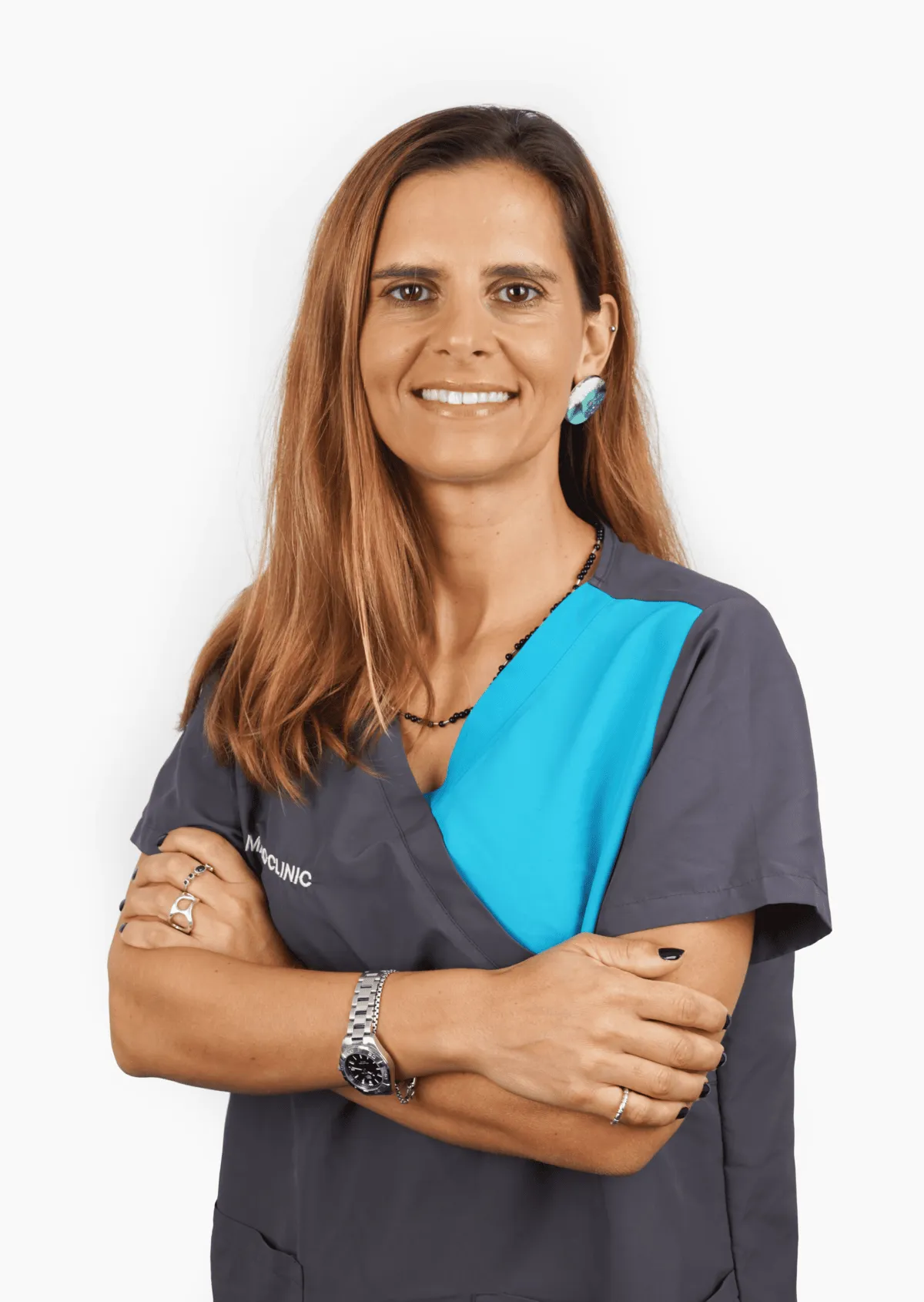
Joana Vasco Henriques
Mariana Rocha
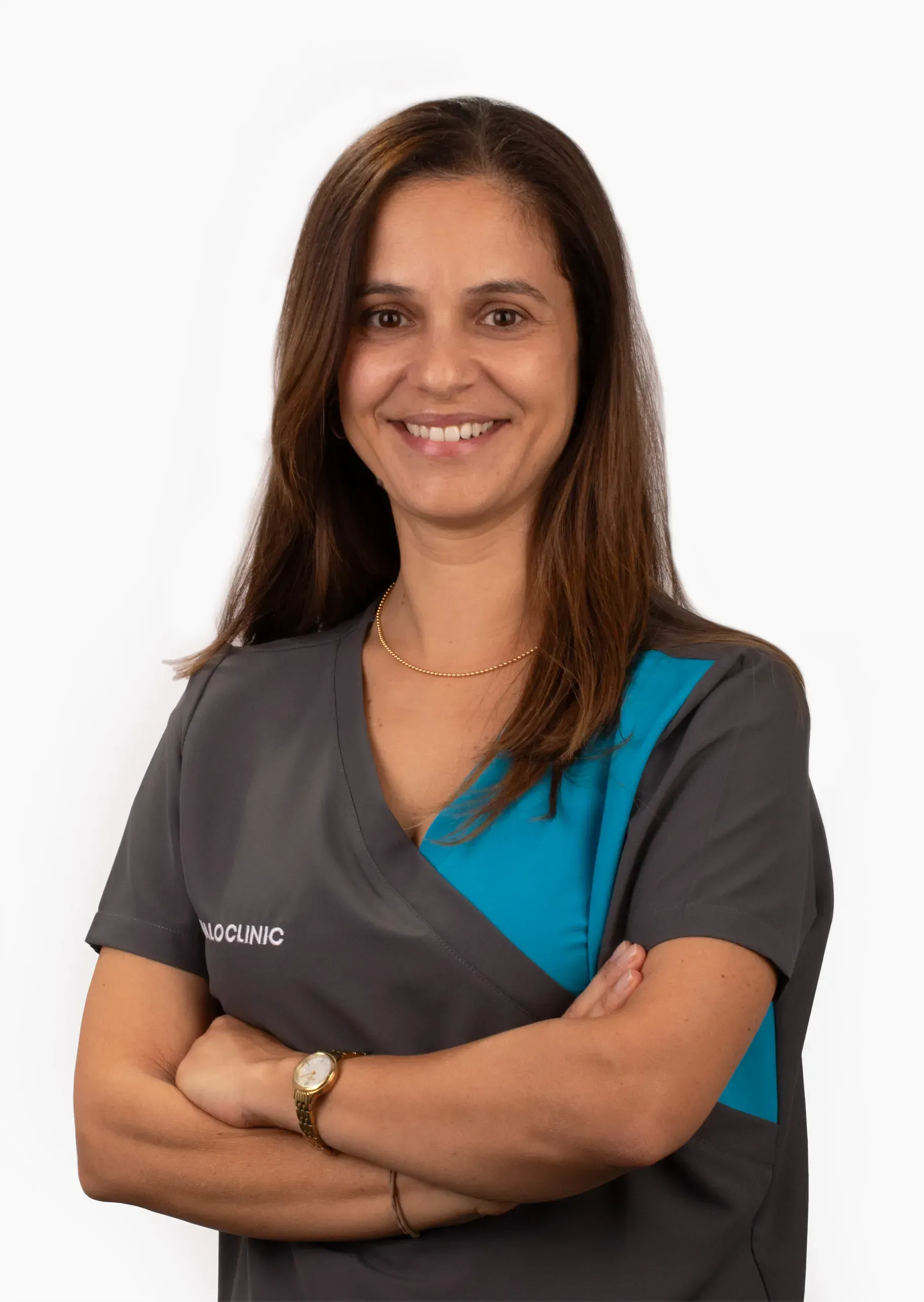
Noémia Eleutério Silva
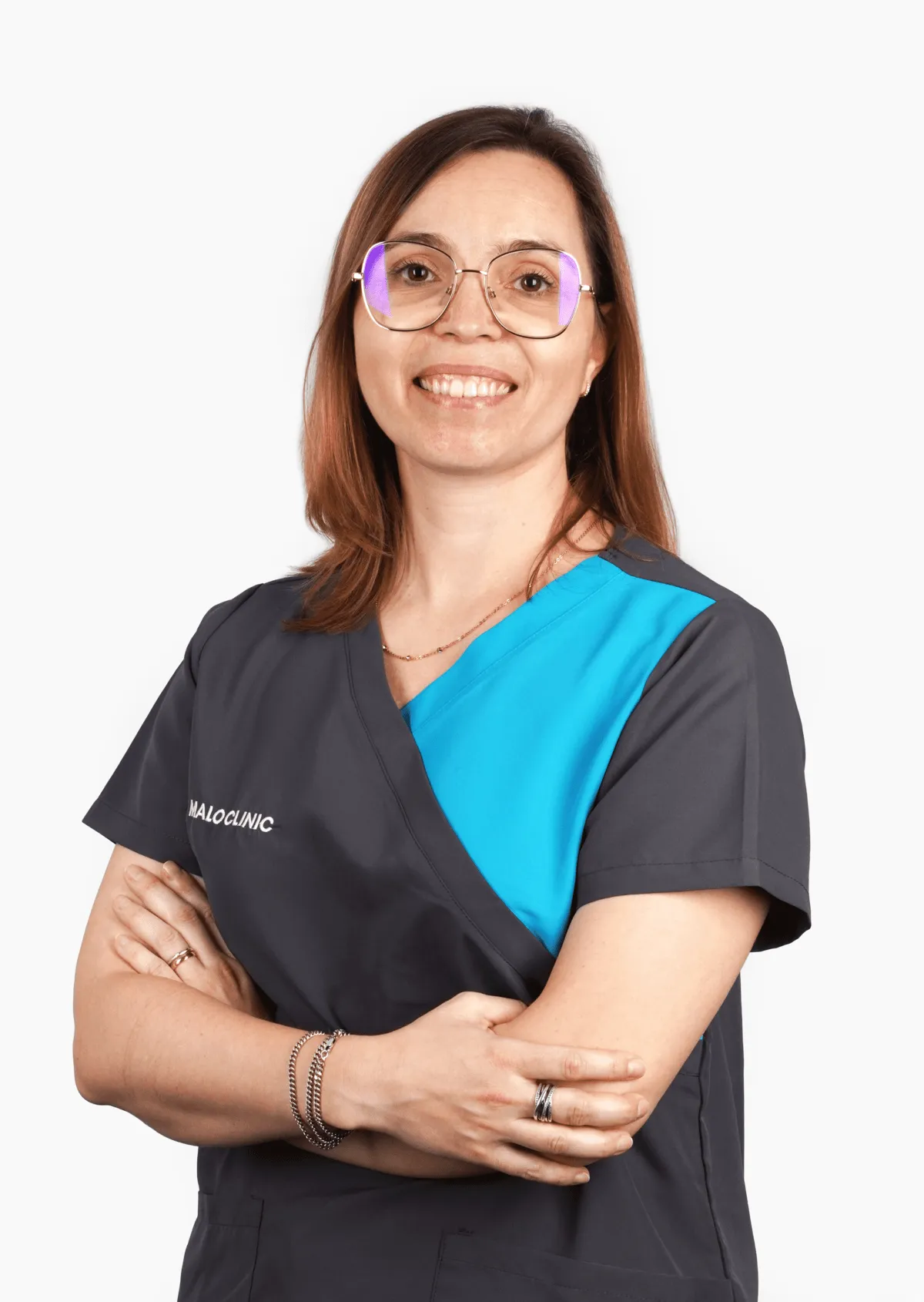
Rita Martins da Silva
Ana Lopes Vieira
André Antunes
Frederica Craveiro
Gonçalo Oliveira e Sá
Joana Vasco Henriques
Mariana Rocha
Noémia Eleutério Silva
Rita Martins da Silva
Agreements and Partnerships
MALO CLINIC has agreements and partnerships that make it easier to access treatment, under specific conditions defined by each entity. You can also choose payment facilities depending on the type of treatment.




Agreements and Partnerships
MALO CLINIC has agreements and partnerships that make it easier to access treatment, under specific conditions defined by each entity. You can also choose payment facilities depending on the type of treatment.
Agreements and Partnerships
MALO CLINIC has agreements and partnerships that make it easier to access treatment, under specific conditions defined by each entity. You can also choose payment facilities depending on the type of treatment.
Frequently Asked Questions
1
At what age can one start orthodontic treatment?
Orthodontic treatment can begin as soon as alignment or bite problems are identified, most often from the age of 7. However, there is no age that compromises the results of using a dental appliance, so adults can also benefit from orthodontic treatments.
2
How long does orthodontic treatment last?
The duration of orthodontic treatment varies according to the complexity of the case. On average, it can last between 12 to 18 months, but simpler cases can be resolved in less time, while more complex cases may take longer.
3
Do braces cause pain?
In the first few days after the placement or adjustment of the device, it is common to feel some discomfort or sensitivity. This sensation usually diminishes after a few days.
4
What are the types of orthodontic appliances available?
There are several types of braces, including fixed braces with metal brackets, clear aligners like Invisalign™, and removable braces. The choice depends on the diagnosis and the preferences of the patient.
5
Is it possible to have orthodontic treatment done invisibly?
Yes, clear dental aligners, such as Invisalign™, offer an almost invisible option to correct misaligned teeth. They are removable and more aesthetic compared to traditional braces.
6
What is the cost of undergoing orthodontic treatment?
The cost of orthodontic treatment varies according to the complexity of the case, the duration of the treatment, and the type of appliance used. We have available payment plans and agreements with insurance companies to facilitate access to treatment.
7
What is the importance of using retainers after orthodontic treatment?
After the removal of the orthodontic appliance, it is crucial to use retainers to keep the teeth in the new position. Without these, the teeth may return to their original position.
8
Is it necessary to make frequent adjustments to orthodontic appliances?
Yes, regular visits to the orthodontist are necessary to adjust the braces and ensure that the treatment is progressing as planned. These visits usually occur every 4 to 6 weeks.
9
Are there dietary restrictions during orthodontic treatment?
Yes, it is advisable to avoid hard, sticky, or very crunchy foods that can damage the fixed appliance. Maintaining a healthy and balanced diet is essential for oral health.
10
Do orthodontic appliances make oral hygiene difficult?
Yes, the use of fixed appliances can make oral hygiene more challenging. It is important to brush your teeth after every meal and use dental floss with special tools to ensure the removal of all food debris.
1
At what age can one start orthodontic treatment?
Orthodontic treatment can begin as soon as alignment or bite problems are identified, most often from the age of 7. However, there is no age that compromises the results of using a dental appliance, so adults can also benefit from orthodontic treatments.
2
How long does orthodontic treatment last?
The duration of orthodontic treatment varies according to the complexity of the case. On average, it can last between 12 to 18 months, but simpler cases can be resolved in less time, while more complex cases may take longer.
3
Do braces cause pain?
In the first few days after the placement or adjustment of the device, it is common to feel some discomfort or sensitivity. This sensation usually diminishes after a few days.
4
What are the types of orthodontic appliances available?
There are several types of braces, including fixed braces with metal brackets, clear aligners like Invisalign™, and removable braces. The choice depends on the diagnosis and the preferences of the patient.
5
Is it possible to have orthodontic treatment done invisibly?
Yes, clear dental aligners, such as Invisalign™, offer an almost invisible option to correct misaligned teeth. They are removable and more aesthetic compared to traditional braces.
6
What is the cost of undergoing orthodontic treatment?
The cost of orthodontic treatment varies according to the complexity of the case, the duration of the treatment, and the type of appliance used. We have available payment plans and agreements with insurance companies to facilitate access to treatment.
7
What is the importance of using retainers after orthodontic treatment?
After the removal of the orthodontic appliance, it is crucial to use retainers to keep the teeth in the new position. Without these, the teeth may return to their original position.
8
Is it necessary to make frequent adjustments to orthodontic appliances?
Yes, regular visits to the orthodontist are necessary to adjust the braces and ensure that the treatment is progressing as planned. These visits usually occur every 4 to 6 weeks.
9
Are there dietary restrictions during orthodontic treatment?
Yes, it is advisable to avoid hard, sticky, or very crunchy foods that can damage the fixed appliance. Maintaining a healthy and balanced diet is essential for oral health.
10
Do orthodontic appliances make oral hygiene difficult?
Yes, the use of fixed appliances can make oral hygiene more challenging. It is important to brush your teeth after every meal and use dental floss with special tools to ensure the removal of all food debris.
Book your
Appointment
Fill out the form and our team will get in touch with you to schedule your appointment.
Book your
Appointment
Fill out the form and our team will get in touch with you to schedule your appointment.
Book your
Appointment
Fill out the form and our team will get in touch with you to schedule your appointment.
We accompany each step of your clinical journey, focusing on your comfort, confidence, and smile.
THE MALO CLINIC
Talk to us
(Call to the national fixed network)
@ 2026 ALL RIGHTS RESERVED - MALO CLINIC SA NIF 503411434 ERS No. 12920
Developed by
We accompany each step of your clinical journey, focusing on your comfort, confidence, and smile.
THE MALO CLINIC
Talk to us
(Call to the national fixed network)
@ 2026 ALL RIGHTS RESERVED - MALO CLINIC SA NIF 503411434 ERS No. 12920
Developed by