Bruxism
Crossbite
Tartar
Cavity
Dental Abscess
Cold Sore
Aphthae
Xerostomia
Gingivitis
Periodontitis
Jaw or Orofacial Pain
Bruxism
Crossbite
Tartar
Cavity
Dental Abscess
Cold Sore
Aphthae
Xerostomia
Gingivitis
Periodontitis
Jaw or Orofacial Pain
Bruxism
Crossbite
Tartar
Cavity
Dental Abscess
Cold Sore
Aphthae
Xerostomia
Gingivitis
Periodontitis
Jaw or Orofacial Pain
Endodontics
Treatment of dental pain and sensitivity.
About the specialty of Endodontics
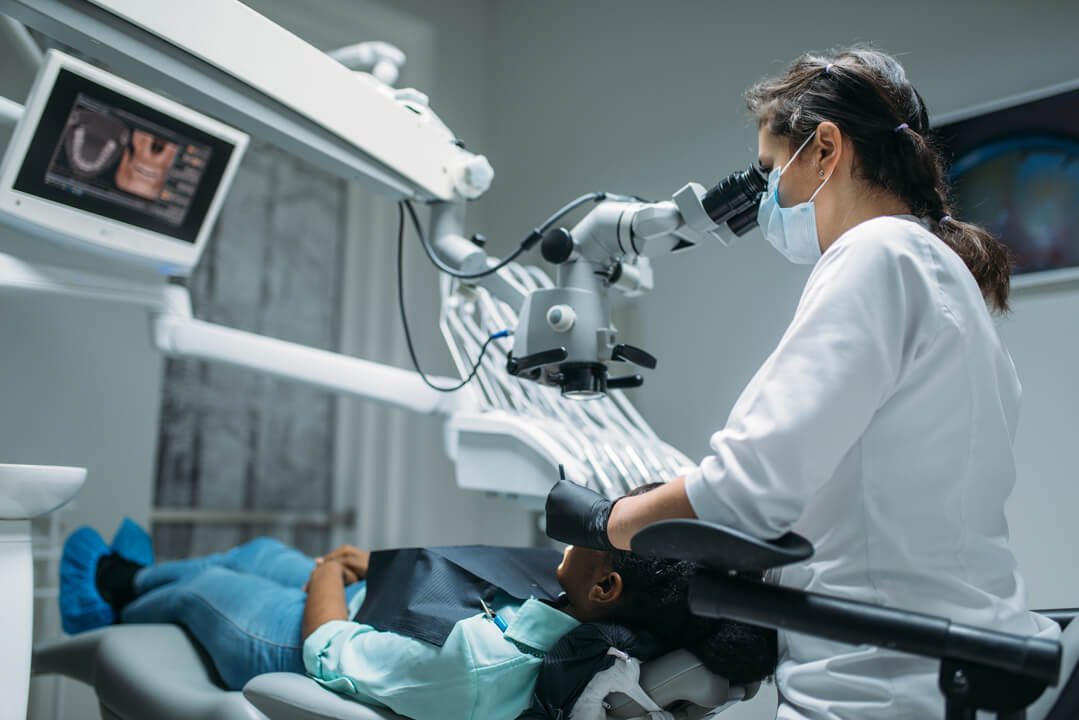
Endodontics addresses the pathologies of the dental pulp (the “nerve”), located inside the tooth and responsible for its nutrition and sensitivity. When there is irreversible inflammation or necrosis, devitalization is essential to save the tooth and prevent infections and abscesses, also allowing for the restoration of chewing function after reconstruction.
In cases of failure of a previous treatment, re-endodontics is the recommended option, consisting of the removal and re-disinfection of the canals, followed by filling and restoration. Injuries to the pulp can result from deep cavities, trauma or fractures, manifesting as pain, sensitivity to cold and heat, discomfort during chewing, and sometimes abscess or fistula.
Endodontic Solutions - Which is the best for you?
Each clinical situation is different, which is why Endodontics offers solutions tailored to the needs of each patient.
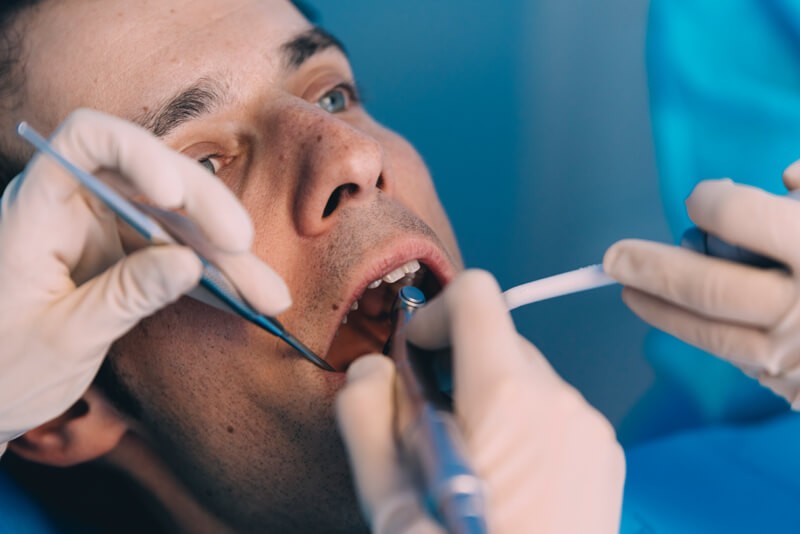
Using local anaesthesia, an opening is made in the tooth to remove the infected dental pulp, fill, and seal the tooth's root canals. Depending on the complexity of the case, it is not always possible to complete the Endodontic treatment in just one appointment. In these cases, a temporary restoration is placed in the access opening, with the aim of protecting the tooth between appointments and until the definitive reconstruction of the tooth is done.
Using local anaesthesia, an opening is made in the tooth to remove the infected dental pulp, fill, and seal the tooth's root canals. Depending on the complexity of the case, it is not always possible to complete the Endodontic treatment in just one appointment. In these cases, a temporary restoration is placed in the access opening, with the aim of protecting the tooth between appointments and until the definitive reconstruction of the tooth is done.
Benefits of Endodontics for Oral Health
1
1
Pain Relief
Endodontic treatment is often performed to relieve severe pain associated with inflammation or infection of the dental pulp. By removing the damaged pulp, pain and discomfort are alleviated. Recovery from the treatment is usually quick.
2
2
Infection Prevention
By removing the infected pulp and disinfecting the root canals of the tooth, the treatment helps to prevent the spread of infection to the surrounding tissues, such as the bone and gums.
3
3
Preservation of Dental Structure
Endodontics allows the natural structure of the tooth to be preserved, saving teeth that would otherwise be extracted. In addition to the tooth maintaining its original function, this way the integrity of the dental arch is preserved, avoiding problems of occlusion and movement in adjacent teeth, associated with tooth loss.
4
4
Infection Prevention
By removing the infected pulp and disinfecting the root canals of the tooth, the treatment helps to prevent the spread of infection to the surrounding tissues, such as the bone and gums.

At MALO CLINIC, your oral health is our priority.
Our clinical team is here to help you.
Operative Microscope
Operative Microscope
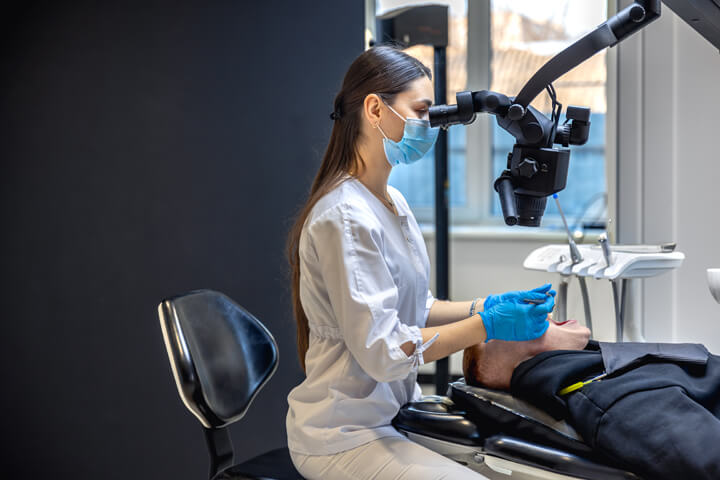
Operative Microscope
Operative Microscope
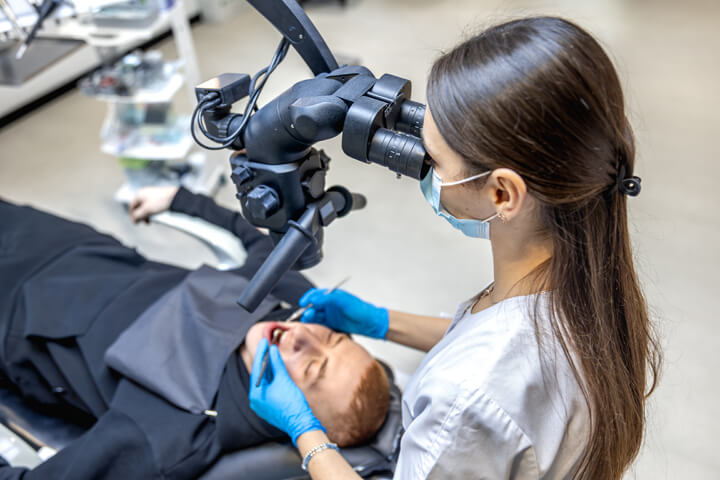
Operative Microscope
Operative Microscope
Technology and Innovation applied to Endodontics
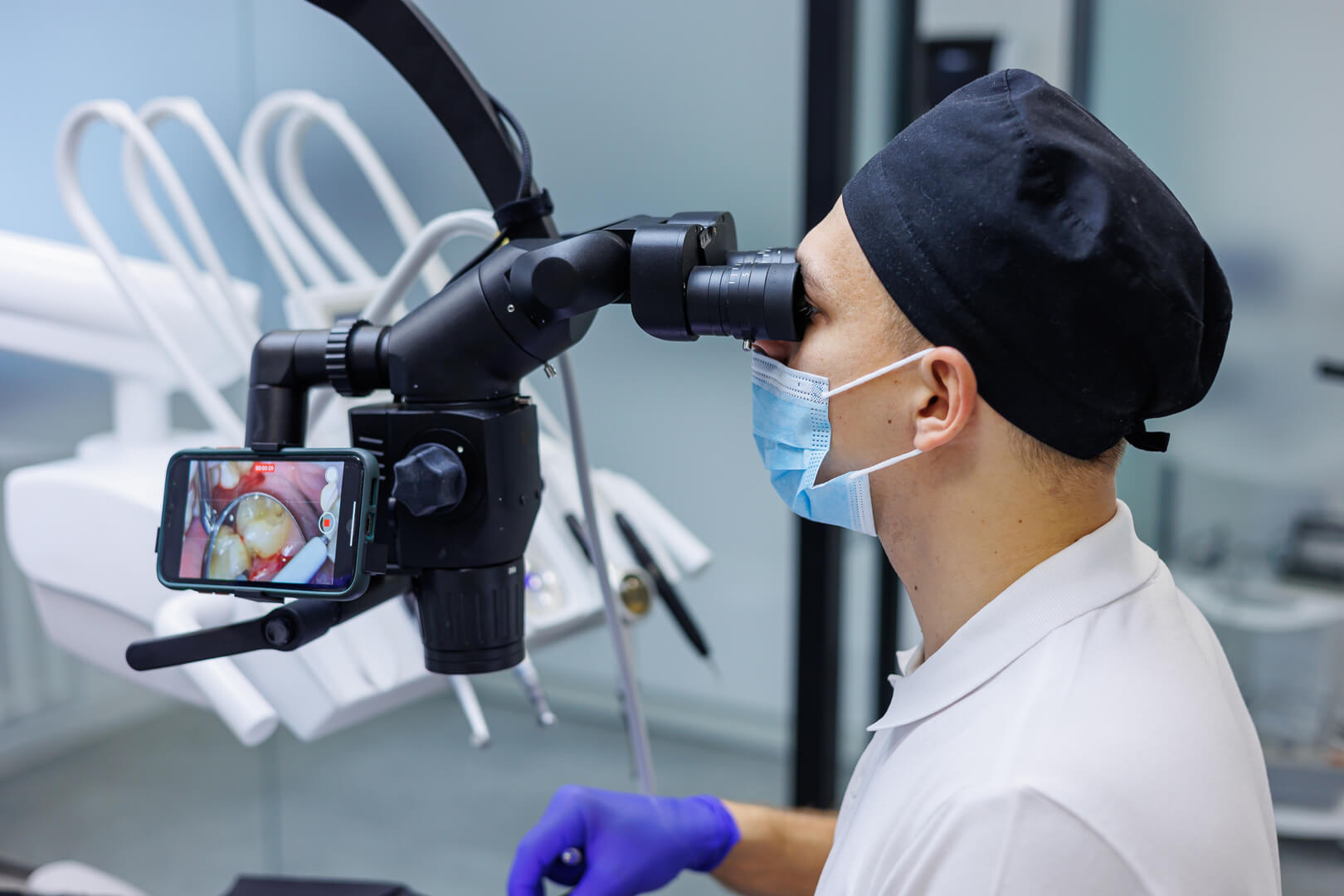
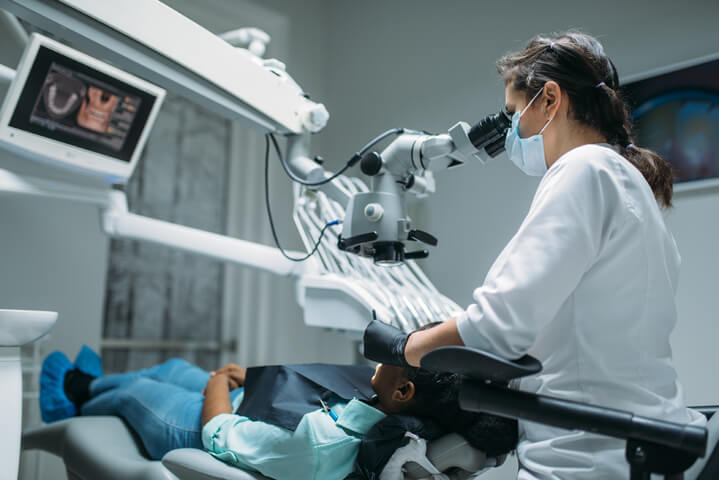
At MALO CLINIC, the combination of cutting-edge technology, continuous innovation and clinical experience translates into more sophisticated techniques that allow for the preservation of teeth that, in the past, would have resulted in extraction. One of the biggest advances in Endodontics is the use of the operative microscope, which allows for a detailed magnification of the complex root canal system.
This technology enables the dentist to identify, disinfect and fill microscopic areas that would be invisible to the naked eye, significantly increasing the success rate of treatments and, in particular, of endodontic retreatments. Microscopy also allows for the precise removal of old materials and the detection of untreated canals in previous interventions.
Operative Microscope
Operative Microscope
Operative Microscope
Technology and Innovation applied to Endodontics
At MALO CLINIC, the combination of cutting-edge technology, continuous innovation and clinical experience translates into more sophisticated techniques that allow for the preservation of teeth that, in the past, would have resulted in extraction. One of the biggest advances in Endodontics is the use of the operative microscope, which allows for a detailed magnification of the complex root canal system.
This technology enables the dentist to identify, disinfect and fill microscopic areas that would be invisible to the naked eye, significantly increasing the success rate of treatments and, in particular, of endodontic retreatments. Microscopy also allows for the precise removal of old materials and the detection of untreated canals in previous interventions.
Clinical Cases
Real cases that demonstrate a rigorous clinical approach, focusing on the recovery of function, aesthetics, and quality of life.
The disclosure of cases was expressly authorized by the patients who unreservedly consented to their public exposure, as the disclosed informational elements are objectively true and can thus contribute to the free and informed choice of other patients.
The disclosure of cases was expressly authorized by the patients who unreservedly consented to its public publication, as the disclosed informative elements are objectively true and can thus contribute to the free and informed choice of other patients.
Clinical Team
Clinical Team
An experienced and qualified medical team, dedicated to safe, personalized, and patient-centered clinical support.
An experienced and qualified medical team, dedicated to safe, personalized, and patient-centered clinical support.

Claudia Lopes
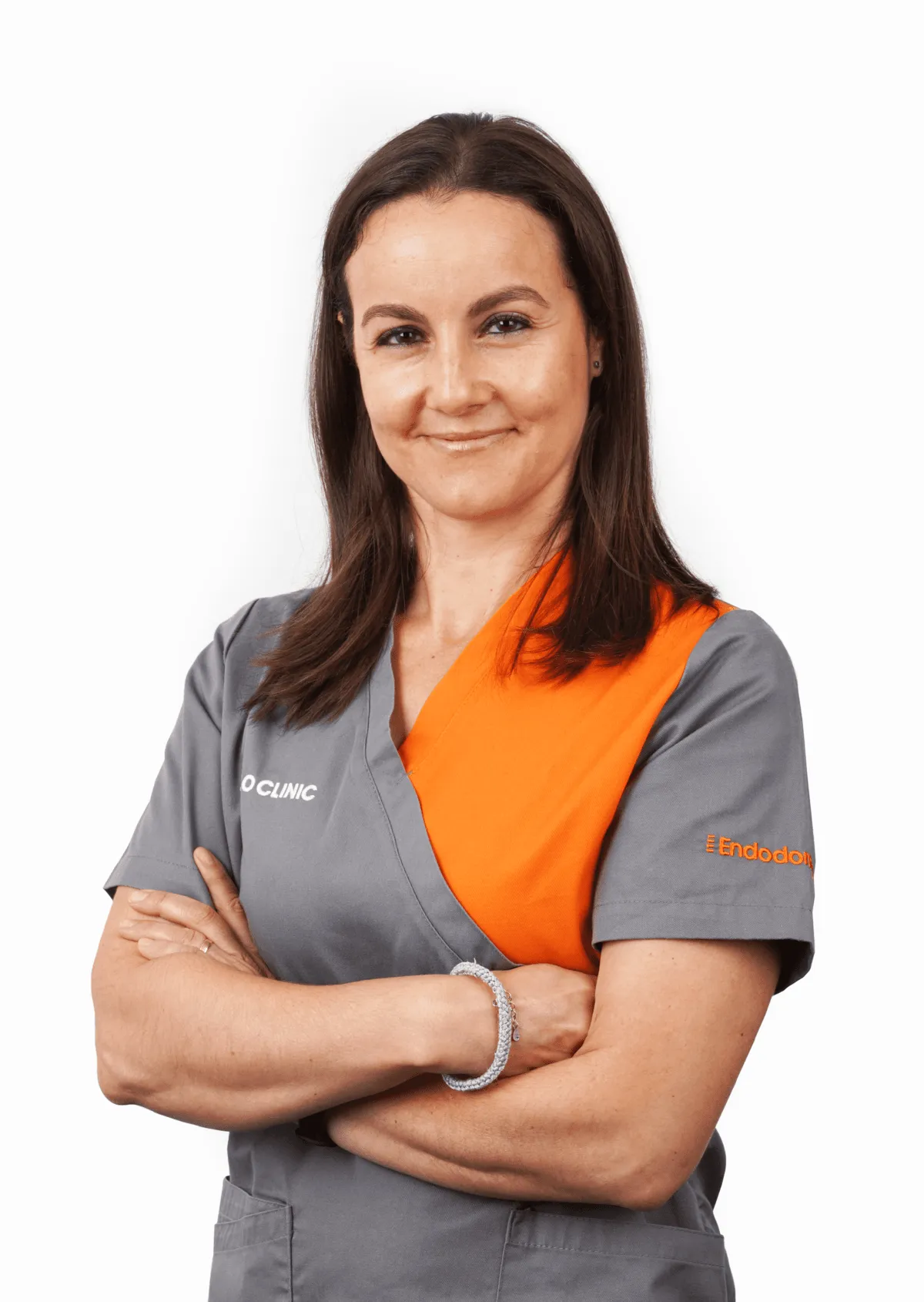
Eliana Castro

Ema Semionova
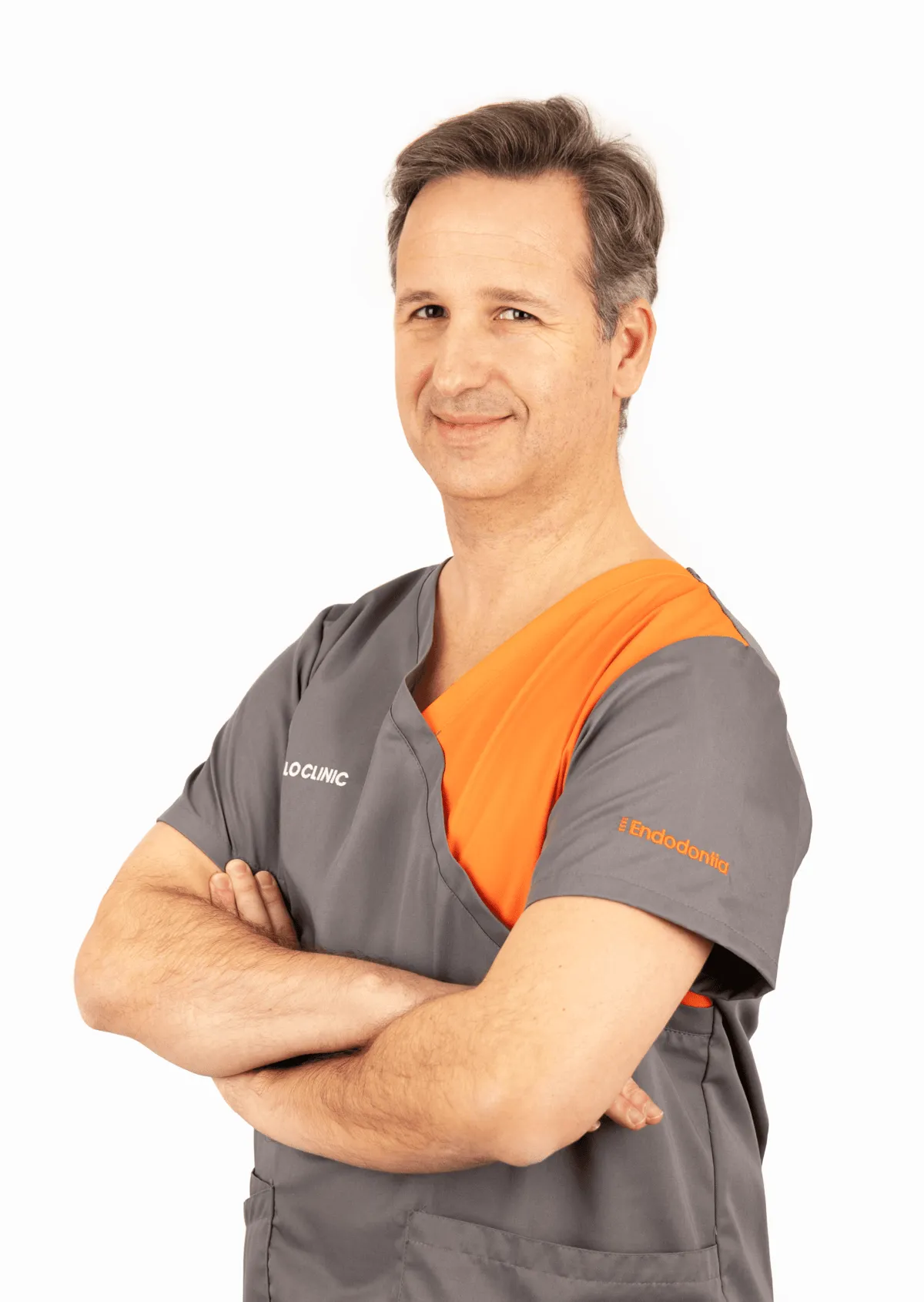
Filipe Graça

Daisy Cruz
Nuno Nóbrega
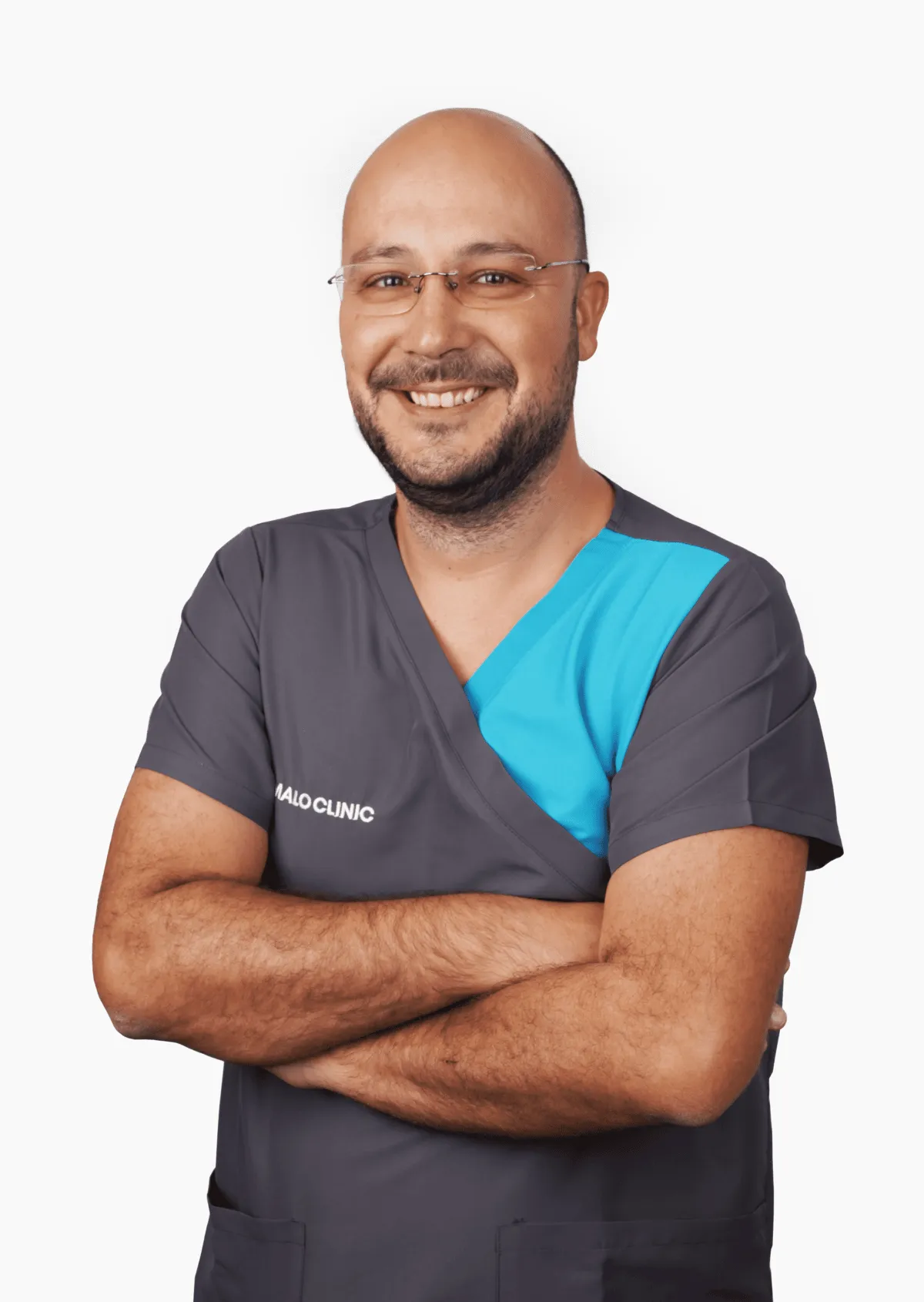
Ricardo Seixas Alves
Claudia Lopes
Eliana Castro
Ema Semionova
Filipe Graça
Daisy Cruz
Nuno Nóbrega
Ricardo Seixas Alves
Agreements and Partnerships
MALO CLINIC has agreements and partnerships that make it easier to access treatment, under specific conditions defined by each entity. You can also choose payment facilities depending on the type of treatment.




Agreements and Partnerships
MALO CLINIC has agreements and partnerships that make it easier to access treatment, under specific conditions defined by each entity. You can also choose payment facilities depending on the type of treatment.
Agreements and Partnerships
MALO CLINIC has agreements and partnerships that make it easier to access treatment, under specific conditions defined by each entity. You can also choose payment facilities depending on the type of treatment.
Frequently Asked Questions
1
What are the symptoms that may indicate the need for endodontic treatment?
There are several signs and symptoms that may indicate the need for endodontic treatment (root canal treatment):
Severe or continuous pain in the tooth, especially when chewing or applying pressure, which may indicate an infection in the dental pulp;
Extreme sensitivity to heat and/or cold that lasts longer than a few seconds after the stimulus is removed;
Swelling in the gum or the areas around the tooth may indicate infections affecting the dental pulp;
Physical trauma or injuries resulting in fractures or significant damage to the tooth may expose and compromise the health of the dental pulp;
A change in the colour of the tooth to grey or even black may be indicators of pulp death.
If you are experiencing one or more of these symptoms, it is important to consult a dentist as soon as possible for an appropriate assessment of the need for endodontic treatment. Early endodontic treatment can help preserve the tooth and avoid more serious complications in the future.
2
Is endodontic treatment painful?
Endodontic treatment is performed using local anesthesia, ensuring that you do not feel pain throughout the procedure. The precision and efficiency provided by Microscopic Endodontics also result in smoother and less invasive procedures for patients, which help to reduce post-treatment discomfort and accelerate the recovery process. Nevertheless, after the procedure, you may experience slight discomfort, easily managed with painkillers recommended by your dentist.
3
What precautions should be taken to prolong the longevity of endodontic treatment?
After endodontic treatment, it is important to adopt certain care measures that will certainly contribute to the longevity of the treatment. Thus, in the first few days after the treatment, you should avoid hard, sticky, or very hot foods, as they may cause discomfort or damage to the treated tooth. Activities that may cause trauma to the treated area, such as grinding your teeth, biting hard objects, or participating in impact sports without adequate protection, should also be avoided. If the dentist prescribes medications, such as analgesics or antibiotics, it is essential to take them responsibly, following the instructions, to help control pain and prevent infections. To ensure the longevity of the treatment, it is also important to maintain oral hygiene, brushing your teeth at least twice a day, without applying too much pressure to the treated area. In addition, it is essential to use dental floss to remove any debris that may have remained between the teeth. Do not forget to follow the dentist's recommendations regarding follow-up appointments for the treated tooth and to make any necessary adjustments.
1
What are the symptoms that may indicate the need for endodontic treatment?
There are several signs and symptoms that may indicate the need for endodontic treatment (root canal treatment):
Severe or continuous pain in the tooth, especially when chewing or applying pressure, which may indicate an infection in the dental pulp;
Extreme sensitivity to heat and/or cold that lasts longer than a few seconds after the stimulus is removed;
Swelling in the gum or the areas around the tooth may indicate infections affecting the dental pulp;
Physical trauma or injuries resulting in fractures or significant damage to the tooth may expose and compromise the health of the dental pulp;
A change in the colour of the tooth to grey or even black may be indicators of pulp death.
If you are experiencing one or more of these symptoms, it is important to consult a dentist as soon as possible for an appropriate assessment of the need for endodontic treatment. Early endodontic treatment can help preserve the tooth and avoid more serious complications in the future.
2
Is endodontic treatment painful?
Endodontic treatment is performed using local anesthesia, ensuring that you do not feel pain throughout the procedure. The precision and efficiency provided by Microscopic Endodontics also result in smoother and less invasive procedures for patients, which help to reduce post-treatment discomfort and accelerate the recovery process. Nevertheless, after the procedure, you may experience slight discomfort, easily managed with painkillers recommended by your dentist.
3
What precautions should be taken to prolong the longevity of endodontic treatment?
After endodontic treatment, it is important to adopt certain care measures that will certainly contribute to the longevity of the treatment. Thus, in the first few days after the treatment, you should avoid hard, sticky, or very hot foods, as they may cause discomfort or damage to the treated tooth. Activities that may cause trauma to the treated area, such as grinding your teeth, biting hard objects, or participating in impact sports without adequate protection, should also be avoided. If the dentist prescribes medications, such as analgesics or antibiotics, it is essential to take them responsibly, following the instructions, to help control pain and prevent infections. To ensure the longevity of the treatment, it is also important to maintain oral hygiene, brushing your teeth at least twice a day, without applying too much pressure to the treated area. In addition, it is essential to use dental floss to remove any debris that may have remained between the teeth. Do not forget to follow the dentist's recommendations regarding follow-up appointments for the treated tooth and to make any necessary adjustments.
Book your
Appointment
Fill out the form and our team will get in touch with you to schedule your appointment.
Book your
Appointment
Fill out the form and our team will get in touch with you to schedule your appointment.
Book your
Appointment
Fill out the form and our team will get in touch with you to schedule your appointment.
We accompany each step of your clinical journey, focusing on your comfort, confidence, and smile.
THE MALO CLINIC
Talk to us
(Call to the national fixed network)
@ 2026 ALL RIGHTS RESERVED - MALO CLINIC SA NIF 503411434 ERS No. 12920
Developed by
We accompany each step of your clinical journey, focusing on your comfort, confidence, and smile.
THE MALO CLINIC
Talk to us
(Call to the national fixed network)
@ 2026 ALL RIGHTS RESERVED - MALO CLINIC SA NIF 503411434 ERS No. 12920
Developed by