Bruxism
Crossbite
Tartar
Cavity
Dental Abscess
Cold Sore
Aphthae
Xerostomia
Gingivitis
Periodontitis
Jaw or Orofacial Pain
Bruxism
Crossbite
Tartar
Cavity
Dental Abscess
Cold Sore
Aphthae
Xerostomia
Gingivitis
Periodontitis
Jaw or Orofacial Pain
Bruxism
Crossbite
Tartar
Cavity
Dental Abscess
Cold Sore
Aphthae
Xerostomia
Gingivitis
Periodontitis
Jaw or Orofacial Pain
Xerostomia
Subjective sensation of dry mouth, associated with a decrease in saliva production.
What is Xerostomia?
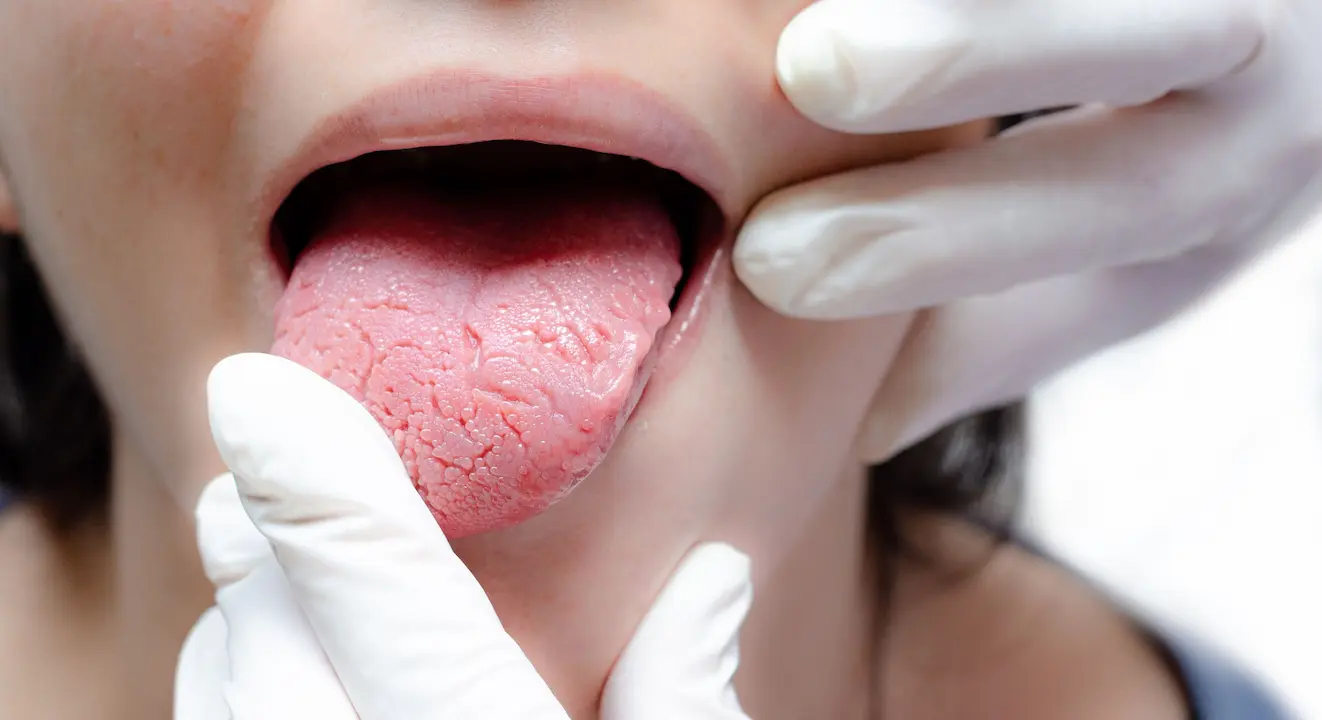
Xerostomia is the sensation of dry mouth, usually associated with a decrease in saliva production. It can cause discomfort, affect the quality of life, and be related to other health problems, so it should not be ignored.
Saliva is essential for oral health as it aids in digestion, speech, and protects the oral cavity against bacteria. Maintaining good hydration, adopting healthy habits, using specific products, and seeking professional guidance are essential measures to alleviate symptoms and prevent complications.
Main Causes
The development of Xerostomia is generally associated with a combination of factors, among which:
Use of certain medications
Radiotherapy of the head and neck
Autoimmune diseases
Dehydration
Breathing oral
Possible Symptoms
Some of the most common symptoms of Xerostomia include:
1
1
Dry Mouth and Throat Sensation
The main characteristic of Xerostomia is the persistent feeling of dryness in the mouth and throat, which can make speaking, swallowing, and using dentures difficult.
2
2
Thick or Sticky Saliva
Saliva can become thick or sticky, which can be uncomfortable and make chewing, speaking, and swallowing difficult.
3
3
Cracks at the Corners of the Mouth and Lips
Constant dryness can lead to chapped lips and fissures, which can be painful and are vulnerable to infections.
4
4
Dry and Irritated Gums
Gums can become dry, irritated, and more susceptible to gum disease.
5
5
Bad Breath
Saliva helps to clean the mouth and eliminate bacteria. A lack of saliva can result in persistent bad breath.
6
6
Rough and Cracked Tongue Sensation
In Xerostomia, the lack of saliva can cause a sensation of a rough, dry, and cracked tongue, leading to discomfort when speaking, eating, or swallowing, as well as increasing sensitivity and irritation of the oral mucosa.
7
7
Altered or Reduced Taste
Xerostomia can affect the sense of taste, resulting in an altered or unpleasant taste in the mouth.

If symptoms persist or worsen, it is important to undergo a dental assessment. Even in the absence of intense pain, regular follow-up is essential to prevent complications.
Available Treatments
Available Treatments
The treatment of Xerostomia varies according to the extent of the damage and its severity. Here are some of the most common treatments:
Proper Hydration
Drinking plenty of water throughout the day helps keep the mouth moist and can relieve symptoms of dry mouth. Staying hydrated is essential for overall and oral health.
Drinking plenty of water throughout the day helps keep the mouth moist and can relieve symptoms of dry mouth. Staying hydrated is essential for overall and oral health.
Use of Saliva Substitutes
Products such as gels, sprays, and oral elixirs specifically formulated to hydrate the mouth can provide temporary relief. These saliva substitutes help to lubricate the mouth and reduce the feeling of dryness.
Products such as gels, sprays, and oral elixirs specifically formulated to hydrate the mouth can provide temporary relief. These saliva substitutes help to lubricate the mouth and reduce the feeling of dryness.
Oral Hygiene Care
Good oral hygiene with suitable products, typically containing lactoperoxidase, lysozyme, and lactoferrin. It is essential to ensure regular tooth brushing, as well as the use of dental floss, keeping regular appointments with the dentist or oral hygienist at least once every six months.
Good oral hygiene with suitable products, typically containing lactoperoxidase, lysozyme, and lactoferrin. It is essential to ensure regular tooth brushing, as well as the use of dental floss, keeping regular appointments with the dentist or oral hygienist at least once every six months.
Avoid Dehydrating Substances
Avoid alcohol, caffeine, tobacco, and very salty or spicy foods, as they can worsen the feeling of dry mouth. These substances can further dehydrate the mouth and aggravate symptoms. It is very important to maintain a healthy diet with fruits and vegetables rich in water.
Avoid alcohol, caffeine, tobacco, and very salty or spicy foods, as they can worsen the feeling of dry mouth. These substances can further dehydrate the mouth and aggravate symptoms. It is very important to maintain a healthy diet with fruits and vegetables rich in water.
Use of Humidifiers
Using a humidifier in the bedroom at night can help reduce dryness in the mouth and throat. This is especially helpful in dry climates or during the winter.
Medications: Drugs such as pilocarpine may also be prescribed to help stimulate saliva production.
Using a humidifier in the bedroom at night can help reduce dryness in the mouth and throat. This is especially helpful in dry climates or during the winter.
Medications: Drugs such as pilocarpine may also be prescribed to help stimulate saliva production.
Agreements and Partnerships
MALO CLINIC has agreements and partnerships that make it easier to access treatment, under specific conditions defined by each entity. You can also choose payment facilities depending on the type of treatment.




Agreements and Partnerships
MALO CLINIC has agreements and partnerships that make it easier to access treatment, under specific conditions defined by each entity. You can also choose payment facilities depending on the type of treatment.
Agreements and Partnerships
MALO CLINIC has agreements and partnerships that make it easier to access treatment, under specific conditions defined by each entity. You can also choose payment facilities depending on the type of treatment.
Frequently Asked Questions
1
What causes Xerostomia?
Xerostomia can be caused by various conditions, including the use of certain medications, medical treatments such as head and neck radiotherapy, autoimmune diseases like Sjögren's syndrome, diabetes, Parkinson's disease, Hepatitis C, HIV, nervous system disorders, graft-versus-host disease, dehydration, and damage to the salivary glands. Lifestyle and oral breathing can also lead to dry mouth.
2
How is the diagnosis of Xerostomia performed?
The diagnosis generally involves a set of steps to determine not only its origin but also the most appropriate treatment. The process of diagnosing xerostomia thus includes:
Appropriate clinical history, including the collection of information about family history, medical history, dental history, and medication;
Clinical oral examination;
Measurement of salivary flow rate - the amount of saliva produced per minute;
Clinical tests to rule out any underlying diseases;
Imaging examinations of the salivary glands, looking for morphological changes, such as the presence of salivary stones.
3
How can I relieve dry mouth at home?
Drinking plenty of water, chewing sugar-free gum, avoiding alcohol and caffeine, and using saliva substitutes can help relieve the feeling of dry mouth. Maintaining good oral hygiene is also important to prevent complications.
4
When should I see a dentist to treat xerostomia?
If the feeling of dry mouth is persistent, severe or accompanied by other symptoms, it is important to seek a dentist. Xerostomia can increase the risk of cavities and oral infections, so a professional assessment is essential.
5
Is xerostomia a sign of a serious medical condition?
In some cases, xerostomia may be a symptom of underlying medical conditions such as diabetes, Sjögren's syndrome, or autoimmune diseases. If xerostomia persists, it is important to seek a healthcare professional for a thorough evaluation.
6
Can children have xerostomia?
Yes, children can also experience dry mouth, usually due to the use of certain medications or respiratory conditions. Proper hydration and good oral hygiene are essential to prevent complications.
7
Does smoking cause Xerostomia?
Yes, tobacco can cause dry mouth by reducing saliva production either due to its chemical composition or the heat it generates. Its vasoconstrictor effect will diminish the supply of blood to the salivary glands and alter their function.
8
Are oral elixirs effective against Xerostomia?
Some specially formulated oral elixirs for hydration can help relieve dry mouth. It is important to choose alcohol-free products. Consult your oral health professional.
9
Can xerostomia be treated with diet?
Certain adjustments to your diet can help reduce dry mouth. Consuming water-rich foods, such as fruits and vegetables, and avoiding overly salty or spicy foods can be beneficial.
10
Can Xerostomia be caused by anxiety or stress?
Yes, stress and anxiety are present in 80% of cases of dry mouth. Stress management techniques can help alleviate Xerostomia.
11
What are the complications of Xerostomia if left untreated?
If left untreated, Xerostomia can:
Make the chewing process more difficult, which can have nutritional and systemic consequences.
Increase the risk of dental caries and periodontal disease;
Increase the risk of fungal infections, such as candidiasis;
1
What causes Xerostomia?
Xerostomia can be caused by various conditions, including the use of certain medications, medical treatments such as head and neck radiotherapy, autoimmune diseases like Sjögren's syndrome, diabetes, Parkinson's disease, Hepatitis C, HIV, nervous system disorders, graft-versus-host disease, dehydration, and damage to the salivary glands. Lifestyle and oral breathing can also lead to dry mouth.
2
How is the diagnosis of Xerostomia performed?
The diagnosis generally involves a set of steps to determine not only its origin but also the most appropriate treatment. The process of diagnosing xerostomia thus includes:
Appropriate clinical history, including the collection of information about family history, medical history, dental history, and medication;
Clinical oral examination;
Measurement of salivary flow rate - the amount of saliva produced per minute;
Clinical tests to rule out any underlying diseases;
Imaging examinations of the salivary glands, looking for morphological changes, such as the presence of salivary stones.
3
How can I relieve dry mouth at home?
Drinking plenty of water, chewing sugar-free gum, avoiding alcohol and caffeine, and using saliva substitutes can help relieve the feeling of dry mouth. Maintaining good oral hygiene is also important to prevent complications.
4
When should I see a dentist to treat xerostomia?
If the feeling of dry mouth is persistent, severe or accompanied by other symptoms, it is important to seek a dentist. Xerostomia can increase the risk of cavities and oral infections, so a professional assessment is essential.
5
Is xerostomia a sign of a serious medical condition?
In some cases, xerostomia may be a symptom of underlying medical conditions such as diabetes, Sjögren's syndrome, or autoimmune diseases. If xerostomia persists, it is important to seek a healthcare professional for a thorough evaluation.
6
Can children have xerostomia?
Yes, children can also experience dry mouth, usually due to the use of certain medications or respiratory conditions. Proper hydration and good oral hygiene are essential to prevent complications.
7
Does smoking cause Xerostomia?
Yes, tobacco can cause dry mouth by reducing saliva production either due to its chemical composition or the heat it generates. Its vasoconstrictor effect will diminish the supply of blood to the salivary glands and alter their function.
8
Are oral elixirs effective against Xerostomia?
Some specially formulated oral elixirs for hydration can help relieve dry mouth. It is important to choose alcohol-free products. Consult your oral health professional.
9
Can xerostomia be treated with diet?
Certain adjustments to your diet can help reduce dry mouth. Consuming water-rich foods, such as fruits and vegetables, and avoiding overly salty or spicy foods can be beneficial.
10
Can Xerostomia be caused by anxiety or stress?
Yes, stress and anxiety are present in 80% of cases of dry mouth. Stress management techniques can help alleviate Xerostomia.
11
What are the complications of Xerostomia if left untreated?
If left untreated, Xerostomia can:
Make the chewing process more difficult, which can have nutritional and systemic consequences.
Increase the risk of dental caries and periodontal disease;
Increase the risk of fungal infections, such as candidiasis;
Book your
Appointment
Fill out the form and our team will get in touch with you to schedule your appointment.
Book your
Appointment
Fill out the form and our team will get in touch with you to schedule your appointment.
Book your
Appointment
Fill out the form and our team will get in touch with you to schedule your appointment.
We accompany each step of your clinical journey, focusing on your comfort, confidence, and smile.
THE MALO CLINIC
Talk to us
(Call to the national fixed network)
@ 2026 ALL RIGHTS RESERVED - MALO CLINIC SA NIF 503411434 ERS No. 12920
Developed by
We accompany each step of your clinical journey, focusing on your comfort, confidence, and smile.
THE MALO CLINIC
Talk to us
(Call to the national fixed network)
@ 2026 ALL RIGHTS RESERVED - MALO CLINIC SA NIF 503411434 ERS No. 12920
Developed by