Cavity

Dental caries is one of the most common oral diseases and, when identified early, can be treated simply and conservatively.

What is Caries?

Dental caries is a lesion caused by the action of bacteria that accumulate on the surface of the teeth. These bacteria produce acids that attack the tooth enamel, leading to its progressive deterioration.

When left untreated, caries can advance to deeper layers of the tooth, compromising its structure and potentially causing pain, infection, and other complications.
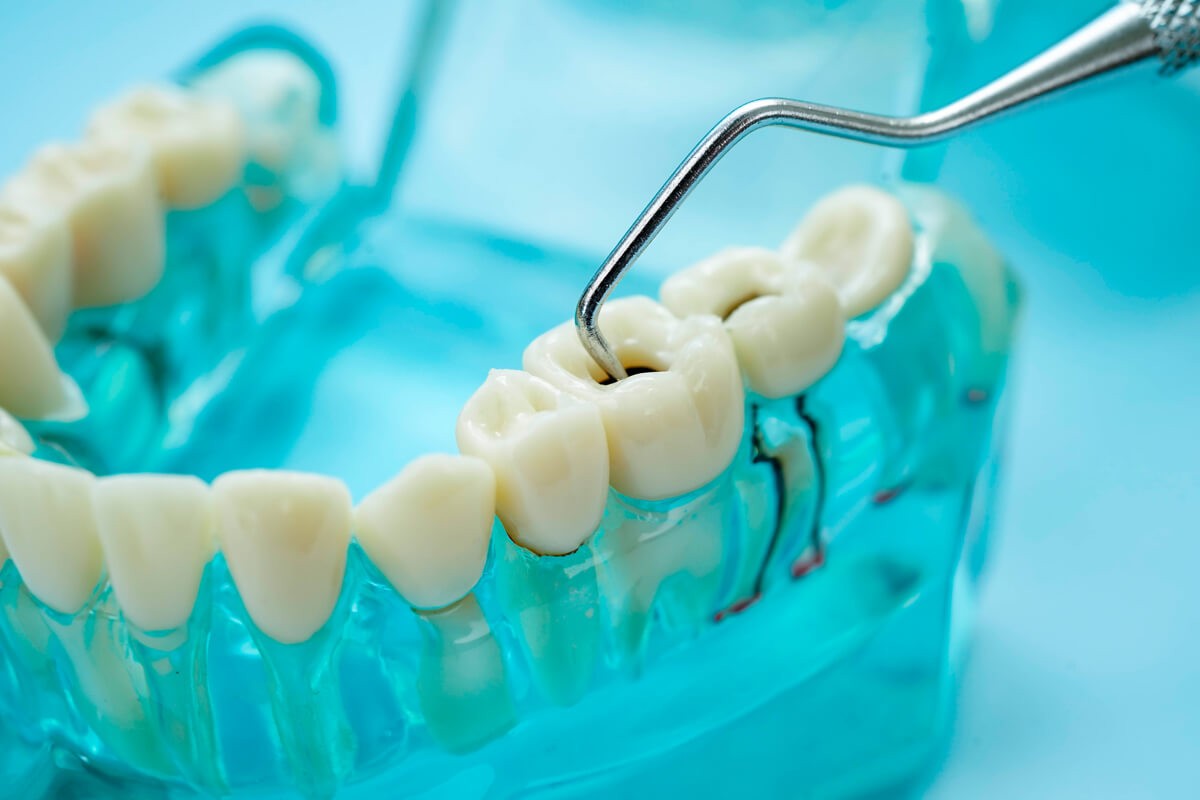
What is Caries?

Main Causes

The development of Caries is generally associated with a combination of factors, including:

Poor oral hygiene

Frequent consumption of foods and beverages high in sugar

Buildup of bacterial plaque

Reduction of saliva production

Insufficient regular dental monitoring

Possible Symptoms

The symptoms of dental caries can vary depending on the extent and location of the carious lesion. Some of the most common symptoms include:

1

1

Tooth Sensitivity

Uncomfortable or painful sensation when teeth are exposed to extreme temperatures and/or sweet foods. Sensitivity may indicate that the cavity damage is progressing and affecting the deeper layers of the tooth.

2

2

Change of Colour on the Dental Surface

Brown, black, or white spots may appear on the surface of the tooth. These spots are a visible sign of demineralization of the enamel and may precede the formation of cavities.

3

3

Visible Cavities

Small holes or cracks may be visible on the surface of the affected tooth. These cavities are the result of the progression of dental caries and the loss of tooth structure.

4

4

Bad Breath

The accumulation of bacterial plaque, decaying food in the cavities, and the presence of cavities can contribute to persistent bad breath.

5

5

Difficulty in Chewing

The pain and sensitivity can make normal chewing of food difficult, leading to a conditioned and restrictive diet and a potential nutritional deficiency.

6

6

Toothache

The pain can be continuous or intermittent and is usually triggered by hot, cold, or sweet foods and beverages. This pain can vary from mild to severe and may be a sign that the cavity has reached the dentin or the pulp of the tooth.

7

7

Inflamed Gums

Some deep caries lesions and in the root areas and between the teeth can lead to inflammation of the surrounding gum tissue, resulting in swelling and pain of the gum.

Marcar Consulta de Avaliação

If symptoms persist, worsen, or if you notice visible changes in your teeth, it is important to have a dental evaluation. Even in the absence of severe pain, regular check-ups are essential to prevent complications.

Available Treatments

Available Treatments

The treatment of dental caries varies according to the extent of the damage and its severity. Here are some of the most common treatments:

Topical Application of Fluoride

Treatments with fluoride can help remineralise dental enamel in the early stages of caries. Fluoride strengthens the enamel and makes it more resistant to acid action. 

Treatments with fluoride can help remineralise dental enamel in the early stages of caries. Fluoride strengthens the enamel and makes it more resistant to acid action. 

Topical Application of Fluoride

Treatments with fluoride can help remineralise dental enamel in the early stages of caries. Fluoride strengthens the enamel and makes it more resistant to acid action. 

Dental Sealants

Application of a protective resin on the chewing surfaces of teeth to prevent the formation of cavities, especially in children and adolescents.

Application of a protective resin on the chewing surfaces of teeth to prevent the formation of cavities, especially in children and adolescents.

Dental Sealants

Direct Restorations

The use of materials such as composite resin or ceramic allows for the filling of the lost dental structure resulting from the removal of caries. This procedure restores the natural form and function of the tooth.

The use of materials such as composite resin or ceramic allows for the filling of the lost dental structure resulting from the removal of caries. This procedure restores the natural form and function of the tooth.

Direct Restorations

Crowns

In cases of extensive cavities, where a large part of the tooth structure is compromised, it may be necessary to cover the tooth with a crown to restore its shape, function, and appearance.

In cases of extensive cavities, where a large part of the tooth structure is compromised, it may be necessary to cover the tooth with a crown to restore its shape, function, and appearance.

Crowns

Endodontic Treatment (devitalization)

When the cavity injury reaches the dental pulp, it is necessary to remove the infected tissue and seal the root canal. This procedure allows for the preservation of the tooth, eliminating pain and infection.

When the cavity injury reaches the dental pulp, it is necessary to remove the infected tissue and seal the root canal. This procedure allows for the preservation of the tooth, eliminating pain and infection.

Endodontic Treatment (devitalization)

Dental Extraction

In extreme cases, tooth extraction is necessary whenever it is severely damaged and cannot be restored. After extraction, a implant or bridge may be recommended to replace the lost tooth.

In extreme cases, tooth extraction is necessary whenever it is severely damaged and cannot be restored. After extraction, a implant or bridge may be recommended to replace the lost tooth.

Dental Extraction

Agreements and Partnerships

MALO CLINIC has agreements and partnerships that make it easier to access treatment, under specific conditions defined by each entity. You can also choose payment facilities depending on the type of treatment.

Agreements and Partnerships

MALO CLINIC has agreements and partnerships that make it easier to access treatment, under specific conditions defined by each entity. You can also choose payment facilities depending on the type of treatment.

Agreements and Partnerships

MALO CLINIC has agreements and partnerships that make it easier to access treatment, under specific conditions defined by each entity. You can also choose payment facilities depending on the type of treatment.

Frequently Asked Questions

1

What causes dental caries?

Cavities are caused by the action of acids produced by bacteria that feed on sugars present in the mouth. A lack of adequate oral hygiene and the frequent consumption of sugary foods contribute to the development of cavity lesions.

2

How can I prevent tooth decay?

Maintaining good oral hygiene is essential. Brush your teeth at least twice a day with a fluoride toothpaste, use dental floss daily, avoid sugary foods and drinks, and visit the dentist or oral hygienist regularly.

3

What is the most common treatment for this condition?

The most common treatment is dental restoration, where the dentist removes the damaged dental tissue and fills the cavity with a suitable material, such as composite resin. This procedure is effective in restoring the function and aesthetics of the tooth.

4

Is the treatment for this condition painful?

Most treatments are performed under local anesthesia, which makes the procedure painless. There may be some discomfort after the treatment, but it is usually temporary.

5

Can children also have dental caries injuries?

Yes, children are especially susceptible to dental caries due to the frequent consumption of sugary foods and oral hygiene that may sometimes be less effective. It is important to teach and supervise a child's oral hygiene and to instill healthy eating habits from an early age, thereby preventing the onset of this condition.

6

What happens if a cavity is not treated?

If this pathology is not treated, it progresses, potentially causing pain, dental abscess, and eventually, the loss of the tooth. Dental infections, if untreated, can also spread to other parts of the body, potentially leading to more serious health complications.

7

How often should I visit the dentist to prevent tooth decay?

It is recommended to visit an oral hygienist or dentist at least twice a year for oral hygiene consultations and routine examinations. This way, it is possible to identify and treat problems early before they become more serious, helping to maintain your oral health.

1

What causes dental caries?

Cavities are caused by the action of acids produced by bacteria that feed on sugars present in the mouth. A lack of adequate oral hygiene and the frequent consumption of sugary foods contribute to the development of cavity lesions.

2

How can I prevent tooth decay?

Maintaining good oral hygiene is essential. Brush your teeth at least twice a day with a fluoride toothpaste, use dental floss daily, avoid sugary foods and drinks, and visit the dentist or oral hygienist regularly.

3

What is the most common treatment for this condition?

The most common treatment is dental restoration, where the dentist removes the damaged dental tissue and fills the cavity with a suitable material, such as composite resin. This procedure is effective in restoring the function and aesthetics of the tooth.

4

Is the treatment for this condition painful?

Most treatments are performed under local anesthesia, which makes the procedure painless. There may be some discomfort after the treatment, but it is usually temporary.

5

Can children also have dental caries injuries?

Yes, children are especially susceptible to dental caries due to the frequent consumption of sugary foods and oral hygiene that may sometimes be less effective. It is important to teach and supervise a child's oral hygiene and to instill healthy eating habits from an early age, thereby preventing the onset of this condition.

6

What happens if a cavity is not treated?

If this pathology is not treated, it progresses, potentially causing pain, dental abscess, and eventually, the loss of the tooth. Dental infections, if untreated, can also spread to other parts of the body, potentially leading to more serious health complications.

7

How often should I visit the dentist to prevent tooth decay?

It is recommended to visit an oral hygienist or dentist at least twice a year for oral hygiene consultations and routine examinations. This way, it is possible to identify and treat problems early before they become more serious, helping to maintain your oral health.

Book your
Appointment

Fill out the form and our team will get in touch with you to schedule your appointment.

Book your
Appointment

Fill out the form and our team will get in touch with you to schedule your appointment.

Book your
Appointment

Fill out the form and our team will get in touch with you to schedule your appointment.

We accompany each step of your clinical journey, focusing on your comfort, confidence, and smile.

@ 2026 ALL RIGHTS RESERVED - MALO CLINIC SA NIF 503411434 ERS No. 12920

Developed by

We accompany each step of your clinical journey, focusing on your comfort, confidence, and smile.

@ 2026 ALL RIGHTS RESERVED - MALO CLINIC SA NIF 503411434 ERS No. 12920

Developed by