Periodontitis

Chronic inflammatory disease caused by bacteria that destroys the gums and the bone supporting the teeth, potentially leading to their loss if left untreated.

What is Periodontitis?

Periodontitis is a chronic inflammatory disease that affects the supporting tissues of the teeth, including the gums, the alveolar bone, and the periodontal ligament. It usually develops from untreated gingivitis, when plaque and tartar accumulate in the areas between the teeth and the gums. This process triggers inflammation that, if not controlled, can lead to progressive destruction of the supporting tissues.
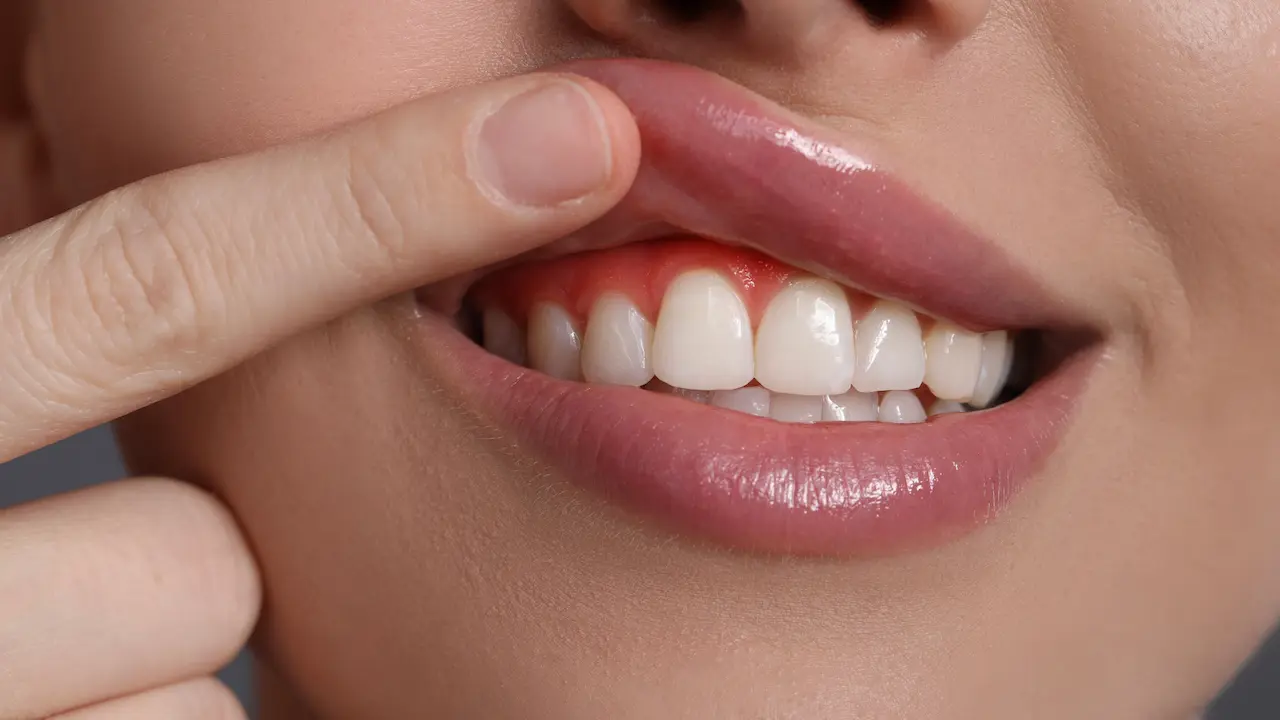
What is Periodontitis?

Main Causes

The development of periodontitis is generally associated with a combination of factors, among which:

Poor oral hygiene

Smoking

Diabetes

Autoimmune diseases

Hormonal Changes

Possible Symptoms

Some of the most common symptoms include:

1

1

Red, Swollen or Bleeding Gums

One of the first signs of periodontitis is the inflammation of the gums, which presents itself through redness, swelling, and bleeding during brushing or the use of dental floss. These symptoms indicate that the gum tissue contains the presence of bacteria and toxins.

2

2

Gum Recession

As the disease progresses, it is common for gum recession to occur, gradually exposing the roots of the teeth. In addition to compromising the aesthetics of the smile, this condition increases the vulnerability of the teeth to dental sensitivity and other issues.

3

3

Increased Dental Sensitivity

The exposure of dental roots due to gum recession can cause discomfort when consuming hot, cold, or sweet foods and beverages, impacting the patient's quality of life.

4

4

Bad Breath

Chronic halitosis is another common symptom of periodontitis. It occurs due to the accumulation of bacteria in the oral cavity and the degradation of inflamed tissues.

5

5

Presence of Periodontal Pockets

Periodontal pockets are spaces formed between the teeth and gums due to the destruction of the supporting tissue. These pockets accumulate food residues and bacteria, exacerbating inflammation.

6

6

Pain or Discomfort when Chewing

Inflammation and loss of support can cause discomfort or pain during chewing, making eating difficult.

7

7

Dental Mobility

In the advanced stages of periodontitis, the weakening of the bone and gum support can lead to tooth mobility, misalignment, or even tooth loss.

Marcar Consulta de Avaliação

If symptoms persist or worsen, it is important to undergo a dental assessment. Even in the absence of intense pain, regular follow-up is essential to prevent complications.

Available Treatments

Available Treatments

The treatment for periodontitis varies according to the severity of the disease, but the main objective is to control the infection, preserve the health of the supporting structures of the teeth, and prevent future complications. The main approaches include:

Scraping and Root Smoothing

Tartar and bacterial plaque removal: Deep cleaning is performed below the gum line, eliminating the accumulation of bacterial plaque and tartar.

Smoothing of the tooth root surface: The surfaces of the roots are smoothed to reduce areas where bacteria can adhere.

Tartar and bacterial plaque removal: Deep cleaning is performed below the gum line, eliminating the accumulation of bacterial plaque and tartar.

Smoothing of the tooth root surface: The surfaces of the roots are smoothed to reduce areas where bacteria can adhere.

Scraping and Root Smoothing

Tartar and bacterial plaque removal: Deep cleaning is performed below the gum line, eliminating the accumulation of bacterial plaque and tartar.

Smoothing of the tooth root surface: The surfaces of the roots are smoothed to reduce areas where bacteria can adhere.

Periodontal Surgery

Infection elimination: Surgical procedures help remove deeply inflamed and infected tissue.

Repair of damaged tissues: Techniques such as tissue grafts or bone regeneration can be used to restore the supporting structures of the teeth.

Infection elimination: Surgical procedures help remove deeply inflamed and infected tissue.

Repair of damaged tissues: Techniques such as tissue grafts or bone regeneration can be used to restore the supporting structures of the teeth.

Periodontal Surgery

Regular Maintenance

Periodic Check-ups: Regular visits to the dentist to monitor the condition and identify any signs of recurrence.

Proper Oral Hygiene: Reinforcing the importance of consistent brushing practices and flossing, tailored to the patient's needs.

Periodic Check-ups: Regular visits to the dentist to monitor the condition and identify any signs of recurrence.

Proper Oral Hygiene: Reinforcing the importance of consistent brushing practices and flossing, tailored to the patient's needs.

Regular Maintenance

Agreements and Partnerships

MALO CLINIC has agreements and partnerships that make it easier to access treatment, under specific conditions defined by each entity. You can also choose payment facilities depending on the type of treatment.

Agreements and Partnerships

MALO CLINIC has agreements and partnerships that make it easier to access treatment, under specific conditions defined by each entity. You can also choose payment facilities depending on the type of treatment.

Agreements and Partnerships

MALO CLINIC has agreements and partnerships that make it easier to access treatment, under specific conditions defined by each entity. You can also choose payment facilities depending on the type of treatment.

Frequently Asked Questions

1

Can periodontal disease be cured?

Although there is no definitive cure, periodontitis can be controlled with the appropriate treatment and rigorous maintenance.

2

How to prevent periodontitis?

Prevention involves good oral hygiene: regular brushing, use of dental floss, and regular visits to the dentist.

3

Is periodontitis hereditary?

Genetic factors may increase predisposition, but the main cause is the accumulation of bacterial plaque due to inadequate oral hygiene.

4

Are the treatments painful?

The procedures are performed under local anesthesia, minimizing discomfort.

5

Is it possible to lose teeth due to periodontitis?

Yes, especially in advanced cases. However, early diagnosis and treatment can prevent tooth loss.

6

What to expect from a periodontal consultation?

  • Assessment consultation;

  • Panoramic radiography;

  • Access to the most innovative treatment options on the market;

  • Treatment plan with solutions tailored to your case;

  • Follow-up by a highly specialized clinical team;

  • Maintenance/follow-up consultations;

  • Advice on possible dental aesthetic procedures to improve the aesthetic consequences of periodontitis

1

Can periodontal disease be cured?

Although there is no definitive cure, periodontitis can be controlled with the appropriate treatment and rigorous maintenance.

2

How to prevent periodontitis?

Prevention involves good oral hygiene: regular brushing, use of dental floss, and regular visits to the dentist.

3

Is periodontitis hereditary?

Genetic factors may increase predisposition, but the main cause is the accumulation of bacterial plaque due to inadequate oral hygiene.

4

Are the treatments painful?

The procedures are performed under local anesthesia, minimizing discomfort.

5

Is it possible to lose teeth due to periodontitis?

Yes, especially in advanced cases. However, early diagnosis and treatment can prevent tooth loss.

6

What to expect from a periodontal consultation?

  • Assessment consultation;

  • Panoramic radiography;

  • Access to the most innovative treatment options on the market;

  • Treatment plan with solutions tailored to your case;

  • Follow-up by a highly specialized clinical team;

  • Maintenance/follow-up consultations;

  • Advice on possible dental aesthetic procedures to improve the aesthetic consequences of periodontitis

Book your
Appointment

Fill out the form and our team will get in touch with you to schedule your appointment.

Book your
Appointment

Fill out the form and our team will get in touch with you to schedule your appointment.

Book your
Appointment

Fill out the form and our team will get in touch with you to schedule your appointment.

We accompany each step of your clinical journey, focusing on your comfort, confidence, and smile.

@ 2026 ALL RIGHTS RESERVED - MALO CLINIC SA NIF 503411434 ERS No. 12920

Desenvolvido por

We accompany each step of your clinical journey, focusing on your comfort, confidence, and smile.

@ 2026 ALL RIGHTS RESERVED - MALO CLINIC SA NIF 503411434 ERS No. 12920

Desenvolvido por