Dentistry

Treatment and restoration of teeth with injury, shape changes, or discoloration.

About the specialty of Dentistry

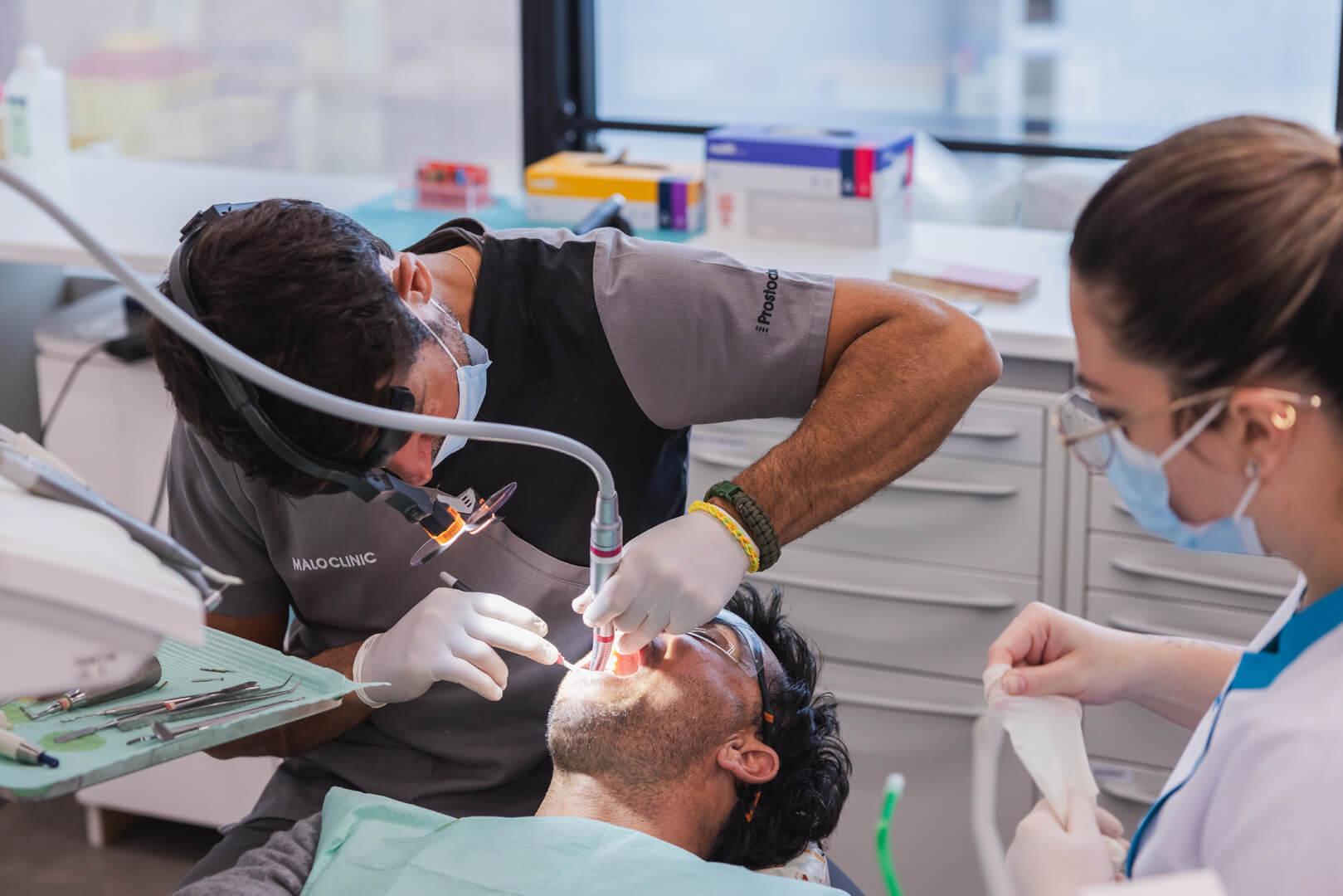
Restorative and Aesthetic Dentistry is the area of Dentistry responsible for the treatment and restoration of teeth with carious lesions, with changes in shape or color, and for the resolution of fractures, thus restoring their original appearance. 

In addition to contributing to an improvement in oral functions and eliminating potential causes of tooth pain, generally caused by carious lesions, the appropriate restorations carried out within this specialty not only restore the teeth but also help to prevent future problems, such as the onset of new cavities. Dentistry gives the patient a healthy and beautiful smile, contributing to an improvement in aesthetics and consequently in self-esteem.
About the specialty of Dentistry

Dentistry Solutions - Which is the best for you?

Each clinical situation is different, which is why Dentistry offers solutions tailored to the needs of each patient.
Dental Restoration with Caries Lesions

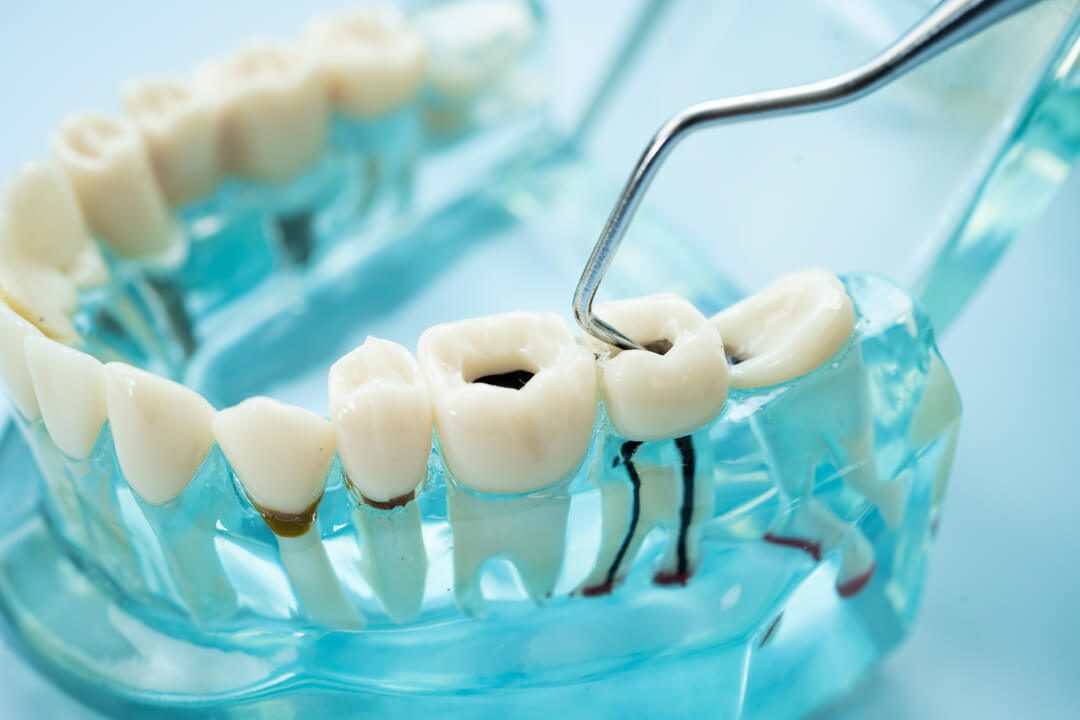
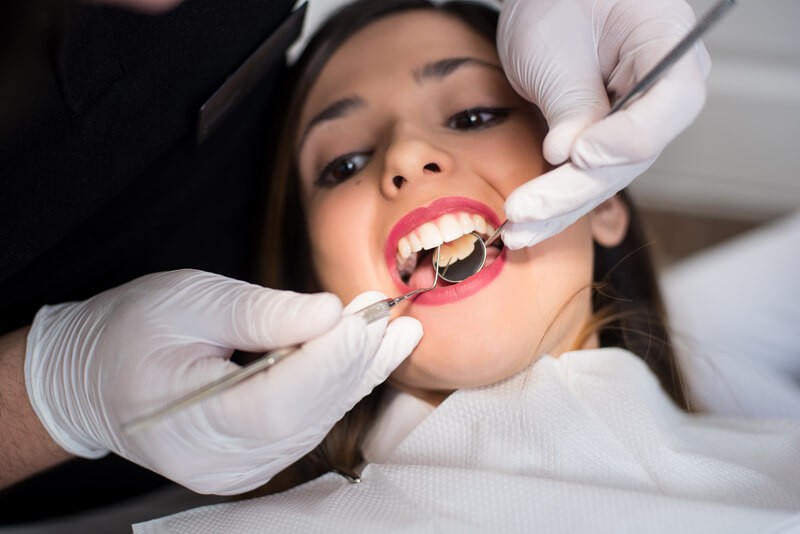
Caused by bacteria, tooth decay is the most common disease affecting the oral cavity, developing mainly in the grooves of the occlusal surfaces of the back teeth, between teeth, or along the gum line. If a tooth with a cavity lesion is not treated, it can turn into a complex problem and become completely destroyed. In addition to eliminating any toothache associated with tooth decay, treatment allows for the restoration of the tooth's health, function, and original appearance.

Dental Restoration with Caries Lesions

Caused by bacteria, tooth decay is the most common disease affecting the oral cavity, developing mainly in the grooves of the occlusal surfaces of the back teeth, between teeth, or along the gum line. If a tooth with a cavity lesion is not treated, it can turn into a complex problem and become completely destroyed. In addition to eliminating any toothache associated with tooth decay, treatment allows for the restoration of the tooth's health, function, and original appearance.

Benefits of Dentistry for Oral Health

1

1

Restoration of Dental Structure

One of the main benefits of Dentistry is the ability to restore the dental structure damaged by cavities, fractures or wear. The treatments performed not only repair visible damage but also help to restore the shape and structure of the teeth, preventing the need for more invasive future treatments.

2

2

Smile Aesthetic Improvement

Aesthetic dentistry treatments are effective for correcting stains, shape irregularities, and color changes in teeth, resulting in a more beautiful and harmonious smile. This transformation not only boosts the patient's confidence but also improves their social and professional interactions.

3

3

Oral Health Preservation

The treatment of teeth with cavities and their proper restoration prevents the progression of dental deterioration and avoids future complications such as infections, gum diseases, and ultimately tooth loss. Thus, Dentistry, by providing the patient with a healthy and lasting smile, contributes to the preservation of oral health. 

Our clinical team is here to help you.

At MALO CLINIC, your oral health is our priority.

Our clinical team is here to help you.

Clinical Cases

Real cases that demonstrate a rigorous clinical approach, focusing on the recovery of function, aesthetics, and quality of life.


The disclosure of cases was expressly authorized by the patients who unreservedly consented to their public exposure, as the disclosed informational elements are objectively true and can thus contribute to the free and informed choice of other patients.

The disclosure of cases was expressly authorized by the patients who unreservedly consented to its public publication, as the disclosed informative elements are objectively true and can thus contribute to the free and informed choice of other patients.

Clinical Team

Clinical Team

An experienced and qualified medical team, dedicated to safe, personalized, and patient-centered clinical support.

An experienced and qualified medical team, dedicated to safe, personalized, and patient-centered clinical support.

  • Bernardo Romão de Sousa | Dentist
    Bernardo Romão de Sousa
  • Cristina Palma | Dentist
    Cristina Palma
  • Eliana Castro | Dentist
    Eliana Castro
  • Helena Bonifácio | Dentist
    Helena Bonifácio
  • Inês C. Fernandes | Director of the Department of Dentistry
    Inês C. Fernandes
  • Joana Lima | Dentist
    Joana Lima
  • Margarida Cruz | Dentist
    Daisy Cruz
  • Raquel Lucas | Clinical Director of MALO CLINIC Faro
    Raquel Lucas
  • Ricardo Seixas Alves | Dentist
    Ricardo Seixas Alves
  • Bernardo Romão de Sousa | Dentist
    Bernardo Romão de Sousa
  • Cristina Palma | Dentist
    Cristina Palma
  • Eliana Castro | Dentist
    Eliana Castro
  • Helena Bonifácio | Dentist
    Helena Bonifácio
  • Inês C. Fernandes | Director of the Department of Dentistry
    Inês C. Fernandes
  • Joana Lima | Dentist
    Joana Lima
  • Margarida Cruz | Dentist
    Daisy Cruz
  • Raquel Lucas | Clinical Director of MALO CLINIC Faro
    Raquel Lucas
  • Ricardo Seixas Alves | Dentist
    Ricardo Seixas Alves

Agreements and Partnerships

MALO CLINIC has agreements and partnerships that make it easier to access treatment, under specific conditions defined by each entity. You can also choose payment facilities depending on the type of treatment.

Agreements and Partnerships

MALO CLINIC has agreements and partnerships that make it easier to access treatment, under specific conditions defined by each entity. You can also choose payment facilities depending on the type of treatment.

Agreements and Partnerships

MALO CLINIC has agreements and partnerships that make it easier to access treatment, under specific conditions defined by each entity. You can also choose payment facilities depending on the type of treatment.

Frequently Asked Questions

1

What is the difference between direct restorations and indirect restorations?

Direct restorations are performed directly in the mouth during the appointment. Using composite resins that resemble the natural colour of the patient's teeth, the dentist fills and restores teeth affected by cavities, fractures, or other imperfections. After being applied and shaped, the material is hardened with a special light (light curing), ensuring it is firm and durable. Direct restorations are quick to perform and generally do not require multiple appointments. The result is immediate, and the patient leaves the office with the tooth restored.

Indirect restorations, made of composite resin or ceramic, are produced in the laboratory from a mould or digital images previously taken at the office. Once the laboratory work is completed, the dentist cements the restoration to the tooth. This type of restoration offers greater strength and durability, making it ideal for extensive restorations or when extreme precision in shape and fit is necessary.

2

Is it possible to correct the gaps between my teeth without using braces?

Depending on the clinical situation, it may be possible to correct gaps between teeth using aesthetic dentistry techniques, such as direct restorations or veneers. Dentistry offers various options to change the shape and color of teeth in a natural and harmonious way.

3

What is the duration of a teeth whitening?

The duration of the treatment will always depend on the clinical situation of each patient and the type of procedure adopted. It is important for the patient to be informed that whitening products do not act on the materials that make up restorations, veneers, crowns, or partial or full dentures. Consult your dentist to define the best treatment plan to achieve a harmonious colour across the entire dentition.

4

Does teeth whitening have contraindications and side effects?

In general, whitening can be performed on anyone over the age of 18. However, it is essential to have an evaluation consultation to ensure that the procedure is carried out safely. There are also certain situations such as cavities, dental sensitivity, or periodontal diseases that may limit the possibility of performing whitening or require prior treatment. Dental whitening is not recommended during pregnancy and breastfeeding. The side effects often associated with whitening are increased dental sensitivity and gum discomfort. In these situations, your dentist may adjust the concentration of the bleaching product as well as the frequency/time of use of the trays to eliminate the associated discomfort and prescribe desensitizing agents.

1

What is the difference between direct restorations and indirect restorations?

Direct restorations are performed directly in the mouth during the appointment. Using composite resins that resemble the natural colour of the patient's teeth, the dentist fills and restores teeth affected by cavities, fractures, or other imperfections. After being applied and shaped, the material is hardened with a special light (light curing), ensuring it is firm and durable. Direct restorations are quick to perform and generally do not require multiple appointments. The result is immediate, and the patient leaves the office with the tooth restored.

Indirect restorations, made of composite resin or ceramic, are produced in the laboratory from a mould or digital images previously taken at the office. Once the laboratory work is completed, the dentist cements the restoration to the tooth. This type of restoration offers greater strength and durability, making it ideal for extensive restorations or when extreme precision in shape and fit is necessary.

2

Is it possible to correct the gaps between my teeth without using braces?

Depending on the clinical situation, it may be possible to correct gaps between teeth using aesthetic dentistry techniques, such as direct restorations or veneers. Dentistry offers various options to change the shape and color of teeth in a natural and harmonious way.

3

What is the duration of a teeth whitening?

The duration of the treatment will always depend on the clinical situation of each patient and the type of procedure adopted. It is important for the patient to be informed that whitening products do not act on the materials that make up restorations, veneers, crowns, or partial or full dentures. Consult your dentist to define the best treatment plan to achieve a harmonious colour across the entire dentition.

4

Does teeth whitening have contraindications and side effects?

In general, whitening can be performed on anyone over the age of 18. However, it is essential to have an evaluation consultation to ensure that the procedure is carried out safely. There are also certain situations such as cavities, dental sensitivity, or periodontal diseases that may limit the possibility of performing whitening or require prior treatment. Dental whitening is not recommended during pregnancy and breastfeeding. The side effects often associated with whitening are increased dental sensitivity and gum discomfort. In these situations, your dentist may adjust the concentration of the bleaching product as well as the frequency/time of use of the trays to eliminate the associated discomfort and prescribe desensitizing agents.

Book your
Appointment

Fill out the form and our team will get in touch with you to schedule your appointment.

Book your
Appointment

Fill out the form and our team will get in touch with you to schedule your appointment.

Book your
Appointment

Fill out the form and our team will get in touch with you to schedule your appointment.

We accompany each step of your clinical journey, focusing on your comfort, confidence, and smile.

@ 2026 ALL RIGHTS RESERVED - MALO CLINIC SA NIF 503411434 ERS No. 12920

Developed by

We accompany each step of your clinical journey, focusing on your comfort, confidence, and smile.

@ 2026 ALL RIGHTS RESERVED - MALO CLINIC SA NIF 503411434 ERS No. 12920

Developed by