Bruxism
Crossbite
Tartar
Cavity
Dental Abscess
Cold Sore
Aphthae
Xerostomia
Gingivitis
Periodontitis
Jaw or Orofacial Pain
Bruxism
Crossbite
Tartar
Cavity
Dental Abscess
Cold Sore
Aphthae
Xerostomia
Gingivitis
Periodontitis
Jaw or Orofacial Pain
Bruxism
Crossbite
Tartar
Cavity
Dental Abscess
Cold Sore
Aphthae
Xerostomia
Gingivitis
Periodontitis
Jaw or Orofacial Pain
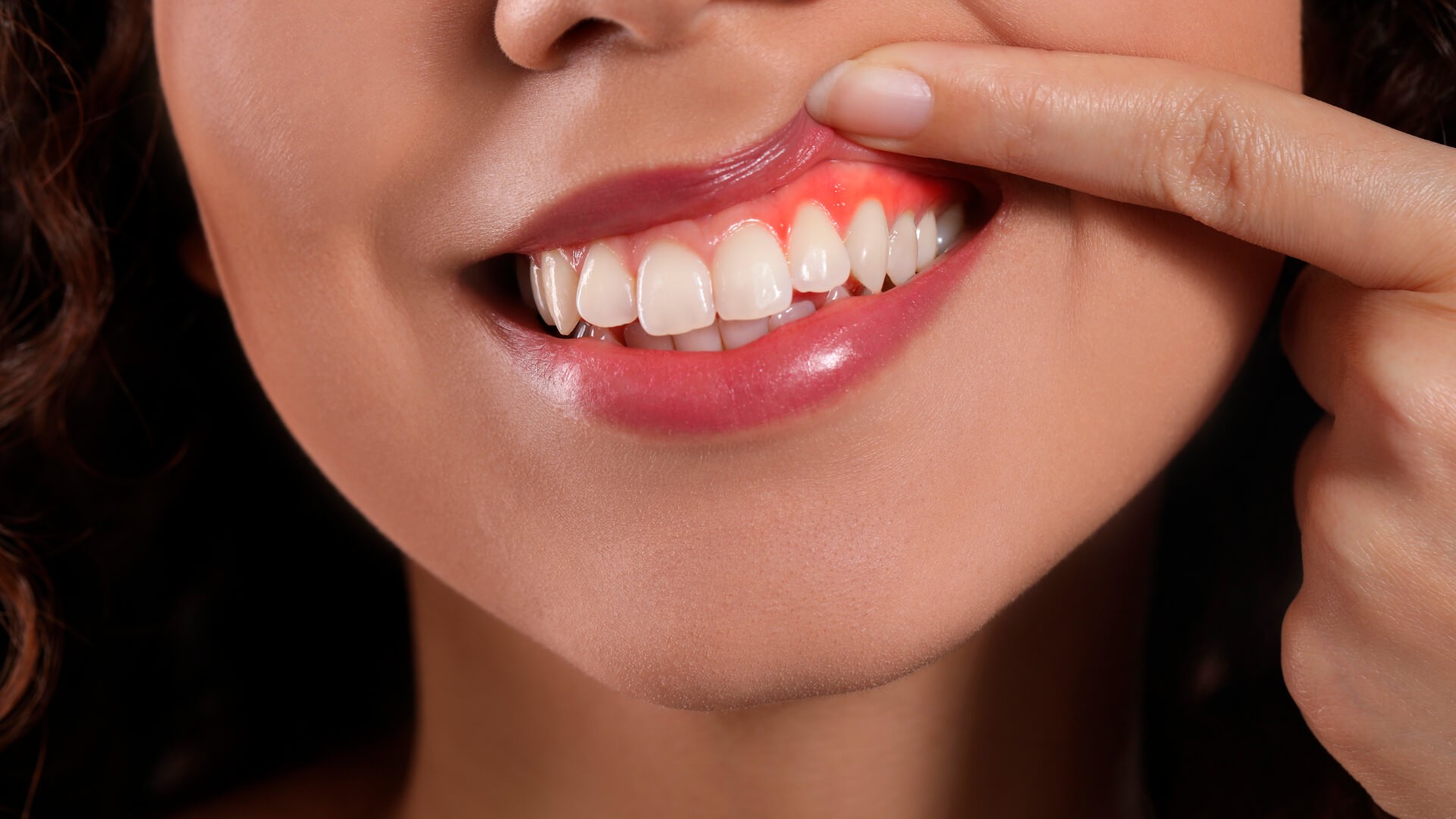
Periodontology
Prevention, diagnosis, and treatment of diseases that affect the gums and supporting tissues of the teeth.
About the specialty of Periodontology
Periodontology is the specialty of Dentistry dedicated to the diagnosis, prevention, and treatment of gingivitis and periodontitis, diseases that affect the gums and the supporting tissues of the teeth, caused by the accumulation of plaque and tartar.
Gingivitis causes inflammation, bleeding, and pain in the gums and can progress to periodontitis if not treated. This more serious form leads to irreversible bone loss, tooth mobility, and tooth loss, being exacerbated by factors such as smoking, stress, genetics, or diabetes.

Benefits of Periodontology for Oral Health
1
1
Prevention of Periodontal Diseases
Periodontology focuses on prevention, providing guidance on oral hygiene and gum care to avoid conditions such as gingivitis and periodontitis.
2
2
Natural Teeth Maintenance
In treating and controlling periodontal diseases, Periodontology helps to preserve natural teeth, preventing the early loss of teeth or the need for extractions.
3
3
Specialized Treatment
Periodontists use specific techniques and treatments to combat gum diseases, such as root planing, periodontal surgery, and laser therapy.
4
4
Improvement of General Health
periodontal health is closely linked to overall health. Proper treatment of the gums can help prevent and control systemic diseases, such as heart disease and diabetes.

At MALO CLINIC, your oral health is our priority.
Our clinical team is here to help you.
Clinical Cases
Real cases that demonstrate a rigorous clinical approach, focusing on the recovery of function, aesthetics, and quality of life.
The disclosure of cases was expressly authorized by the patients who unreservedly consented to their public exposure, as the disclosed informational elements are objectively true and can thus contribute to the free and informed choice of other patients.
The disclosure of cases was expressly authorized by the patients who unreservedly consented to its public publication, as the disclosed informative elements are objectively true and can thus contribute to the free and informed choice of other patients.
What conditions can the specialty of Periodontology treat?
Gingivitis
Gum inflammation, usually caused by bacterial plaque. Periodontology treatment includes professional scaling and guidance on good oral hygiene practices.
Gum inflammation, usually caused by bacterial plaque. Periodontology treatment includes professional scaling and guidance on good oral hygiene practices.
Periodontitis
If not diagnosed and treated, gingivitis can progress, leading to the loss of bone tissue and teeth. The treatment of periodontitis includes procedures such as root planing, and sometimes periodontal surgeries.
If not diagnosed and treated, gingivitis can progress, leading to the loss of bone tissue and teeth. The treatment of periodontitis includes procedures such as root planing, and sometimes periodontal surgeries.
Gum Recession
Condition where the gums recede, exposing the roots of the teeth. Periodontics treatment may include deep cleanings or gum grafts to cover the exposed areas.
Condition where the gums recede, exposing the roots of the teeth. Periodontics treatment may include deep cleanings or gum grafts to cover the exposed areas.
Periodontal Abscesses
Acute infections in the gums that can cause intense pain and swelling. Periodontology treatments include abscess drainage, antimicrobial therapies, and treatment of the cause.
Acute infections in the gums that can cause intense pain and swelling. Periodontology treatments include abscess drainage, antimicrobial therapies, and treatment of the cause.
Clinical Team
Clinical Team
An experienced and qualified medical team, dedicated to safe, personalized, and patient-centered clinical support.
An experienced and qualified medical team, dedicated to safe, personalized, and patient-centered clinical support.

Ana Santos Ferro

Armando Veiga Lopes

Bruno Darling

Cristina Palma

Diogo Santos

Mariana Nunes

Miguel Gouveia
Ana Santos Ferro
Armando Veiga Lopes
Bruno Darling
Cristina Palma
Diogo Santos
Mariana Nunes
Miguel Gouveia
Agreements and Partnerships
MALO CLINIC has agreements and partnerships that make it easier to access treatment, under specific conditions defined by each entity. You can also choose payment facilities depending on the type of treatment.




Agreements and Partnerships
MALO CLINIC has agreements and partnerships that make it easier to access treatment, under specific conditions defined by each entity. You can also choose payment facilities depending on the type of treatment.
Agreements and Partnerships
MALO CLINIC has agreements and partnerships that make it easier to access treatment, under specific conditions defined by each entity. You can also choose payment facilities depending on the type of treatment.
Frequently Asked Questions
1
What is periodontitis and how can it be prevented?
Periodontitis is a serious inflammation of the gums that can destroy the supporting bone of the teeth. It can be prevented with good oral hygiene, including daily brushing and flossing, and regular visits to the periodontist and dental hygienist.
2
What are the symptoms of periodontal diseases?
The symptoms include red, swollen gums that bleed easily, persistent bad breath, gum recession, and teeth that are mobile or progressively separating.
3
How is periodontitis treated?
The treatment of periodontitis may include teaching brushing and interdental cleaning techniques, root scaling (a procedure that removes bacterial plaque and tartar from the surfaces of the teeth and roots), antimicrobial therapies, and sometimes periodontal surgery to clean deep pockets and regenerate affected or lost tissue.
4
Can gum recession be corrected?
Gum recession can be treated, with the treatment varying depending on the stage at which the pathology is diagnosed. The most common approach is to perform a deep root cleaning to eliminate bacterial plaque and tartar that is lodged beneath the gums and between the teeth. In cases of more localized recessions, it may be necessary to carry out gum graft surgery for the regeneration of lost gum tissue.
5
What is the connection between periodontal health and general health?
Studies show that periodontal health is linked to overall health. Periodontal diseases have been associated with conditions such as heart disease, diabetes, complications during pregnancy, and other systemic diseases, as bacteria from the mouth enter the bloodstream and spread throughout the rest of the body. Maintaining good periodontal health can help prevent these problems.
6
What causes periodontal disease?
The main cause of periodontal diseases is dental plaque, a sticky film of bacteria that constantly forms on the teeth. Factors such as smoking, diabetes, genetic predisposition, poor oral hygiene, and certain medical conditions can increase the risk of developing periodontal diseases.
7
How can I prevent tooth loss due to periodontal disease?
Prevention involves a combination of good oral hygiene, including daily brushing and flossing, regular visits to the dentist for check-ups, and avoiding risk factors such as smoking. Maintaining a healthy lifestyle, including a balanced diet, can also help.
8
What is the difference between gingivitis and periodontitis?
Gingivitis is the initial form of periodontal disease, characterized by inflammation and bleeding of the gums, without bone loss. If left untreated, it can progress to periodontitis, a more severe form that involves the destruction of the supporting tissues of the teeth, including bone.
9
Is periodontal disease hereditary?
Although plaque is the primary cause of periodontal disease, genetic predisposition can increase the risk. If there is a family history of periodontal diseases, it is important to be especially diligent about oral hygiene and visits to the periodontist.
1
What is periodontitis and how can it be prevented?
Periodontitis is a serious inflammation of the gums that can destroy the supporting bone of the teeth. It can be prevented with good oral hygiene, including daily brushing and flossing, and regular visits to the periodontist and dental hygienist.
2
What are the symptoms of periodontal diseases?
The symptoms include red, swollen gums that bleed easily, persistent bad breath, gum recession, and teeth that are mobile or progressively separating.
3
How is periodontitis treated?
The treatment of periodontitis may include teaching brushing and interdental cleaning techniques, root scaling (a procedure that removes bacterial plaque and tartar from the surfaces of the teeth and roots), antimicrobial therapies, and sometimes periodontal surgery to clean deep pockets and regenerate affected or lost tissue.
4
Can gum recession be corrected?
Gum recession can be treated, with the treatment varying depending on the stage at which the pathology is diagnosed. The most common approach is to perform a deep root cleaning to eliminate bacterial plaque and tartar that is lodged beneath the gums and between the teeth. In cases of more localized recessions, it may be necessary to carry out gum graft surgery for the regeneration of lost gum tissue.
5
What is the connection between periodontal health and general health?
Studies show that periodontal health is linked to overall health. Periodontal diseases have been associated with conditions such as heart disease, diabetes, complications during pregnancy, and other systemic diseases, as bacteria from the mouth enter the bloodstream and spread throughout the rest of the body. Maintaining good periodontal health can help prevent these problems.
6
What causes periodontal disease?
The main cause of periodontal diseases is dental plaque, a sticky film of bacteria that constantly forms on the teeth. Factors such as smoking, diabetes, genetic predisposition, poor oral hygiene, and certain medical conditions can increase the risk of developing periodontal diseases.
7
How can I prevent tooth loss due to periodontal disease?
Prevention involves a combination of good oral hygiene, including daily brushing and flossing, regular visits to the dentist for check-ups, and avoiding risk factors such as smoking. Maintaining a healthy lifestyle, including a balanced diet, can also help.
8
What is the difference between gingivitis and periodontitis?
Gingivitis is the initial form of periodontal disease, characterized by inflammation and bleeding of the gums, without bone loss. If left untreated, it can progress to periodontitis, a more severe form that involves the destruction of the supporting tissues of the teeth, including bone.
9
Is periodontal disease hereditary?
Although plaque is the primary cause of periodontal disease, genetic predisposition can increase the risk. If there is a family history of periodontal diseases, it is important to be especially diligent about oral hygiene and visits to the periodontist.
Book your
Appointment
Fill out the form and our team will get in touch with you to schedule your appointment.
Book your
Appointment
Fill out the form and our team will get in touch with you to schedule your appointment.
Book your
Appointment
Fill out the form and our team will get in touch with you to schedule your appointment.
We accompany each step of your clinical journey, focusing on your comfort, confidence, and smile.
THE MALO CLINIC
Talk to us
(Call to the national fixed network)
@ 2026 ALL RIGHTS RESERVED - MALO CLINIC SA NIF 503411434 ERS No. 12920
Developed by
We accompany each step of your clinical journey, focusing on your comfort, confidence, and smile.
THE MALO CLINIC
Talk to us
(Call to the national fixed network)
@ 2026 ALL RIGHTS RESERVED - MALO CLINIC SA NIF 503411434 ERS No. 12920
Developed by