Crossbite

The Crossbite is when the upper teeth close inside the lower teeth, which can cause dental wear, asymmetries, and chewing problems.

What is Crossbite?

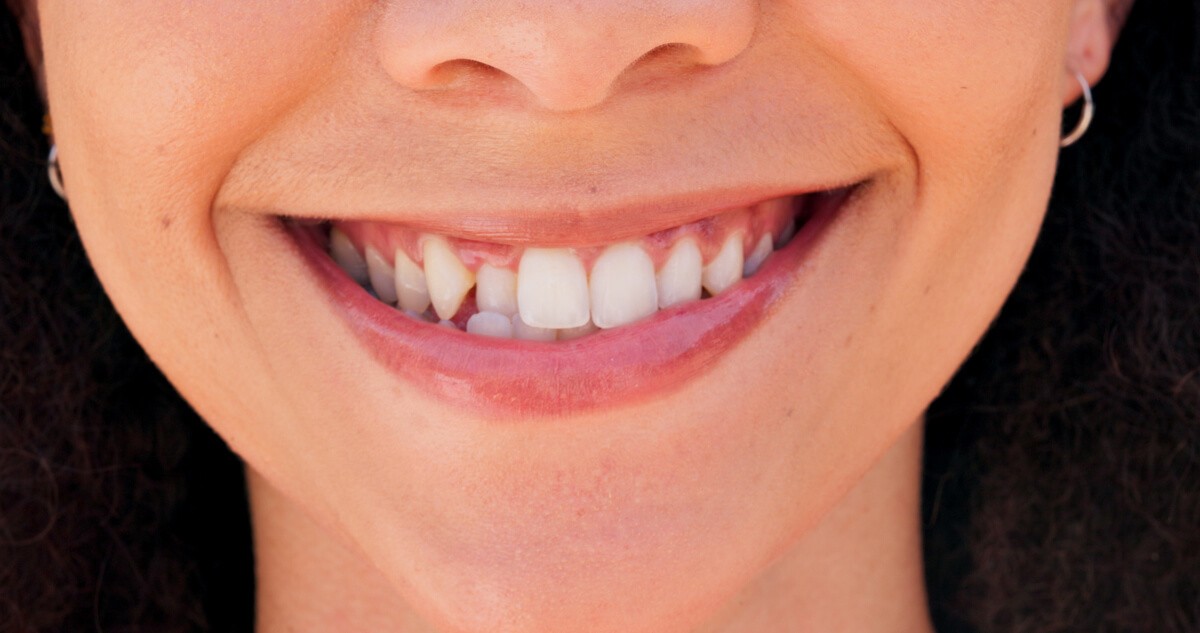
The Crossbite occurs when the upper teeth close inside the lower ones, which can be unilateral or bilateral. This condition can have genetic, functional, or environmental causes, such as anomalies in the development of the jaws, oral breathing, irregular chewing patterns, or early loss of baby teeth. Habits like thumb sucking or prolonged use of a pacifier are also associated. Early diagnosis is essential to prevent future complications.
What is Crossbite?

Main Causes

The development of Crossbite is generally associated with a combination of factors, among which:

Genetic factors

Abnormalities in the development of the jaws

Breathing oral

Irregular chewing patterns

Prolonged oral habits

Possible Symptoms

The symptoms of crossbite can vary depending on the severity and type. Some of the most common signs include: tooth wear, difficulty in chewing, facial asymmetries, pain or discomfort in the jaw, and temporomandibular joint problems.

1

1

To Children

In children and adolescents, the existence of a crossbite can impair the normal development of the facial bones, and it is common in cases of unilateral crossbite to even have facial asymmetry. It can also cause changes in phonation (pronunciation of words), chewing, and even breathing.

2

2

In Adults

In addition to the aesthetic impact, which can affect the patient's self-esteem, a crossbite is often associated with TMJ disorders (temporomandibular joint disorders). Among the most common symptoms are head and jaw pain, clicks, limited opening and closing of the mouth, and ringing in the ears. Incorrect contact between the teeth can also lead to dental wear, fractures, and gum recession, increasing the risk of functional and structural problems in the long term.

Marcar Consulta de Avaliação

If symptoms persist, worsen, or if you notice visible changes in your teeth, it is important to have a dental assessment.

Available Treatments

Available Treatments

When discussing the treatment of a crossbite, the approach varies substantially depending on the stage of life in which the diagnosis is made and the treatment planned.

Treatments in Children

Without treatment, a crossbite does not correct itself, so it is ideal to start monitoring early. The treatment may include retainers, removable appliances or palatal expanders, aiming to expand the jaw, correct the malocclusion, and retrain the neuromuscular system of the mouth, restoring chewing and speech functions correctly.

Without treatment, a crossbite does not correct itself, so it is ideal to start monitoring early. The treatment may include retainers, removable appliances or palatal expanders, aiming to expand the jaw, correct the malocclusion, and retrain the neuromuscular system of the mouth, restoring chewing and speech functions correctly.

Treatments in Children

Without treatment, a crossbite does not correct itself, so it is ideal to start monitoring early. The treatment may include retainers, removable appliances or palatal expanders, aiming to expand the jaw, correct the malocclusion, and retrain the neuromuscular system of the mouth, restoring chewing and speech functions correctly.

Treatments in Adults

The treatment of crossbite in adults tends to be longer than in children, due to greater bone rigidity. With proper monitoring and patient collaboration, it is possible to achieve a functional and healthy bite. Treatment mainly involves fixed orthodontic appliances, sometimes combined with removable appliances. Exceptional and complex cases may require orthognathic surgery to correct the position of the jaws.

The treatment of crossbite in adults tends to be longer than in children, due to greater bone rigidity. With proper monitoring and patient collaboration, it is possible to achieve a functional and healthy bite. Treatment mainly involves fixed orthodontic appliances, sometimes combined with removable appliances. Exceptional and complex cases may require orthognathic surgery to correct the position of the jaws.

Treatments in Adults

Agreements and Partnerships

MALO CLINIC has agreements and partnerships that make it easier to access treatment, under specific conditions defined by each entity. You can also choose payment facilities depending on the type of treatment.

Agreements and Partnerships

MALO CLINIC has agreements and partnerships that make it easier to access treatment, under specific conditions defined by each entity. You can also choose payment facilities depending on the type of treatment.

Agreements and Partnerships

MALO CLINIC has agreements and partnerships that make it easier to access treatment, under specific conditions defined by each entity. You can also choose payment facilities depending on the type of treatment.

Frequently Asked Questions

1

What are the causes of Crossbite?

The causes can be varied, including genetic factors, oral habits such as thumb sucking or prolonged use of a pacifier, and abnormal growth of the jaw bones.

2

What are the symptoms of a Crossbite?

Symptoms may include difficulties in chewing, uneven dental wear, jaw pain, headaches, and in severe cases, temporomandibular joint (TMJ) problems.

3

Can a Crossbite be corrected at any age?

Yes, although it is more effective to correct this condition during childhood, many adults can also benefit from treatment by recovering a functional and healthy bite and avoiding more complex situations in the future.

4

What happens if I don't treat my Crossbite?

As a serious problem of malocclusion, this pathology should ideally be treated early in childhood so that it does not influence the entire process of facial growth and development. Without intervention, the most common occurrence is asymmetrical growth of the face or a displacement of the jaw, which, in addition to the obvious aesthetic impact, will have other consequences in the future, such as chronic pain in the jaw and the development of temporomandibular disorders. Besides dental wear, it is also important to mention that patients with crossbites have a higher susceptibility to developing cavities and periodontal diseases due to the difficulty of maintaining proper hygiene.

5

How long does it take to correct a Crossbite?

The treatment time will always depend on the severity of the problem and the age at which it is started. Thus, the average treatment time can range from a few months to 2 to 3 years, depending, in the case of children and adolescents, also on the natural evolution of jaw growth and the eruption of permanent teeth.

6

Can Crossbite return after treatment?

With proper treatment and the use of retainers after the removal of orthodontic appliances, the likelihood of relapse is minimal. However, it is important to follow the dentist's recommendations and have regular check-up appointments to detect any potential problems in a timely manner.

1

What are the causes of Crossbite?

The causes can be varied, including genetic factors, oral habits such as thumb sucking or prolonged use of a pacifier, and abnormal growth of the jaw bones.

2

What are the symptoms of a Crossbite?

Symptoms may include difficulties in chewing, uneven dental wear, jaw pain, headaches, and in severe cases, temporomandibular joint (TMJ) problems.

3

Can a Crossbite be corrected at any age?

Yes, although it is more effective to correct this condition during childhood, many adults can also benefit from treatment by recovering a functional and healthy bite and avoiding more complex situations in the future.

4

What happens if I don't treat my Crossbite?

As a serious problem of malocclusion, this pathology should ideally be treated early in childhood so that it does not influence the entire process of facial growth and development. Without intervention, the most common occurrence is asymmetrical growth of the face or a displacement of the jaw, which, in addition to the obvious aesthetic impact, will have other consequences in the future, such as chronic pain in the jaw and the development of temporomandibular disorders. Besides dental wear, it is also important to mention that patients with crossbites have a higher susceptibility to developing cavities and periodontal diseases due to the difficulty of maintaining proper hygiene.

5

How long does it take to correct a Crossbite?

The treatment time will always depend on the severity of the problem and the age at which it is started. Thus, the average treatment time can range from a few months to 2 to 3 years, depending, in the case of children and adolescents, also on the natural evolution of jaw growth and the eruption of permanent teeth.

6

Can Crossbite return after treatment?

With proper treatment and the use of retainers after the removal of orthodontic appliances, the likelihood of relapse is minimal. However, it is important to follow the dentist's recommendations and have regular check-up appointments to detect any potential problems in a timely manner.

Book your
Appointment

Fill out the form and our team will get in touch with you to schedule your appointment.

Book your
Appointment

Fill out the form and our team will get in touch with you to schedule your appointment.

Book your
Appointment

Fill out the form and our team will get in touch with you to schedule your appointment.

We accompany each step of your clinical journey, focusing on your comfort, confidence, and smile.

@ 2026 ALL RIGHTS RESERVED - MALO CLINIC SA NIF 503411434 ERS No. 12920

Developed by

We accompany each step of your clinical journey, focusing on your comfort, confidence, and smile.

@ 2026 ALL RIGHTS RESERVED - MALO CLINIC SA NIF 503411434 ERS No. 12920

Developed by