Bruxism
Crossbite
Tartar
Cavity
Dental Abscess
Cold Sore
Aphthae
Xerostomia
Gingivitis
Periodontitis
Jaw or Orofacial Pain
Bruxism
Crossbite
Tartar
Cavity
Dental Abscess
Cold Sore
Aphthae
Xerostomia
Gingivitis
Periodontitis
Jaw or Orofacial Pain
Bruxism
Crossbite
Tartar
Cavity
Dental Abscess
Cold Sore
Aphthae
Xerostomia
Gingivitis
Periodontitis
Jaw or Orofacial Pain
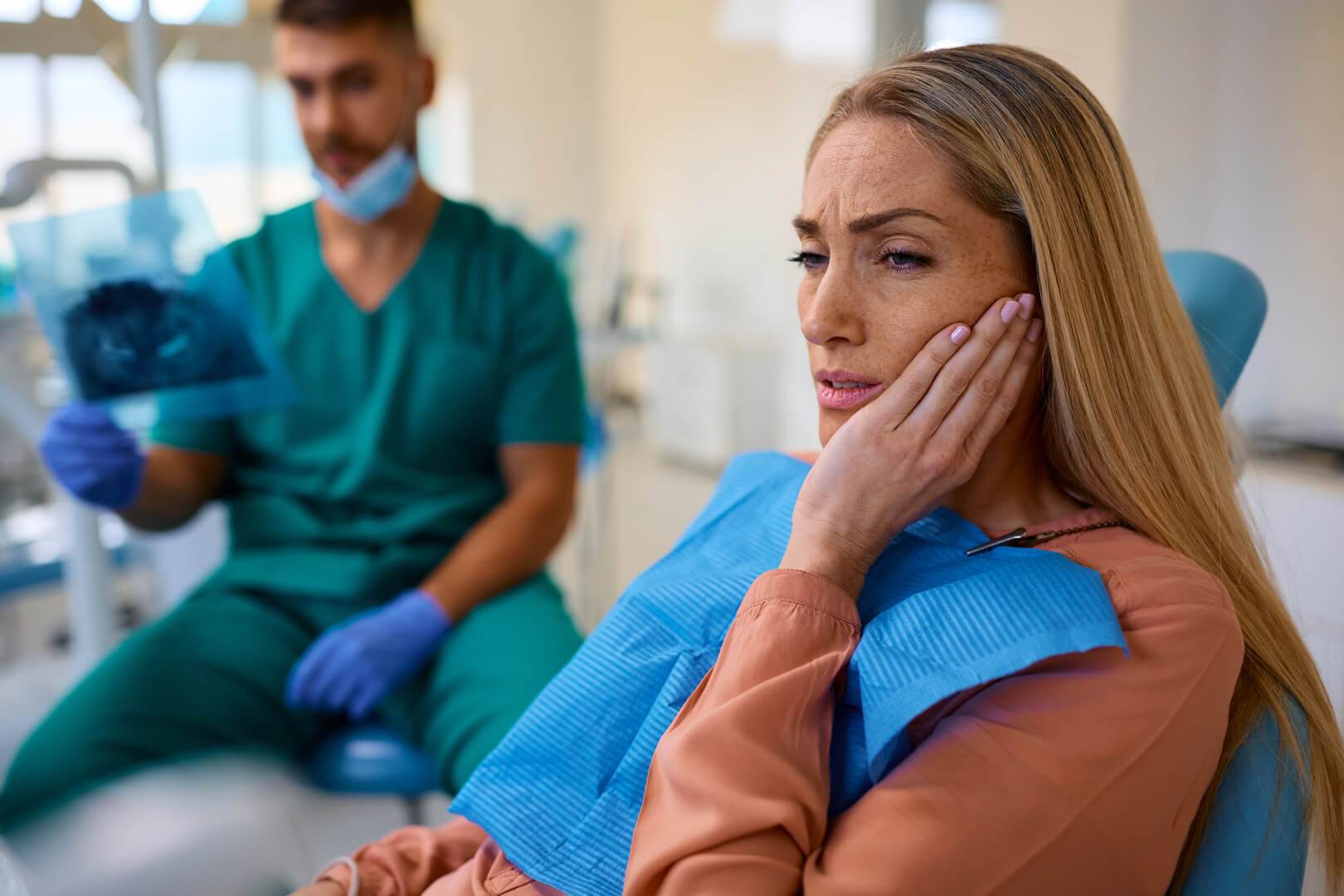
Oral-Facial Pain and Sleep
Assessment, diagnosis, and treatment of the temporomandibular joint, facial muscles, and mechanisms of sleep.
About the specialty Facial Pain and Sleep
Orofacial pain, such as frequent headaches, noise or tension in the jaw, and sleep disorders are often interconnected and associated with changes in the temporomandibular joint, facial muscle function, and sleep mechanisms.
The Orofacial Pain and Sleep Consultation at MALO CLINIC was created to assess and treat these conditions in an integrated manner based on scientific evidence, addressing a common and underdiagnosed problem that significantly affects quality of life.
This consultation is intended for complex clinical situations such as temporomandibular dysfunction, bruxism, chronic facial pain, and sleep-related respiratory disorders, including obstructive apnea.
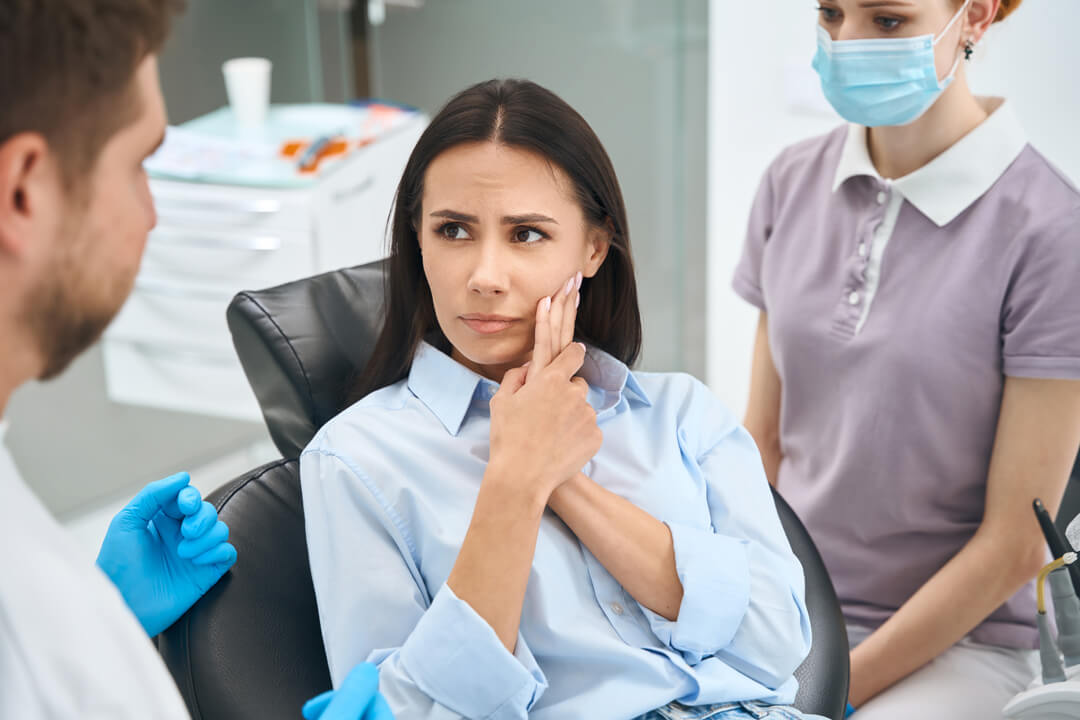
When to seek the Consultation of Facial Pain and Sleep?

Headaches with no identified cause.
Recurring headaches may have a muscular or joint origin or be related to sleep disorders, and are often underdiagnosed.
Headaches with no identified cause.
Recurring headaches may have a muscular or joint origin or be related to sleep disorders, and are often underdiagnosed.
Benefits of Orofacial Pain and Sleep Consultation
1
1
Accurate Diagnosis
Many patients live for years with symptoms they do not associate with the jaw, dental occlusion, or sleep, such as headaches, neck tension, fatigue when chewing, the sensation of a "blocked ear", teeth grinding, or daytime drowsiness. The consultation allows for the identification of patterns and the correlation of these signs with muscular, joint, or respiratory alterations.
2
2
Multidisciplinary Approach
The coordination between different areas of health allows treatment not to be limited to immediate relief, but to promote complete and sustainable functional recovery.
3
3
Adapted Treatment Plan
Each patient receives a personalized treatment plan, tailored to their anatomical particularities, habits, routine, and medical history. MALO CLINIC always focuses on sustainable, safe, and science-based solutions.
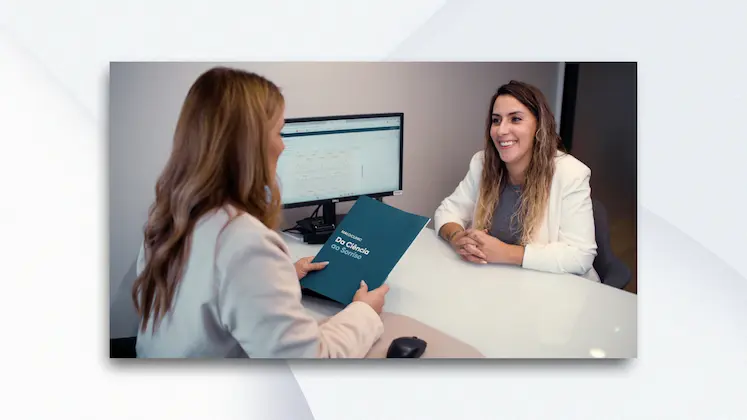
At MALO CLINIC, your oral health is our priority.
Our clinical team is here to help you.
What pathologies can the specialty of Orofacial Pain and Sleep treat?
Temporomandibular Disorders (TMD)
They can cause clicks or joint noises, difficulty in opening the mouth, pain when chewing, headaches, and muscle tension. TMJ disorders have various causes and require a precise and integrated diagnosis.
They can cause clicks or joint noises, difficulty in opening the mouth, pain when chewing, headaches, and muscle tension. TMJ disorders have various causes and require a precise and integrated diagnosis.
Chronic Orofacial Pain
It can affect various regions: jaw, face, neck, oral cavity, and even the head. Often, this pain is persistent and interferes with simple activities such as talking, chewing, or yawning.
It can affect various regions: jaw, face, neck, oral cavity, and even the head. Often, this pain is persistent and interferes with simple activities such as talking, chewing, or yawning.
Bruxism
Can be responsible for tooth wear, tooth fractures or dental rehabilitation, tooth movements, pain and muscle tension, and a feeling of fatigue upon waking.
Can be responsible for tooth wear, tooth fractures or dental rehabilitation, tooth movements, pain and muscle tension, and a feeling of fatigue upon waking.
Sleep Respiratory Disorders
Just like obstructive sleep apnea, responsible for snoring, breathing pauses, nighttime awakenings, and daytime fatigue – the feeling of always waking up tired. This condition can have a significant cardiovascular, metabolic, neurological impact among many others, so it requires strict monitoring.
Just like obstructive sleep apnea, responsible for snoring, breathing pauses, nighttime awakenings, and daytime fatigue – the feeling of always waking up tired. This condition can have a significant cardiovascular, metabolic, neurological impact among many others, so it requires strict monitoring.
Clinical Team
Clinical Team
An experienced and qualified medical team, dedicated to safe, personalized, and patient-centered clinical support.
An experienced and qualified medical team, dedicated to safe, personalized, and patient-centered clinical support.
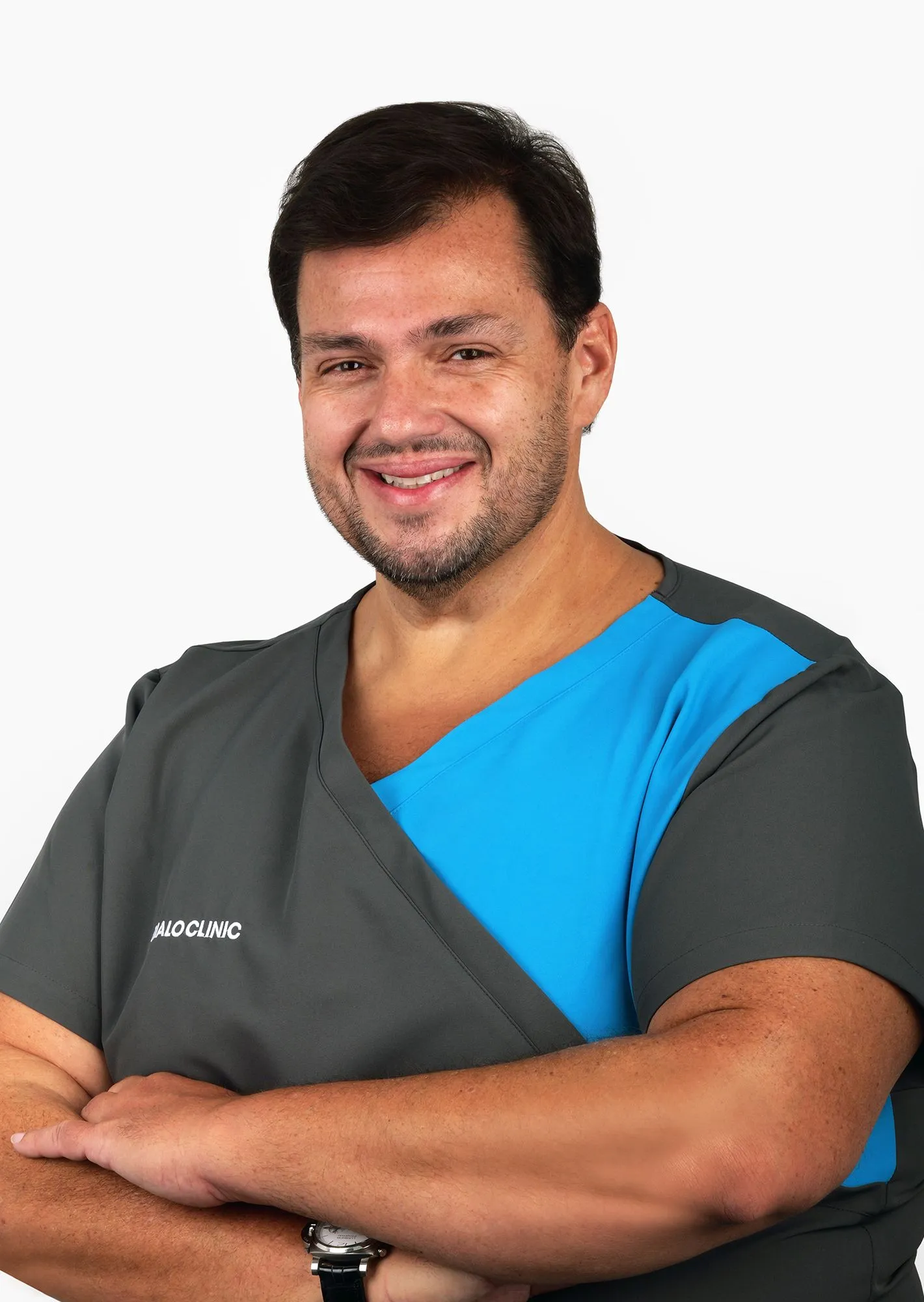
André Mariz de Almeida
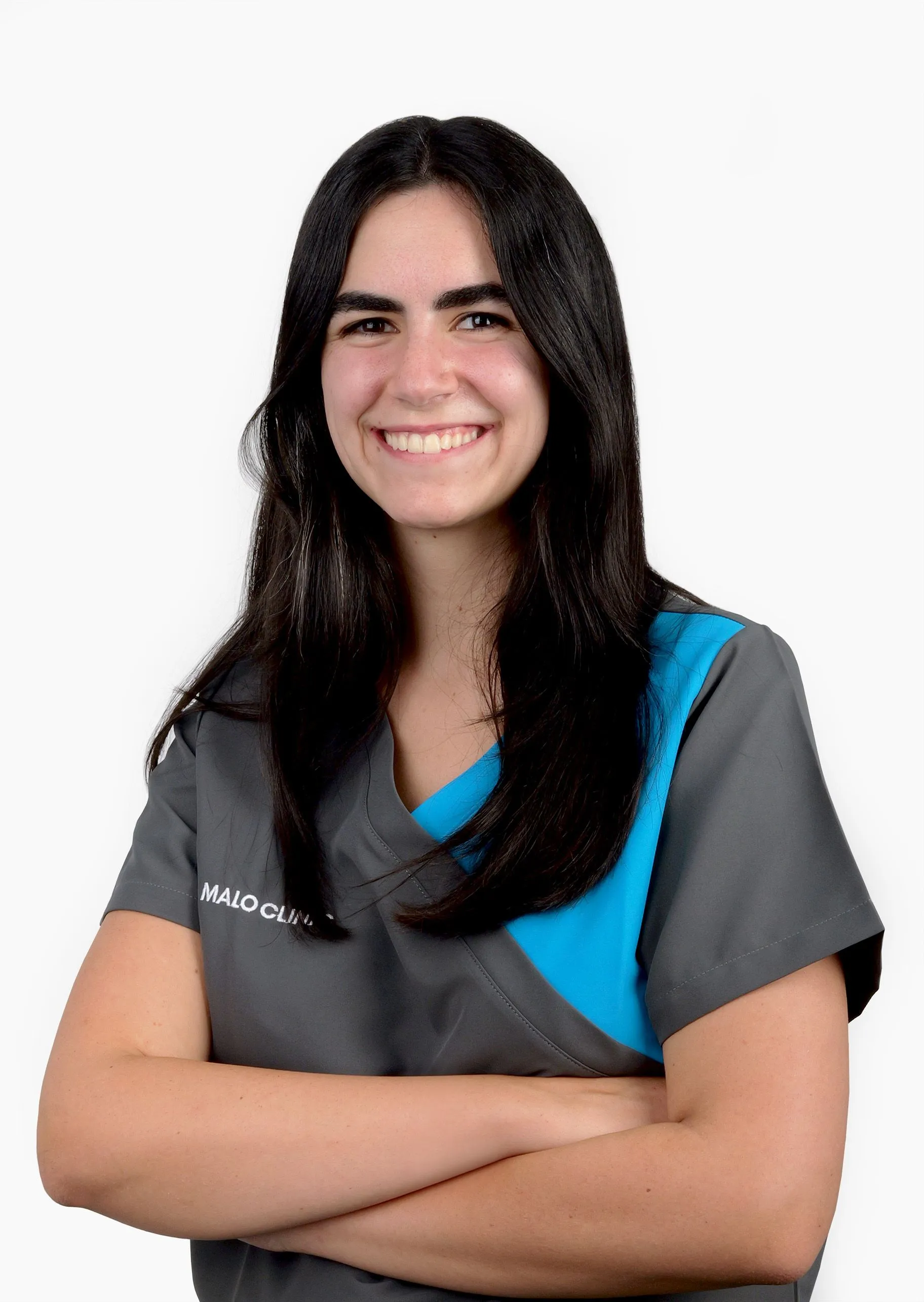
Beatriz Imaginário

Madalena Hunter
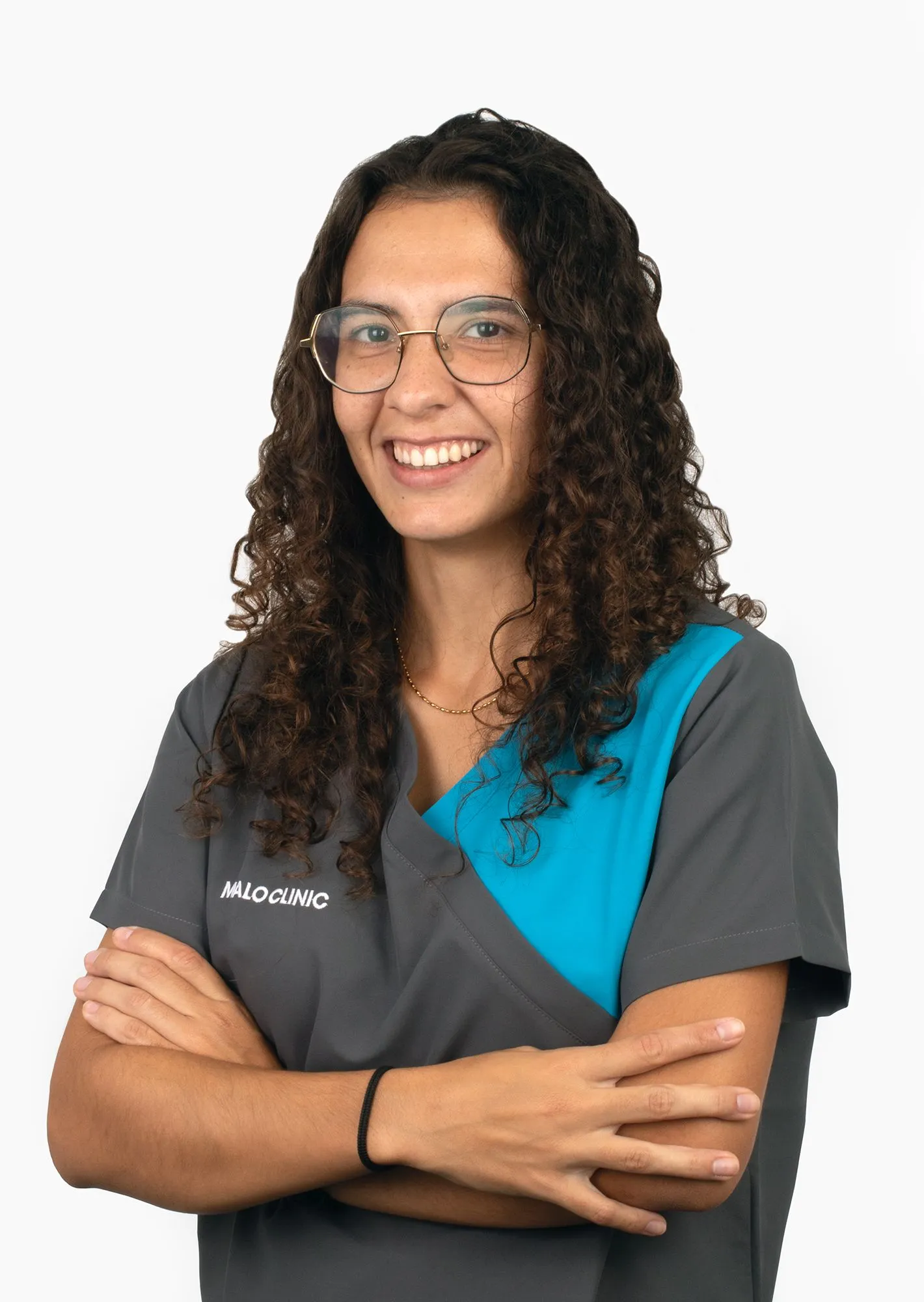
Mariana Santos
André Mariz de Almeida
Beatriz Imaginário
Madalena Hunter
Mariana Santos
Agreements and Partnerships
MALO CLINIC has agreements and partnerships that make it easier to access treatment, under specific conditions defined by each entity. You can also choose payment facilities depending on the type of treatment.




Agreements and Partnerships
MALO CLINIC has agreements and partnerships that make it easier to access treatment, under specific conditions defined by each entity. You can also choose payment facilities depending on the type of treatment.
Agreements and Partnerships
MALO CLINIC has agreements and partnerships that make it easier to access treatment, under specific conditions defined by each entity. You can also choose payment facilities depending on the type of treatment.
Frequently Asked Questions
1
Can orofacial pain be related to stress?
Yes. Stress is often associated with increased muscle tension, teeth grinding, and changes in sleep patterns. These factors, among others such as hyperfocus at work, periods of heightened nervous tension, and depression, can trigger or exacerbate facial pain, jaw pain, and temporomandibular dysfunctions, significantly impacting sleep.
2
Can bruxism be treated?
We must think of bruxism as a symptom, meaning that at times we will have more, at times less, and sometimes none. Our mission is to control the entire impact of bruxism, diagnosing and managing it becomes the most important thing. The impact is multiple, ranging from pain and muscle tension not only in the facial muscles but also in the neck and head, micro-awakenings, and impact on sleep quality, wear and tear, movements, and dental fractures.
3
Is sleep apnea a serious condition?
Yes. Obstructive sleep apnea is associated with an increased risk of cardiovascular issues, high blood pressure, cognitive changes, alterations in libido, and a greater risk of accidents due to daytime drowsiness. Diagnosis and treatment are essential, always by multidisciplinary teams.
4
To assess sleep apnea, is a sleep study necessary?
The only way to diagnose sleep apnea is through a sleep study. It is possible to assess the risk of sleep apnea through questionnaires, clinical exams, and symptoms; however, diagnosis can only be made through a sleep study (there are several levels) performed and reported by a sleep doctor. The Dentist is part of the initial assessment and treatment and monitoring of the patient in some cases with mandibular advancement intraoral devices that treat or reduce snoring and sleep apnea.
5
Can facial pain originate from sleep?
Yes. Sleep disturbances, such as bruxism (sleep movement disorder) and sleep apnea, are often associated with facial pain, morning headaches, muscle tension, and worsening of orofacial pain.
6
Can children and teenagers have bruxism or sleep problems?
Yes. Bruxism and sleep-related breathing disorders can occur in childhood and should be evaluated early to avoid impact on development.
7
Is it normal to snore?
It is not normal to snore; rhonchopathy means a change in the permeability of the airways. It is one of the warning signs of sleep apnea and causes a change in the quality of sleep, not only for the individual but also for their sleep partner.
8
Can bruxism compromise implants or veneers?
It depends on your risk profile for bruxism. Bruxism and uncontrolled functional alterations increase the risk of overload, premature failure, and fracture of implants, crowns, and veneers.
9
Can bruxism be one of the causes of teeth changing position (crooked)?
Yes, bruxism can be one of the causes of unplanned dental movements; excessive force when clenching and/or grinding is an important factor that causes teeth to move uncontrollably, jeopardising treatments such as orthodontics or rehabilitation.
1
Can orofacial pain be related to stress?
Yes. Stress is often associated with increased muscle tension, teeth grinding, and changes in sleep patterns. These factors, among others such as hyperfocus at work, periods of heightened nervous tension, and depression, can trigger or exacerbate facial pain, jaw pain, and temporomandibular dysfunctions, significantly impacting sleep.
2
Can bruxism be treated?
We must think of bruxism as a symptom, meaning that at times we will have more, at times less, and sometimes none. Our mission is to control the entire impact of bruxism, diagnosing and managing it becomes the most important thing. The impact is multiple, ranging from pain and muscle tension not only in the facial muscles but also in the neck and head, micro-awakenings, and impact on sleep quality, wear and tear, movements, and dental fractures.
3
Is sleep apnea a serious condition?
Yes. Obstructive sleep apnea is associated with an increased risk of cardiovascular issues, high blood pressure, cognitive changes, alterations in libido, and a greater risk of accidents due to daytime drowsiness. Diagnosis and treatment are essential, always by multidisciplinary teams.
4
To assess sleep apnea, is a sleep study necessary?
The only way to diagnose sleep apnea is through a sleep study. It is possible to assess the risk of sleep apnea through questionnaires, clinical exams, and symptoms; however, diagnosis can only be made through a sleep study (there are several levels) performed and reported by a sleep doctor. The Dentist is part of the initial assessment and treatment and monitoring of the patient in some cases with mandibular advancement intraoral devices that treat or reduce snoring and sleep apnea.
5
Can facial pain originate from sleep?
Yes. Sleep disturbances, such as bruxism (sleep movement disorder) and sleep apnea, are often associated with facial pain, morning headaches, muscle tension, and worsening of orofacial pain.
6
Can children and teenagers have bruxism or sleep problems?
Yes. Bruxism and sleep-related breathing disorders can occur in childhood and should be evaluated early to avoid impact on development.
7
Is it normal to snore?
It is not normal to snore; rhonchopathy means a change in the permeability of the airways. It is one of the warning signs of sleep apnea and causes a change in the quality of sleep, not only for the individual but also for their sleep partner.
8
Can bruxism compromise implants or veneers?
It depends on your risk profile for bruxism. Bruxism and uncontrolled functional alterations increase the risk of overload, premature failure, and fracture of implants, crowns, and veneers.
9
Can bruxism be one of the causes of teeth changing position (crooked)?
Yes, bruxism can be one of the causes of unplanned dental movements; excessive force when clenching and/or grinding is an important factor that causes teeth to move uncontrollably, jeopardising treatments such as orthodontics or rehabilitation.
Book your
Appointment
Fill out the form and our team will get in touch with you to schedule your appointment.
Book your
Appointment
Fill out the form and our team will get in touch with you to schedule your appointment.
Book your
Appointment
Fill out the form and our team will get in touch with you to schedule your appointment.
We accompany each step of your clinical journey, focusing on your comfort, confidence, and smile.
THE MALO CLINIC
Talk to us
(Call to the national fixed network)
@ 2026 ALL RIGHTS RESERVED - MALO CLINIC SA NIF 503411434 ERS No. 12920
Developed by
We accompany each step of your clinical journey, focusing on your comfort, confidence, and smile.
THE MALO CLINIC
Talk to us
(Call to the national fixed network)
@ 2026 ALL RIGHTS RESERVED - MALO CLINIC SA NIF 503411434 ERS No. 12920
Developed by