Bruxism
Crossbite
Tartar
Cavity
Dental Abscess
Cold Sore
Aphthae
Xerostomia
Gingivitis
Periodontitis
Jaw or Orofacial Pain
Bruxism
Crossbite
Tartar
Cavity
Dental Abscess
Cold Sore
Aphthae
Xerostomia
Gingivitis
Periodontitis
Jaw or Orofacial Pain
Bruxism
Crossbite
Tartar
Cavity
Dental Abscess
Cold Sore
Aphthae
Xerostomia
Gingivitis
Periodontitis
Jaw or Orofacial Pain
Implantology
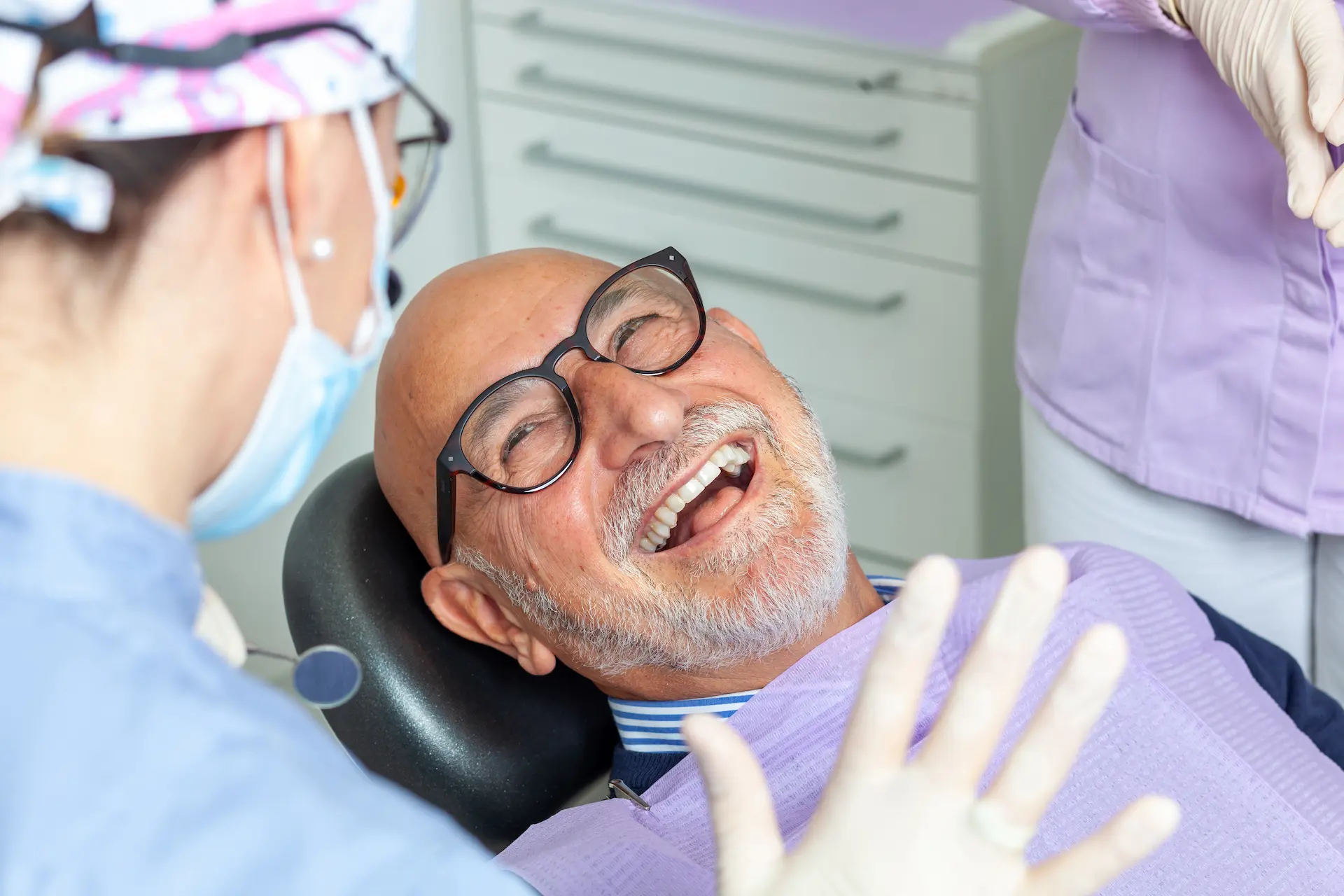
Implantology is the specialty of dental medicine dedicated to the replacement of missing teeth, restoring function, comfort, and aesthetics to the smile.
About the specialty of Implantology
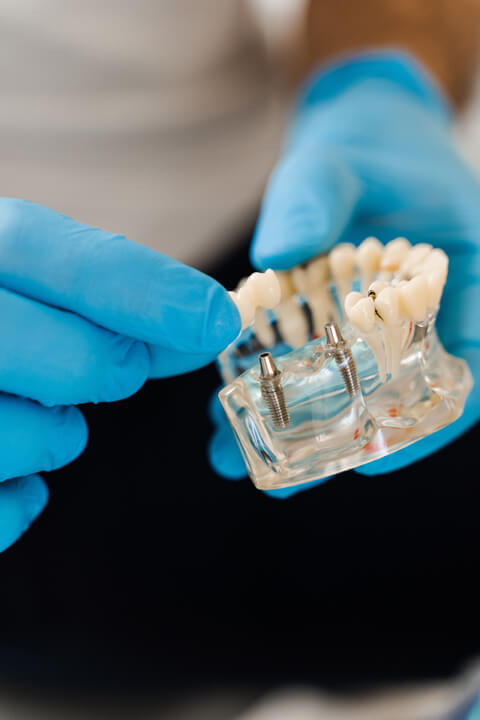
Implantology is the area of Dentistry responsible for the rehabilitation of lost teeth through dental implants. These implants function as artificial roots, placed in the bone, which support crowns, bridges, or fixed dentures.
Tooth loss can affect not only the aesthetics of the smile but also chewing, speech, and overall oral health. Implantology allows for the restoration of these functions safely, predictably, and durably, always respecting the individual characteristics of each patient.
Implantology Solutions - Which is the best for you?
Each clinical situation is different, which is why Implantology offers solutions adapted to the number of missing teeth and the needs of each patient.
When there is an absence of a single tooth, the most indicated solution is a single dental implant. This implant serves as a support for a fixed crown, designed to reproduce the shape, color, and function of the natural tooth.
In addition to restoring aesthetics and masticatory function, this solution helps to preserve the adjacent teeth, as there is no need to wear them down, also contributing to the maintenance of oral health in the medium and long term.
When there is an absence of a single tooth, the most indicated solution is a single dental implant. This implant serves as a support for a fixed crown, designed to reproduce the shape, color, and function of the natural tooth.
In addition to restoring aesthetics and masticatory function, this solution helps to preserve the adjacent teeth, as there is no need to wear them down, also contributing to the maintenance of oral health in the medium and long term.
Benefits of Implantology for Oral Health
1
1
Durable Tooth Replacement
Dental implants provide a long-term solution for addressing tooth loss, with significantly greater durability than other options, such as removable dentures.
2
2
Refined Aesthetics
Implant-supported prostheses are designed to resemble natural teeth, enhancing the appearance and confidence of the patient.
3
3
Speech Improvement
Poorly fitted prostheses can affect speech. Implants provide a secure fixation of the prostheses, allowing for clear and natural diction.
4
4
Bone Preservation
Dental implants help prevent bone resorption, a common issue after tooth loss. The stimulation of the bone through chewing load maintains bone density.
5
5
Improvement of Masticatory Function
Implants function like natural teeth, allowing for efficient and comfortable chewing, which is essential for good digestion and nutrition.
6
6
Comfort and Stability
Unlike removable dentures, implants are fixed and stable, eliminating issues of adaptation or discomfort.

Do you have missing teeth or all of them?
Answer a brief questionnaire and find out if fixed dental prosthesis treatment could be the most suitable solution for you.
Digital Planning Systems
Digital Planning Systems

Intraoral Scanner
Intraoral Scanner
Three-Dimensional Computed Tomography
Three-Dimensional Computed Tomography
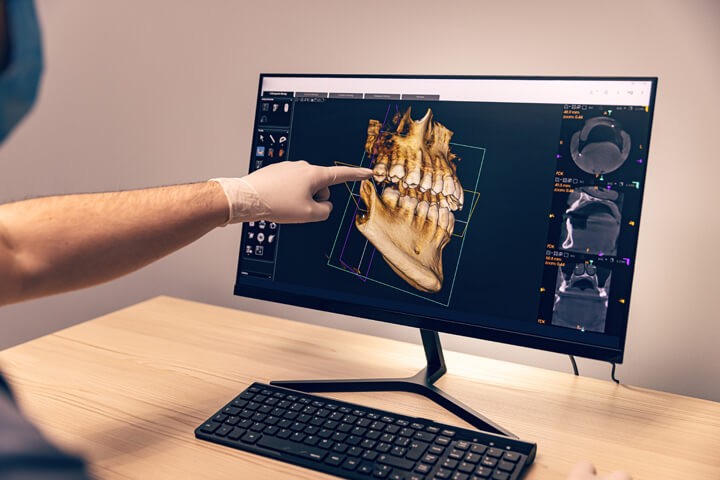
Digital Planning Systems
Digital Planning Systems
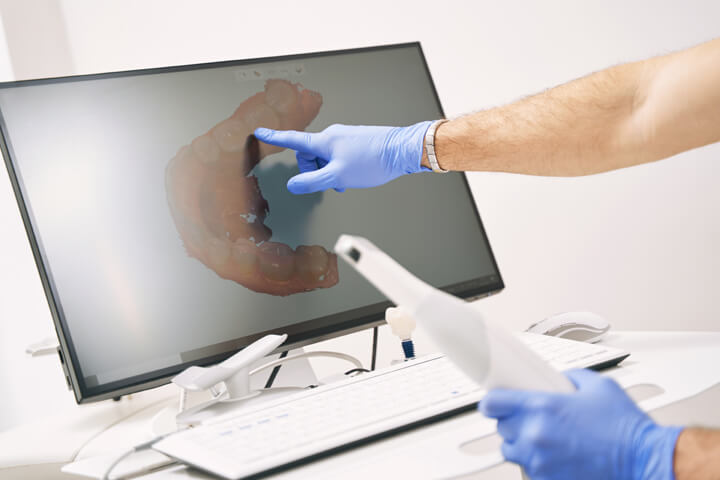
Intraoral Scanner
Intraoral Scanner

Three-Dimensional Computed Tomography
Three-Dimensional Computed Tomography
Technology and Innovation applied to Implantology
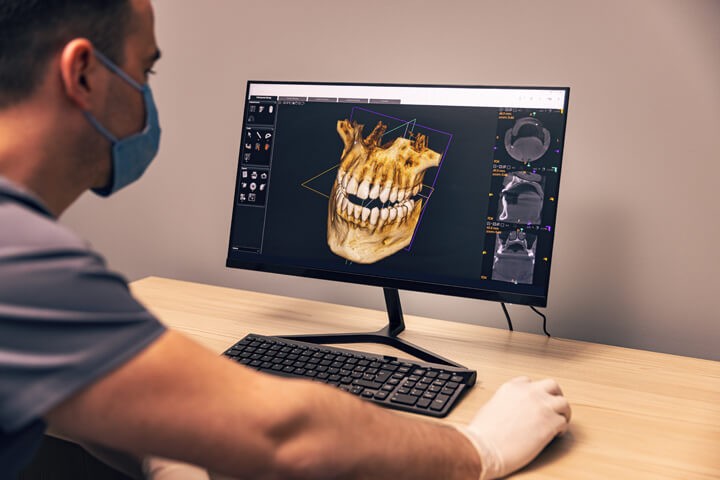
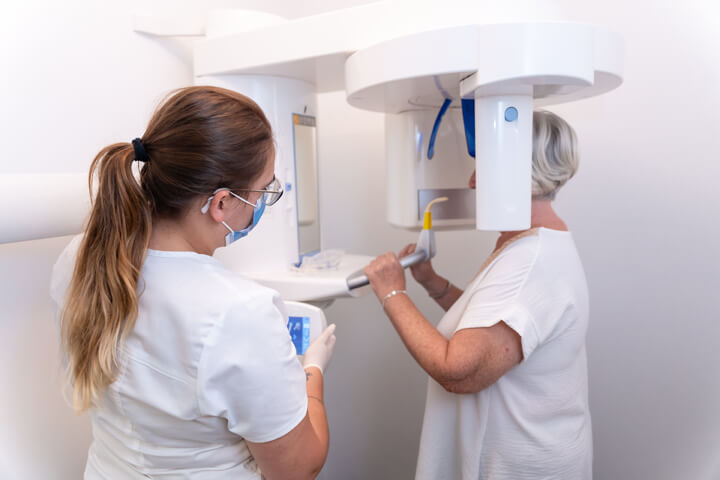
At MALO CLINIC, Implantology is supported by advanced digital technology, such as the intraoral scanner, three-dimensional computed tomography (3D CT), and advanced digital planning systems.
The use of these technologies allows for a detailed analysis of the oral structures and a fully personalised planning of each treatment. Even before starting the procedure, it is possible to anticipate each step, choose the best position for the implants, and minimise the margins of error.
The result is a clinically safer and more predictable treatment, as well as greater comfort for the patient.
Digital Planning Systems
Intraoral Scanner
Three-Dimensional Computed Tomography
Digital Planning Systems
Intraoral Scanner
Three-Dimensional Computed Tomography
Technology and Innovation applied to Implantology
At MALO CLINIC, Implantology is supported by advanced digital technology, such as the intraoral scanner, three-dimensional computed tomography (3D CT), and advanced digital planning systems.
The use of these technologies allows for a detailed analysis of the oral structures and a fully personalised planning of each treatment. Even before starting the procedure, it is possible to anticipate each step, choose the best position for the implants, and minimise the margins of error.
The result is a clinically safer and more predictable treatment, as well as greater comfort for the patient.
Clinical Cases
Real cases that demonstrate a rigorous clinical approach, focusing on the recovery of function, aesthetics, and quality of life through Implantology.
The disclosure of cases was expressly authorized by the patients who unreservedly consented to their public exposure, as the disclosed informational elements are objectively true and can thus contribute to the free and informed choice of other patients.
The disclosure of cases was expressly authorized by the patients who unreservedly consented to its public publication, as the disclosed informative elements are objectively true and can thus contribute to the free and informed choice of other patients.
What pathologies can the specialty of Implantology treat?
Total Loss of Teeth
Placement of Full Fixed Dental Prosthesis. Complete rehabilitation of the upper and/or lower dental arch with fixed prostheses supported by only 4 implants.
Placement of Full Fixed Dental Prosthesis. Complete rehabilitation of the upper and/or lower dental arch with fixed prostheses supported by only 4 implants.
Bone Resorption
The loss of natural teeth is associated with progressive bone loss. Oral rehabilitation with implants can play a fundamental role in stabilizing and preventing bone resorption.
The loss of natural teeth is associated with progressive bone loss. Oral rehabilitation with implants can play a fundamental role in stabilizing and preventing bone resorption.
Clinical Team
Clinical Team
An experienced and qualified medical team, dedicated to safe, personalized, and patient-centered clinical support.
An experienced and qualified medical team, dedicated to safe, personalized, and patient-centered clinical support.
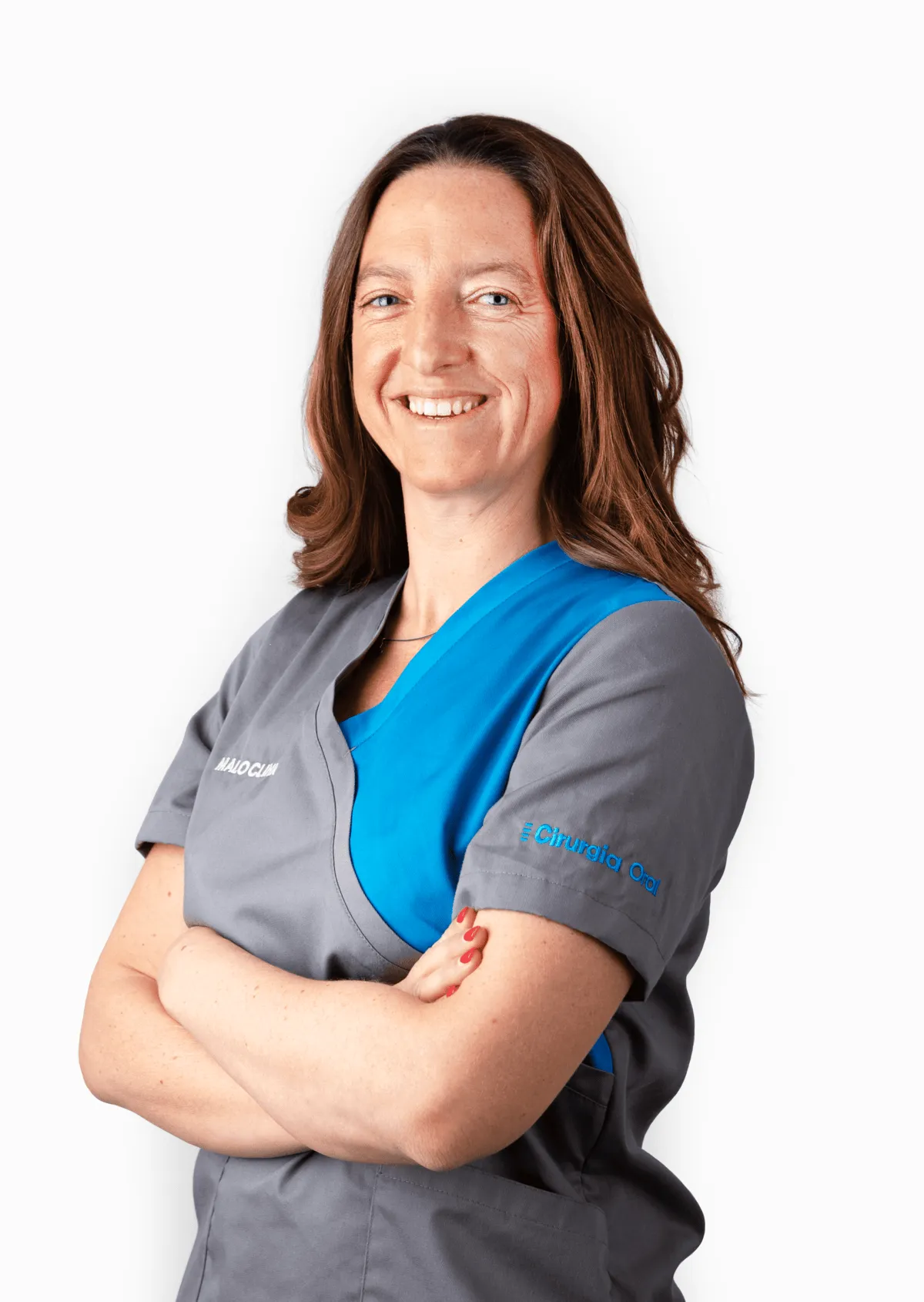
Ana Santos Ferro

Armando Veiga Lopes

Bruno Darling

Diogo Santos

Mariana Nunes

Miguel Gouveia
Ana Santos Ferro
Armando Veiga Lopes
Bruno Darling
Diogo Santos
Mariana Nunes
Miguel Gouveia
Agreements and Partnerships
MALO CLINIC has agreements and partnerships that make it easier to access treatment, under specific conditions defined by each entity. You can also choose payment facilities depending on the type of treatment.




Agreements and Partnerships
MALO CLINIC has agreements and partnerships that make it easier to access treatment, under specific conditions defined by each entity. You can also choose payment facilities depending on the type of treatment.
Agreements and Partnerships
MALO CLINIC has agreements and partnerships that make it easier to access treatment, under specific conditions defined by each entity. You can also choose payment facilities depending on the type of treatment.
Frequently Asked Questions
1
What are dental implants?
Dental implants are titanium devices that are inserted into the upper or lower jawbone to replace the roots of lost teeth. They serve as a foundation for the attachment of fixed dental prostheses, such as single crowns, bridges, or complete dentures.
2
Who is a good candidate for dental implants?
Ideal candidates for dental implants are those who have good oral and overall health, healthy gums, and enough bone to support the implant. However, even in patients with diseases such as diabetes, osteoporosis, or other health conditions, treatment with dental implants is not contraindicated.
3
Is the procedure for placing implants painful?
The placement of implants is performed under local anaesthesia, which allows for pain control during the procedure. After the surgery, it is common to experience some discomfort or swelling, which can be minimized with painkillers prescribed by the dentist.
4
How long does the process of placing dental implants take?
The surgical procedure for the placement of implants is quite quick, taking between 1 to 3 hours, depending on the complexity of the case. On the same day, a fixed prosthesis is also placed. However, we can say that the process is not fully completed until 4 to 6 months later, as this is the time required for the process of osseointegration (the fusion of the implant with the bone) to occur.
5
What is osseointegration?
Osseointegration is the biological process by which the titanium implant fuses with the maxillary or mandibular bone, creating a stable and lasting foundation for the final fixed prosthesis. This process is crucial for ensuring the long-term success of dental implants.
6
How should I take care of my dental implants?
Dental implants require the same care as natural teeth. This includes daily brushing and flossing, or other additional mechanisms recommended by the dentist or oral hygienist, such as subgingival irrigators. Maintaining good oral hygiene and regular maintenance check-ups is essential to prevent infections or other complications around the implants.
7
What is the success rate of dental implants?
Dental implants have a high success rate of around 98%. However, long-term success depends on factors such as the overall health of the patient, the quality of the bone, and adherence to maintenance protocols and proper oral hygiene.
8
Are there risks or complications associated with dental implants?
Like any surgical procedure, the placement of dental implants can carry risks, including infection, nerve injury, and sinus problems. However, these risks are rare and can usually be managed with appropriate care and professional monitoring.
9
Can I replace a conventional denture with implants?
Yes, many patients choose to replace conventional dentures with partial or complete implants for greater comfort, stability, and phonetic and chewing function. Implants also offer the additional advantage of not causing trauma to adjacent tissues or teeth, unlike removable dentures, and help to prevent or stabilize bone loss.
1
What are dental implants?
Dental implants are titanium devices that are inserted into the upper or lower jawbone to replace the roots of lost teeth. They serve as a foundation for the attachment of fixed dental prostheses, such as single crowns, bridges, or complete dentures.
2
Who is a good candidate for dental implants?
Ideal candidates for dental implants are those who have good oral and overall health, healthy gums, and enough bone to support the implant. However, even in patients with diseases such as diabetes, osteoporosis, or other health conditions, treatment with dental implants is not contraindicated.
3
Is the procedure for placing implants painful?
The placement of implants is performed under local anaesthesia, which allows for pain control during the procedure. After the surgery, it is common to experience some discomfort or swelling, which can be minimized with painkillers prescribed by the dentist.
4
How long does the process of placing dental implants take?
The surgical procedure for the placement of implants is quite quick, taking between 1 to 3 hours, depending on the complexity of the case. On the same day, a fixed prosthesis is also placed. However, we can say that the process is not fully completed until 4 to 6 months later, as this is the time required for the process of osseointegration (the fusion of the implant with the bone) to occur.
5
What is osseointegration?
Osseointegration is the biological process by which the titanium implant fuses with the maxillary or mandibular bone, creating a stable and lasting foundation for the final fixed prosthesis. This process is crucial for ensuring the long-term success of dental implants.
6
How should I take care of my dental implants?
Dental implants require the same care as natural teeth. This includes daily brushing and flossing, or other additional mechanisms recommended by the dentist or oral hygienist, such as subgingival irrigators. Maintaining good oral hygiene and regular maintenance check-ups is essential to prevent infections or other complications around the implants.
7
What is the success rate of dental implants?
Dental implants have a high success rate of around 98%. However, long-term success depends on factors such as the overall health of the patient, the quality of the bone, and adherence to maintenance protocols and proper oral hygiene.
8
Are there risks or complications associated with dental implants?
Like any surgical procedure, the placement of dental implants can carry risks, including infection, nerve injury, and sinus problems. However, these risks are rare and can usually be managed with appropriate care and professional monitoring.
9
Can I replace a conventional denture with implants?
Yes, many patients choose to replace conventional dentures with partial or complete implants for greater comfort, stability, and phonetic and chewing function. Implants also offer the additional advantage of not causing trauma to adjacent tissues or teeth, unlike removable dentures, and help to prevent or stabilize bone loss.
Book your
Appointment
Fill out the form and our team will get in touch with you to schedule your appointment.
Book your
Appointment
Fill out the form and our team will get in touch with you to schedule your appointment.
Book your
Appointment
Fill out the form and our team will get in touch with you to schedule your appointment.
We accompany each step of your clinical journey, focusing on your comfort, confidence, and smile.
THE MALO CLINIC
Talk to us
(Call to the national fixed network)
@ 2026 ALL RIGHTS RESERVED - MALO CLINIC SA NIF 503411434 ERS No. 12920
Desenvolvido por
We accompany each step of your clinical journey, focusing on your comfort, confidence, and smile.
THE MALO CLINIC
Talk to us
(Call to the national fixed network)
@ 2026 ALL RIGHTS RESERVED - MALO CLINIC SA NIF 503411434 ERS No. 12920
Desenvolvido por