Bruxism
Crossbite
Tartar
Cavity
Dental Abscess
Cold Sore
Aphthae
Xerostomia
Gingivitis
Periodontitis
Jaw or Orofacial Pain
Bruxism
Crossbite
Tartar
Cavity
Dental Abscess
Cold Sore
Aphthae
Xerostomia
Gingivitis
Periodontitis
Jaw or Orofacial Pain
Bruxism
Crossbite
Tartar
Cavity
Dental Abscess
Cold Sore
Aphthae
Xerostomia
Gingivitis
Periodontitis
Jaw or Orofacial Pain
Bruxism
Bruxism is the involuntary habit of grinding or clenching teeth, causing wear, jaw pain, and muscle tension.
What is Bruxism?
Bruxism is an involuntary and repetitive muscular activity that leads to clenching or grinding the teeth. It can occur while awake or during sleep.
Awake bruxism is associated with psychosocial factors such as stress, anxiety, and depression, including habits like nail-biting or clenching the jaw. Sleep bruxism is also related to sleep cycle disturbances, alterations in the central nervous system, and the consumption of certain medications or substances.
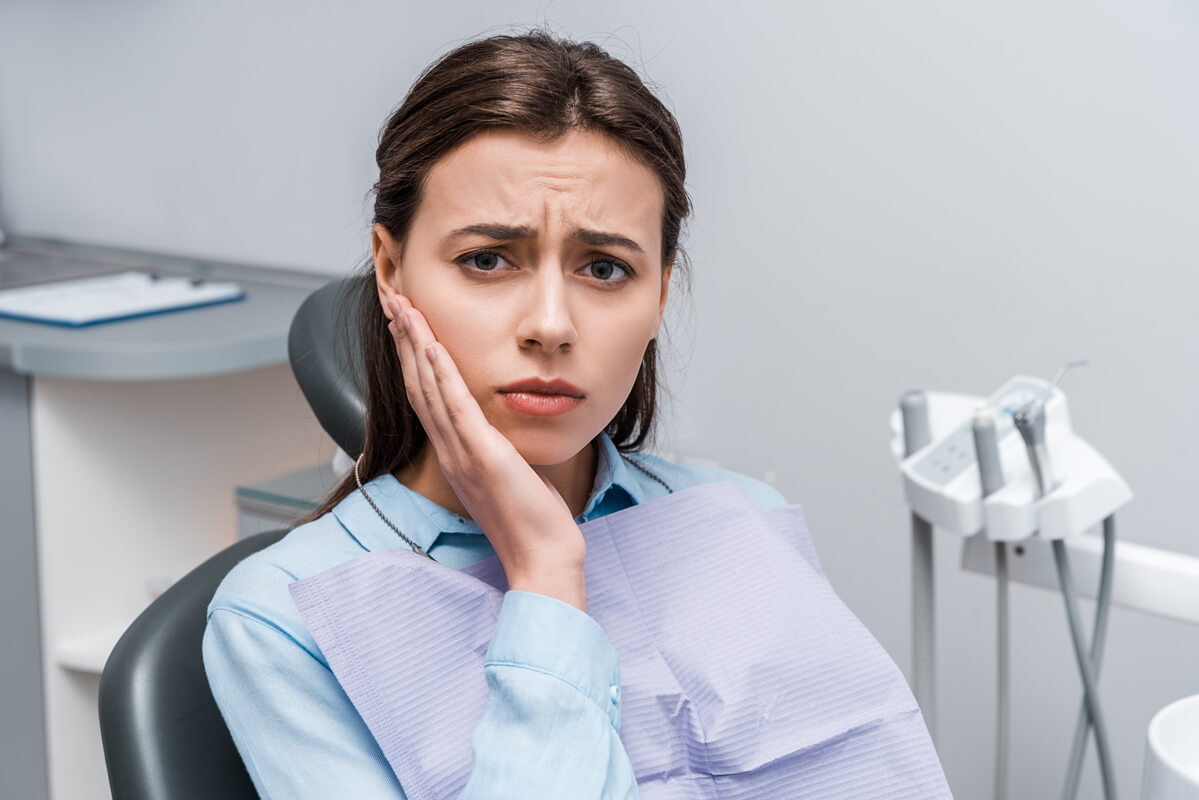
Main Causes
The development of Bruxism is generally associated with a combination of factors, including:
Stress, anxiety and psychosocial factors
Sleep disorders
Malocclusion dental
Substance stimulants consumption
Medications and changes to the central nervous system
Possible Symptoms
The symptoms of Bruxism can vary depending on the intensity and frequency of the habit. Some of the most common symptoms include:
1
1
Tension or Pain
Many patients do not realize that they grind their teeth and are alerted by others. Nighttime movements can cause tension or pain upon waking in the face or neck. Tooth sensitivity and small lesions in the mouth are also common.
2
2
Temporomandibular Joint Dysfunction
The dysfunction of the TMJ, the joint that connects the temporal bone to the lower jaw, can have various causes, but bruxism is a common trigger. It can cause pain or clicking in the joint, limitation in opening the mouth, and headaches.
3
3
Dental Wear and Fractures
The strong pressure exerted by involuntary movements causes wear on dental pieces and in extreme cases can even lead to the fracture of teeth or restorations.

If symptoms persist, worsen, or if you notice visible changes in your teeth, it is important to have a dental assessment.
Available Treatments
Available Treatments
Bruxism does not have a definitive cure, but it can be controlled and alleviated. The first step is the patient's awareness and the identification of possible causes.
There are several approaches to reduce or control its consequences, such as:
Physiotherapy
In cases where muscular and joint symptoms are already present, physiotherapy is a strong ally. It can be quite effective in reducing/eliminating pain and improving jaw mobility.
In cases where muscular and joint symptoms are already present, physiotherapy is a strong ally. It can be quite effective in reducing/eliminating pain and improving jaw mobility.
Relaxation therapies
Relaxation techniques such as meditation, deep breathing, and muscle stretching exercises can help reduce stress and muscle tension associated with bruxism.
Relaxation techniques such as meditation, deep breathing, and muscle stretching exercises can help reduce stress and muscle tension associated with bruxism.
Changes to lifestyle
Reducing stress and anxiety through exercise, relaxation techniques, or psychotherapy is essential. The patient must become aware of bruxism, especially during the day, and create routines for breaks to check and stop grinding their teeth. Mobile applications can help with periodic reminders. Reducing or eliminating alcohol, caffeine, and other stimulant substances also contributes to managing this condition.
Reducing stress and anxiety through exercise, relaxation techniques, or psychotherapy is essential. The patient must become aware of bruxism, especially during the day, and create routines for breaks to check and stop grinding their teeth. Mobile applications can help with periodic reminders. Reducing or eliminating alcohol, caffeine, and other stimulant substances also contributes to managing this condition.
Sleep hygiene
Establish a regular sleep routine and create an environment conducive to the rest of the body and mind. Stimulants should be avoided before sleeping, such as electronic devices or very heavy meals, alcohol and caffeine. A calm and dark environment in the bedroom should be ensured, with sufficient and routine rest times.
Establish a regular sleep routine and create an environment conducive to the rest of the body and mind. Stimulants should be avoided before sleeping, such as electronic devices or very heavy meals, alcohol and caffeine. A calm and dark environment in the bedroom should be ensured, with sufficient and routine rest times.
Medication
In some acute cases, and temporarily, anti-inflammatory or muscle relaxant medications may be prescribed for relief of pain, muscle tension, and inflammatory processes. However, the use of medications should always be closely monitored by a doctor to avoid the risk of additional problems.
In some acute cases, and temporarily, anti-inflammatory or muscle relaxant medications may be prescribed for relief of pain, muscle tension, and inflammatory processes. However, the use of medications should always be closely monitored by a doctor to avoid the risk of additional problems.
Leaks miorrelaxants
They are removable devices, made by the dentist from molds of the mouth, that fit over the upper or lower teeth. They help to align the teeth, stretch the chewing muscles, reduce friction and muscular effort, protecting teeth, muscles, and joints.
They are removable devices, made by the dentist from molds of the mouth, that fit over the upper or lower teeth. They help to align the teeth, stretch the chewing muscles, reduce friction and muscular effort, protecting teeth, muscles, and joints.
Agreements and Partnerships
MALO CLINIC has agreements and partnerships that make it easier to access treatment, under specific conditions defined by each entity. You can also choose payment facilities depending on the type of treatment.




Agreements and Partnerships
MALO CLINIC has agreements and partnerships that make it easier to access treatment, under specific conditions defined by each entity. You can also choose payment facilities depending on the type of treatment.
Agreements and Partnerships
MALO CLINIC has agreements and partnerships that make it easier to access treatment, under specific conditions defined by each entity. You can also choose payment facilities depending on the type of treatment.
Frequently Asked Questions
1
What are the main causes of Bruxism?
Bruxism is a multifactorial condition whose causes are difficult to isolate and can vary from person to person. Some of the most common causes include: stress, anxiety, dental misalignment issues, sleep disorders, and even the intake of certain medications or other stimulating substances. Identifying the underlying cause is essential for effective treatment.
2
What are the long-term consequences if Bruxism is not treated?
In addition to the immediate symptoms, such as jaw pain and teeth wear, untreated Bruxism can lead to more serious long-term complications, impacting not only oral health but also general health risks.
Among the main consequences, the disorder in the temporomandibular joint stands out, resulting in symptoms such as difficulty opening or closing the mouth, jaw clicking, and pain in the joint region. The chronicity of these signs, combined with the overload caused by tooth clenching, can exceed the joint's capacity for resistance and initiate degenerative and disabling processes.
On the other hand, premature dental wear causes teeth to lose their natural strength, leading to increased dental sensitivity and fractures, some of which may be irreparable, potentially resulting in tooth loss. The destruction of dental anatomy and the loss of some teeth compromise the masticatory and phonetic efficiency of patients. Facial changes, resulting in a more square, aged, or even asymmetrical appearance, can also be other consequences of this condition.
Another possible impact is the destruction of dental anatomy and the loss of some teeth, compromising the masticatory and phonetic efficiency of patients. Facial changes resulting in a more square, aged, or even asymmetrical appearance may also be other consequences of this condition.
3
How can I tell if I suffer from bruxism?
It is not always easy to identify Bruxism, as it often occurs during sleep and without the patient being aware of it. That is why it is essential to pay attention to reports from others and to the appearance of signs or symptoms associated with this condition. At MALO CLINIC, it is also possible to carry out a test with polysomnography. This test is performed at home by the patient and, through the use of sensors, will assess the quality of sleep and its relation to teeth grinding, making it essential for a correct diagnosis.
1
What are the main causes of Bruxism?
Bruxism is a multifactorial condition whose causes are difficult to isolate and can vary from person to person. Some of the most common causes include: stress, anxiety, dental misalignment issues, sleep disorders, and even the intake of certain medications or other stimulating substances. Identifying the underlying cause is essential for effective treatment.
2
What are the long-term consequences if Bruxism is not treated?
In addition to the immediate symptoms, such as jaw pain and teeth wear, untreated Bruxism can lead to more serious long-term complications, impacting not only oral health but also general health risks.
Among the main consequences, the disorder in the temporomandibular joint stands out, resulting in symptoms such as difficulty opening or closing the mouth, jaw clicking, and pain in the joint region. The chronicity of these signs, combined with the overload caused by tooth clenching, can exceed the joint's capacity for resistance and initiate degenerative and disabling processes.
On the other hand, premature dental wear causes teeth to lose their natural strength, leading to increased dental sensitivity and fractures, some of which may be irreparable, potentially resulting in tooth loss. The destruction of dental anatomy and the loss of some teeth compromise the masticatory and phonetic efficiency of patients. Facial changes, resulting in a more square, aged, or even asymmetrical appearance, can also be other consequences of this condition.
Another possible impact is the destruction of dental anatomy and the loss of some teeth, compromising the masticatory and phonetic efficiency of patients. Facial changes resulting in a more square, aged, or even asymmetrical appearance may also be other consequences of this condition.
3
How can I tell if I suffer from bruxism?
It is not always easy to identify Bruxism, as it often occurs during sleep and without the patient being aware of it. That is why it is essential to pay attention to reports from others and to the appearance of signs or symptoms associated with this condition. At MALO CLINIC, it is also possible to carry out a test with polysomnography. This test is performed at home by the patient and, through the use of sensors, will assess the quality of sleep and its relation to teeth grinding, making it essential for a correct diagnosis.
Book your
Appointment
Fill out the form and our team will get in touch with you to schedule your appointment.
Book your
Appointment
Fill out the form and our team will get in touch with you to schedule your appointment.
Book your
Appointment
Fill out the form and our team will get in touch with you to schedule your appointment.
We accompany each step of your clinical journey, focusing on your comfort, confidence, and smile.
THE MALO CLINIC
Talk to us
(Call to the national fixed network)
@ 2026 ALL RIGHTS RESERVED - MALO CLINIC SA NIF 503411434 ERS No. 12920
Desenvolvido por
We accompany each step of your clinical journey, focusing on your comfort, confidence, and smile.
THE MALO CLINIC
Talk to us
(Call to the national fixed network)
@ 2026 ALL RIGHTS RESERVED - MALO CLINIC SA NIF 503411434 ERS No. 12920
Desenvolvido por