Urgências Dentárias

Prosthodontics

Area of dentistry dedicated to replacing lost teeth and restoring function, aesthetics, and comfort to the smile.

About the specialty of Prosthodontics

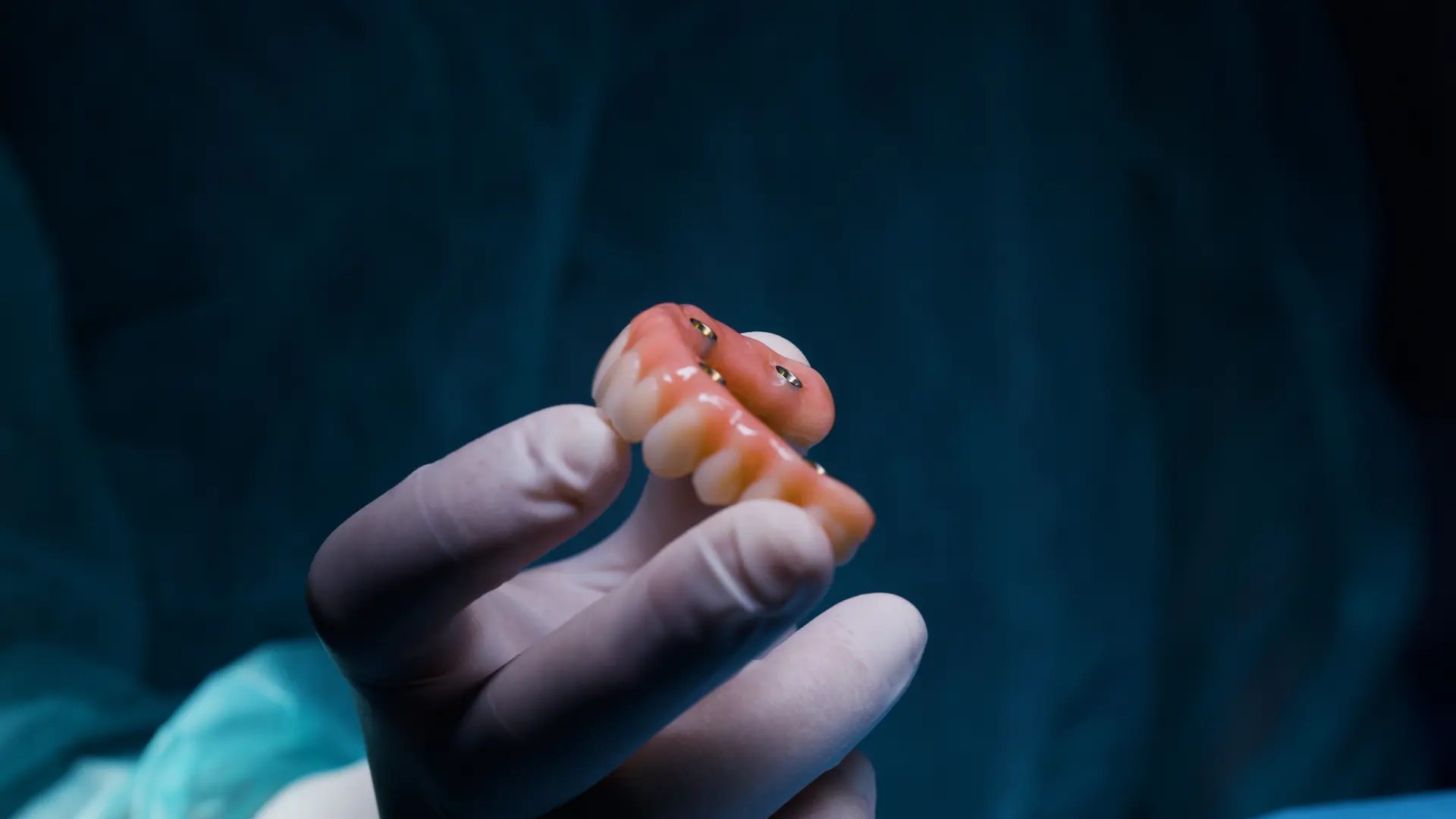
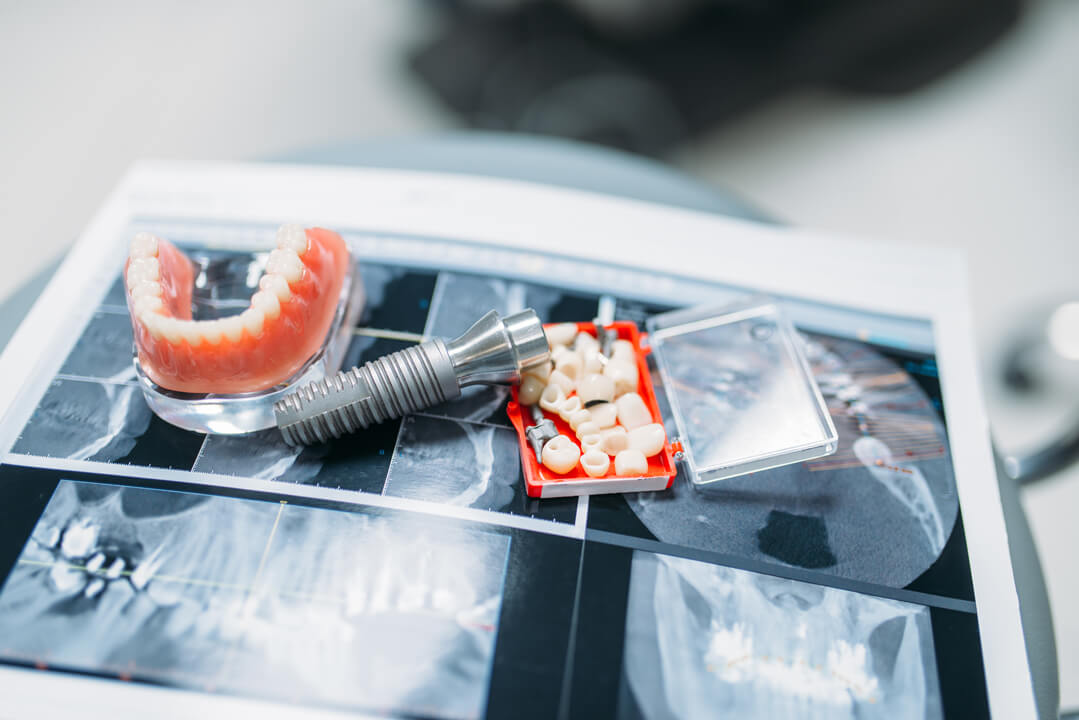
Prosthodontics is the area of Dentistry that allows for the replacement of damaged or missing teeth, restoring function, health, and aesthetics through dental prostheses. Missing teeth can be replaced using fixed dental prostheses or removable dental prostheses over natural teeth or implants.

Working closely with other specialties, such as Oral Surgery, Implantology, Endodontics, Dentistry, Orthodontics, or Periodontology, Prosthodontics is responsible for restoring oral functions through the reconstruction and repair of damaged teeth using dental crowns, or through the placement of dental prostheses (single, partial, or complete), with the aim of replacing missing teeth.
About the specialty of Prosthodontics

Prosthodontics Solutions - Which is the best for you?

Each clinical situation is different; therefore, Prosthodontics offers solutions tailored to the needs of each patient.
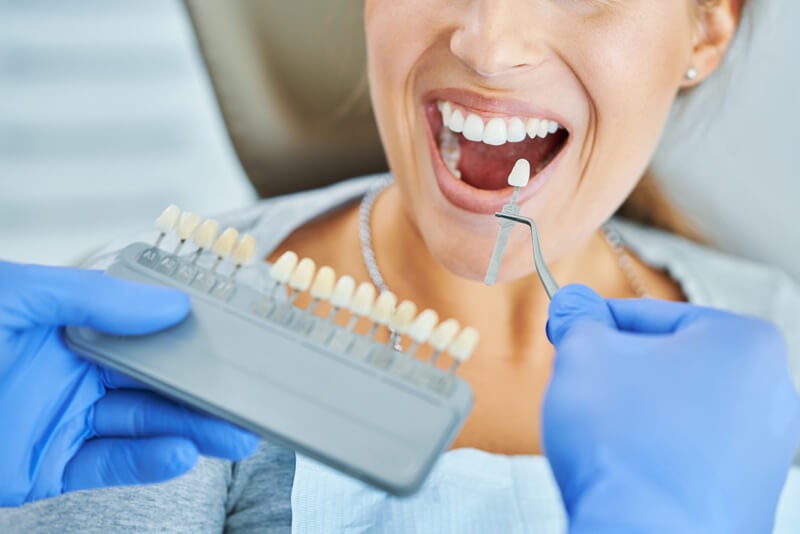
Dental Veneers

Dental veneers are thin layers of ceramic/composite resin that adhere to the outer part of the teeth with the aim of improving their appearance, whether by altering the shape, colour or alignment of the teeth themselves. In this sense, they function like contact lenses (restorations) with reduced thickness, capable of providing excellent aesthetics in a conservative manner, as they involve minimal dental wear or, in some cases, none at all.

Dental Veneers

Dental veneers are thin layers of ceramic/composite resin that adhere to the outer part of the teeth with the aim of improving their appearance, whether by altering the shape, colour or alignment of the teeth themselves. In this sense, they function like contact lenses (restorations) with reduced thickness, capable of providing excellent aesthetics in a conservative manner, as they involve minimal dental wear or, in some cases, none at all.

Benefits of Prosthodontics for oral health

1

1

Restoration of Masticatory Function

A dental prosthesis is designed to replace missing or damaged teeth, allowing patients to chew food properly. This not only improves the ability to enjoy a nutritious diet but also aids in digestion and gastrointestinal health.

2

2

Restoration of Phonetics

Missing teeth can affect speech, resulting in difficulty pronouncing certain sounds. Dental prosthetics can help restore the clarity of speech, improving communication and social interaction.

3

3

Relief from Pain and Discomfort

For patients with damaged or missing teeth, dentures can help alleviate pain and discomfort associated with chewing, speaking, and improper movement of the teeth.

4

4

Preservation of Facial Structure

Tooth loss can lead to bone resorption and a decrease in facial support, which may result in changes to facial appearance, such as facial wrinkles and shrinking of the lips. Well-designed dentures can help preserve facial structure and maintain a more youthful appearance.

5

5

Improvement of Aesthetics

A dental prosthesis can restore the natural appearance of a smile, improving the self-esteem and confidence of patients. This is especially important for those facing aesthetic issues due to missing, stained, or damaged teeth.

6

6

Prevention of Oral Problems

The replacement of missing or damaged teeth can help prevent a range of oral problems, such as movement of adjacent teeth, tilting of neighboring teeth, temporomandibular joint (TMJ) issues, and bone deterioration.
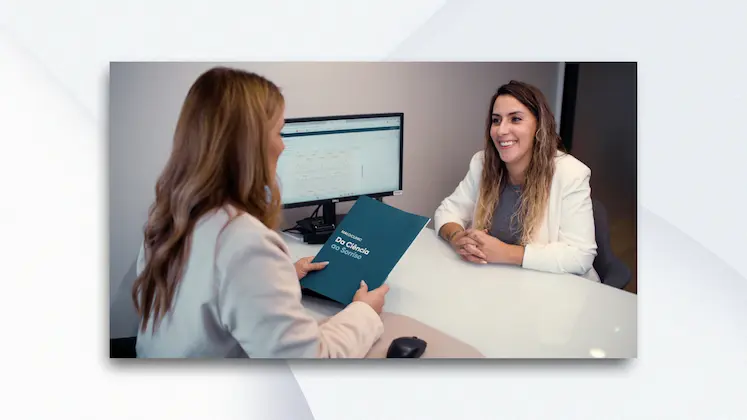
Our clinical team is here to help you.
At MALO CLINIC, your oral health is our priority.

Our clinical team is here to help you.

  • Digital Planning

    Digital Planning

  • Digital Planning

    Digital Planning

  • Intraoral Scanner

    Intraoral Scanner

  • Intraoral Scanner

    Intraoral Scanner

  • CAD software

    CAD software

  • CAD software

    CAD software

  • Digital Planning

    Digital Planning

  • Digital Planning

    Digital Planning

  • Intraoral Scanner

    Intraoral Scanner

  • Intraoral Scanner

    Intraoral Scanner

  • CAD software

  • CAD software

Technology and Innovation applied to Prosthodontics

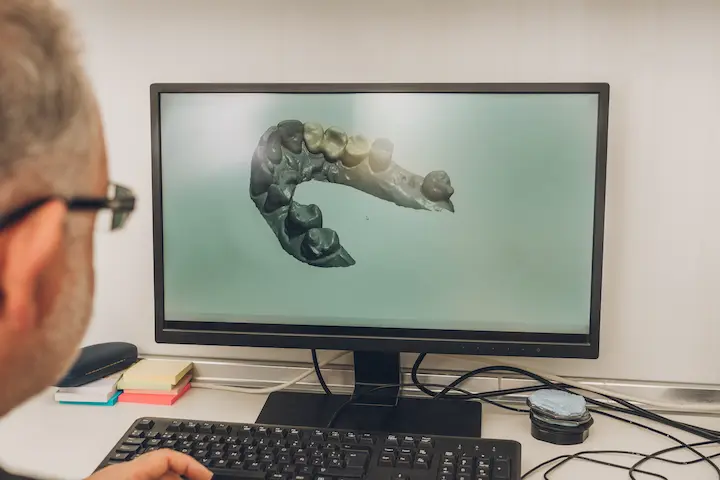
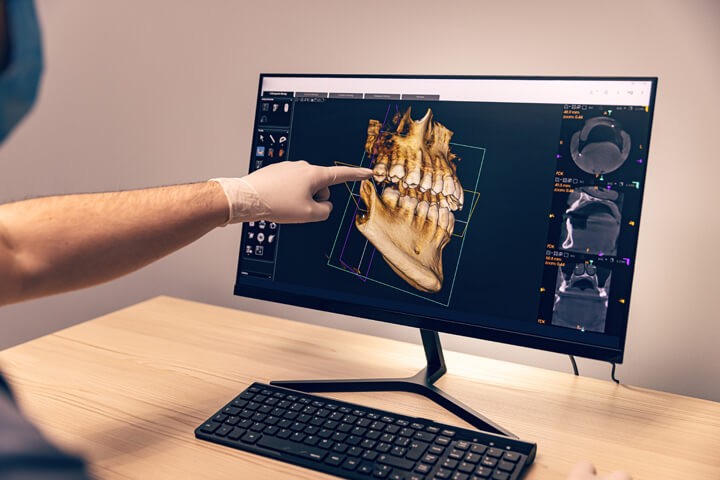
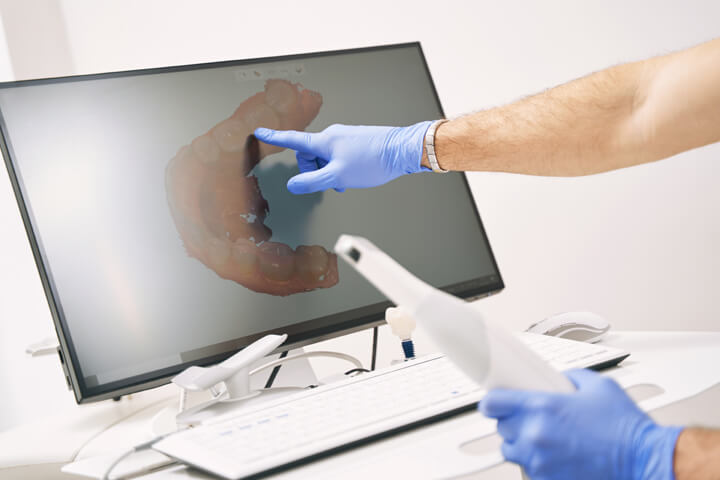
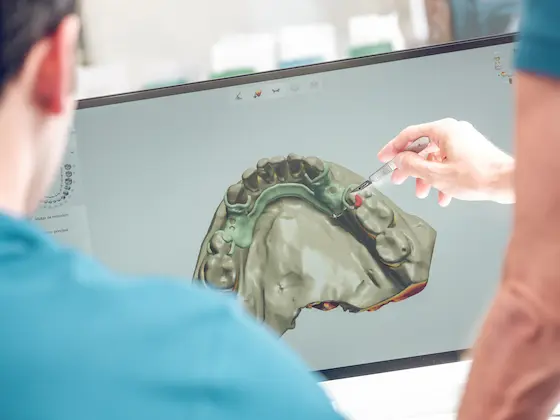
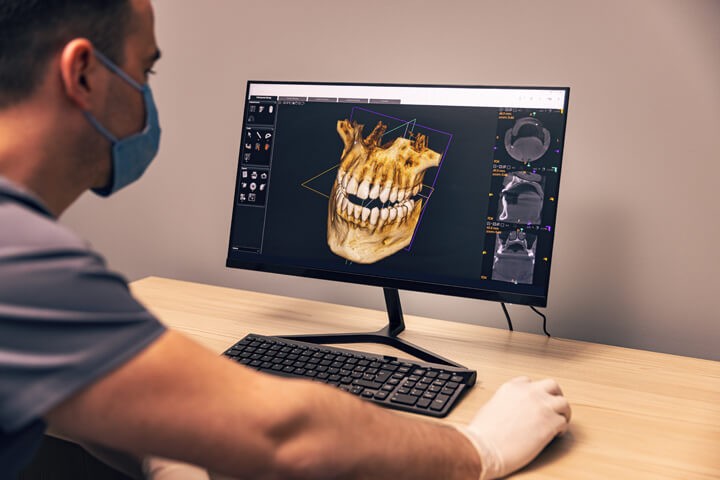
At MALO CLINIC, Prosthodontics combines advanced technology, innovation and clinical precision to ensure predictable and highly personalised results. The use of intraoral scanners, digital planning and CAD software allows for the collection of information with great accuracy and optimises communication between the doctor and the MALO CLINIC laboratory.

The production of prostheses uses CAD/CAM technology, 3D printing and high-precision milling, employing materials of high resistance and natural aesthetics. The provisional prostheses, based on digital planning, allow testing of function, comfort and aesthetics before the final solution, ensuring that the definitive prosthesis offers quality, comfort and naturalness to the patient.

  • Digital Planning

    Digital Planning

  • Intraoral Scanner

    Intraoral Scanner

  • CAD software

    CAD software

  • Digital Planning

    Digital Planning

  • Intraoral Scanner

    Intraoral Scanner

  • CAD software

Technology and Innovation applied to Prosthodontics

At MALO CLINIC, Prosthodontics combines advanced technology, innovation and clinical precision to ensure predictable and highly personalised results. The use of intraoral scanners, digital planning and CAD software allows for the collection of information with great accuracy and optimises communication between the doctor and the MALO CLINIC laboratory.

The production of prostheses uses CAD/CAM technology, 3D printing and high-precision milling, employing materials of high resistance and natural aesthetics. The provisional prostheses, based on digital planning, allow testing of function, comfort and aesthetics before the final solution, ensuring that the definitive prosthesis offers quality, comfort and naturalness to the patient.

Clinical Cases

Real cases that demonstrate a rigorous clinical approach, focusing on the recovery of function, aesthetics, and quality of life.
The disclosure of cases was expressly authorized by the patients who unreservedly consented to their public exposure, as the disclosed informational elements are objectively true and can thus contribute to the free and informed choice of other patients.

The disclosure of cases was expressly authorized by the patients who unreservedly consented to its public publication, as the disclosed informative elements are objectively true and can thus contribute to the free and informed choice of other patients.

What pathologies can the specialty of Prosthodontics treat?

Partial or Total Tooth Loss

Replacement of missing teeth through fixed or removable dentures, over natural teeth or implants, restoring stability, function and confidence in everyday life.

Replacement of missing teeth through fixed or removable dentures, over natural teeth or implants, restoring stability, function and confidence in everyday life.

Partial or Total Tooth Loss

Replacement of missing teeth through fixed or removable dentures, over natural teeth or implants, restoring stability, function and confidence in everyday life.

Damaged or Fractured Teeth

Tooth wear, caused by bruxism or natural attrition, can lead to bite changes and premature aging of the smile. Extensive fractures or deep dental destruction compromise the integrity of the tooth and oral function.

Tooth wear, caused by bruxism or natural attrition, can lead to bite changes and premature aging of the smile. Extensive fractures or deep dental destruction compromise the integrity of the tooth and oral function.

Damaged or Fractured Teeth

Dental Aesthetic Failures

Misalignments, changes in shape, size, or color of the teeth can affect the harmony of the smile.

Misalignments, changes in shape, size, or color of the teeth can affect the harmony of the smile.

Dental Aesthetic Failures

Clinical Team

Clinical Team

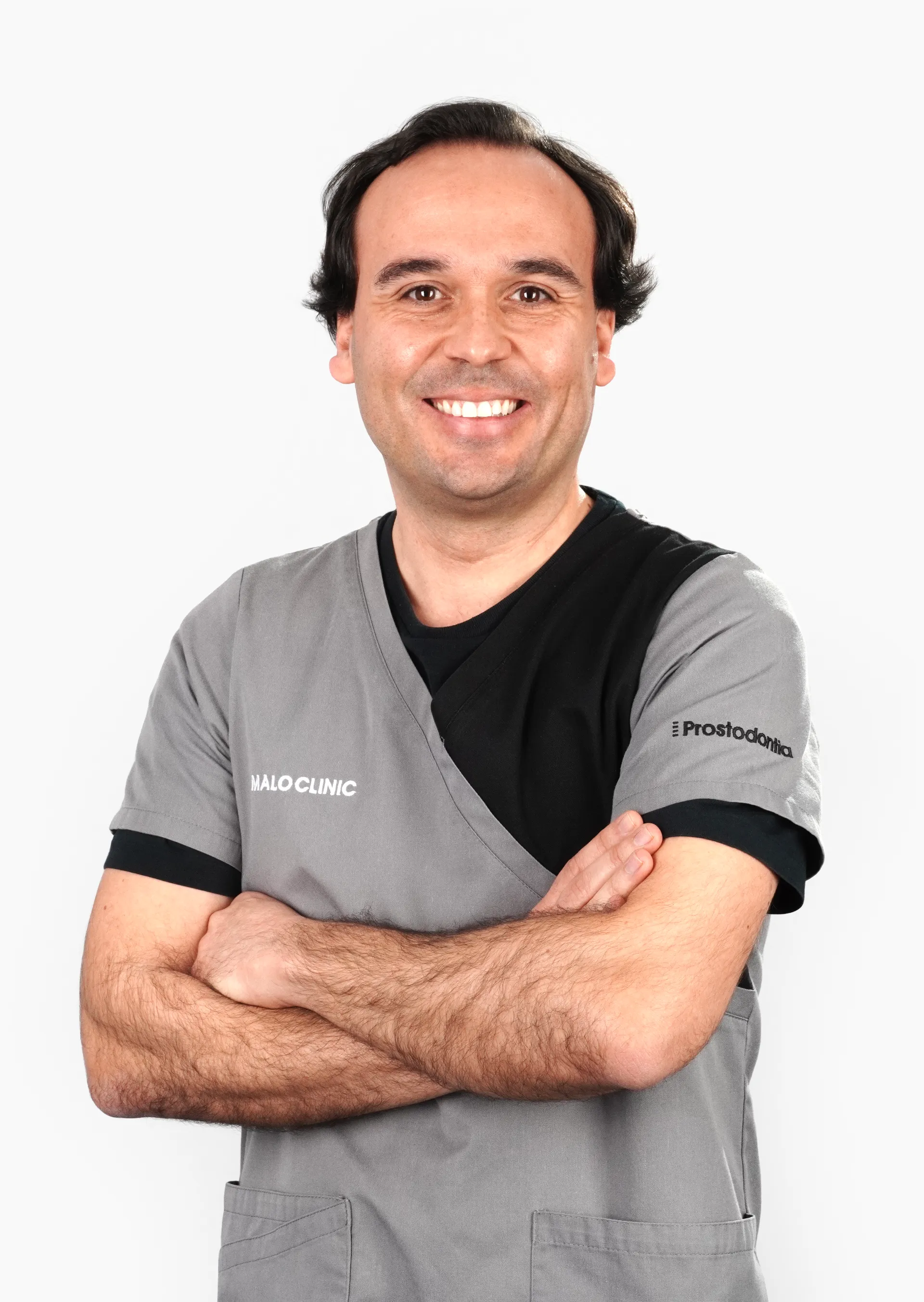
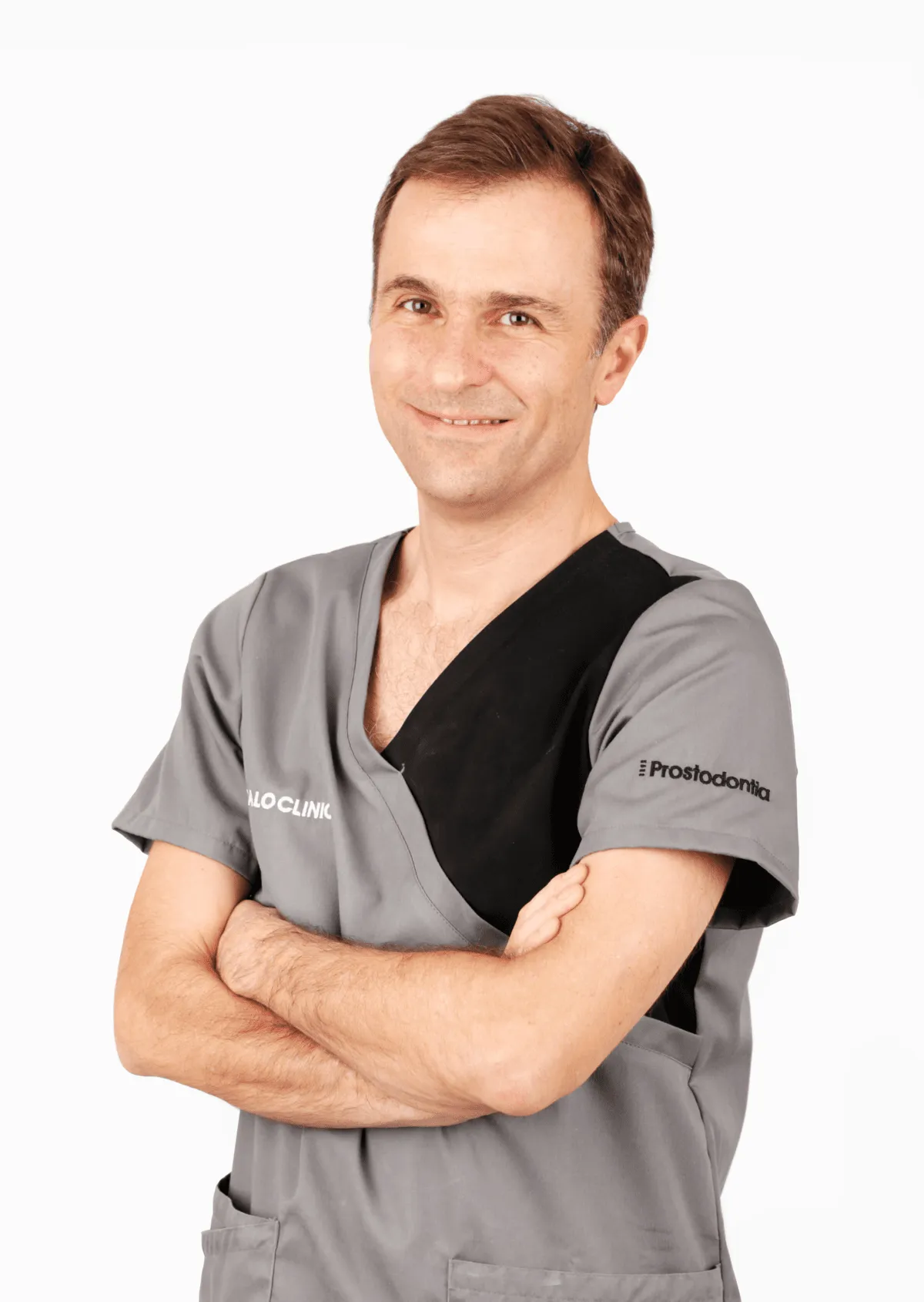
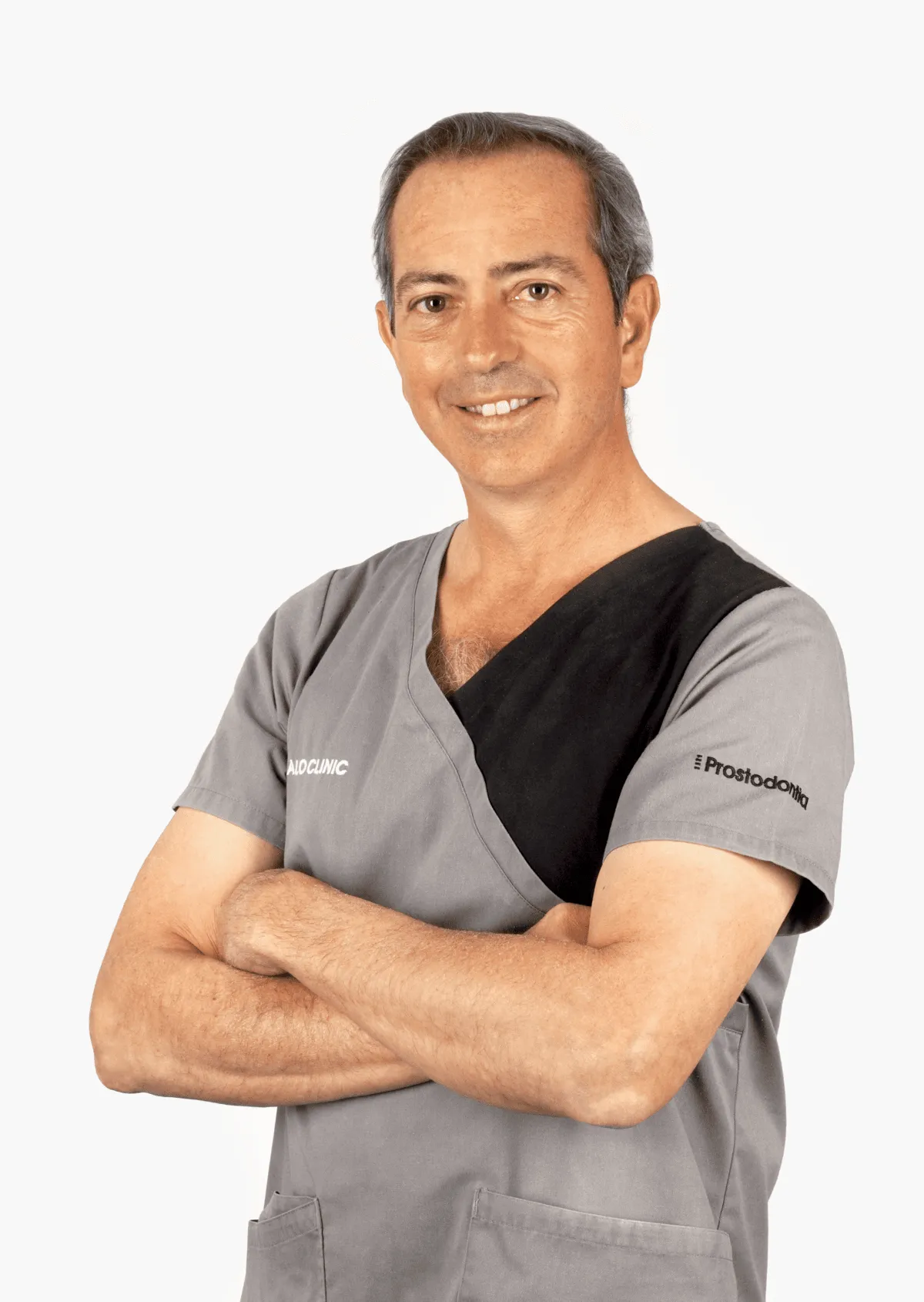
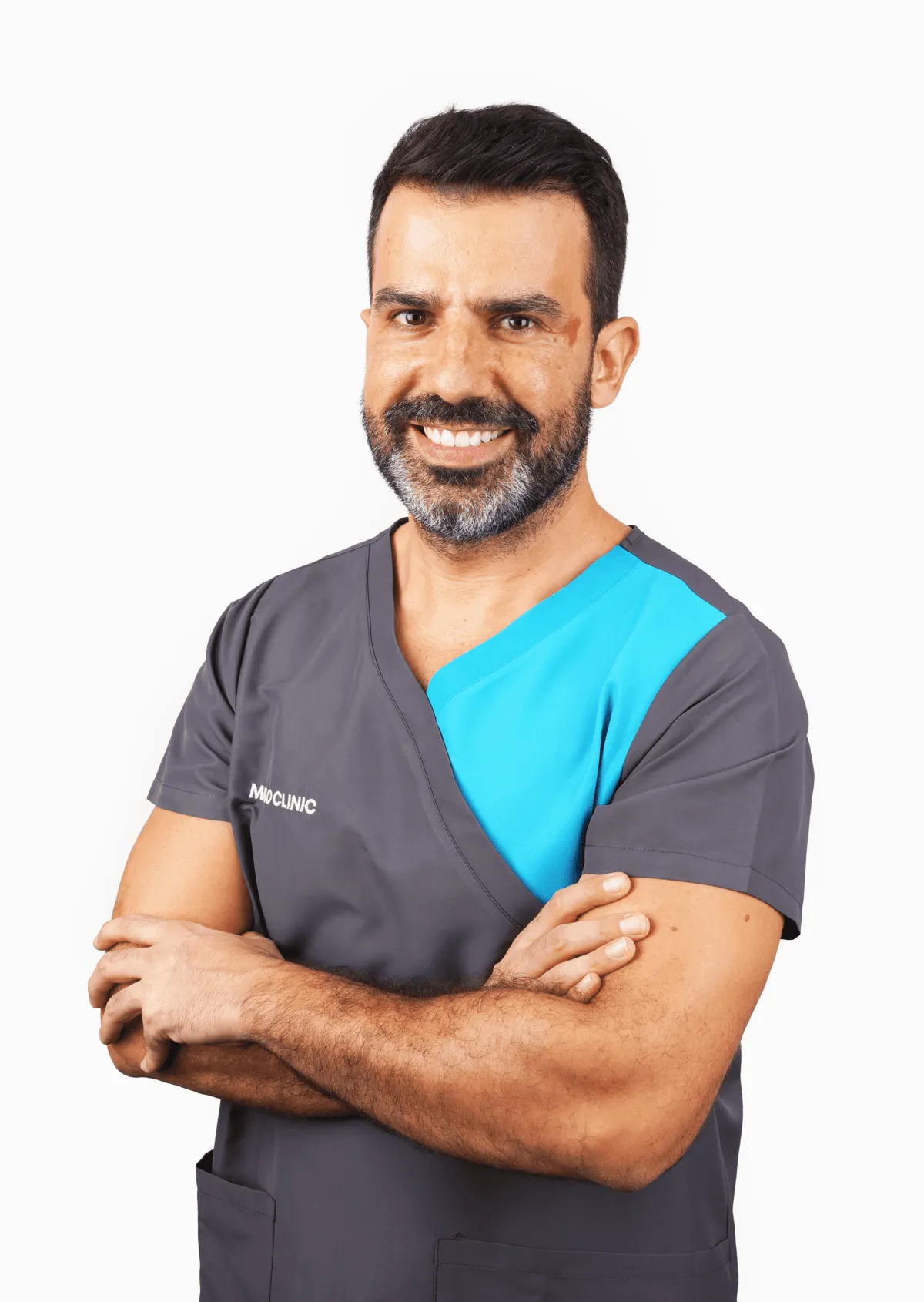
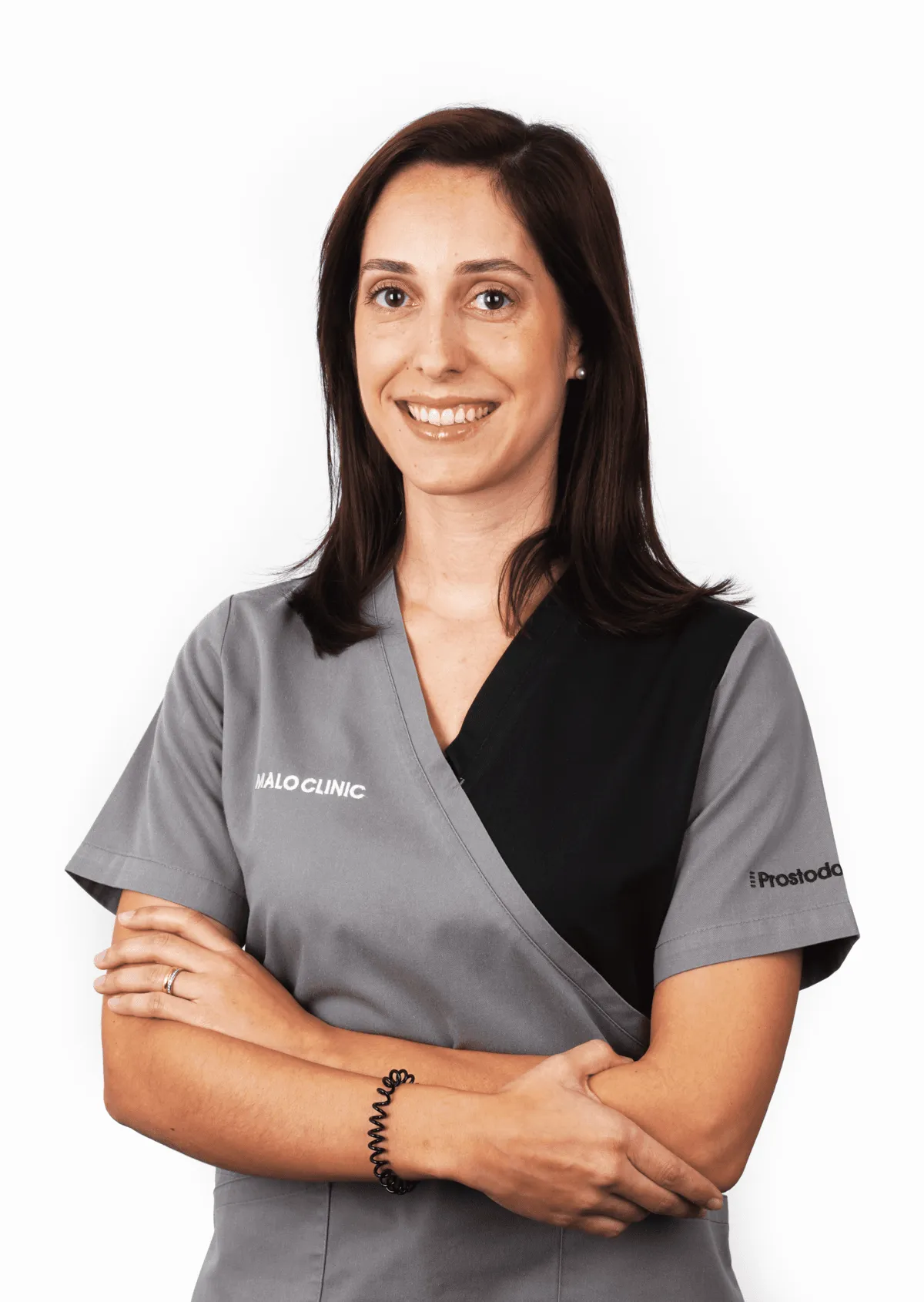
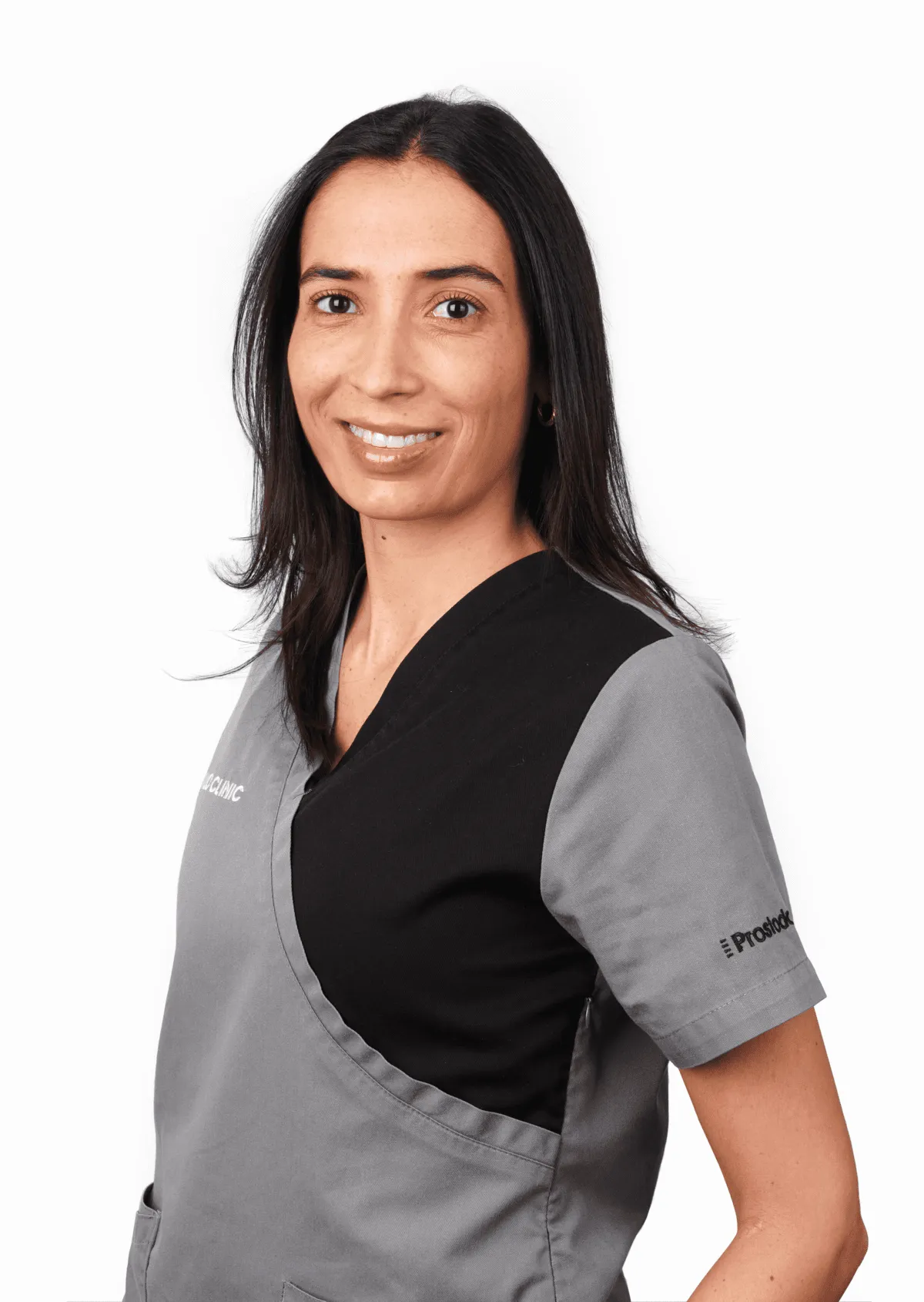
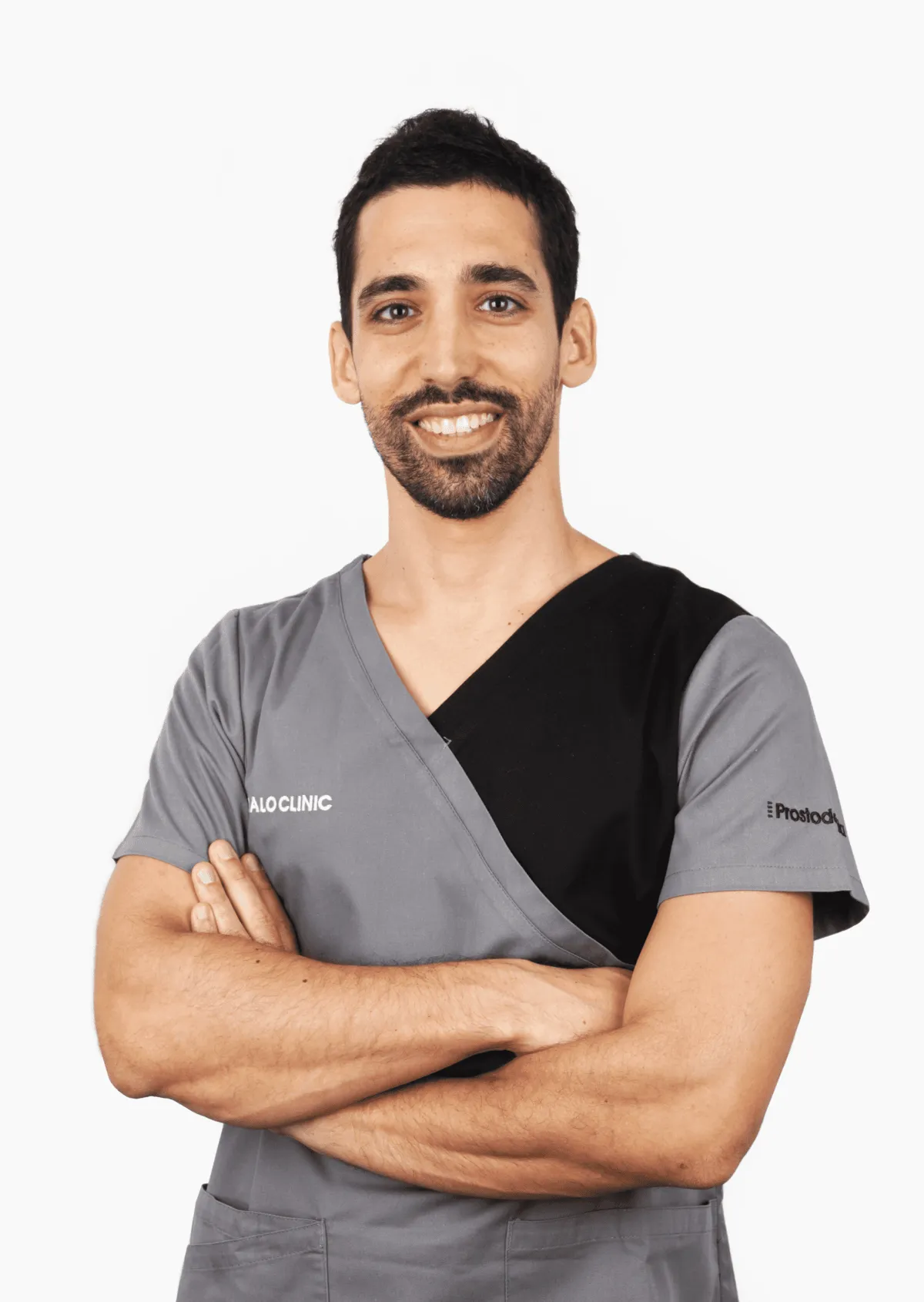
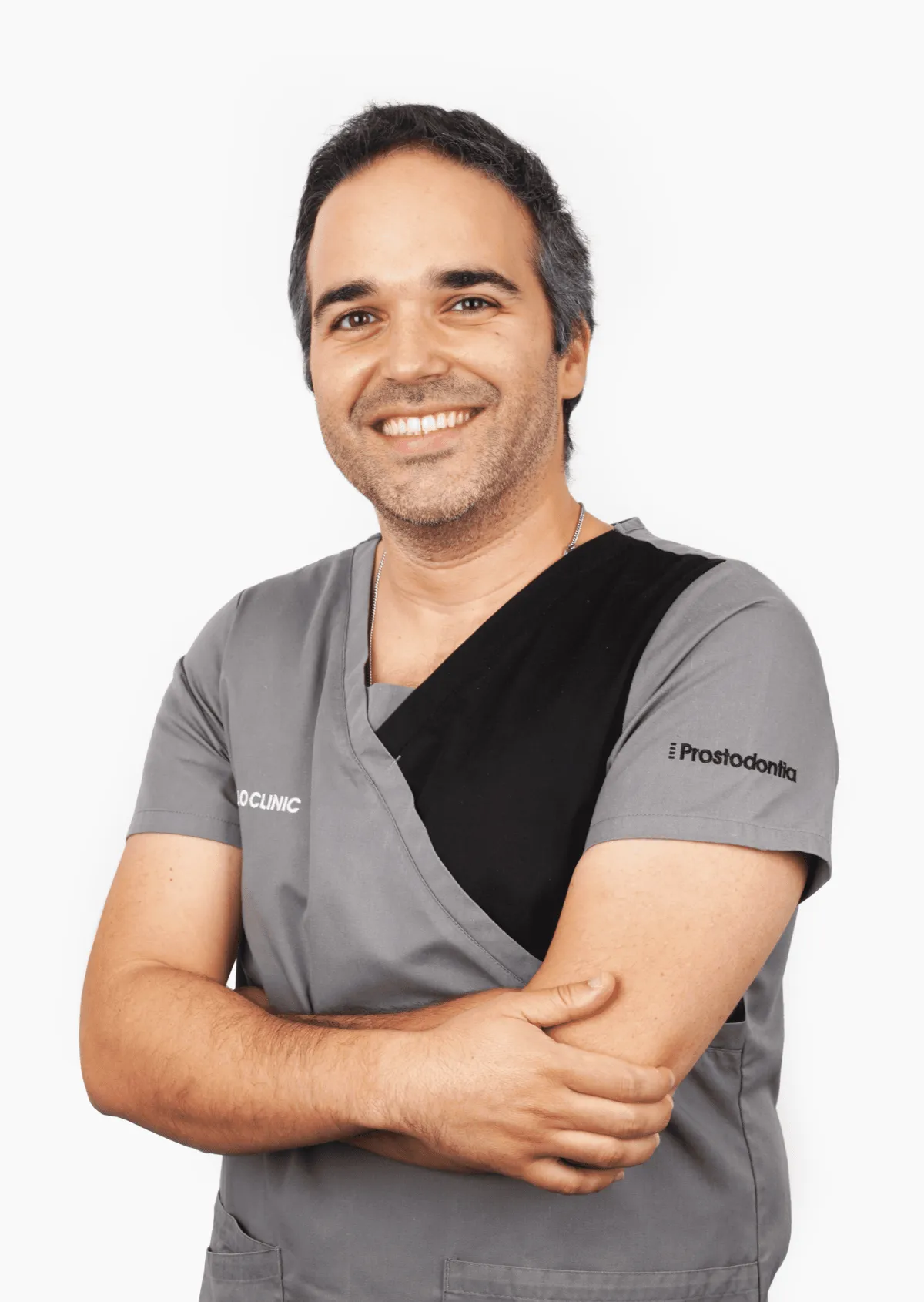
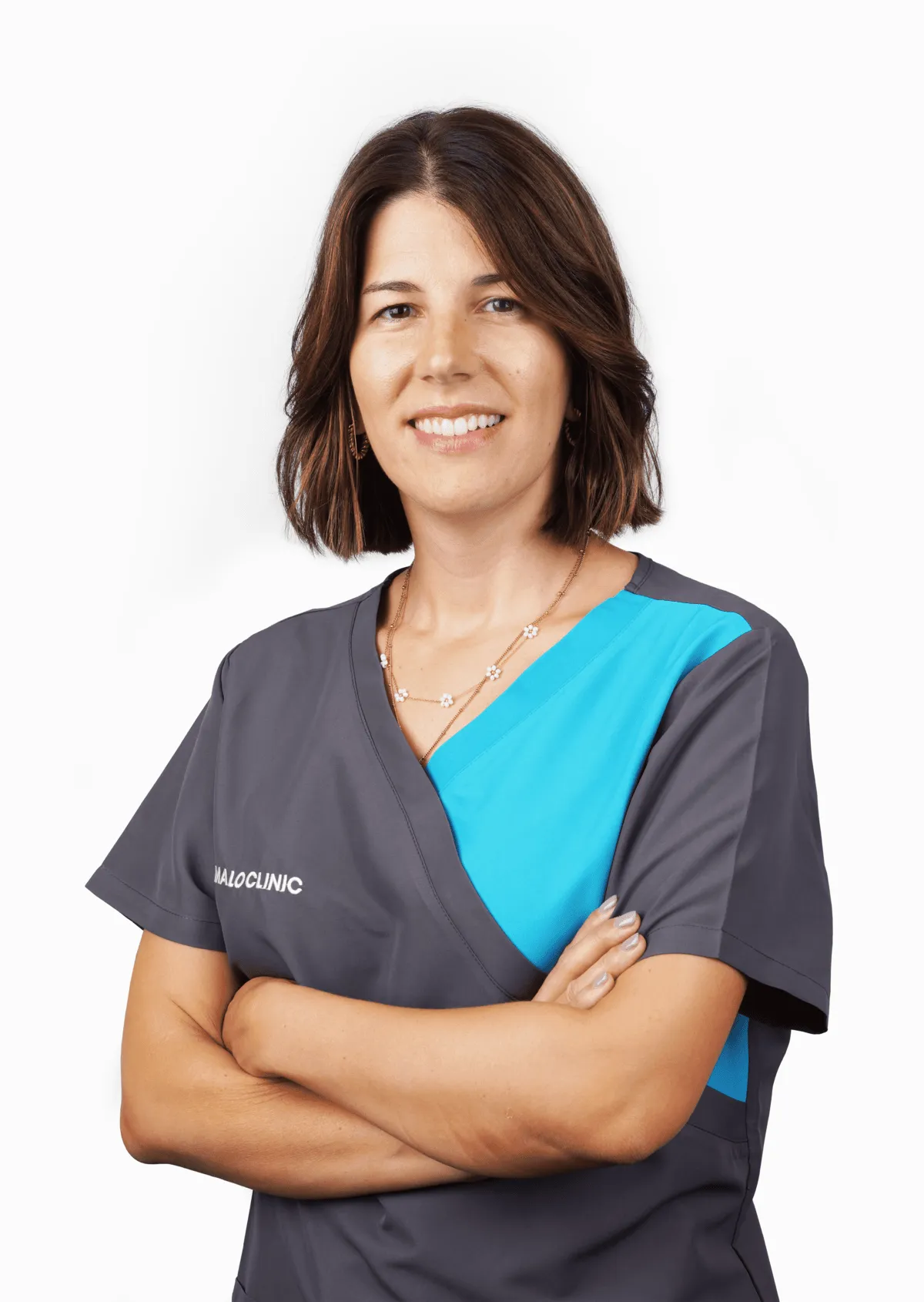
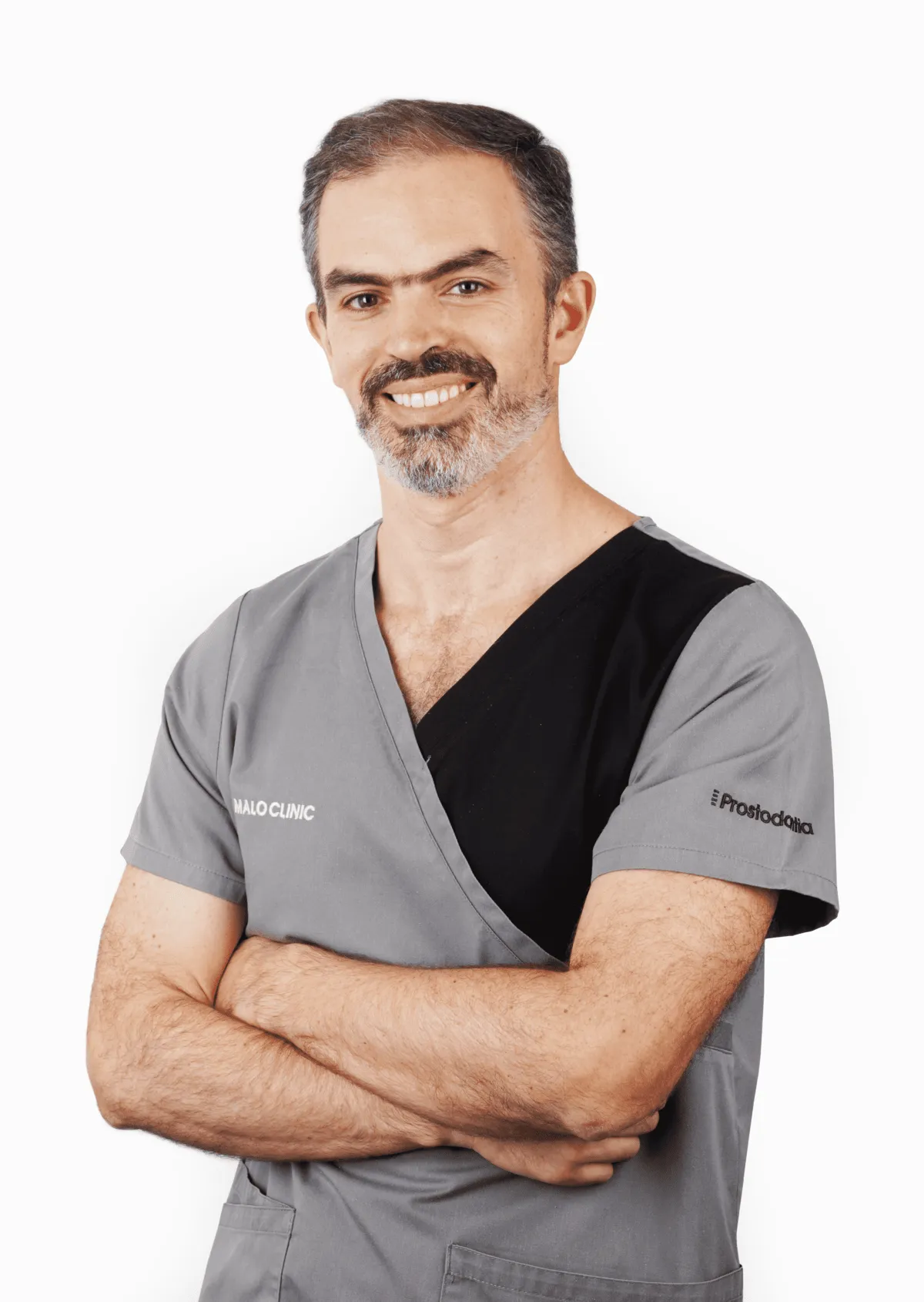
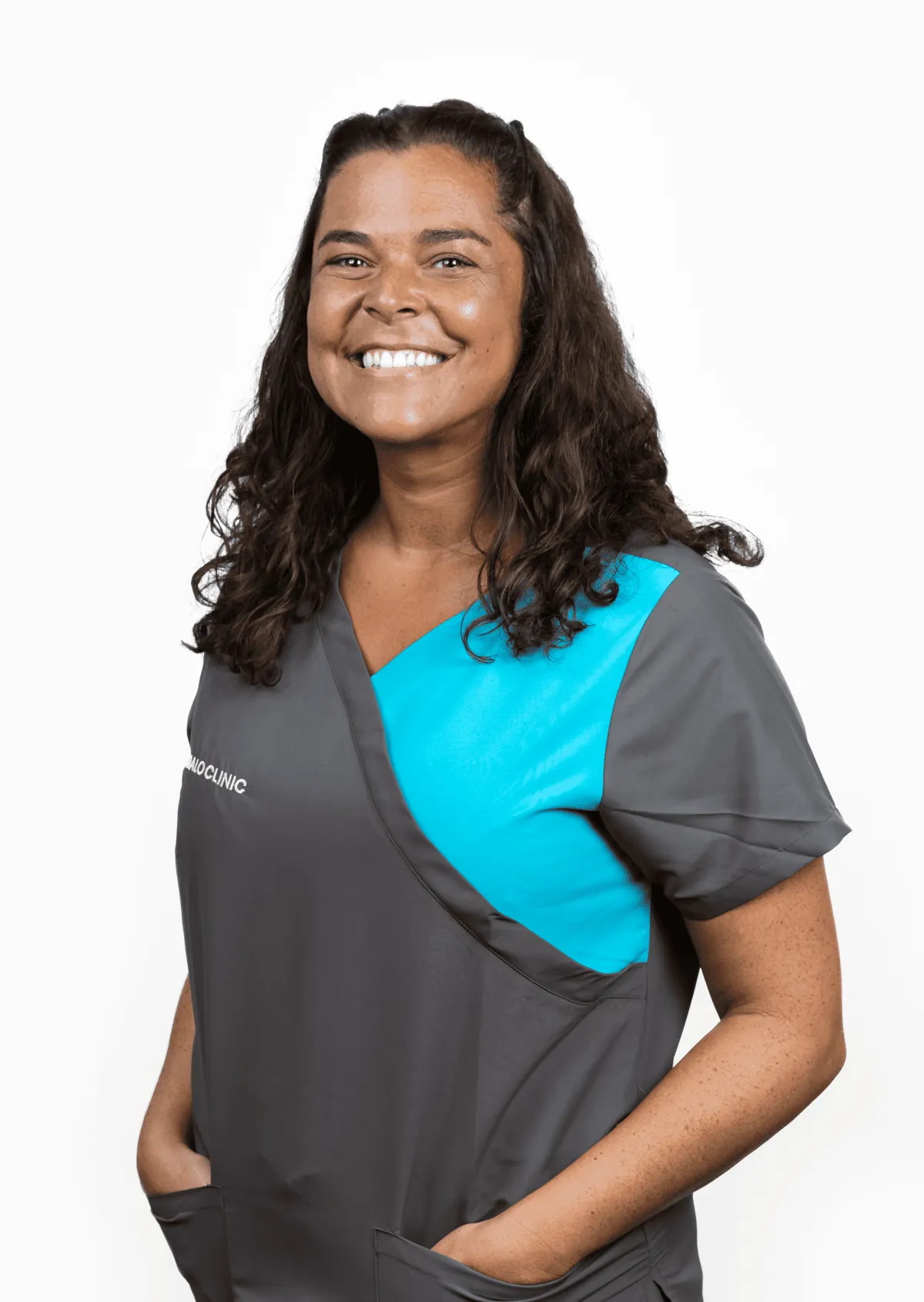
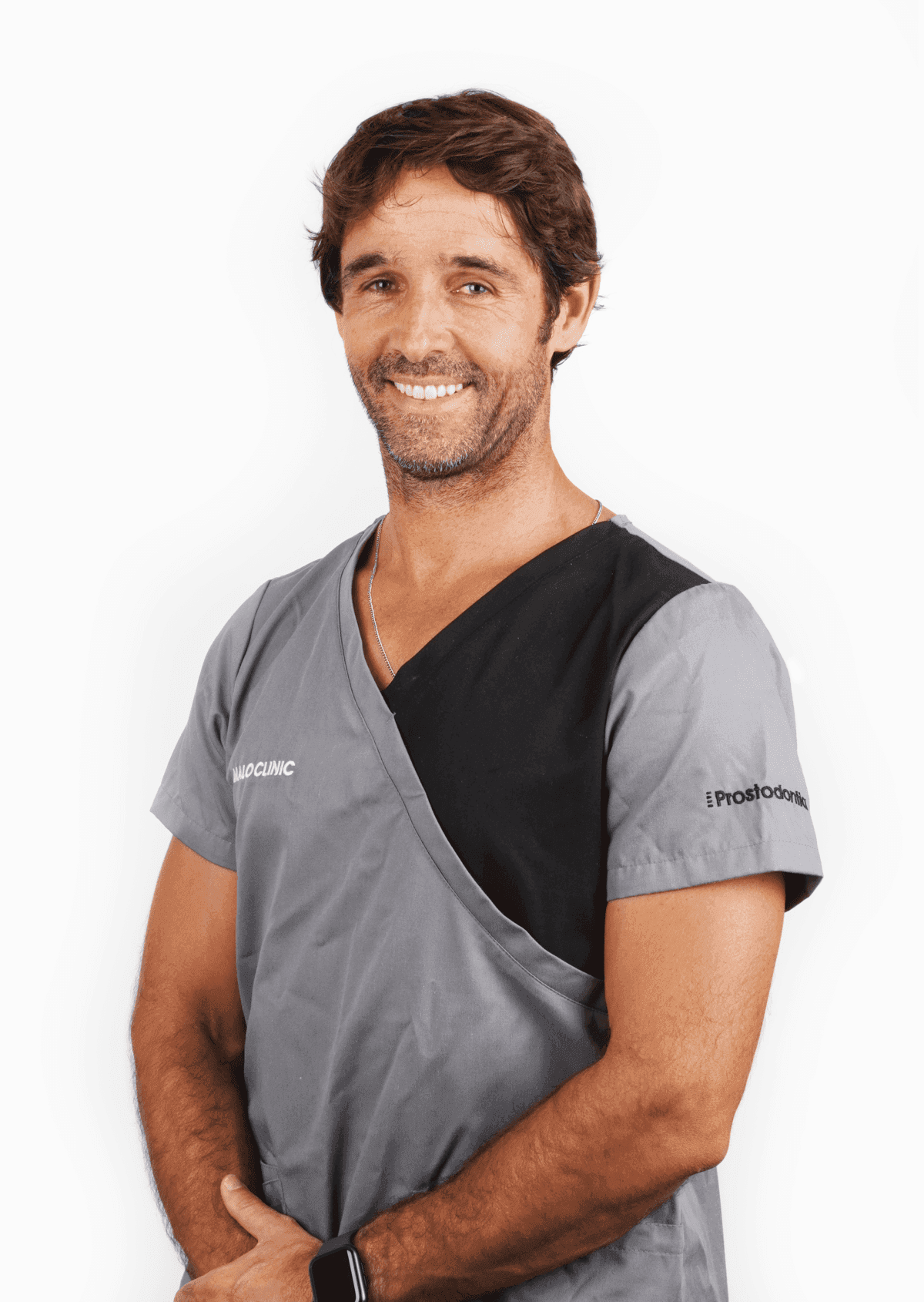
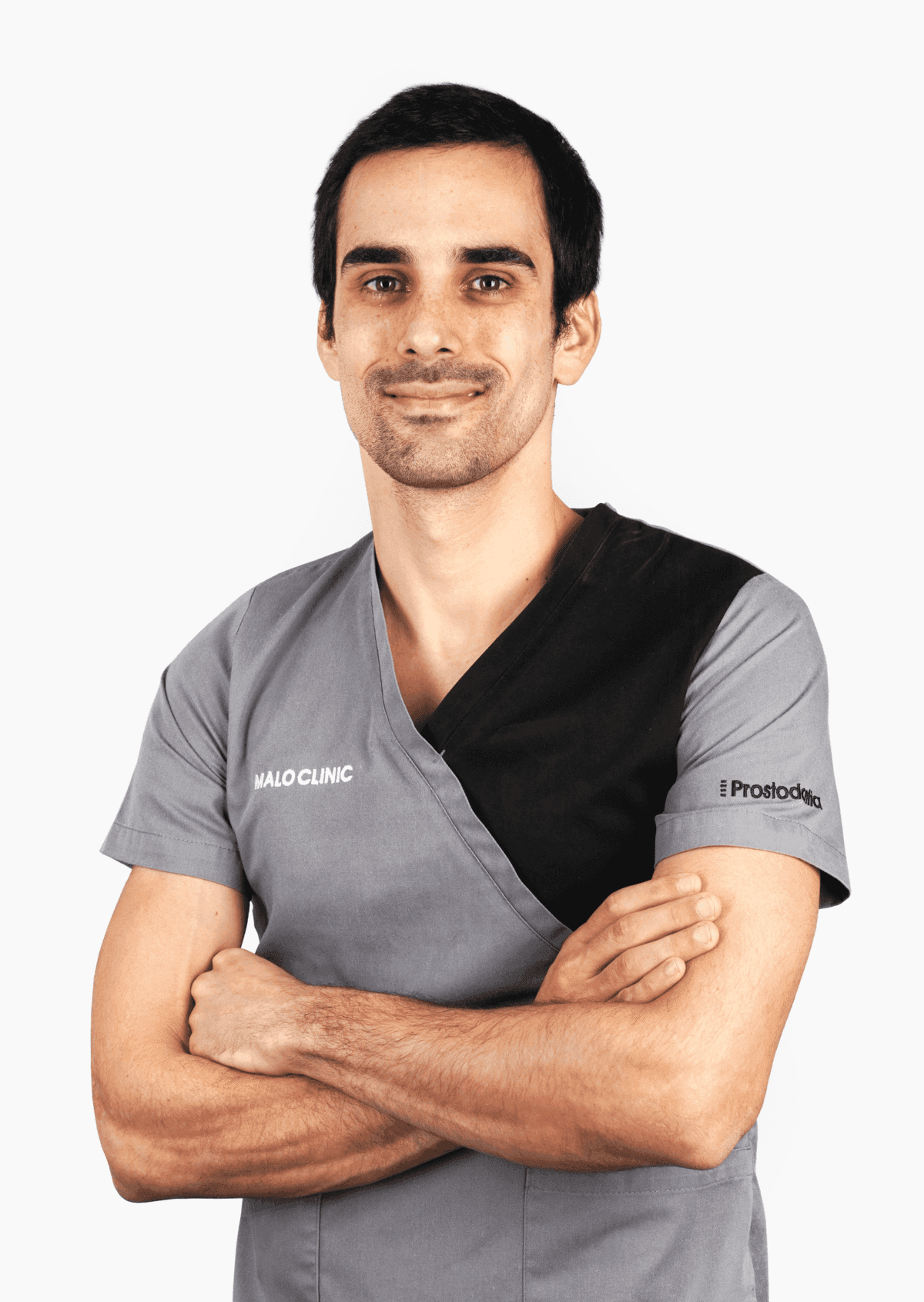
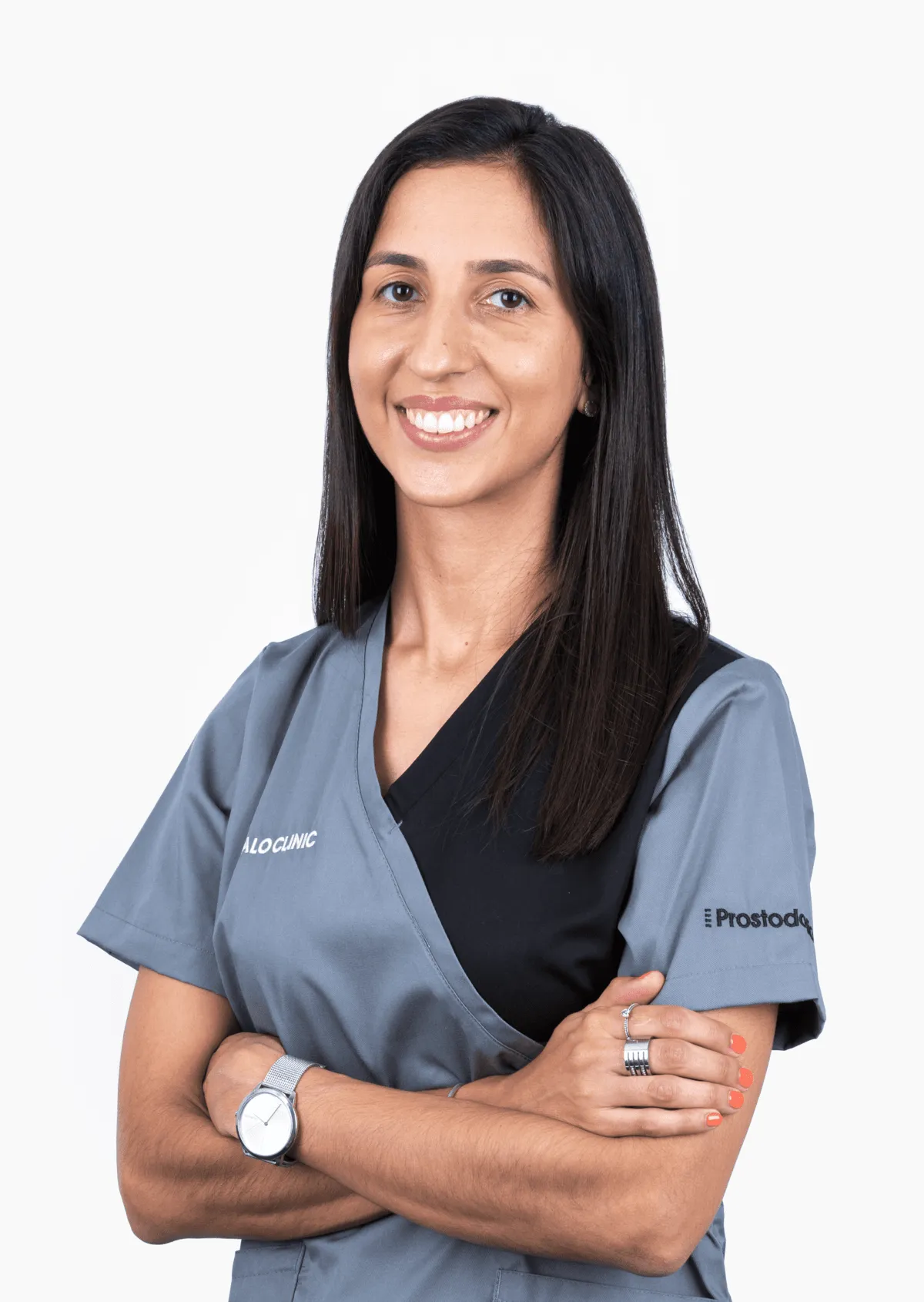
An experienced and qualified medical team, dedicated to safe, personalized, and patient-centered clinical support.

An experienced and qualified medical team, dedicated to safe, personalized, and patient-centered clinical support.

  • Abílio Pereira Fernandes | Dentist
    Abílio Pereira Fernandes
  • Ana Vieira da Silva | Dentist
    Ana Vieira da Silva
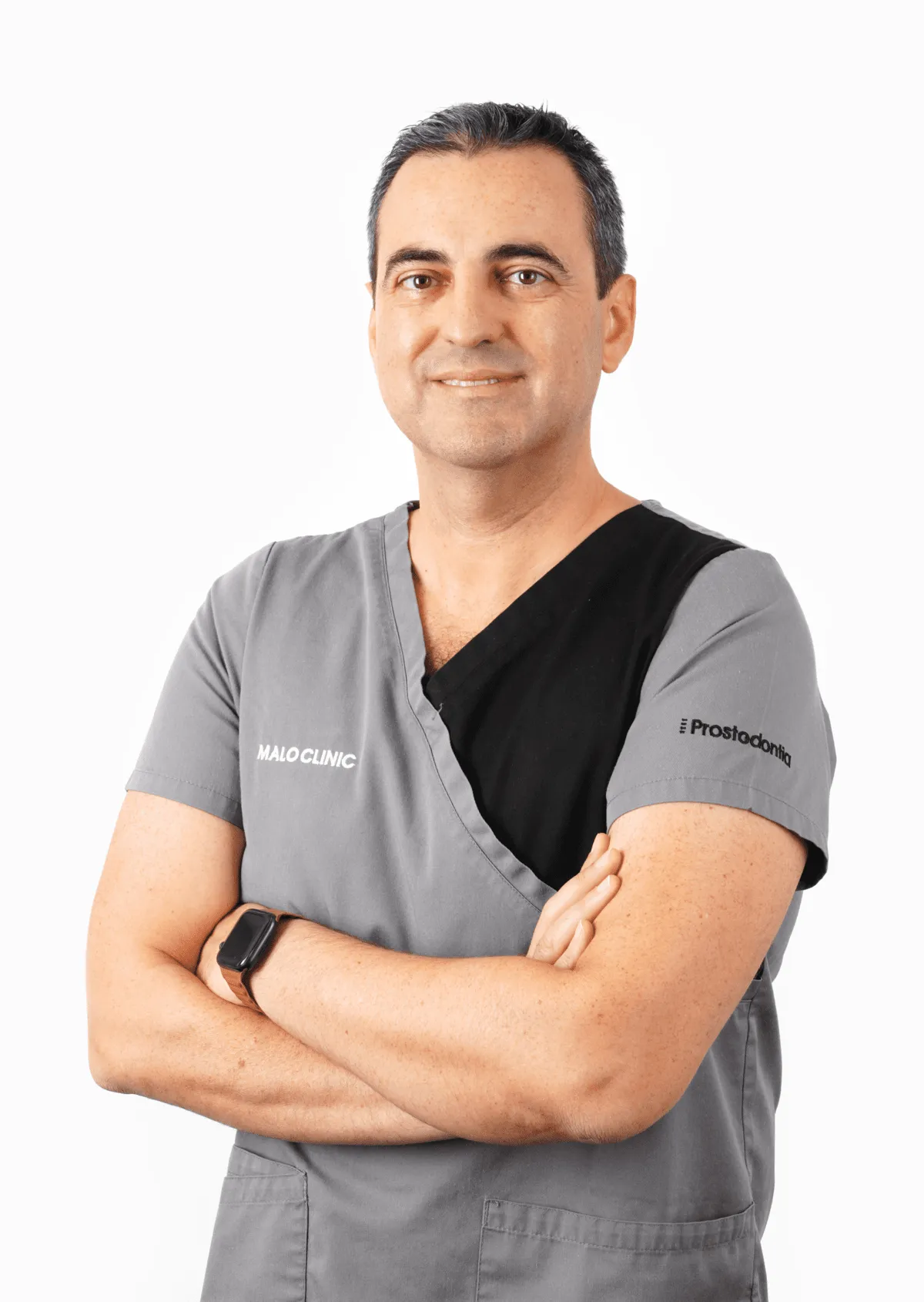
  • André Mourão Rodrigues | Director of the Department of Prosthodontics
    André Mourão Rodrigues
  • Bernardo Romão de Sousa | Dentist
    Bernardo Romão de Sousa
  • Carlos Moura Guedes | National Director
    Carlos Moura Guedes
  • Carlos Wilson Carvalhais | Dentist
    Carlos Wilson Carvalhais
  • Carolina Gonçalves | Dentist
    Carolina Gonçalves
  • Filipa Nóbrega Gonçalves | Dentist
    Filipa Nóbrega Gonçalves
  • Filipe Teixeira de Melo | Dentist
    Filipe Teixeira de Melo
  • Helena Bonifácio | Dentist
    Helena Bonifácio
  • Inês Festas | Dentist
    Inês Festas
  • Inês Murteira | Dentist
    Inês Murteira
  • John Peter Martins | Dentist
    John Peter Martins
  • João Rangel | Dentist
    John Rangel
  • Maria Inês Barahona | Dentist
    Maria Inês Barahona
  • Marialice Fernandes | Dentist
    Marialice Fernandes
  • Pedro Cosme | Director of the First Time Department
    Peter Cosme
  • Ramiro Loureiro | Clinical Director of MALO CLINIC Coimbra
    Ramiro Loureiro
  • Raquel Lucas | Clinical Director of MALO CLINIC Faro
    Raquel Lucas
  • Ricardo Almeida | Clinical Director of MALO CLINIC Lisbon
    Ricardo Almeida
  • Rodrigo González | Dentist
    Rodrigo González
  • Sara Pestana | Clinical Director of MALO CLINIC Funchal
    Sara Pestana
  • Tiago Caramelo | Dentist
    Tiago Caramelo
  • Tiago Pereira Ramos | Dentist
    Tiago Pereira Ramos
  • Abílio Pereira Fernandes | Dentist
    Abílio Pereira Fernandes
  • Ana Vieira da Silva | Dentist
    Ana Vieira da Silva
  • André Mourão Rodrigues | Director of the Department of Prosthodontics
    André Mourão Rodrigues
  • Bernardo Romão de Sousa | Dentist
    Bernardo Romão de Sousa
  • Carlos Moura Guedes | National Director
    Carlos Moura Guedes
  • Carlos Wilson Carvalhais | Dentist
    Carlos Wilson Carvalhais
  • Carolina Gonçalves | Dentist
    Carolina Gonçalves
  • Filipa Nóbrega Gonçalves | Dentist
    Filipa Nóbrega Gonçalves
  • Filipe Teixeira de Melo | Dentist
    Filipe Teixeira de Melo
  • Helena Bonifácio | Dentist
    Helena Bonifácio
  • Inês Festas | Dentist
    Inês Festas
  • Inês Murteira | Dentist
    Inês Murteira
  • John Peter Martins | Dentist
    John Peter Martins
  • João Rangel | Dentist
    John Rangel
  • Maria Inês Barahona | Dentist
    Maria Inês Barahona
  • Marialice Fernandes | Dentist
    Marialice Fernandes
  • Pedro Cosme | Director of the First Time Department
    Peter Cosme
  • Ramiro Loureiro | Clinical Director of MALO CLINIC Coimbra
    Ramiro Loureiro
  • Raquel Lucas | Clinical Director of MALO CLINIC Faro
    Raquel Lucas
  • Ricardo Almeida | Clinical Director of MALO CLINIC Lisbon
    Ricardo Almeida
  • Rodrigo González | Dentist
    Rodrigo González
  • Sara Pestana | Clinical Director of MALO CLINIC Funchal
    Sara Pestana
  • Tiago Caramelo | Dentist
    Tiago Caramelo
  • Tiago Pereira Ramos | Dentist
    Tiago Pereira Ramos

Agreements and Partnerships

MALO CLINIC has agreements and partnerships that make it easier to access treatment, under specific conditions defined by each entity. You can also choose payment facilities depending on the type of treatment.

Agreements and Partnerships

MALO CLINIC has agreements and partnerships that make it easier to access treatment, under specific conditions defined by each entity. You can also choose payment facilities depending on the type of treatment.

Agreements and Partnerships

MALO CLINIC has agreements and partnerships that make it easier to access treatment, under specific conditions defined by each entity. You can also choose payment facilities depending on the type of treatment.

Frequently Asked Questions

1

What is the difference between dental veneers, crowns, and bridges, and how can I determine the best prosthodontic treatment option for me?

Dental veneers are thin layers of restorative material, such as ceramic or composite, placed over the front surface of the teeth to enhance the aesthetics of the smile. They are primarily used to correct aesthetic issues such as stained, chipped, misaligned teeth, or those with spacing between them.

Crowns are protective caps that completely cover a damaged or weakened tooth, restoring its shape, function, and strength. They are recommended for teeth that are severely damaged due to decay, trauma, or excessive wear.

Bridges are fixed prosthetics used to replace one or more missing teeth, anchored to adjacent natural teeth or dental implants. They are typically applied when there are missing teeth and a fixed restoration is desirable to improve chewing, speech, and the aesthetics of the smile.

Determining the best prosthodontic treatment option for a patient depends on factors such as:

  • The reason for the prosthodontic treatment (cosmetic, functional, or both).

  • The condition of the supporting and adjacent teeth.

  • The aesthetic preferences of the patient.

  • The general and oral health of the patient, including the presence of periodontal diseases or cavities.

  • The prosthodontic evaluation consultation is essential to assess these factors and determine the best treatment option for each patient.

2

In a prosthodontic treatment, will the dental prosthesis affect my facial appearance and the aesthetics of my smile?

A dental prosthesis can have a significant impact on a person's facial appearance and smile aesthetics. Here are some of the key aspects to consider:

  1. Restoration of Smile Aesthetics: A dental prosthesis is designed to replace missing, damaged, or compromised teeth, restoring the natural appearance of the smile. This may include correcting gaps between teeth, misaligned teeth, stains, chips, or other aesthetic defects.

  2. Facial Support and Lip Structure: Missing teeth can lead to the loss of facial support and a decrease in the contour of the lips and cheeks. A well-designed dental prosthesis can help restore facial support by filling empty spaces and maintaining a more youthful and healthy appearance.

  3. Improvement of Self-esteem and Confidence: A harmonious facial appearance and smile have a positive impact on a person's self-esteem and confidence. By restoring the aesthetics of the smile, the dental prosthesis can help patients feel more secure and satisfied with their appearance.

  4. Alignment of Lips and Cheeks: Tooth loss can lead to the collapse of soft tissues, resulting in thin lips, sagging cheeks, and facial wrinkles. An appropriate dental prosthesis can help restore the alignment of the lips and cheeks, providing a more youthful and vibrant appearance.

  5. Correction of Facial Disproportions: In cases of extensive tooth loss or malocclusion, a dental prosthesis may be part of a comprehensive treatment plan to correct facial disproportions and improve overall facial harmony.

It is important to highlight that in order to achieve the best aesthetic results from a dental prosthesis, open communication between the patient and the prosthodontic dentist is essential.

1

What is the difference between dental veneers, crowns, and bridges, and how can I determine the best prosthodontic treatment option for me?

Dental veneers are thin layers of restorative material, such as ceramic or composite, placed over the front surface of the teeth to enhance the aesthetics of the smile. They are primarily used to correct aesthetic issues such as stained, chipped, misaligned teeth, or those with spacing between them.

Crowns are protective caps that completely cover a damaged or weakened tooth, restoring its shape, function, and strength. They are recommended for teeth that are severely damaged due to decay, trauma, or excessive wear.

Bridges are fixed prosthetics used to replace one or more missing teeth, anchored to adjacent natural teeth or dental implants. They are typically applied when there are missing teeth and a fixed restoration is desirable to improve chewing, speech, and the aesthetics of the smile.

Determining the best prosthodontic treatment option for a patient depends on factors such as:

  • The reason for the prosthodontic treatment (cosmetic, functional, or both).

  • The condition of the supporting and adjacent teeth.

  • The aesthetic preferences of the patient.

  • The general and oral health of the patient, including the presence of periodontal diseases or cavities.

  • The prosthodontic evaluation consultation is essential to assess these factors and determine the best treatment option for each patient.

2

In a prosthodontic treatment, will the dental prosthesis affect my facial appearance and the aesthetics of my smile?

A dental prosthesis can have a significant impact on a person's facial appearance and smile aesthetics. Here are some of the key aspects to consider:

  1. Restoration of Smile Aesthetics: A dental prosthesis is designed to replace missing, damaged, or compromised teeth, restoring the natural appearance of the smile. This may include correcting gaps between teeth, misaligned teeth, stains, chips, or other aesthetic defects.

  2. Facial Support and Lip Structure: Missing teeth can lead to the loss of facial support and a decrease in the contour of the lips and cheeks. A well-designed dental prosthesis can help restore facial support by filling empty spaces and maintaining a more youthful and healthy appearance.

  3. Improvement of Self-esteem and Confidence: A harmonious facial appearance and smile have a positive impact on a person's self-esteem and confidence. By restoring the aesthetics of the smile, the dental prosthesis can help patients feel more secure and satisfied with their appearance.

  4. Alignment of Lips and Cheeks: Tooth loss can lead to the collapse of soft tissues, resulting in thin lips, sagging cheeks, and facial wrinkles. An appropriate dental prosthesis can help restore the alignment of the lips and cheeks, providing a more youthful and vibrant appearance.

  5. Correction of Facial Disproportions: In cases of extensive tooth loss or malocclusion, a dental prosthesis may be part of a comprehensive treatment plan to correct facial disproportions and improve overall facial harmony.

It is important to highlight that in order to achieve the best aesthetic results from a dental prosthesis, open communication between the patient and the prosthodontic dentist is essential.

Book your
Appointment

Fill out the form and our team will get in touch with you to schedule your appointment.

Book your
Appointment

Fill out the form and our team will get in touch with you to schedule your appointment.

Book your
Appointment

Fill out the form and our team will get in touch with you to schedule your appointment.

We accompany each step of your clinical journey, focusing on your comfort, confidence, and smile.

@ 2026 ALL RIGHTS RESERVED - MALO CLINIC SA NIF 503411434 ERS No. 12920

Desenvolvido por

We accompany each step of your clinical journey, focusing on your comfort, confidence, and smile.

@ 2026 ALL RIGHTS RESERVED - MALO CLINIC SA NIF 503411434 ERS No. 12920

Desenvolvido por