What is All-on-4® Digital?
The All-on-4® Digital is a protocol we developed together that allows smiles to be restored in less than 4 hours. This protocol is the latest innovation in the All-on-4® treatment concept, in which MALO CLINIC is a pioneer, allowing the complete rehabilitation of the dentition in a single surgery through the placement of just four fixed implants in each jaw.
With the integration of digital technologies, it has been possible to offer greater benefits to patients, making the procedure even more efficient, less invasive, and with even more predictable results.
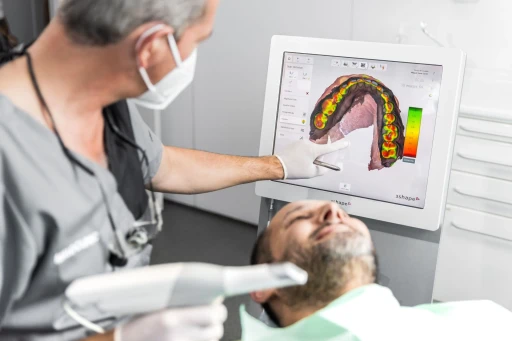
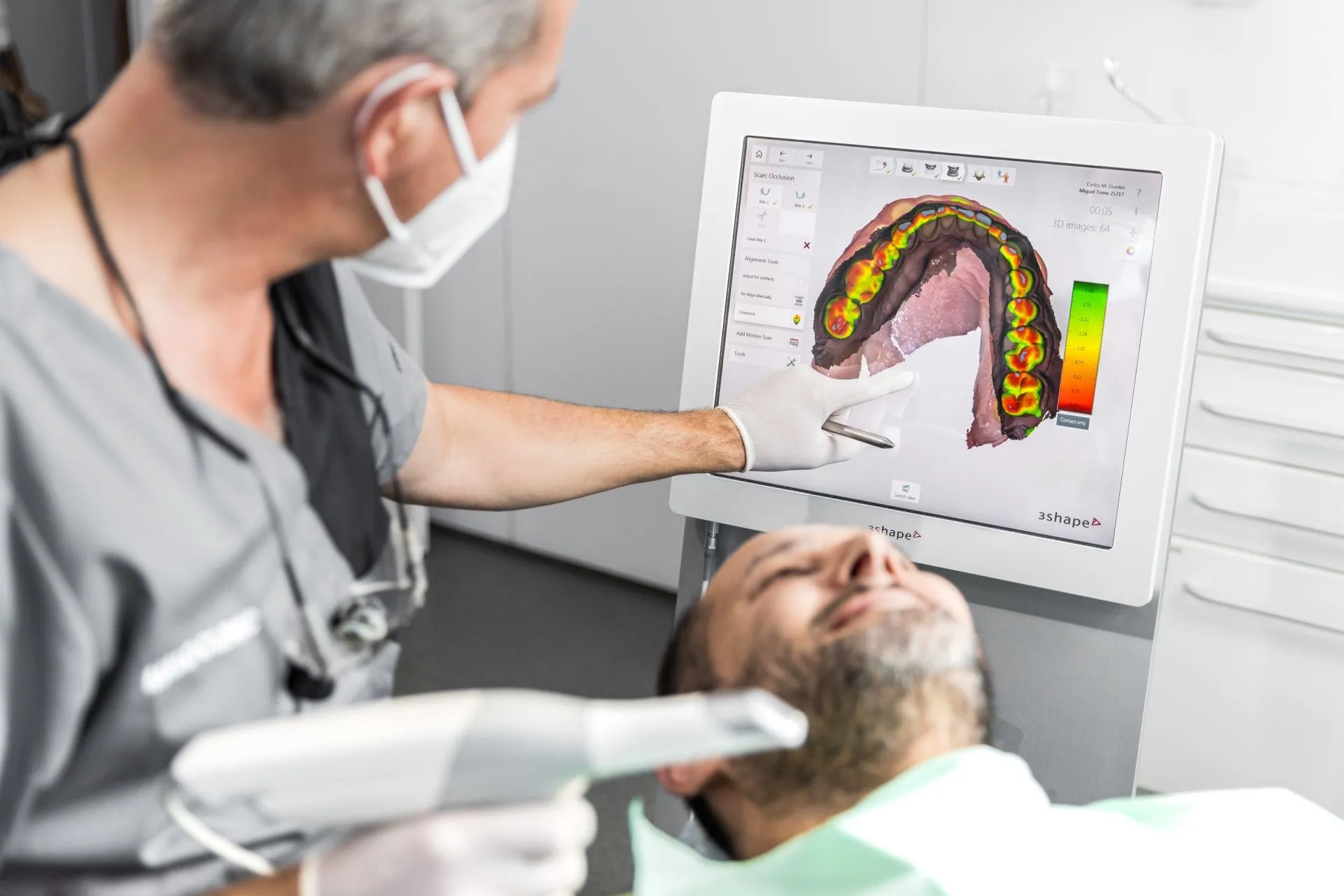
The use of tools such as intraoral scanners, 3D planning software, and high-precision digital printers allows each step of the treatment to be performed with greater detail and speed. This approach reduces the treatment time and offers personalized solutions tailored to the clinical case and the needs of each patient.
What are the main differences of the digital protocol compared to traditional All-on-4®?
The planning is entirely digital, which increases the predictability and success of the treatment;
Reduction of the total rehabilitation time from 8 to about 4 hours;
The customized guides are fully designed and printed in the MALO CLINIC laboratory, without the use of external suppliers and in close collaboration with the clinical team;
It allows remote planning, making it possible to plan the case and produce the material in Lisbon and carry out the procedure at another unit.
Advantages of All-on-4® Digital
1. Precise and personalized planning
Using technologies such as the intraoral scanner and 3D planning software, it is possible to simulate the entire procedure before the surgery. This ensures that the implants are placed in the most appropriate positions, maximizing stability, longevity of the treatment, and a better aesthetic result.
2. Faster and more comfortable procedure
The entirely digital planning is done before the surgery, and all the guides used in the rehabilitation process, as well as the fixed teeth on implants, are likewise pre-produced in the laboratory and placed immediately after the surgery. This allows the intervention time to be reduced to less than 4 hours, providing a calmer and more comfortable experience for the patient.
3. Less surgical trauma and accelerated recovery
The increase in precision of the procedure allows for less invasive interventions, which means less pain, lower inflammation, and a tendentially faster healing process.
4. Superior and predictable results
Post-surgery, when produced using digital technologies, they achieve a perfect fit, ensuring immediate functionality. About 4 to 6 months after the intervention, the provisional fixed teeth are replaced with definitive ones, which are produced with high-quality materials, ensuring a natural and lasting smile.
Why choose MALO CLINIC?
Exclusivity of All-on-4® Digital
MALO CLINIC is not just the clinic where the procedure is performed; it is the place where the protocol has been continuously refined. The team combines clinical experience with the latest technological innovations.
Integrated digital workflow
From diagnosis to placement of the fixed teeth on implants, each step is carried out with cutting-edge digital technologies, ensuring precision and safety.
Patient-centered approach
Each case is treated uniquely, with personalized solutions that consider the specific expectations and needs of each individual.
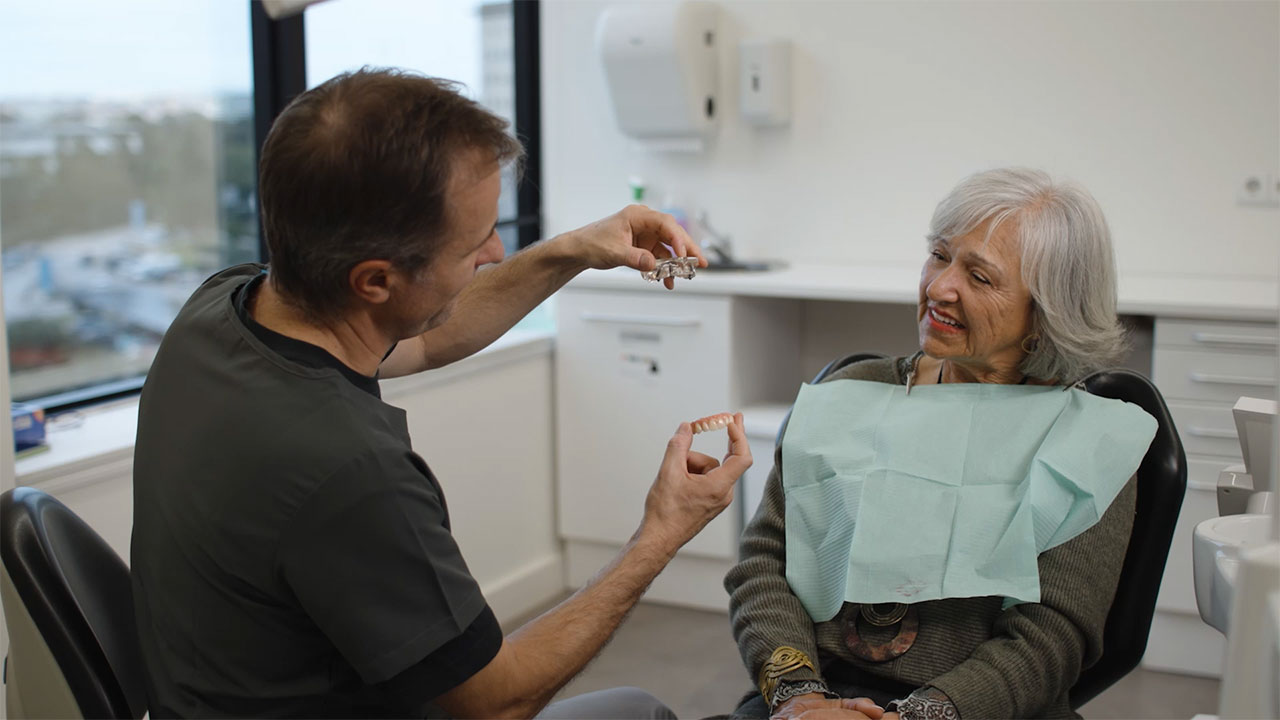
The All-on-4® Digital Process Step by Step
1. Initial Assessment
The initial assessment consultation includes clinical observation and the completion of preliminary tests, such as the panoramic X-ray, which allows for the creation of the ideal and personalised treatment plan.
2. Planning Consultation
In a single visit, all necessary data is collected, including CBCT, 3D images, through intraoral scanners, and photographs. These elements allow for the complete digital planning of the case.
3. Preparation Period
Between the Planning Consultation and the surgery date, approximately 9 working days are typically required to digitally plan the case and produce the customised surgical and prosthetic guides and provisional fixed teeth in the laboratory.
4. Surgical Procedure and Placement of Provisional Teeth
In about 4 hours, the implants and provisional fixed teeth are placed, allowing the patient to leave the clinic with a new smile, functional and aesthetically similar to natural teeth.
5. Placement of Definitive Fixed Teeth
Between 4 to 6 months after the intervention and as soon as the healing process of the implants is completed, the definitive teeth are produced and placed.
All-on-4® Digital: Frequently Asked Questions
Is it painful?
Thanks to minimally invasive techniques and digital precision, the procedure is performed safely and with minimal discomfort.
What is the lifespan of the implants?
Implants can last a lifetime, provided they are maintained with proper care and regular oral hygiene check-ups and implant maintenance.
How long does the complete treatment take?
Once the Evaluation Consultation is held and the patient decides to proceed with the proposed Treatment Plan, a Planning Consultation is conducted. Currently, the protocol considers 9 working days from the Planning Consultation to the scheduled surgery date. This period accounts for the time required for the MALO CLINIC team to digitally plan the case, and all guides used in the rehabilitation process, as well as the fixed teeth on implants, are produced in the laboratory beforehand and placed immediately after the surgery. If there are not many cases in preparation, this process can be completed in less than a week.
During the Planning consultation and in a single visit, all necessary information is collected, including CBCT, 3D images via intraoral scanner, and photographs, with the patient only returning to the clinic on the day of the surgery. Temporary teeth are placed on the day of the surgery, and the definitive ones after the healing period.
Frequently Asked Questions
1
At what age should a child begin to brush their teeth?
As soon as the first tooth erupts. Before this, you can clean the gums with a damp compress.
2
How many times a day should I brush my teeth?
Twice a day. Night brushing is essential.
3
Until what age should parents supervise brushing?
Until around the age of 10, or until the child demonstrates sufficient manual dexterity.
4
Manual or electric toothbrush?
Both are effective when used correctly. The choice should be suitable for the child's age and preference.
5
What to do in the face of persistent tantrums?
Maintain consistency, avoid conflicts and seek guidance from a pediatric dentist for tailored strategies.
Establishing brushing habits without conflict requires consistency, example, and appropriate guidance. When parents integrate oral hygiene into the family routine in a natural and structured way, the child tends to view this moment as part of the day, rather than as an imposition.
Regular follow-up at the Pediatric Dentistry Appointment allows for the adjustment of strategies, reinforcement of good practices, and prevention of problems before they arise. Investing in children's oral health from the earliest years is investing in confidence, well-being, and the overall development of the child.