
+351 217 228 120
Implantology
Dental Assessment Inquiry
Orthodontics
Oral Surgery
Aesthetic Dentistry
Prosthodontics
Pediatric Dentistry
Oral Hygiene
Periodontology
Dentistry
Endodontics
Functional Orthopedics of the Jaws
Oral-Facial Pain and Sleep
Oral Medicine
Dental Emergencies
Bruxism
Crossbite
Tartar
Cavity
Dental Abscess
Cold Sore
Aphthae
Xerostomia
Gingivitis
Periodontitis
Jaw or Orofacial Pain
Implantology
Dental Assessment Inquiry
Orthodontics
Oral Surgery
Aesthetic Dentistry
Prosthodontics
Pediatric Dentistry
Oral Hygiene
Periodontology
Dentistry
Endodontics
Functional Orthopedics of the Jaws
Oral-Facial Pain and Sleep
Oral Medicine
Dental Emergencies
Bruxism
Crossbite
Tartar
Cavity
Dental Abscess
Cold Sore
Aphthae
Xerostomia
Gingivitis
Periodontitis
Jaw or Orofacial Pain
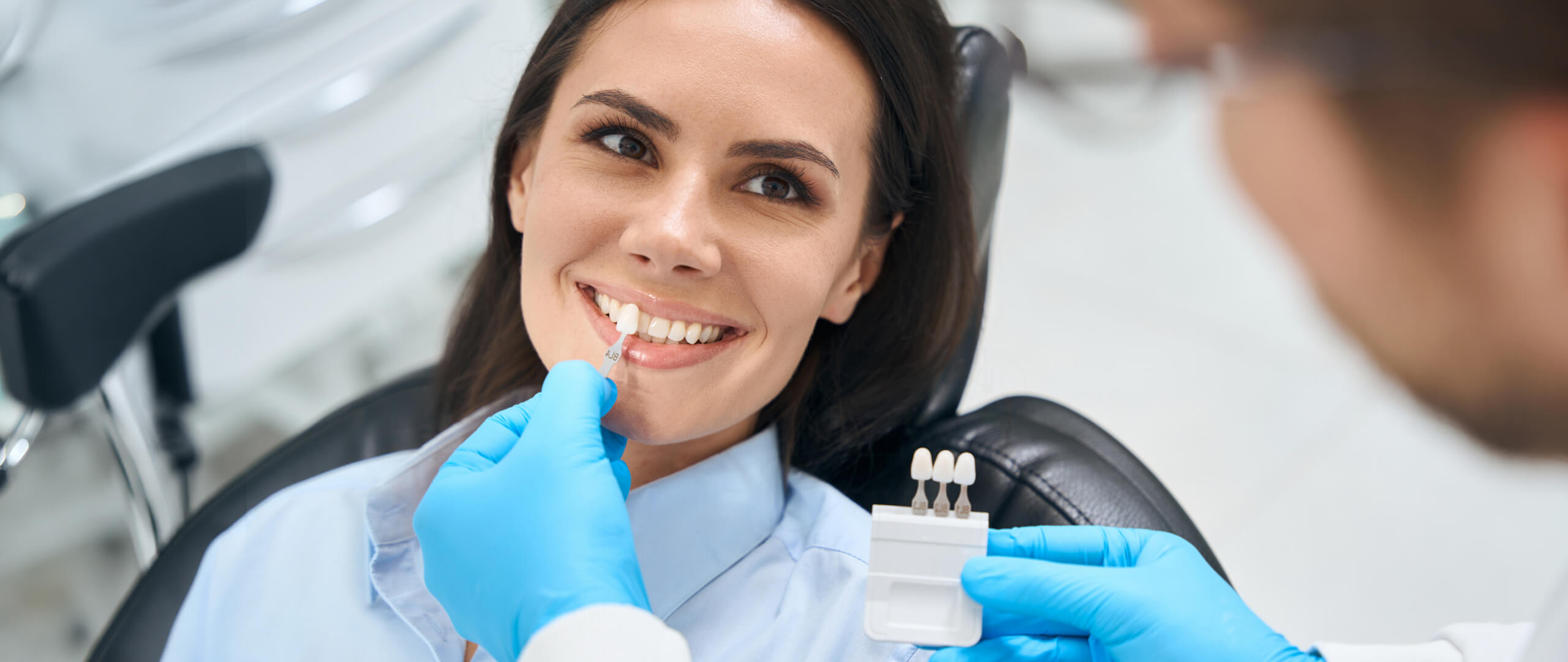
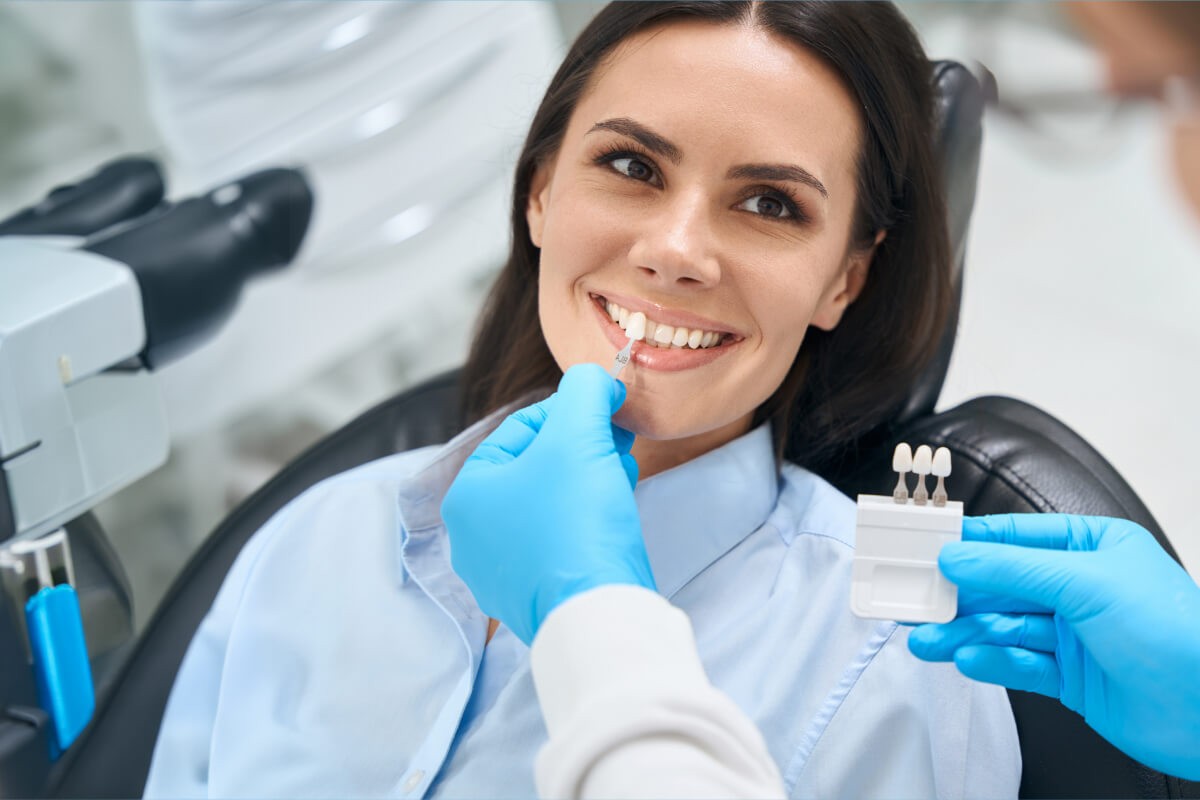
Dental Veneers
The dental aesthetic treatment that allows for an improved smile, with a natural appearance and high durability.
Schedule your assessment appointment
+400,000 Smiles Treated
+400,000 Smiles Treated
+400,000 Smiles Treated
+400,000 Smiles Treated
Clinical Team Dedicated
Clinical Team Dedicated
Clinical Team Dedicated
Clinical Team Dedicated
+14 Specialties Dental Medicine
+14 Specialties Dental Medicine
+14 Specialties Dental Medicine
+14 Specialties Dental Medicine
Payment Facilities, Agreements and Partnerships
Payment Facilities, Agreements and Partnerships
Payment Facilities, Agreements and Partnerships
Payment Facilities, Agreements and Partnerships
In what cases do patients choose Dental Veneers?
Dental veneers are suitable for you if:
Have teeth with discolouration or stained
Has chipped, cracked or worn teeth
Do you have gaps or spaces between your teeth that you want to close (diastemas)
Discover how to improve the aesthetics of your smile
Discover how to improve the aesthetics of your smile
Real results. Transformations that change lives.
Real cases of patients treated with Dental Veneers at MALO CLINIC.
The disclosure of cases was expressly authorized by the patients who unreservedly consented to their public exposure, as the disclosed informational elements are objectively true and can thus contribute to the free and informed choice of other patients.
The disclosure of cases was expressly authorized by the patients who unreservedly consented to its public publication, as the disclosed informative elements are objectively true and can thus contribute to the free and informed choice of other patients.
The disclosure of cases was expressly authorized by the patients who unreservedly consented to its public publication, as the disclosed informative elements are objectively true and can thus contribute to the free and informed choice of other patients.
What are Dental Veneers?
Dental veneers, also incorrectly referred to as "tooth covers", are a type of treatment in the specialty of Prosthodontics and are characterized by being thin laminates of ceramic or composite resin that adhere to the visible part of the tooth with the aim of enhancing its appearance, whether by altering the shape, color, or alignment of the teeth themselves.
In this sense, dental veneers function like contact lenses (restorations) with reduced thickness, capable of restoring dental aesthetics with high excellence but in a conservative way, as they involve minimal dental wear or, in some cases, none at all.

Our Clinical Team is here to help you!
Steps of Treatment
Following the assessment consultation, the treatment follows a well-defined path designed to ensure safety, predictability, and comfort at all stages.
1
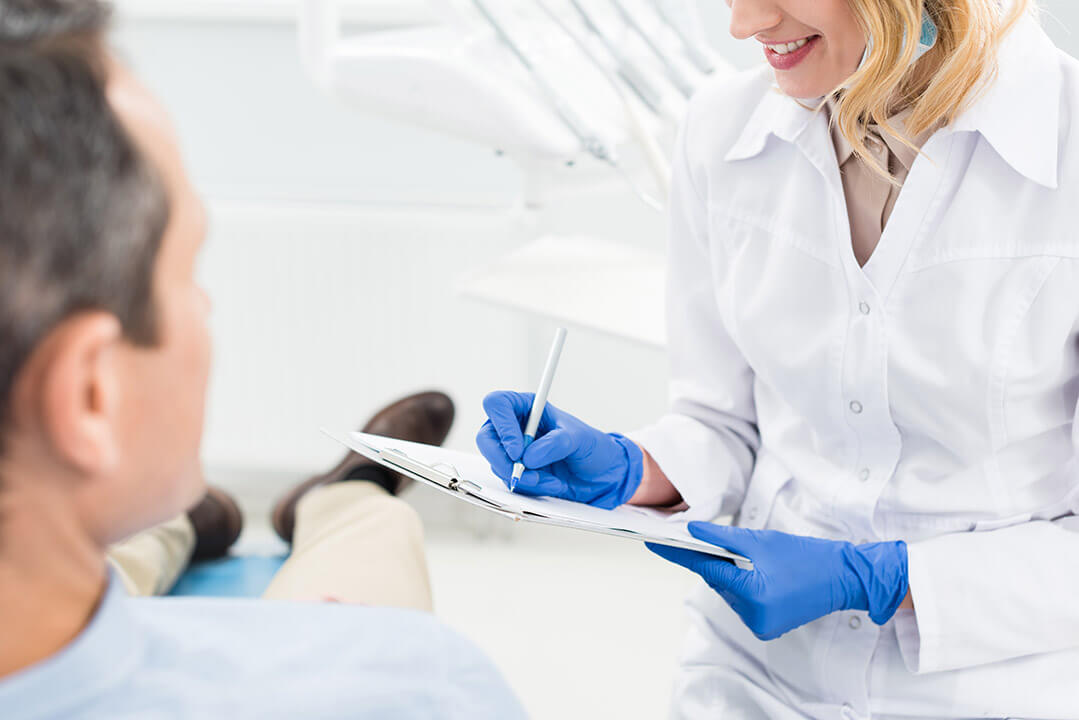
Complete Clinical Assessment
At the first consultation, all necessary information for the diagnosis is collected, including tests and digital images, allowing for a thorough analysis of the case.
1
Complete Clinical Assessment
At the first consultation, all necessary information for the diagnosis is collected, including tests and digital images, allowing for a thorough analysis of the case.
1
Complete Clinical Assessment
At the first consultation, all necessary information for the diagnosis is collected, including tests and digital images, allowing for a thorough analysis of the case.
2

Planning
A personalised treatment plan is created based on your specific needs and the desired outcome. At this stage, and based on the information gathered during the assessment consultation, parameters such as the color, dimension, and structure of the veneer are defined.
2
Planning
A personalised treatment plan is created based on your specific needs and the desired outcome. At this stage, and based on the information gathered during the assessment consultation, parameters such as the color, dimension, and structure of the veneer are defined.
2
Planning
A personalised treatment plan is created based on your specific needs and the desired outcome. At this stage, and based on the information gathered during the assessment consultation, parameters such as the color, dimension, and structure of the veneer are defined.
3
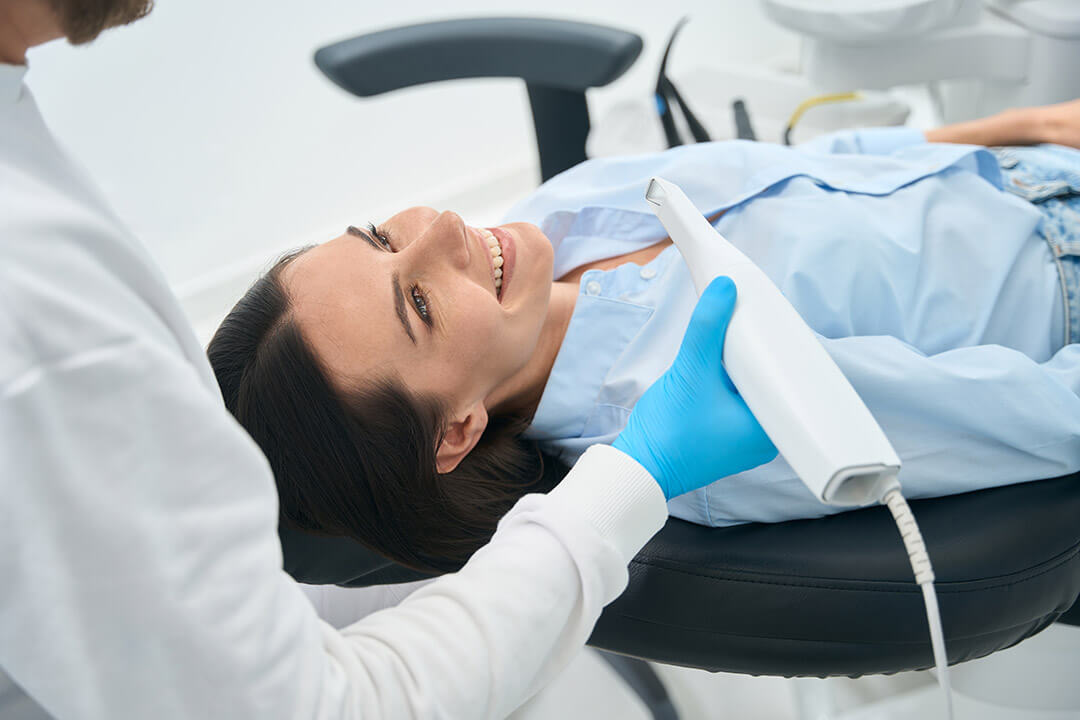
Digital Registration
Through the latest digital technology, a 3D image of your dentition is captured, which will serve as the basis for the production of your dental facings, so that they match exactly the shape and colour of your natural teeth.
3
Digital Registration
Through the latest digital technology, a 3D image of your dentition is captured, which will serve as the basis for the production of your dental facings, so that they match exactly the shape and colour of your natural teeth.
3
Digital Registration
Through the latest digital technology, a 3D image of your dentition is captured, which will serve as the basis for the production of your dental facings, so that they match exactly the shape and colour of your natural teeth.
4
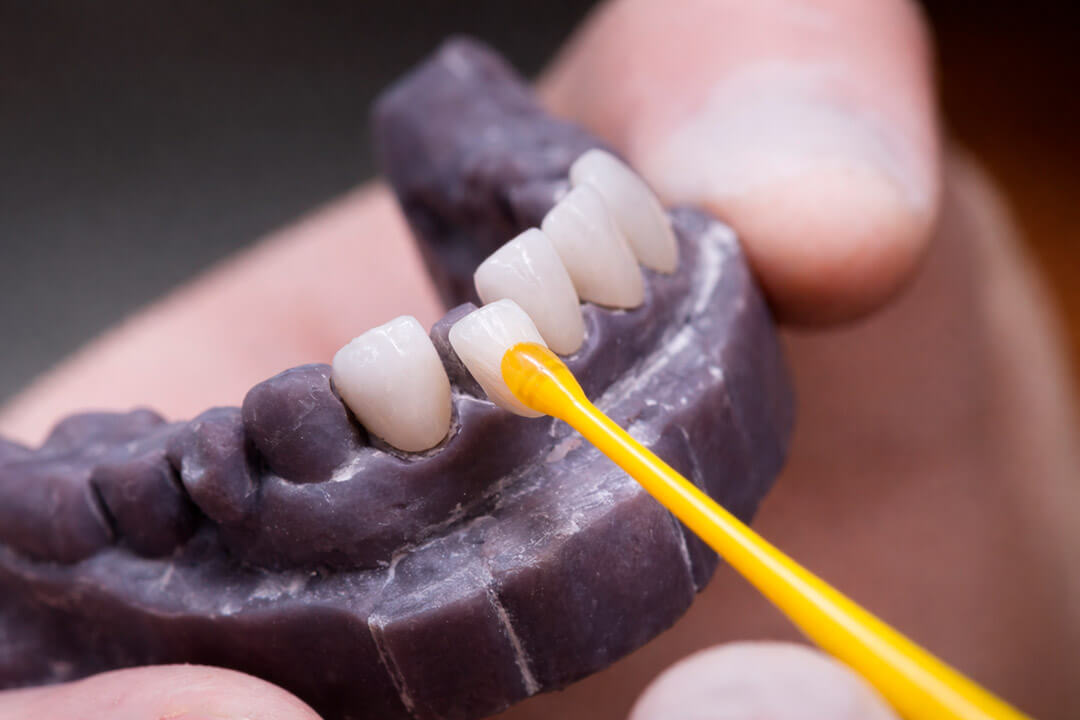
Mockup
Creation of a final result model for you to try out and see before its permanent placement. While your permanent dental veneers are being produced in the laboratory, these temporary dental veneers help protect your teeth.
4
Mockup
Creation of a final result model for you to try out and see before its permanent placement. While your permanent dental veneers are being produced in the laboratory, these temporary dental veneers help protect your teeth.
4
Mockup
Creation of a final result model for you to try out and see before its permanent placement. While your permanent dental veneers are being produced in the laboratory, these temporary dental veneers help protect your teeth.
5
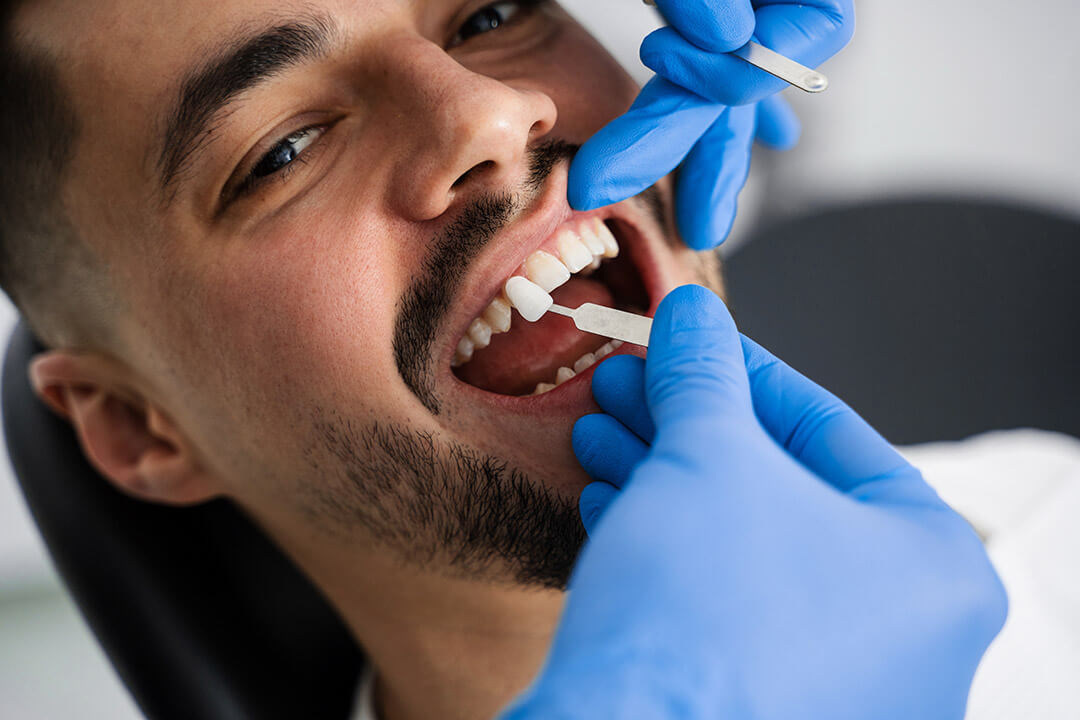
Placement
When your final veneers are ready, your dentist will carefully bond them to your teeth using a special adhesive. In certain cases, a slight reduction of the surface of the tooth enamel may also be necessary to compensate for the space that the veneer will occupy, thereby facilitating its attachment.
5
Placement
When your final veneers are ready, your dentist will carefully bond them to your teeth using a special adhesive. In certain cases, a slight reduction of the surface of the tooth enamel may also be necessary to compensate for the space that the veneer will occupy, thereby facilitating its attachment.
5
Placement
When your final veneers are ready, your dentist will carefully bond them to your teeth using a special adhesive. In certain cases, a slight reduction of the surface of the tooth enamel may also be necessary to compensate for the space that the veneer will occupy, thereby facilitating its attachment.
6
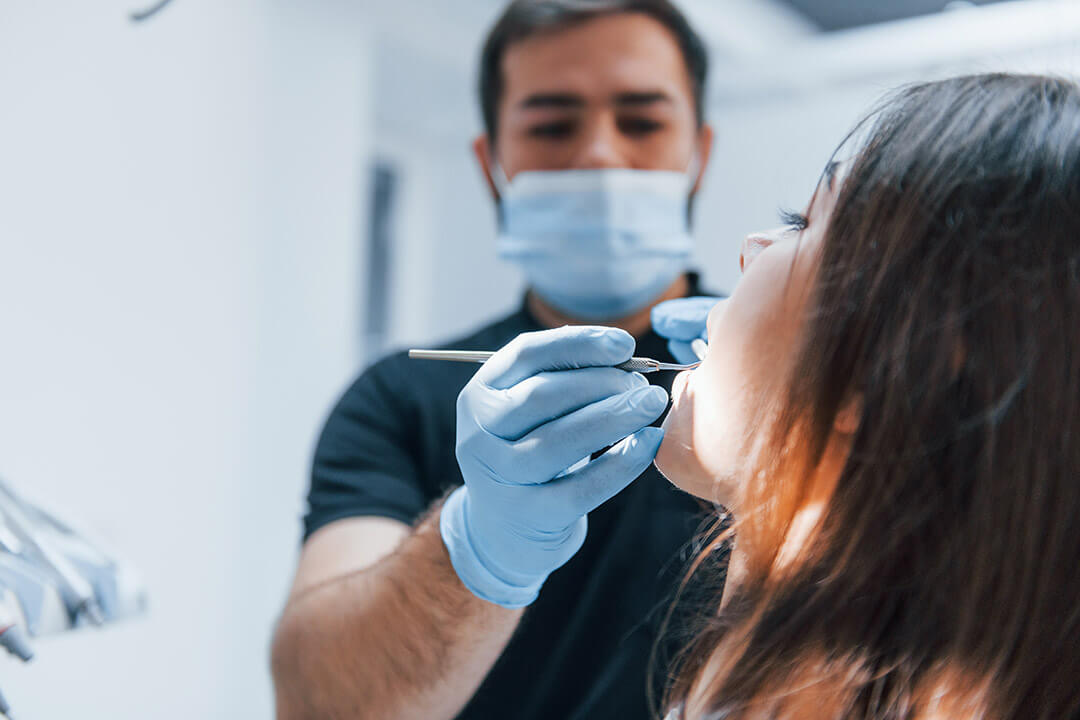
Final Adjustments
Your dentist will make all the necessary adjustments to ensure that the dental veneers fit perfectly and are comfortable.
6
Final Adjustments
Your dentist will make all the necessary adjustments to ensure that the dental veneers fit perfectly and are comfortable.
6
Final Adjustments
Your dentist will make all the necessary adjustments to ensure that the dental veneers fit perfectly and are comfortable.
7
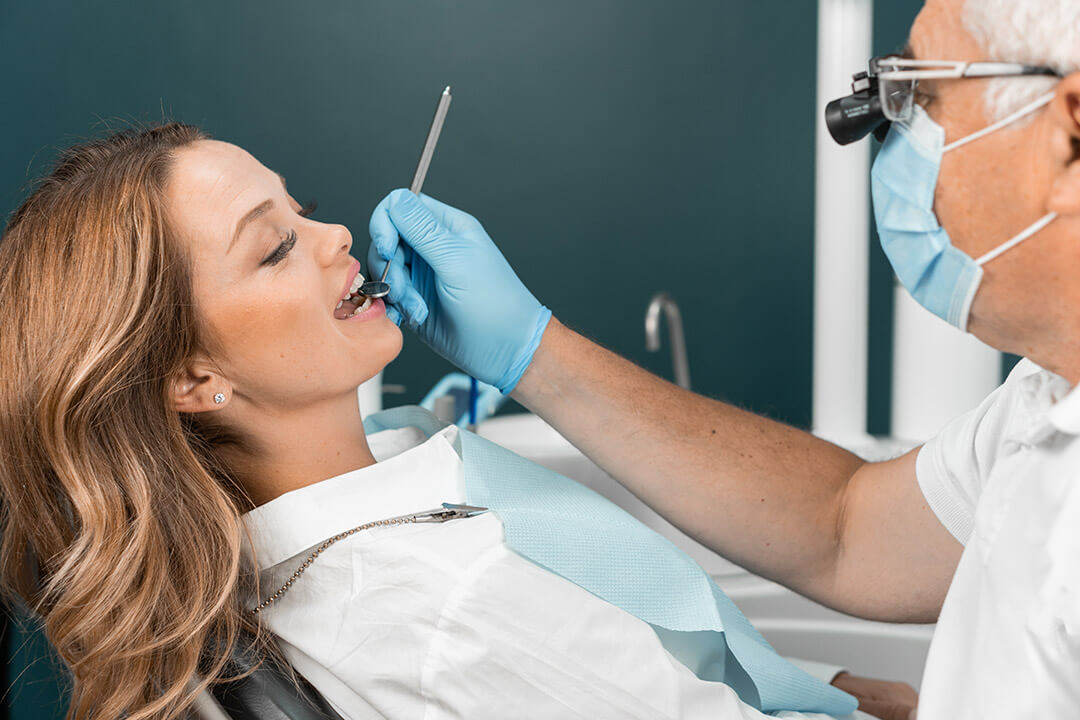
Maintenance
Regular check-ups with your dentist and good oral hygiene will help prolong the life of your dental veneers.
7
Maintenance
Regular check-ups with your dentist and good oral hygiene will help prolong the life of your dental veneers.
7
Maintenance
Regular check-ups with your dentist and good oral hygiene will help prolong the life of your dental veneers.
Our Clinical Team is here to assist you!
Our Clinical Team is here to assist you!
The experience of our patients
See the testimonials of patients who regained their smile and confidence with this treatment.

The disclosure of cases was expressly authorized by the patients who unreservedly consented to their public exposure, as the disclosed informational elements are objectively true and can thus contribute to the free and informed choice of other patients.
Agreements and Partnerships
MALO CLINIC has agreements and partnerships that make it easier to access treatment, under specific conditions defined by each entity. You can also choose payment facilities depending on the type of treatment.




Agreements and Partnerships
MALO CLINIC has agreements and partnerships that make it easier to access treatment, under specific conditions defined by each entity. You can also choose payment facilities depending on the type of treatment.
Agreements and Partnerships
MALO CLINIC has agreements and partnerships that make it easier to access treatment, under specific conditions defined by each entity. You can also choose payment facilities depending on the type of treatment.
Main advantages of Dental Veneers
Frequently Asked Questions
1
I had dental veneers placed, can I eat all kinds of foods?
As with any type of restoration or even natural teeth, very hard foods should be avoided, as there is a risk of causing fractures.
In the case of composite veneers, due to their greater susceptibility to discolouration, pigmented foods should also be avoided, such as coffee, tea, red wine, or berries.
2
How many years do dental veneers last?
Despite their delicate appearance, dental veneers are quite resistant and durable. Once bonded, the tooth becomes equal to or more resistant compared to a tooth without a veneer. The two become one, and it is generally impossible for them to detach.
In terms of maintenance and daily oral hygiene for teeth rehabilitated with veneers, they do not differ from natural teeth: in addition to proper daily oral hygiene, patients should see their dentist or oral hygienist every six months.
A preventive measure that can help increase the long-term success of this type of rehabilitation is the use of a night guard.
We also remind you that tobacco is a substance that can compromise the aesthetic quality of your dental veneers.
On average, dental veneers last about 15 years.
3
What is the difference between composite veneers and ceramic veneers?
Regarding the material, ceramic is considered the best option for the production of dental veneers when compared to composite, as composite has lower longevity due to its susceptibility to discolouration, wear, fractures, and accumulation of bacterial plaque – all of which ultimately affect the aesthetic result in the long term.
Ceramic veneers, due to their aesthetic appearance as well as their durability, have become the procedure of choice when it comes to the aesthetic rehabilitation of so-called front teeth.
4
How much does a dental veneer cost?
Because each case is unique, the value will depend on the treatment plan best suited to your clinical situation and the goals you wish to achieve.
Schedule an assessment appointment with our referenced clinical team and you will receive a treatment plan tailored to your case along with the respective budget values.
We accompany each step of your clinical journey, focusing on your comfort, confidence, and smile.
THE MALO CLINIC
Talk to us
(Call to the national fixed network)
@ 2026 ALL RIGHTS RESERVED - MALO CLINIC SA NIF 503411434 ERS No. 12920
Developed by
Frequently Asked Questions
1
I had dental veneers placed, can I eat all kinds of foods?
As with any type of restoration or even natural teeth, very hard foods should be avoided, as there is a risk of causing fractures.
In the case of composite veneers, due to their greater susceptibility to discolouration, pigmented foods should also be avoided, such as coffee, tea, red wine, or berries.
2
How many years do dental veneers last?
Despite their delicate appearance, dental veneers are quite resistant and durable. Once bonded, the tooth becomes equal to or more resistant compared to a tooth without a veneer. The two become one, and it is generally impossible for them to detach.
In terms of maintenance and daily oral hygiene for teeth rehabilitated with veneers, they do not differ from natural teeth: in addition to proper daily oral hygiene, patients should see their dentist or oral hygienist every six months.
A preventive measure that can help increase the long-term success of this type of rehabilitation is the use of a night guard.
We also remind you that tobacco is a substance that can compromise the aesthetic quality of your dental veneers.
On average, dental veneers last about 15 years.
3
What is the difference between composite veneers and ceramic veneers?
Regarding the material, ceramic is considered the best option for the production of dental veneers when compared to composite, as composite has lower longevity due to its susceptibility to discolouration, wear, fractures, and accumulation of bacterial plaque – all of which ultimately affect the aesthetic result in the long term.
Ceramic veneers, due to their aesthetic appearance as well as their durability, have become the procedure of choice when it comes to the aesthetic rehabilitation of so-called front teeth.
4
How much does a dental veneer cost?
Because each case is unique, the value will depend on the treatment plan best suited to your clinical situation and the goals you wish to achieve.
Schedule an assessment appointment with our referenced clinical team and you will receive a treatment plan tailored to your case along with the respective budget values.
We accompany each step of your clinical journey, focusing on your comfort, confidence, and smile.
THE MALO CLINIC
Talk to us
(Call to the national fixed network)
@ 2026 ALL RIGHTS RESERVED - MALO CLINIC SA NIF 503411434 ERS No. 12920
Developed by
Frequently Asked Questions
1
I had dental veneers placed, can I eat all kinds of foods?
As with any type of restoration or even natural teeth, very hard foods should be avoided, as there is a risk of causing fractures.
In the case of composite veneers, due to their greater susceptibility to discolouration, pigmented foods should also be avoided, such as coffee, tea, red wine, or berries.
2
How many years do dental veneers last?
Despite their delicate appearance, dental veneers are quite resistant and durable. Once bonded, the tooth becomes equal to or more resistant compared to a tooth without a veneer. The two become one, and it is generally impossible for them to detach.
In terms of maintenance and daily oral hygiene for teeth rehabilitated with veneers, they do not differ from natural teeth: in addition to proper daily oral hygiene, patients should see their dentist or oral hygienist every six months.
A preventive measure that can help increase the long-term success of this type of rehabilitation is the use of a night guard.
We also remind you that tobacco is a substance that can compromise the aesthetic quality of your dental veneers.
On average, dental veneers last about 15 years.
3
What is the difference between composite veneers and ceramic veneers?
Regarding the material, ceramic is considered the best option for the production of dental veneers when compared to composite, as composite has lower longevity due to its susceptibility to discolouration, wear, fractures, and accumulation of bacterial plaque – all of which ultimately affect the aesthetic result in the long term.
Ceramic veneers, due to their aesthetic appearance as well as their durability, have become the procedure of choice when it comes to the aesthetic rehabilitation of so-called front teeth.
4
How much does a dental veneer cost?
Because each case is unique, the value will depend on the treatment plan best suited to your clinical situation and the goals you wish to achieve.
Schedule an assessment appointment with our referenced clinical team and you will receive a treatment plan tailored to your case along with the respective budget values.
We accompany each step of your clinical journey, focusing on your comfort, confidence, and smile.
THE MALO CLINIC
Talk to us
(Call to the national fixed network)
@ 2026 ALL RIGHTS RESERVED - MALO CLINIC SA NIF 503411434 ERS No. 12920
Developed by