+351 217 228 120
Bruxism
Crossbite
Tartar
Cavity
Dental Abscess
Cold Sore
Aphthae
Xerostomia
Gingivitis
Periodontitis
Jaw or Orofacial Pain
Bruxism
Crossbite
Tartar
Cavity
Dental Abscess
Cold Sore
Aphthae
Xerostomia
Gingivitis
Periodontitis
Jaw or Orofacial Pain
Devitalization
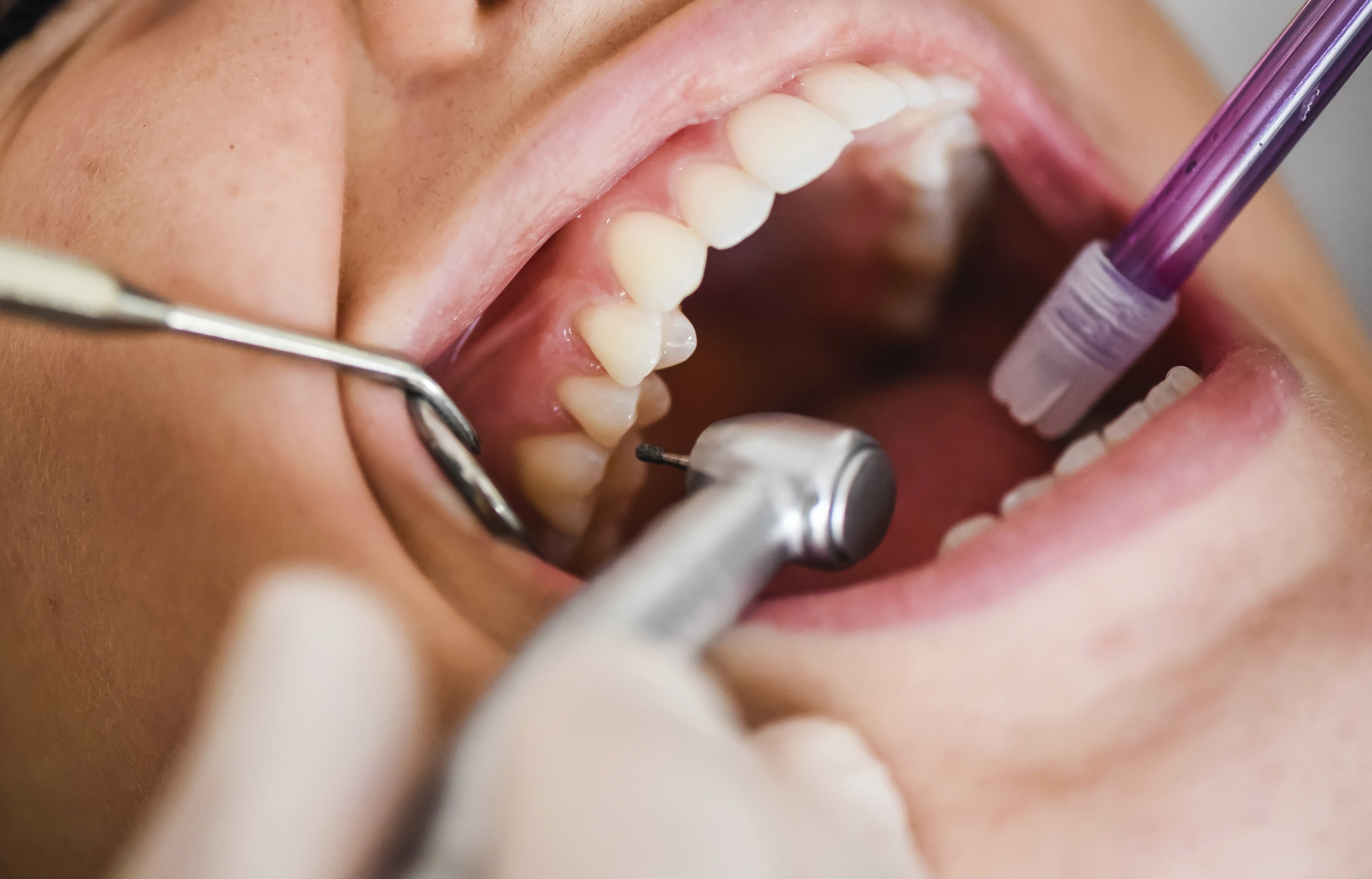
The Devitalization is essential to relieve pain, prevent the progression of infection, and save the compromised tooth.
Schedule your assessment appointment
+400,000 Treated Smiles
+400,000 Treated Smiles
+400,000 Treated Smiles
+400,000 Treated Smiles
Clinical Team Dedicated
Clinical Team Dedicated
Clinical Team Dedicated
Clinical Team Dedicated
+14 Specialties Dental Medicine
+14 Specialties Dental Medicine
+14 Specialties Dental Medicine
+14 Specialties Dental Medicine
Payment Facilities, Agreements and Partnerships
Payment Facilities, Agreements and Partnerships
Payment Facilities, Agreements and Partnerships
Payment Facilities, Agreements and Partnerships
Why do so many patients choose this solution?
Choosing to desensitize a tooth allows for the elimination of pain and infection, preservation of the natural tooth, and maintenance of both function and aesthetics of the smile, avoiding extraction.
Cases in which Devitalization is indicated:
Dental Caries Deep
Trauma in Teeth
Infections
Discover how to regain your smile
Discover how to regain your smile
Dental Devitalization with complete safety
Tooth devitalization, also known as endodontic treatment, is a procedure performed when the pulp of the tooth is damaged or infected. This condition can arise due to deep caries, dental trauma, or even periodontal infections.
Devitalization is essential to relieve pain, prevent the progression of infection, and save the compromised tooth. By preserving the dental structure, devitalization promotes long-term oral health and avoids the need for tooth extractions, maintaining masticatory function and the integrity of the smile naturally.


Speak with our clinical team and clarify your doubts.
Steps of Treatment
Following the assessment consultation, the treatment follows a well-defined path designed to ensure safety, predictability, and comfort at all stages.
1

Clinical Evaluation Complete
To determine if Devitalization is the appropriate solution, it is essential to conduct a thorough analysis of the patient's case. By performing examinations, such as an X-ray, the dentist will assess the need for endodontic treatment and plan the intervention.
1
Clinical Evaluation Complete
To determine if Devitalization is the appropriate solution, it is essential to conduct a thorough analysis of the patient's case. By performing examinations, such as an X-ray, the dentist will assess the need for endodontic treatment and plan the intervention.
1
Clinical Evaluation Complete
To determine if Devitalization is the appropriate solution, it is essential to conduct a thorough analysis of the patient's case. By performing examinations, such as an X-ray, the dentist will assess the need for endodontic treatment and plan the intervention.
2
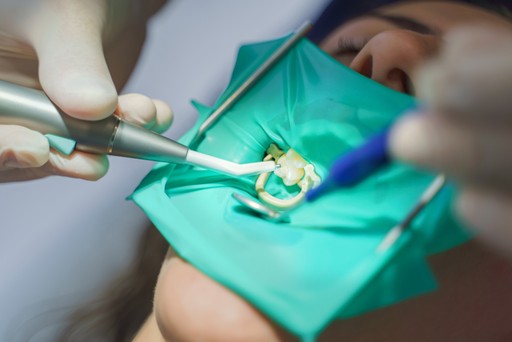
Removal of Dental Pulp
Using local anesthesia, an opening is made in the tooth to remove infected tissue and clean the inside of the tooth. Depending on the complexity of the case, it is not always possible to carry out the complete treatment in just one appointment. In these cases, a temporary filling is placed in the access opening.
2
Removal of Dental Pulp
Using local anesthesia, an opening is made in the tooth to remove infected tissue and clean the inside of the tooth. Depending on the complexity of the case, it is not always possible to carry out the complete treatment in just one appointment. In these cases, a temporary filling is placed in the access opening.
2
Removal of Dental Pulp
Using local anesthesia, an opening is made in the tooth to remove infected tissue and clean the inside of the tooth. Depending on the complexity of the case, it is not always possible to carry out the complete treatment in just one appointment. In these cases, a temporary filling is placed in the access opening.
3
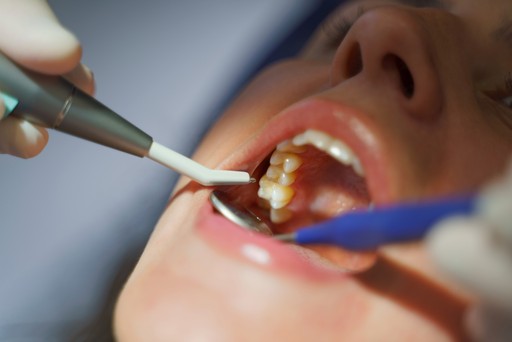
Filling and Sealing
Subsequently, the filling material is placed, and the tooth is hermetically sealed to prevent reinfection.
3
Filling and Sealing
Subsequently, the filling material is placed, and the tooth is hermetically sealed to prevent reinfection.
3
Filling and Sealing
Subsequently, the filling material is placed, and the tooth is hermetically sealed to prevent reinfection.
4

Restoration
After the endodontic procedure, the tooth is restored to regain its natural appearance.
4
Restoration
After the endodontic procedure, the tooth is restored to regain its natural appearance.
4
Restoration
After the endodontic procedure, the tooth is restored to regain its natural appearance.
5

Tracking
The final step of treatment involves maintaining regular follow-up visits with the dentist to ensure that the success of the treatment is as expected and that there are no signs of complications.
5
Tracking
The final step of treatment involves maintaining regular follow-up visits with the dentist to ensure that the success of the treatment is as expected and that there are no signs of complications.
5
Tracking
The final step of treatment involves maintaining regular follow-up visits with the dentist to ensure that the success of the treatment is as expected and that there are no signs of complications.
At MALO CLINIC, your oral health is our priority.
Come meet our team and find out how we can help transform your smile.
At MALO CLINIC, your oral health is our priority.
Come meet our team and find out how we can help transform your smile.
Agreements and Partnerships
MALO CLINIC has agreements and partnerships that make it easier to access treatment, under specific conditions defined by each entity. You can also choose payment facilities depending on the type of treatment.




Agreements and Partnerships
MALO CLINIC has agreements and partnerships that make it easier to access treatment, under specific conditions defined by each entity. You can also choose payment facilities depending on the type of treatment.
Agreements and Partnerships
MALO CLINIC has agreements and partnerships that make it easier to access treatment, under specific conditions defined by each entity. You can also choose payment facilities depending on the type of treatment.
Main Advantages of Dental Devitalization
Preservation of the Tooth
Vital extirpation allows for the saving of a tooth that would otherwise need to be extracted. This is essential to maintain the integrity of the dental arch and to avoid issues with occlusion and movement of adjacent teeth.
Vital extirpation allows for the saving of a tooth that would otherwise need to be extracted. This is essential to maintain the integrity of the dental arch and to avoid issues with occlusion and movement of adjacent teeth.
Pain Relief
The need for Root Canal Treatment often arises due to intense pain caused by inflammation or infection in the dental pulp. After the procedure, the patient experiences significant relief from pain and discomfort.
The need for Root Canal Treatment often arises due to intense pain caused by inflammation or infection in the dental pulp. After the procedure, the patient experiences significant relief from pain and discomfort.
Infection Prevention
By removing the infected pulp, cleaning and sealing the tooth hermetically, the spread of infection to other areas of the mouth, such as the bone or gums, is prevented.
By removing the infected pulp, cleaning and sealing the tooth hermetically, the spread of infection to other areas of the mouth, such as the bone or gums, is prevented.
Frequently Asked Questions
1
What is tooth devitalisation?
The devitalization of a tooth is a procedure used to remove the damaged, infected, or dead dental pulp, and to clean, disinfect, and seal the tooth's root canal.
2
Why does a tooth need to be devitalized?
A tooth may need to be devitalized due to deep caries, dental trauma, fractures, or infections that reach the dental pulp, causing intense pain and inflammation.
3
Is root canal treatment painful?
Root canal treatment is usually performed under local anaesthesia, which means that the patient should not feel pain during the procedure. After the treatment, there may be some discomfort or sensitivity, which can be managed with painkillers prescribed by the dentist.
4
How long does it take to carry out the treatment to devitalize a tooth?
The duration of the treatment can vary, but it usually takes between one to two hours to complete. In some cases, it may be necessary to carry out the treatment in two sessions.
5
What are the signs that I may need to undergo a root canal treatment?
Common signs that you may need root canal treatment include persistent tooth pain, prolonged sensitivity to heat or cold, swelling and tenderness in the gums, discoloration of the tooth, and the presence of a persistent or recurring abscess or fistula in the gum.
6
What happens after the treatment?
After the treatment, it is normal to feel some temporary discomfort. The dentist may prescribe painkillers to relieve the pain. It is also important to follow the dentist's instructions for caring for the treated tooth, including avoiding chewing hard foods until the tooth is permanently restored.
7
How long does a devitalized tooth last?
With proper care, a tooth that has undergone root canal treatment can last many years, possibly even a lifetime. Proper restoration, such as a crown, and maintaining good oral hygiene are essential for the longevity of the treated tooth.
8
Are there alternatives to root canal treatment?
The main alternative to root canal treatment is the extraction of the infected tooth. However, we always prioritize a conservative approach whenever possible, which involves trying to save the tooth with a devitalization, as maintaining natural teeth is ideal for oral health and chewing function.
9
What can happen if a tooth that needs treatment is not taken care of?
If left untreated, a tooth that needs root canal treatment can lead to a serious infection, abscess, severe pain, and eventually, tooth loss. The infection can also spread to other areas of the mouth and body, causing other types of complications.
We accompany each step of your clinical journey, focusing on your comfort, confidence, and smile.
THE MALO CLINIC
Talk to us
(Call to the national fixed network)
@ 2026 ALL RIGHTS RESERVED - MALO CLINIC SA NIF 503411434 ERS No. 12920
Developed by
Frequently Asked Questions
1
What is tooth devitalisation?
The devitalization of a tooth is a procedure used to remove the damaged, infected, or dead dental pulp, and to clean, disinfect, and seal the tooth's root canal.
2
Why does a tooth need to be devitalized?
A tooth may need to be devitalized due to deep caries, dental trauma, fractures, or infections that reach the dental pulp, causing intense pain and inflammation.
3
Is root canal treatment painful?
Root canal treatment is usually performed under local anaesthesia, which means that the patient should not feel pain during the procedure. After the treatment, there may be some discomfort or sensitivity, which can be managed with painkillers prescribed by the dentist.
4
How long does it take to carry out the treatment to devitalize a tooth?
The duration of the treatment can vary, but it usually takes between one to two hours to complete. In some cases, it may be necessary to carry out the treatment in two sessions.
5
What are the signs that I may need to undergo a root canal treatment?
Common signs that you may need root canal treatment include persistent tooth pain, prolonged sensitivity to heat or cold, swelling and tenderness in the gums, discoloration of the tooth, and the presence of a persistent or recurring abscess or fistula in the gum.
6
What happens after the treatment?
After the treatment, it is normal to feel some temporary discomfort. The dentist may prescribe painkillers to relieve the pain. It is also important to follow the dentist's instructions for caring for the treated tooth, including avoiding chewing hard foods until the tooth is permanently restored.
7
How long does a devitalized tooth last?
With proper care, a tooth that has undergone root canal treatment can last many years, possibly even a lifetime. Proper restoration, such as a crown, and maintaining good oral hygiene are essential for the longevity of the treated tooth.
8
Are there alternatives to root canal treatment?
The main alternative to root canal treatment is the extraction of the infected tooth. However, we always prioritize a conservative approach whenever possible, which involves trying to save the tooth with a devitalization, as maintaining natural teeth is ideal for oral health and chewing function.
9
What can happen if a tooth that needs treatment is not taken care of?
If left untreated, a tooth that needs root canal treatment can lead to a serious infection, abscess, severe pain, and eventually, tooth loss. The infection can also spread to other areas of the mouth and body, causing other types of complications.
We accompany each step of your clinical journey, focusing on your comfort, confidence, and smile.
THE MALO CLINIC
Talk to us
(Call to the national fixed network)
@ 2026 ALL RIGHTS RESERVED - MALO CLINIC SA NIF 503411434 ERS No. 12920
Developed by
Frequently Asked Questions
1
What is tooth devitalisation?
The devitalization of a tooth is a procedure used to remove the damaged, infected, or dead dental pulp, and to clean, disinfect, and seal the tooth's root canal.
2
Why does a tooth need to be devitalized?
A tooth may need to be devitalized due to deep caries, dental trauma, fractures, or infections that reach the dental pulp, causing intense pain and inflammation.
3
Is root canal treatment painful?
Root canal treatment is usually performed under local anaesthesia, which means that the patient should not feel pain during the procedure. After the treatment, there may be some discomfort or sensitivity, which can be managed with painkillers prescribed by the dentist.
4
How long does it take to carry out the treatment to devitalize a tooth?
The duration of the treatment can vary, but it usually takes between one to two hours to complete. In some cases, it may be necessary to carry out the treatment in two sessions.
5
What are the signs that I may need to undergo a root canal treatment?
Common signs that you may need root canal treatment include persistent tooth pain, prolonged sensitivity to heat or cold, swelling and tenderness in the gums, discoloration of the tooth, and the presence of a persistent or recurring abscess or fistula in the gum.
6
What happens after the treatment?
After the treatment, it is normal to feel some temporary discomfort. The dentist may prescribe painkillers to relieve the pain. It is also important to follow the dentist's instructions for caring for the treated tooth, including avoiding chewing hard foods until the tooth is permanently restored.
7
How long does a devitalized tooth last?
With proper care, a tooth that has undergone root canal treatment can last many years, possibly even a lifetime. Proper restoration, such as a crown, and maintaining good oral hygiene are essential for the longevity of the treated tooth.
8
Are there alternatives to root canal treatment?
The main alternative to root canal treatment is the extraction of the infected tooth. However, we always prioritize a conservative approach whenever possible, which involves trying to save the tooth with a devitalization, as maintaining natural teeth is ideal for oral health and chewing function.
9
What can happen if a tooth that needs treatment is not taken care of?
If left untreated, a tooth that needs root canal treatment can lead to a serious infection, abscess, severe pain, and eventually, tooth loss. The infection can also spread to other areas of the mouth and body, causing other types of complications.
We accompany each step of your clinical journey, focusing on your comfort, confidence, and smile.
THE MALO CLINIC
Talk to us
(Call to the national fixed network)
@ 2026 ALL RIGHTS RESERVED - MALO CLINIC SA NIF 503411434 ERS No. 12920
Developed by