
+351 217 228 120
Implantology
Dental Assessment Inquiry
Orthodontics
Oral Surgery
Aesthetic Dentistry
Prosthodontics
Pediatric Dentistry
Oral Hygiene
Periodontology
Dentistry
Endodontics
Functional Orthopedics of the Jaws
Oral-Facial Pain and Sleep
Oral Medicine
Dental Emergencies
Bruxism
Crossbite
Tartar
Cavity
Dental Abscess
Cold Sore
Aphthae
Xerostomia
Gingivitis
Periodontitis
Jaw or Orofacial Pain
Implantology
Dental Assessment Inquiry
Orthodontics
Oral Surgery
Aesthetic Dentistry
Prosthodontics
Pediatric Dentistry
Oral Hygiene
Periodontology
Dentistry
Endodontics
Functional Orthopedics of the Jaws
Oral-Facial Pain and Sleep
Oral Medicine
Dental Emergencies
Bruxism
Crossbite
Tartar
Cavity
Dental Abscess
Cold Sore
Aphthae
Xerostomia
Gingivitis
Periodontitis
Jaw or Orofacial Pain
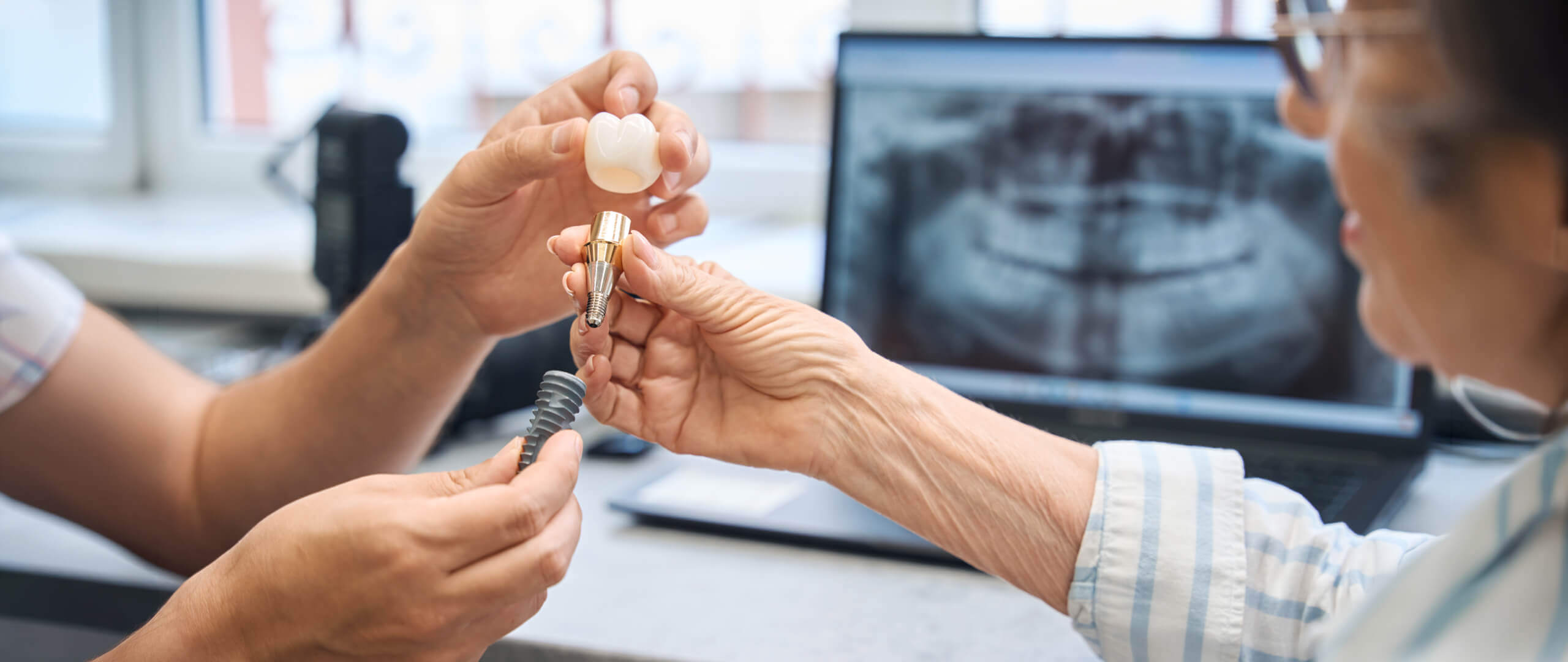
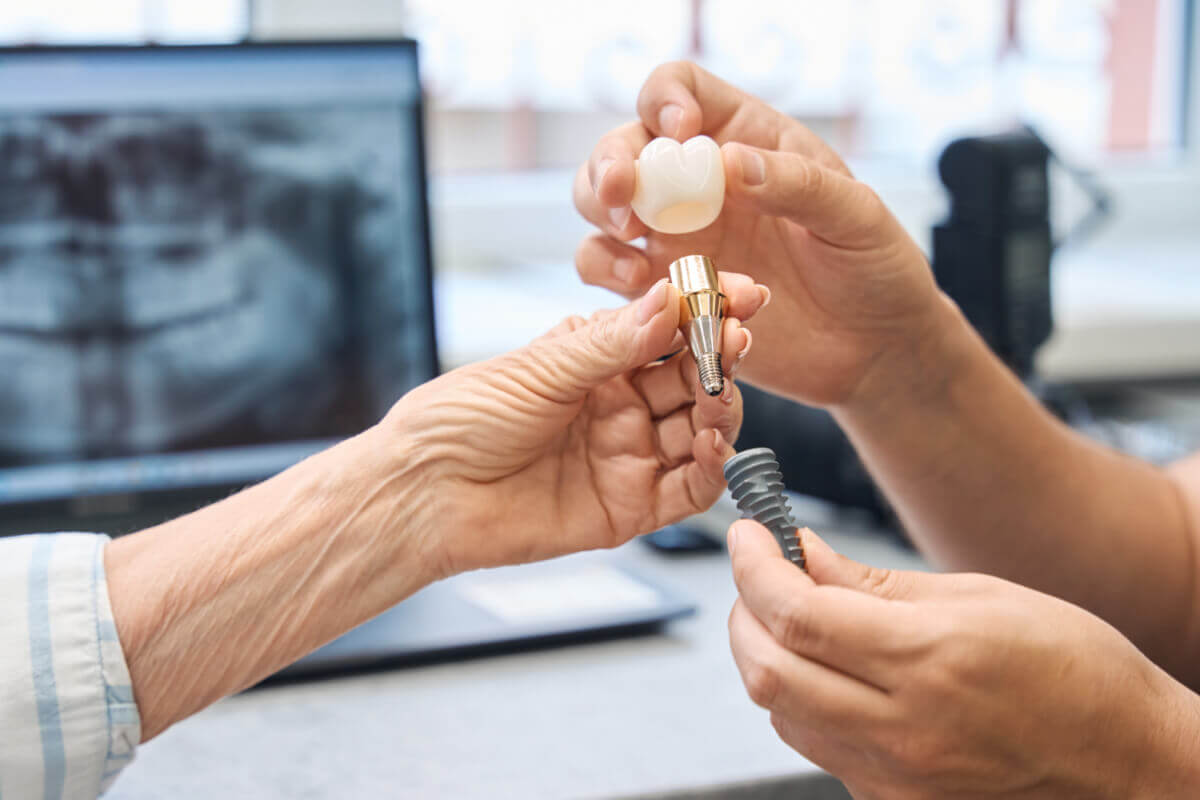
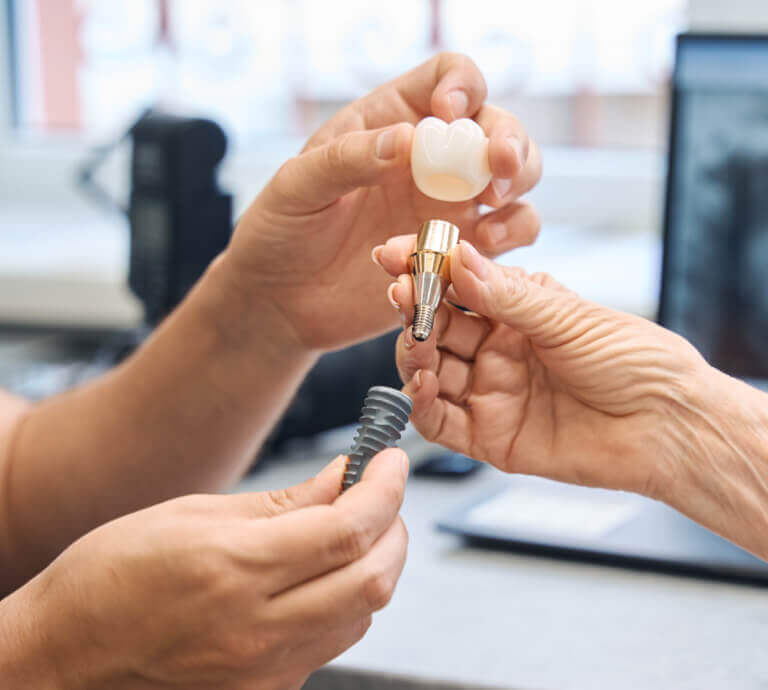
-20% Implant + Dental Crown
Included Assessment Query
Promotion valid from 1st March 2026 to 31st March 2026, for new patients or new treatment plans. Includes a permanent crown. This promotion cannot be combined with other promotions, special conditions, protocols, or existing agreements with insurers.
Schedule your assessment appointment
+400,000 Treated Smiles
+400,000 Treated Smiles
+400,000 Treated Smiles
+400,000 Treated Smiles
+160,000 Complex Cases Solved
+160,000 Complex Cases Solved
+160,000 Complex Cases Solved
+160,000 Complex Cases Solved
World Pioneers of the All-on-4 Concept
World Pioneers of the All-on-4 Concept
World Pioneers of the All-on-4 Concept
World Pioneers of the All-on-4 Concept
Prestigious Clinical Team
Prestigious Clinical Team
Prestigious Clinical Team
Prestigious Clinical Team
Why do so many patients choose this solution?
Losing teeth affects much more than just chewing. It affects confidence, the security of smiling, and quality of life.
The placement of Dental Implants is indicated for:
A tooth or several missing teeth
Total loss of teeth
Bone Resorption
Discover how to recover your smile
Discover how to recover your smile
Real results. Transformations that change lives.
Real cases of patients with Dental Implants at MALO CLINIC.
The disclosure of cases was expressly authorized by the patients who unreservedly consented to their public exposure, as the disclosed informational elements are objectively true and can thus contribute to the free and informed choice of other patients.
The disclosure of cases was expressly authorized by the patients who unreservedly consented to its public publication, as the disclosed informative elements are objectively true and can thus contribute to the free and informed choice of other patients.
Dental Implants with complete safety
Dental implants are titanium devices that are inserted into the jawbone to replace the roots of lost teeth. They serve as a base for the attachment of fixed dental prosthetics, such as single crowns, bridges, or complete dentures.
Dental implants are a widely used and safe solution for the replacement of lost or damaged teeth. Dental implants are a permanent and aesthetically natural alternative, capable of improving both your dental health and your quality of life.
With over 30 years of research and innovation, we have developed advanced surgical techniques that have revolutionised the practice of implantology, such as the Total Fixed Dental Prosthesis procedure.
In addition to the Total Fixed Dental Prosthesis, we offer other cutting-edge solutions, such as zygomatic implants, as well as the fixed prosthesis MALO CLINIC Bridge, considered one of the most advanced options for fixed prosthetics in the world.
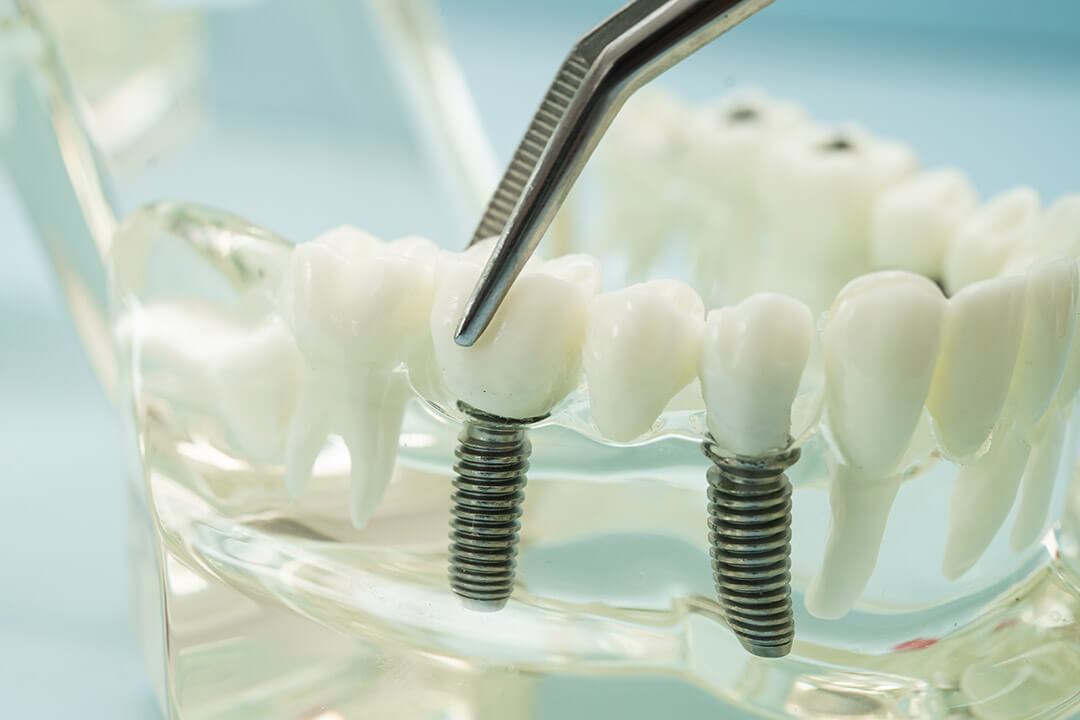

Speak to our clinical team and clarify your doubts.
Steps of Treatment
Following the assessment consultation, the treatment follows a well-defined path designed to ensure safety, predictability, and comfort at all stages.
1

Clinical Evaluation Complete
At the first consultation, all necessary information for the diagnosis is collected, including tests and digital images, allowing for a thorough analysis of the case.
1
Clinical Evaluation Complete
At the first consultation, all necessary information for the diagnosis is collected, including tests and digital images, allowing for a thorough analysis of the case.
2

Planning
A personalized treatment plan is created based on your specific needs and the desired outcome.
2
Planning
A personalized treatment plan is created based on your specific needs and the desired outcome.
3

Placement of the Implant
The surgical procedure for the placement of implants is quite quick, taking between one to three hours, depending on the complexity of the case.
3
Placement of the Implant
The surgical procedure for the placement of implants is quite quick, taking between one to three hours, depending on the complexity of the case.
4

Healing and Integration
Osseointegration is the process by which the titanium implant fuses with the maxillary or mandibular bone, creating a stable and lasting foundation for the final fixed prosthesis. This process is crucial to ensure the long-term success of dental implants.
4
Healing and Integration
Osseointegration is the process by which the titanium implant fuses with the maxillary or mandibular bone, creating a stable and lasting foundation for the final fixed prosthesis. This process is crucial to ensure the long-term success of dental implants.
5

Placement of the Crown
After healing, the definitive crown is placed, designed to integrate naturally into the smile.
5
Placement of the Crown
After healing, the definitive crown is placed, designed to integrate naturally into the smile.
Find out if dental implant placement is suitable for you
Find out if dental implant placement is suitable for you
The experience of our patients
See the testimonials of patients who regained their smile and confidence with this treatment.



The disclosure of cases was expressly authorized by the patients who unreservedly consented to their public exposure, as the disclosed informational elements are objectively true and can thus contribute to the free and informed choice of other patients.
Agreements and Partnerships
MALO CLINIC has agreements and partnerships that make it easier to access treatment, under specific conditions defined by each entity. You can also choose payment facilities depending on the type of treatment.




Agreements and Partnerships
MALO CLINIC has agreements and partnerships that make it easier to access treatment, under specific conditions defined by each entity. You can also choose payment facilities depending on the type of treatment.
Agreements and Partnerships
MALO CLINIC has agreements and partnerships that make it easier to access treatment, under specific conditions defined by each entity. You can also choose payment facilities depending on the type of treatment.
Main advantages of Dental Implants
High Success Rate
Dental implants have a very high success rate because they are placed directly in the bone, functioning as an artificial root. This bone integration ensures stability, durability, and predictable long-term results.
Dental implants have a very high success rate because they are placed directly in the bone, functioning as an artificial root. This bone integration ensures stability, durability, and predictable long-term results.
Prevents Other Oral Health Issues
By replacing the missing tooth, the implant prevents the migration of the adjacent teeth, changes in the bite, and bone loss. This contributes to a more balanced mouth and reduces the risk of future complications.
By replacing the missing tooth, the implant prevents the migration of the adjacent teeth, changes in the bite, and bone loss. This contributes to a more balanced mouth and reduces the risk of future complications.
Maintains Healthy Teeth Intact
Unlike other solutions, implants do not require the grinding of neighboring teeth. Each tooth is treated independently, preserving the natural structure and health of the adjacent teeth.
Unlike other solutions, implants do not require the grinding of neighboring teeth. Each tooth is treated independently, preserving the natural structure and health of the adjacent teeth.
Result Natural
Implants are designed to imitate the function and appearance of a natural tooth. The result is aesthetic, comfortable, and functional, allowing you to smile, chew, and speak with complete confidence.
Implants are designed to imitate the function and appearance of a natural tooth. The result is aesthetic, comfortable, and functional, allowing you to smile, chew, and speak with complete confidence.
Frequently Asked Questions
1
What are dental implants?
Dental implants are titanium devices that are inserted into the maxillary or mandibular bone to replace the roots of missing teeth.
They serve as a base for the fixation of fixed dental prosthetics, such as single crowns, bridges, or complete dentures.
2
Who is a good candidate for dental implants?
Ideal candidates for dental implants are those who have good oral and overall health, healthy gums, and sufficient bone quantity to support the implant. However, even in patients with conditions such as diabetes, osteoporosis, or other health issues, dental implant treatment is not contraindicated.
3
Is the procedure for placing implants painful?
The placement of implants is performed under local anaesthesia, which allows for pain control during the procedure. After the surgery, it is common to experience some discomfort or swelling, which can be minimized with painkillers prescribed by the dentist.
4
How long does the process of placing dental implants take?
The placement of a single dental implant is a relatively quick procedure, taking about 30 to 60 minutes. After the surgery, it is necessary to wait approximately 3 to 6 months for osseointegration to occur - the biological process of the implant fusing with the bone. Only after this period is the final crown placed.
5
What is osseointegration?
Osseointegration is the process by which the titanium implant fuses with the maxillary or mandibular bone, creating a stable and lasting foundation for the final fixed prosthesis. This process is crucial to ensure the long-term success of dental implants.
6
How should I take care of my dental implants?
Dental implants require the same care as natural teeth. This includes daily brushing and flossing, or other additional mechanisms recommended by the dentist or oral hygienist, such as subgingival irrigators.
Maintaining good oral hygiene and regular maintenance check-ups is essential to prevent infections or other complications around the implants.
7
What is the success rate of dental implants?
Dental implants have a high success rate of around 98%. However, long-term success depends on factors such as the patient's overall health, the quality of the bone, and adherence to the proper maintenance protocol and oral hygiene.
8
Are there risks or complications associated with dental implants?
Like any surgical procedure, the placement of dental implants can carry risks, including infection, nerve injury, and sinus problems. However, these risks are rare and can usually be managed with appropriate care and professional monitoring.
9
Can I replace a conventional denture with implants?
Yes, many patients choose to replace conventional dentures with partial or complete dentures supported by implants for greater comfort, stability, and phonetic and chewing function. Implants also offer the additional advantage that, unlike removable dentures, they do not cause trauma to adjacent tissues or teeth and help to prevent or stabilize bone loss.
We accompany each step of your clinical journey, focusing on your comfort, confidence, and smile.
THE MALO CLINIC
Talk to us
(Call to the national fixed network)
@ 2026 ALL RIGHTS RESERVED - MALO CLINIC SA NIF 503411434 ERS No. 12920
Developed by
Frequently Asked Questions
1
What are dental implants?
Dental implants are titanium devices that are inserted into the maxillary or mandibular bone to replace the roots of missing teeth.
They serve as a base for the fixation of fixed dental prosthetics, such as single crowns, bridges, or complete dentures.
2
Who is a good candidate for dental implants?
Ideal candidates for dental implants are those who have good oral and overall health, healthy gums, and sufficient bone quantity to support the implant. However, even in patients with conditions such as diabetes, osteoporosis, or other health issues, dental implant treatment is not contraindicated.
3
Is the procedure for placing implants painful?
The placement of implants is performed under local anaesthesia, which allows for pain control during the procedure. After the surgery, it is common to experience some discomfort or swelling, which can be minimized with painkillers prescribed by the dentist.
4
How long does the process of placing dental implants take?
The placement of a single dental implant is a relatively quick procedure, taking about 30 to 60 minutes. After the surgery, it is necessary to wait approximately 3 to 6 months for osseointegration to occur - the biological process of the implant fusing with the bone. Only after this period is the final crown placed.
5
What is osseointegration?
Osseointegration is the process by which the titanium implant fuses with the maxillary or mandibular bone, creating a stable and lasting foundation for the final fixed prosthesis. This process is crucial to ensure the long-term success of dental implants.
6
How should I take care of my dental implants?
Dental implants require the same care as natural teeth. This includes daily brushing and flossing, or other additional mechanisms recommended by the dentist or oral hygienist, such as subgingival irrigators.
Maintaining good oral hygiene and regular maintenance check-ups is essential to prevent infections or other complications around the implants.
7
What is the success rate of dental implants?
Dental implants have a high success rate of around 98%. However, long-term success depends on factors such as the patient's overall health, the quality of the bone, and adherence to the proper maintenance protocol and oral hygiene.
8
Are there risks or complications associated with dental implants?
Like any surgical procedure, the placement of dental implants can carry risks, including infection, nerve injury, and sinus problems. However, these risks are rare and can usually be managed with appropriate care and professional monitoring.
9
Can I replace a conventional denture with implants?
Yes, many patients choose to replace conventional dentures with partial or complete dentures supported by implants for greater comfort, stability, and phonetic and chewing function. Implants also offer the additional advantage that, unlike removable dentures, they do not cause trauma to adjacent tissues or teeth and help to prevent or stabilize bone loss.
We accompany each step of your clinical journey, focusing on your comfort, confidence, and smile.
THE MALO CLINIC
Talk to us
(Call to the national fixed network)
@ 2026 ALL RIGHTS RESERVED - MALO CLINIC SA NIF 503411434 ERS No. 12920
Developed by
Frequently Asked Questions
1
What are dental implants?
Dental implants are titanium devices that are inserted into the maxillary or mandibular bone to replace the roots of missing teeth.
They serve as a base for the fixation of fixed dental prosthetics, such as single crowns, bridges, or complete dentures.
2
Who is a good candidate for dental implants?
Ideal candidates for dental implants are those who have good oral and overall health, healthy gums, and sufficient bone quantity to support the implant. However, even in patients with conditions such as diabetes, osteoporosis, or other health issues, dental implant treatment is not contraindicated.
3
Is the procedure for placing implants painful?
The placement of implants is performed under local anaesthesia, which allows for pain control during the procedure. After the surgery, it is common to experience some discomfort or swelling, which can be minimized with painkillers prescribed by the dentist.
4
How long does the process of placing dental implants take?
The placement of a single dental implant is a relatively quick procedure, taking about 30 to 60 minutes. After the surgery, it is necessary to wait approximately 3 to 6 months for osseointegration to occur - the biological process of the implant fusing with the bone. Only after this period is the final crown placed.
5
What is osseointegration?
Osseointegration is the process by which the titanium implant fuses with the maxillary or mandibular bone, creating a stable and lasting foundation for the final fixed prosthesis. This process is crucial to ensure the long-term success of dental implants.
6
How should I take care of my dental implants?
Dental implants require the same care as natural teeth. This includes daily brushing and flossing, or other additional mechanisms recommended by the dentist or oral hygienist, such as subgingival irrigators.
Maintaining good oral hygiene and regular maintenance check-ups is essential to prevent infections or other complications around the implants.
7
What is the success rate of dental implants?
Dental implants have a high success rate of around 98%. However, long-term success depends on factors such as the patient's overall health, the quality of the bone, and adherence to the proper maintenance protocol and oral hygiene.
8
Are there risks or complications associated with dental implants?
Like any surgical procedure, the placement of dental implants can carry risks, including infection, nerve injury, and sinus problems. However, these risks are rare and can usually be managed with appropriate care and professional monitoring.
9
Can I replace a conventional denture with implants?
Yes, many patients choose to replace conventional dentures with partial or complete dentures supported by implants for greater comfort, stability, and phonetic and chewing function. Implants also offer the additional advantage that, unlike removable dentures, they do not cause trauma to adjacent tissues or teeth and help to prevent or stabilize bone loss.
We accompany each step of your clinical journey, focusing on your comfort, confidence, and smile.
THE MALO CLINIC
Talk to us
(Call to the national fixed network)
@ 2026 ALL RIGHTS RESERVED - MALO CLINIC SA NIF 503411434 ERS No. 12920
Developed by