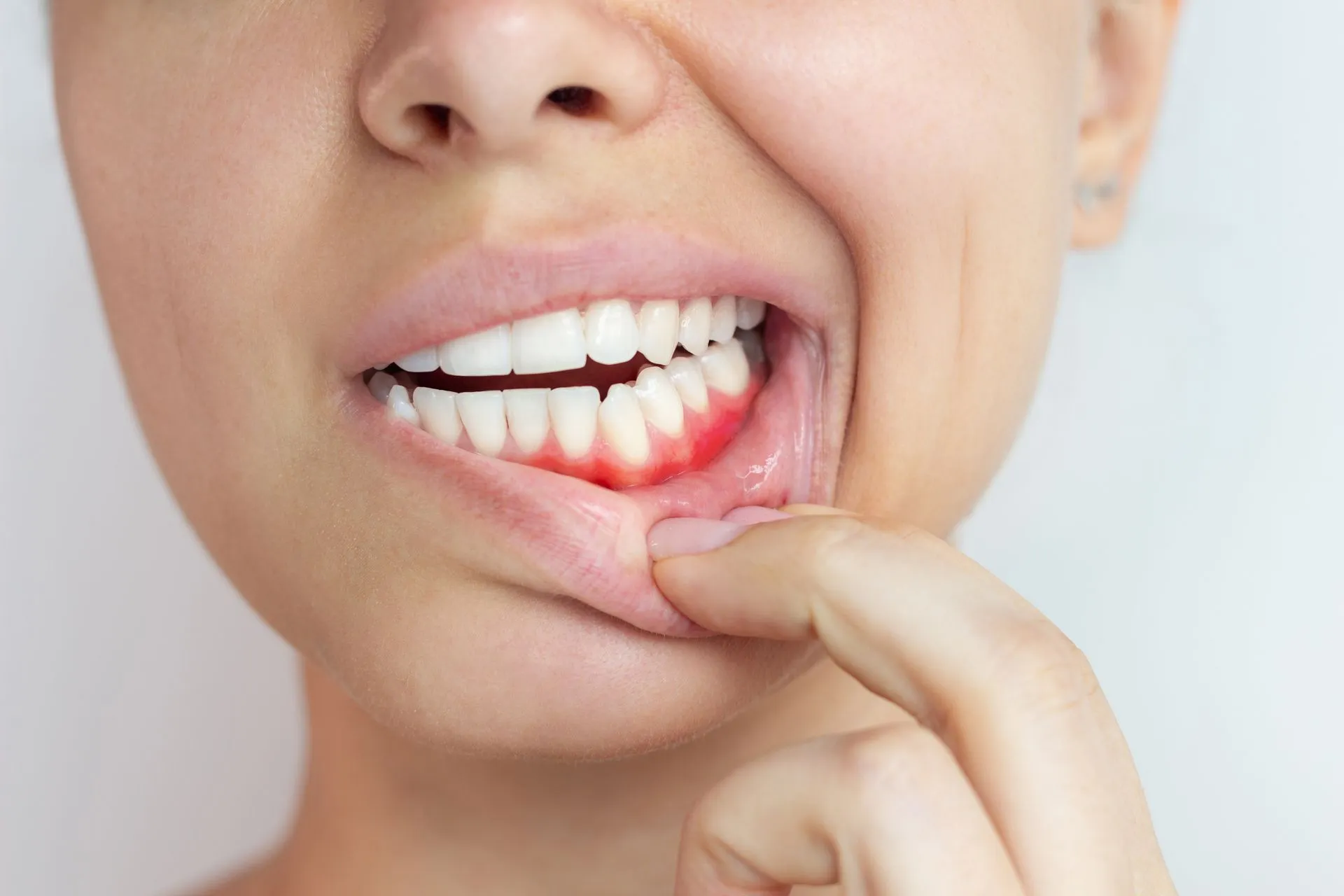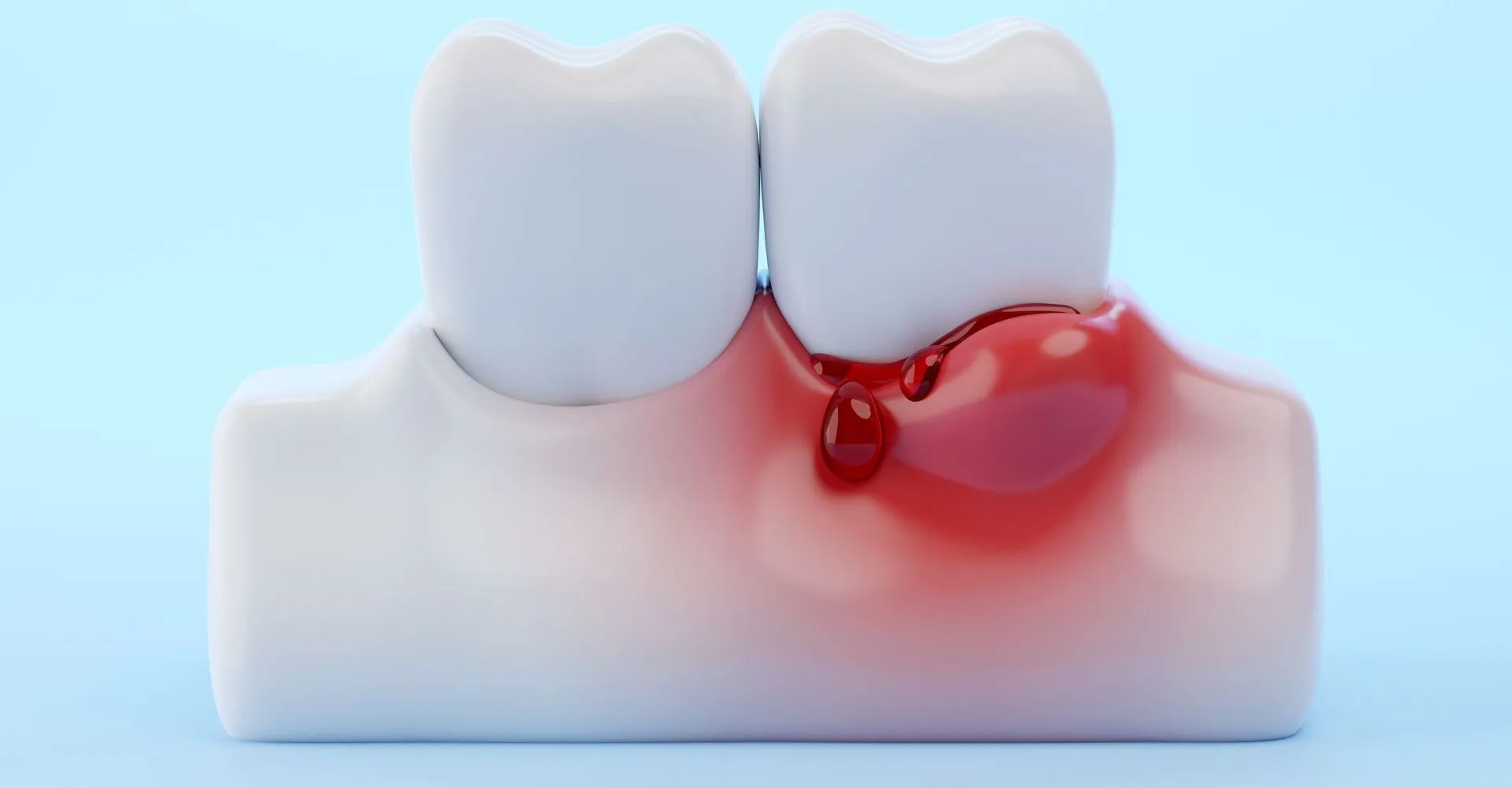

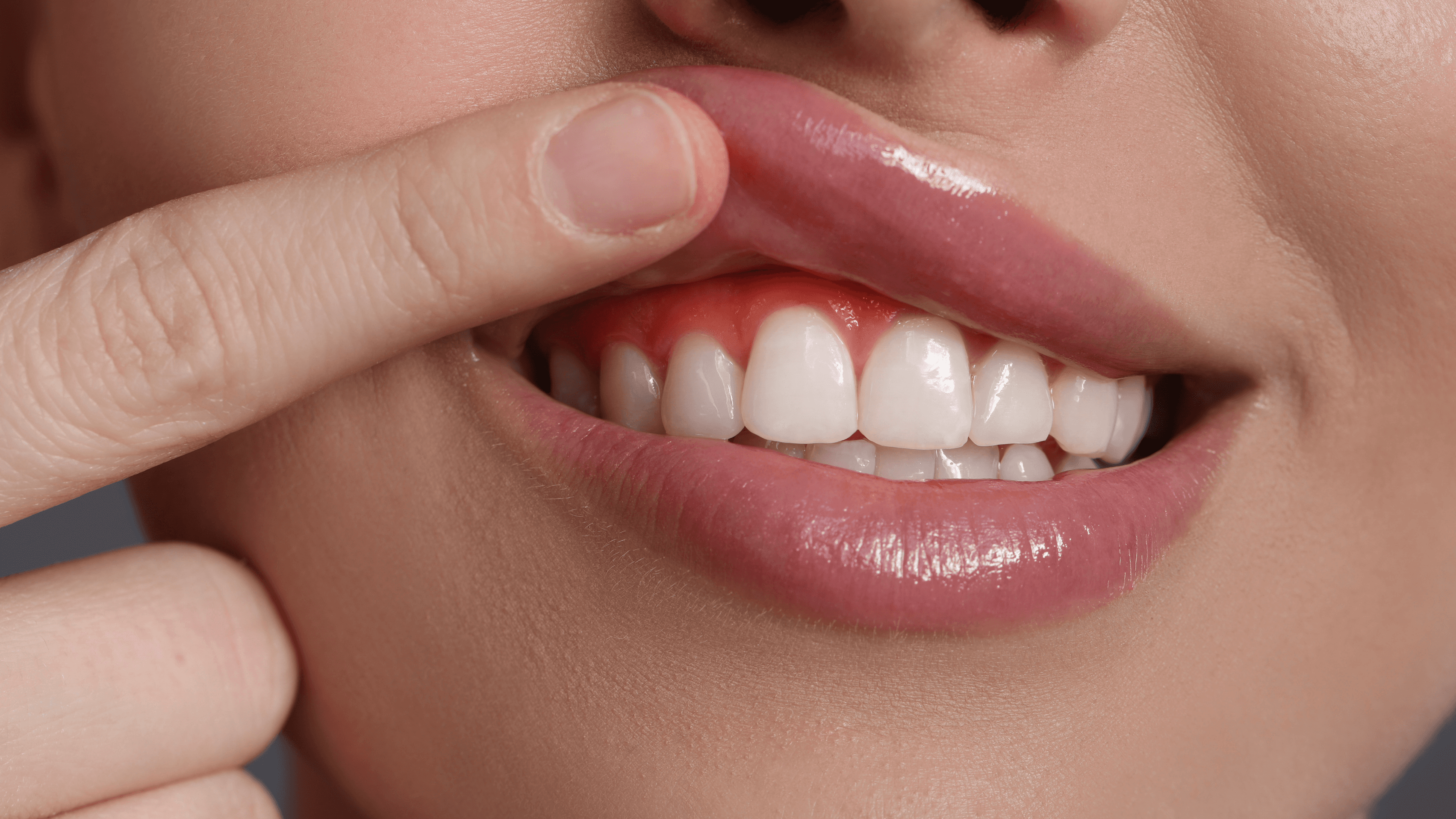
A periodontitis – or periodontal disease – is a chronic inflammatory condition that affects the tissues supporting the teeth, including the gums, alveolar bone, and periodontal ligament. This disease is considered a more advanced stage of gum disease – gingivitis – which is characterized by inflammation and bleeding of the gums, usually caused by the accumulation of bacterial plaque on the teeth and along the gum line.
When gingivitis is untreated, the inflammation can extend to the deeper tissues of the tooth, leading to periodontal disease. This is a serious condition that can even lead to premature tooth loss if it is already in an advanced state.
Can advanced periodontitis be cured?
Advanced periodontitis is the most severe and advanced stage of periodontal disease, characterized by significant destruction of the tissues that support the teeth, which can even lead to loss of dentition. Since it is not possible to replace lost bone, advanced periodontitis may not have a complete cure. However, proper treatment can help control the progression of periodontitis, relieve symptoms, preserve remaining teeth, and improve long-term oral health.
What are the most common symptoms and characteristics of advanced periodontitis?
Pain, inflammation, and gum bleeding: The inflammation and destruction of the tissues supporting the teeth can cause significant pain and discomfort for the patient, usually resulting in gum bleeding;
Gum recession: With advanced periodontitis, gums tend to recede significantly, exposing the dental roots and making the teeth appear longer;
Formation of deep pockets between teeth and gums: With gum recession, it is common for pockets to form between the teeth and gums, which become conducive to the accumulation of bacterial plaque. Additionally, the progression of inflammation can lead to the accumulation of pus in these areas, and abscesses may also form around the affected teeth;
Loose teeth: Associated with bone loss, teeth gain mobility, leading to increased instability and can result, in more severe cases, in permanent loss of dentition. Furthermore, lack of stability can cause difficulties in eating due to the inability to chew certain tougher foods;
Persistent bad breath: The presence of infections and accumulation of bacteria in these areas can contribute to persistent bad breath, further exacerbating the sensation of discomfort.
What causes periodontitis?
Periodontitis, specifically advanced periodontitis, occurs when gingivitis is not treated and progresses to this more serious condition. However, there are other factors that can encourage the development of periodontitis, such as:
Smoking;
Diabetes;
Natural ageing;
Poor diet, especially if there is a deficiency of vitamin C, which strengthens the immune system;
Poor oral hygiene habits;
Hormonal changes, such as those occurring during pregnancy or menopause;
Drug use;
Stress, which compromises the immune system and increases the risk of periodontal diseases
But how can we control the progression and relieve the symptoms of periodontitis?
Since there is not really a cure for advanced periodontitis, it is essential to control its progression and try to alleviate its symptoms, so that its consequences do not reach the extreme, with tooth loss. Thus, after the diagnosis, some of the main methods for recovery include:
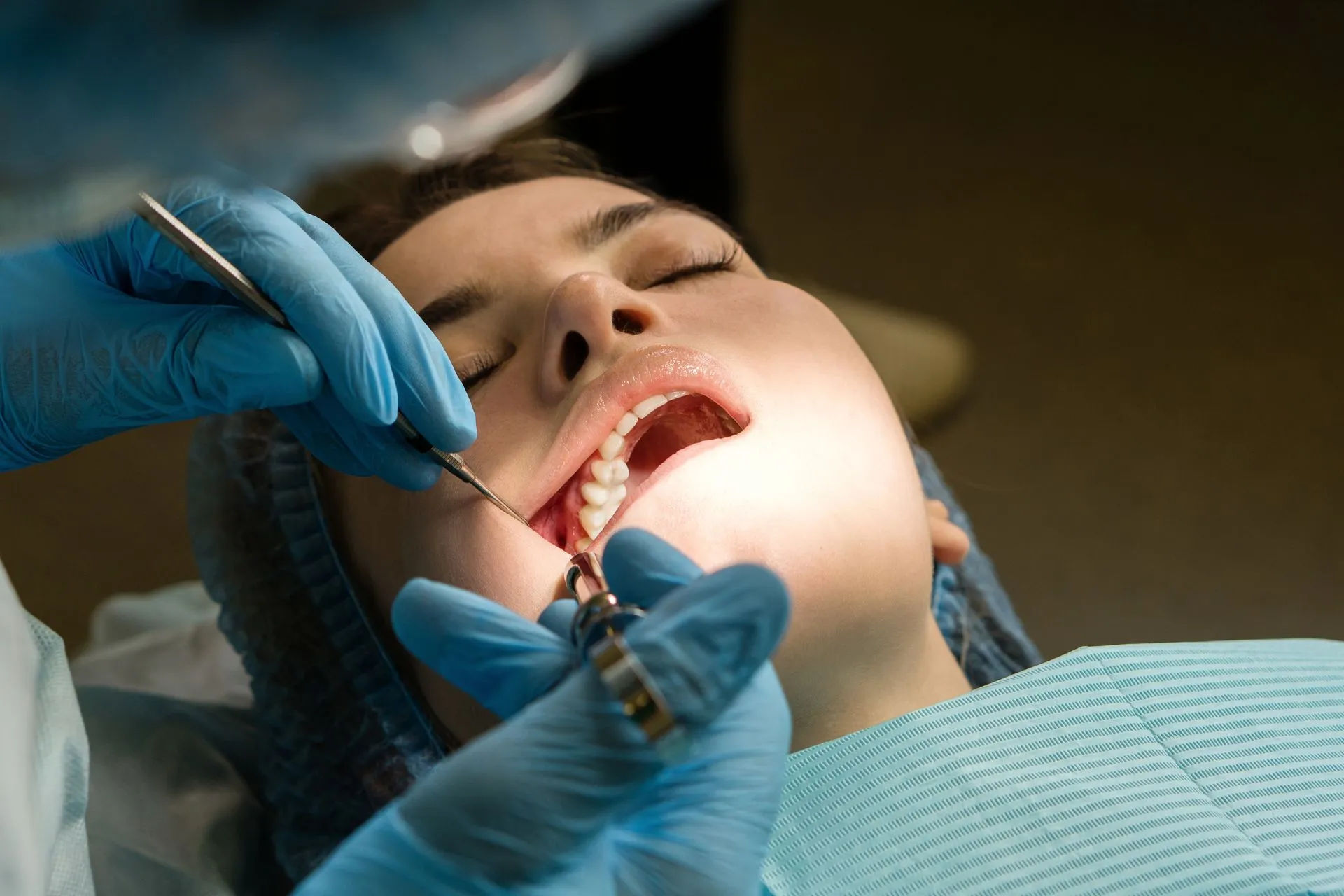
Scaling and root planing: To remove tartar and plaque and also prevent its growth in the root areas of the teeth, it is essential to perform careful scaling with the dentist or oral hygienist;
Periodontal surgery: In certain cases, performing periodontal surgery may be necessary to correct bone defects, reduce the pockets between teeth and gums, and regenerate certain tissues. Through this procedure, it is possible to increase the thickness of the gum, providing greater protection to the dental support and correcting gum recessions;
Bone grafts: To minimize bone loss around the teeth, bone grafts may be performed;
Prescription of antibiotics: In some cases, the use of antibiotics may be recommended to control gum infection;
Periodontal follow-up and maintenance: After treatments, it is essential to meticulously follow a periodontal maintenance program, which involves frequent professional cleanings, careful monitoring, and instructions for proper oral hygiene.
How to prevent periodontal diseases
Ensure proper oral hygiene by brushing at least twice a day. Additionally, it is essential for the patient to focus on removing plaque with brushing, using dental floss to remove food particles that get lodged between the teeth;
Consult the dentist regularly, conducting regular check-ups and professional cleanings, which will allow early identification of signs of periodontal problems and treat them promptly;
Avoid harmful habits, such as smoking or drug use, which are associated with a higher risk of developing diseases like periodontitis;
Maintain a healthy diet, avoiding foods high in sugar that contribute to plaque formation;
Seek to control stress, through physical exercise or relaxation techniques, which can alleviate this feeling and strengthen the immune system, reducing the risk of developing periodontal diseases.