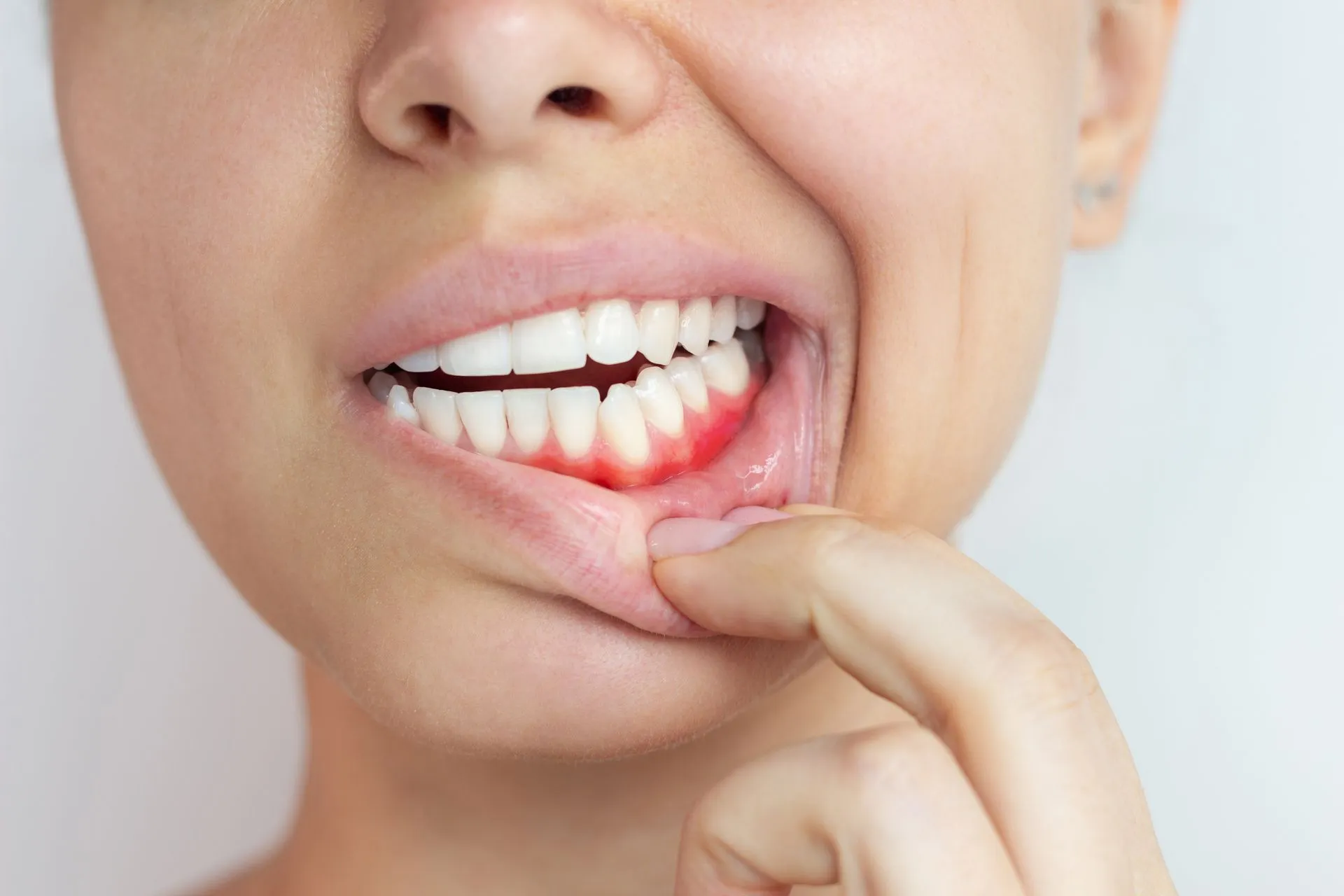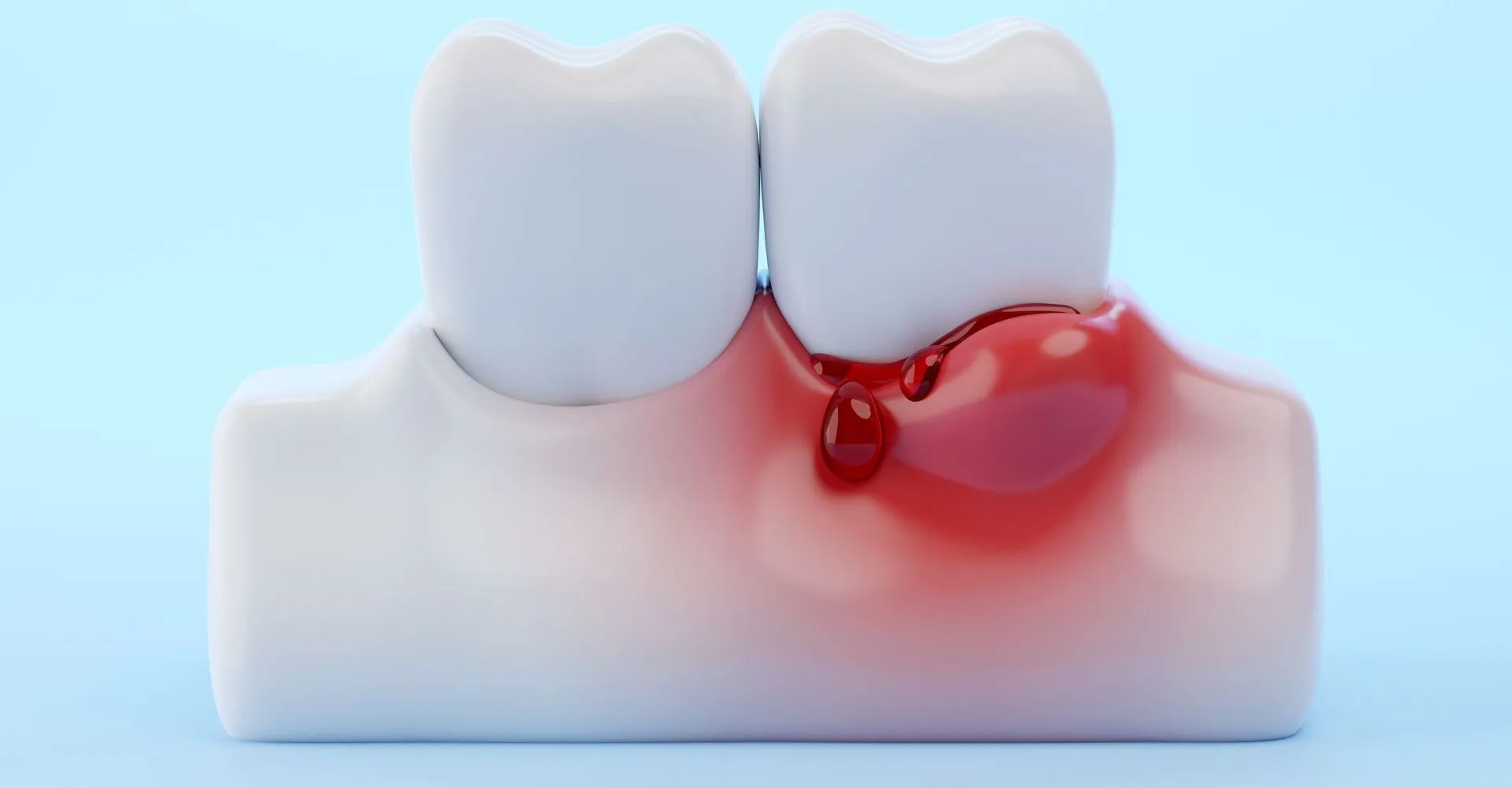
Gum recession or gingival recession is a change in the gums that causes them to start retracting, becoming progressively smaller than normal. This condition ultimately leaves the teeth more exposed, which consequently results in the root being more exposed. Gum recession occurs, therefore, when there is a loss of periodontal tissue and the terminal part of the gingival tissue (called marginal gingiva) moves away from the neck of the tooth towards its root.
This problem can occur in just one tooth or in several teeth simultaneously, and in some cases, there may even be generalized gingival recession, meaning in all teeth, both in the upper jaw and in the lower jaw.
People generally only become aware in the advanced stages of this process. They may notice abnormal sensitivity, pain in the area, and often inflammation.
The process is slow but progressive, so it is essential to regularly visit the dentist or oral hygienist so that this problem can be identified in a timely manner and its causes detected, thus preventing gum recession.
Causes of Gum Recession
Naturally, one of the causes of gum recession is insufficient oral hygiene, although other issues such as smoking, poor eating habits, and genetic factors may also contribute to this dental problem. The main causes of gum recession are:
Periodontal disease - The presence of bacterial plaque due to incorrect or careless oral hygiene can result in gingivitis, which, if untreated, tends to progress to periodontitis, leading to the loss of the supporting tissues of the teeth and consequent gum recession;
Injuries associated with incorrect tooth brushing - occurs when using an unsuitable (hard) toothbrush or excessive repeated force during brushing;
Occlusal trauma - When there is no even chewing, some teeth exert more force than others on the gums and bone, causing gum recession;
Genetic factors, which can be a hereditary problem;
Weakened immune system;
Tobacco - Smokers are more prone to accumulate bacterial plaque on their teeth and, if they do not maintain careful oral hygiene, tartar can cause gum recession;
Poor positioning of teeth;
Bruxism - The habit of grinding teeth at night can put a lot of pressure on the jaw, exerting considerable force on the teeth, ultimately causing gum recession.
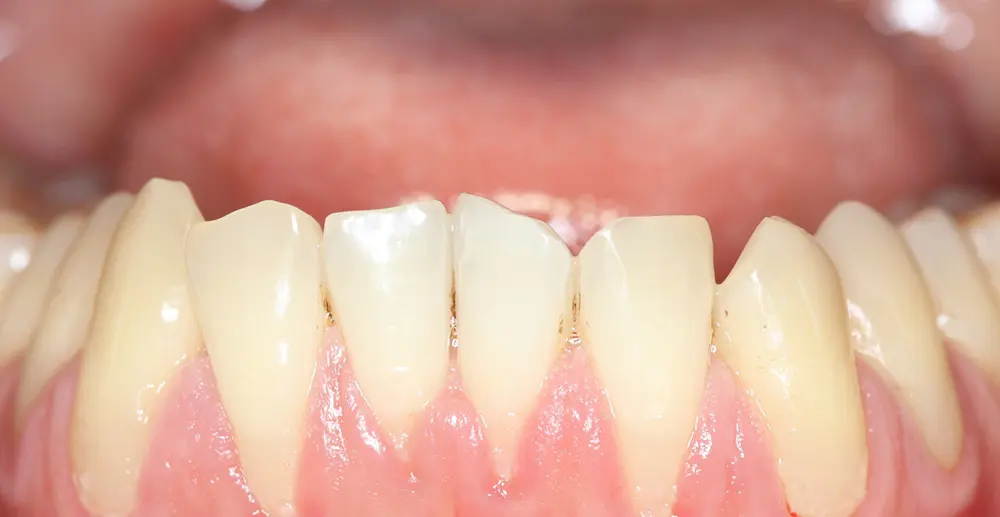
Gum Recession Signs
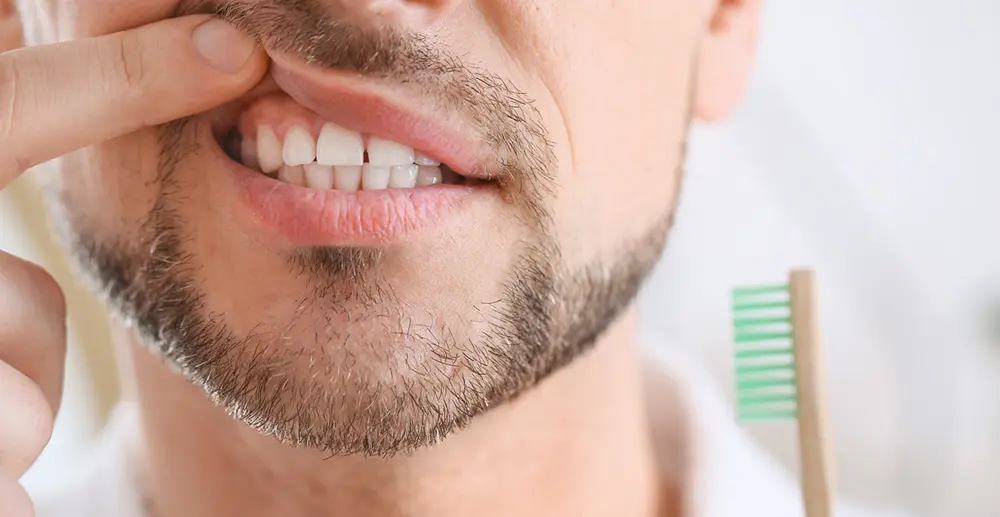
Most people do not know they have gum recession, and the first sign is usually tooth sensitivity. This is because an exposed tooth root causes greater sensitivity when eating certain hot or cold foods.
In addition, check for physical changes in the gum, noticing that the tooth becomes more exposed and consequently the root more visible, it is important to schedule an appointment with your dentist/oral hygienist to find out what you can do to prevent the problem from worsening.
How to Treat Gum Recession
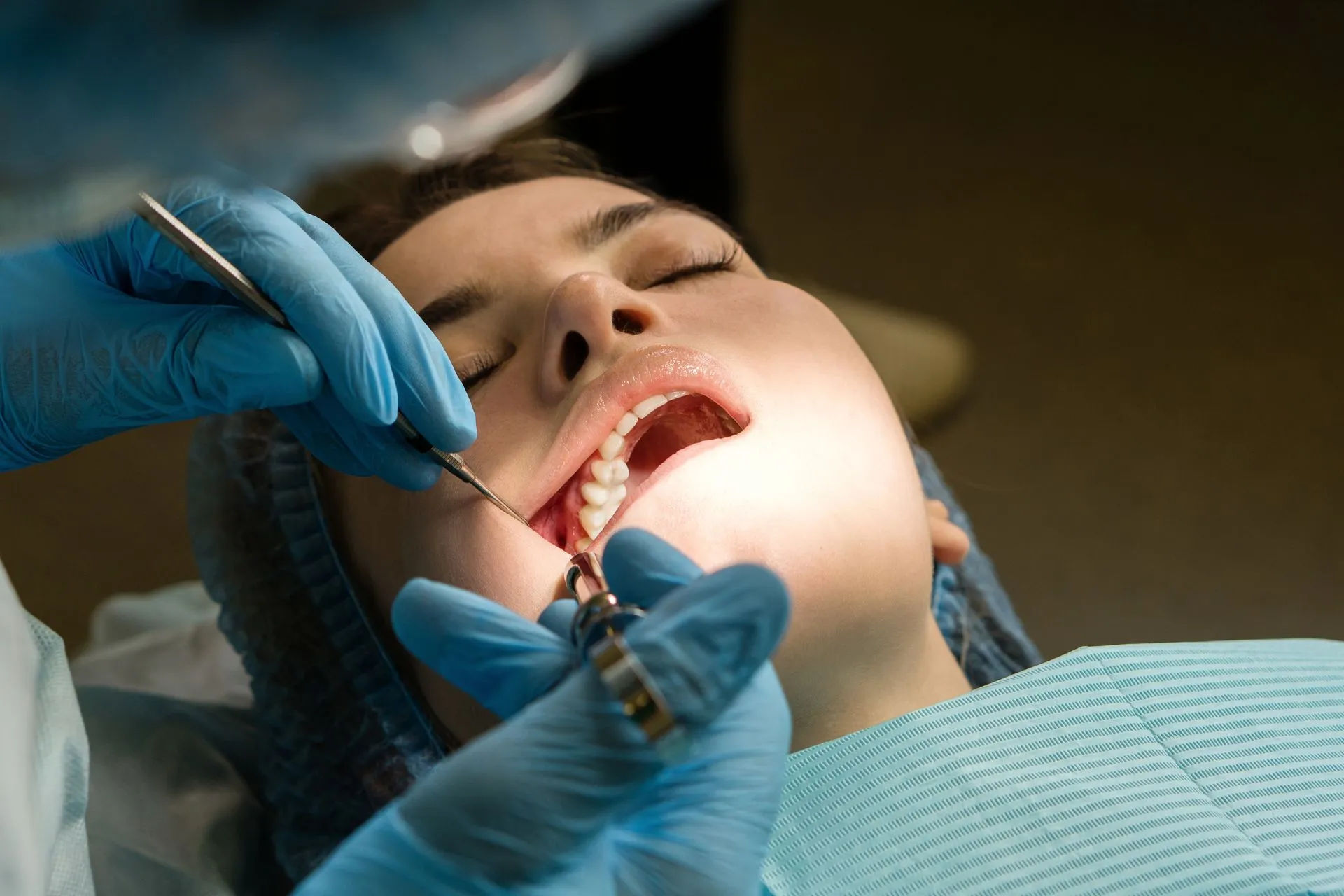
The first step to finding out how to resolve gum recession is indeed the consultation with a dentist or oral hygienist. They will make the diagnosis and recommend the best possible treatment for your case as treatment varies depending on the underlying causes and the severity of the recession.
Sometimes, as gum recession can occur due to excessive or improper brushing of the teeth, they will also advise other more suitable techniques for proper daily oral hygiene.
If gum recession has been caused by a build-up of tartar, a cleaning - de-scaling - will be recommended to reverse or prevent the situation from worsening.
If the cause is tooth sensitivity due to root exposure, there are several treatments to minimize this sensitivity, such as rinses with specific desensitizing solutions or the application of fluoride, or even treatment with resin, that is, resorting to restoration with acrylic resin (composite) to cover the exposed sensitive areas.
In more advanced cases of recession, a small gum surgery is the best option, with the most commonly used being gum grafting.
Regular visits to the dentist or oral hygienist are one of the best ways to prevent the appearance of conditions such as gum recession. If you would like more information about treatment prices for gum recession and what types of options exist to prevent this condition from worsening, schedule your appointment with one of the dentists at MALO CLINIC.