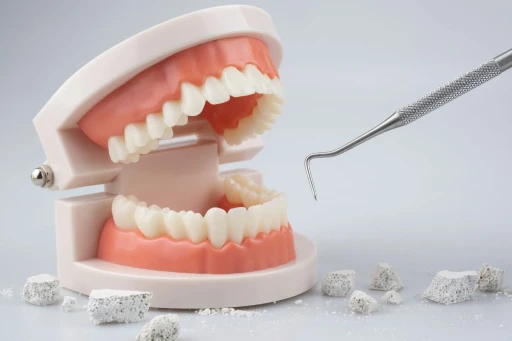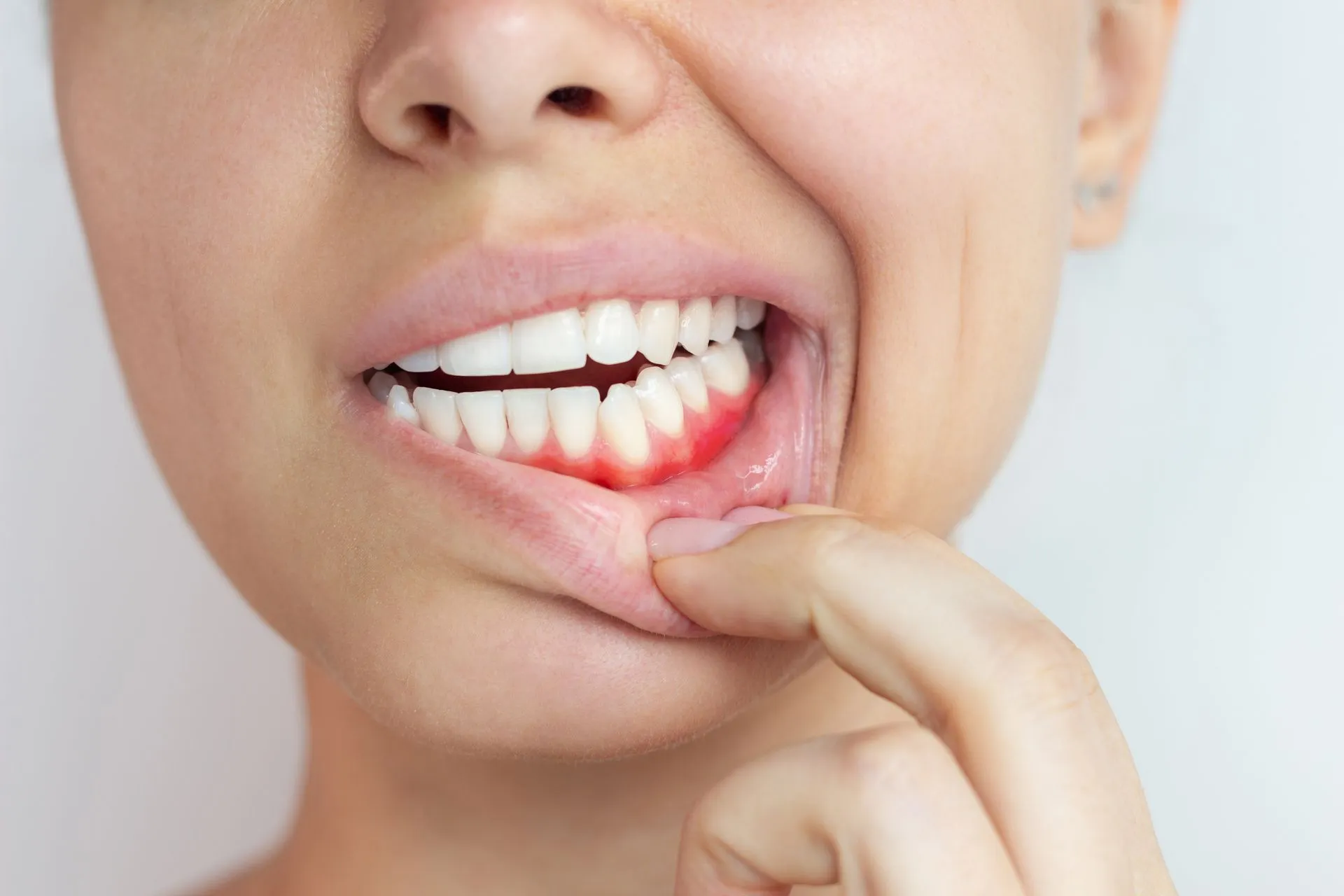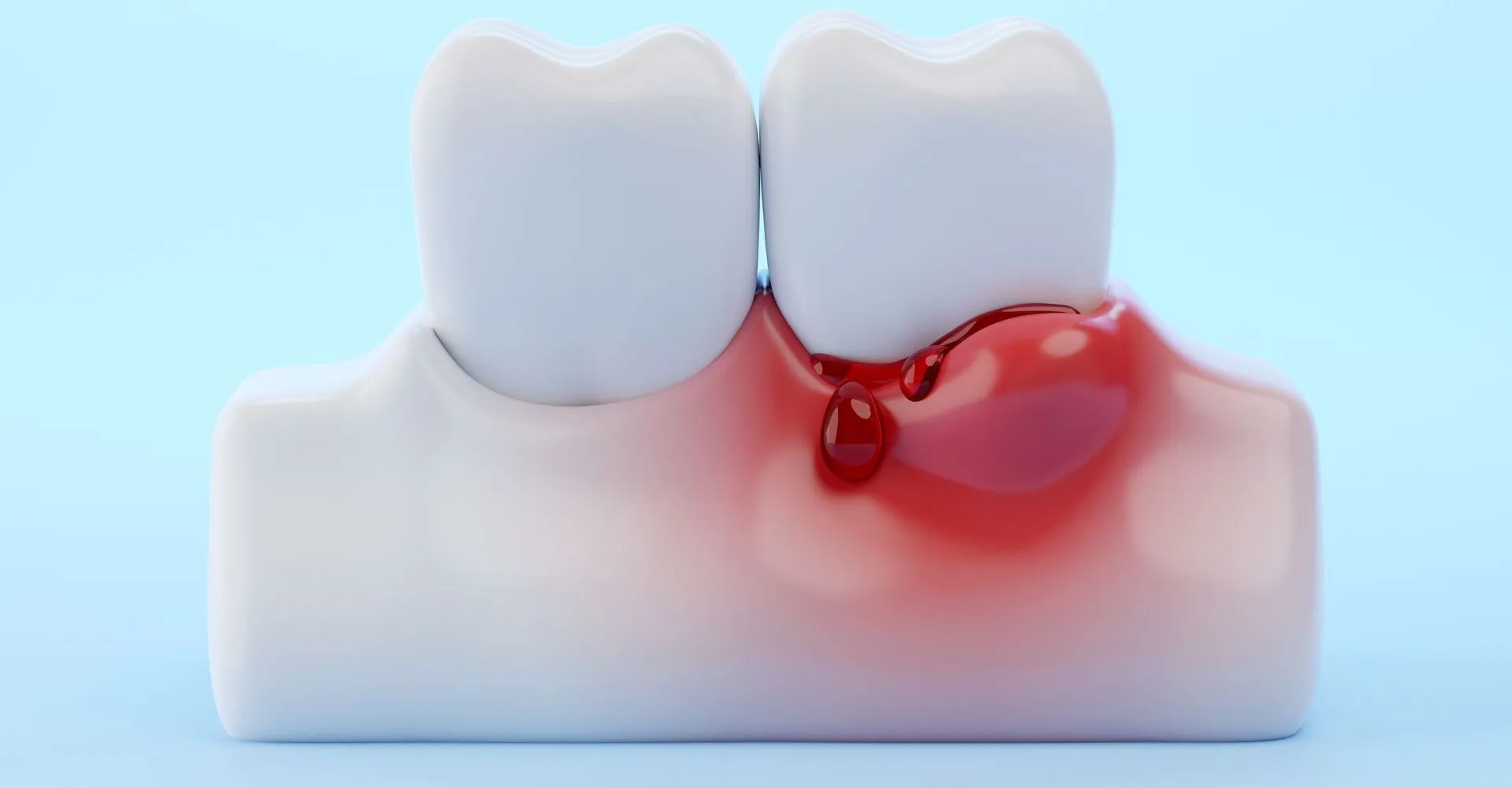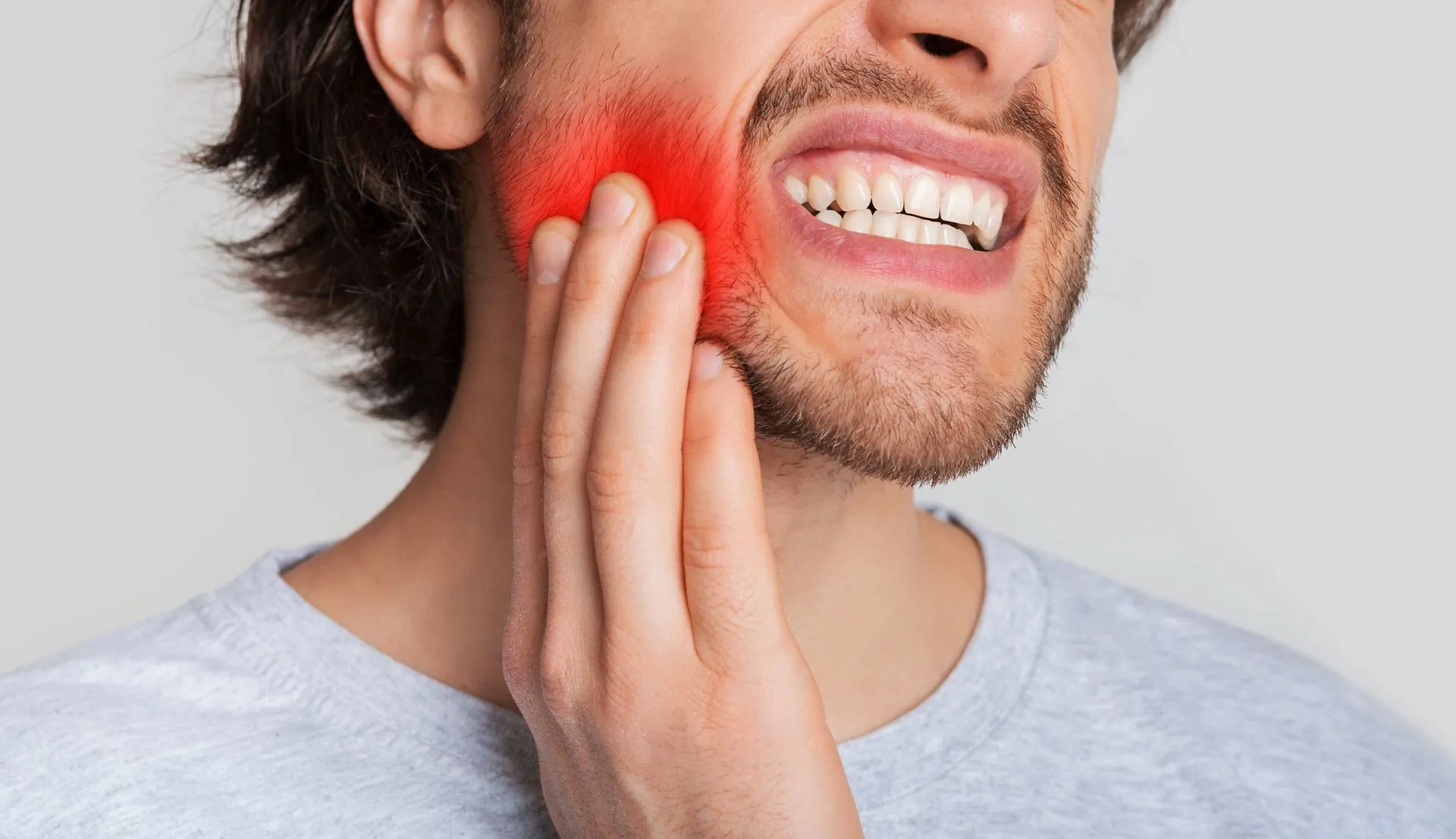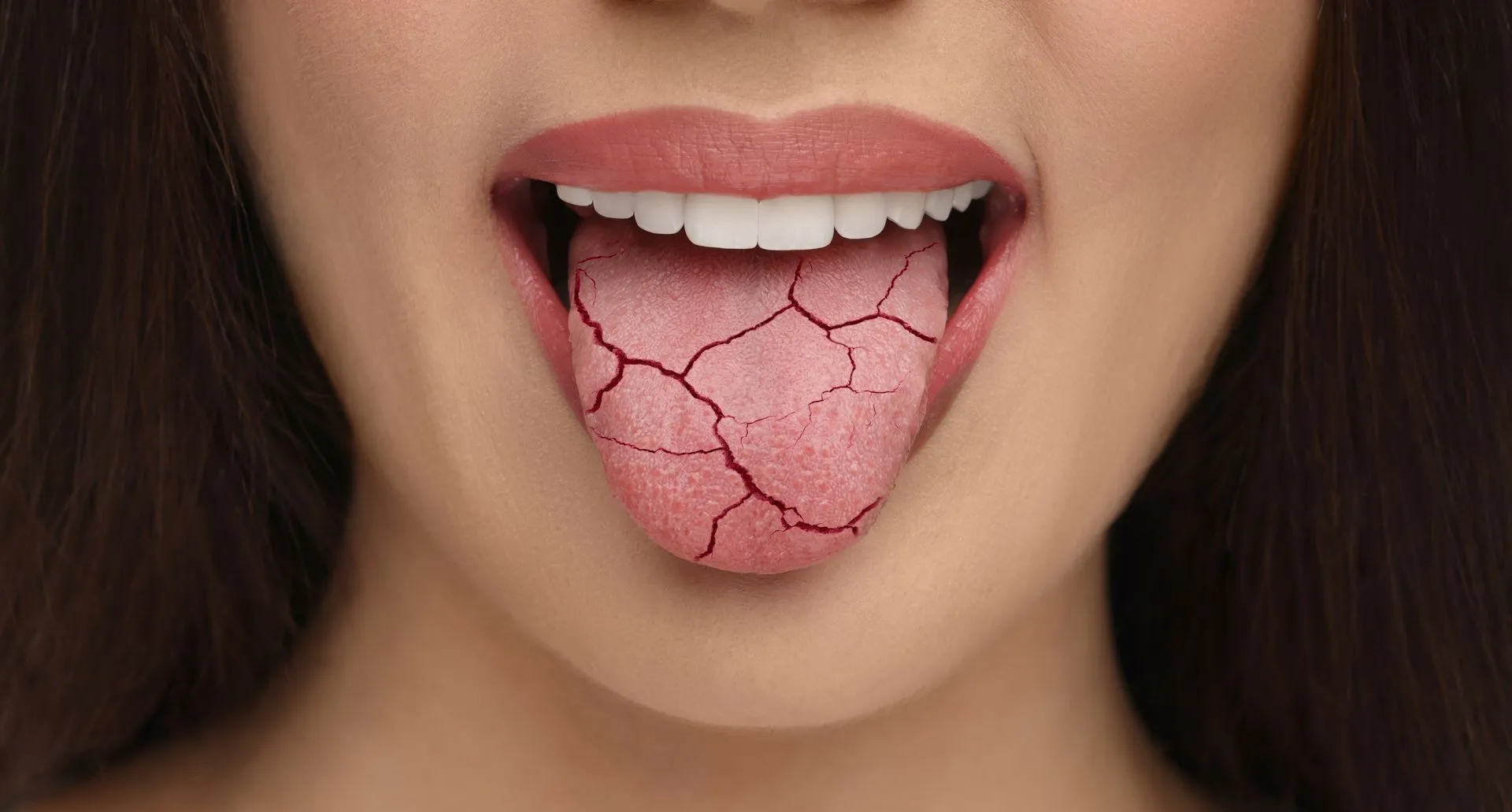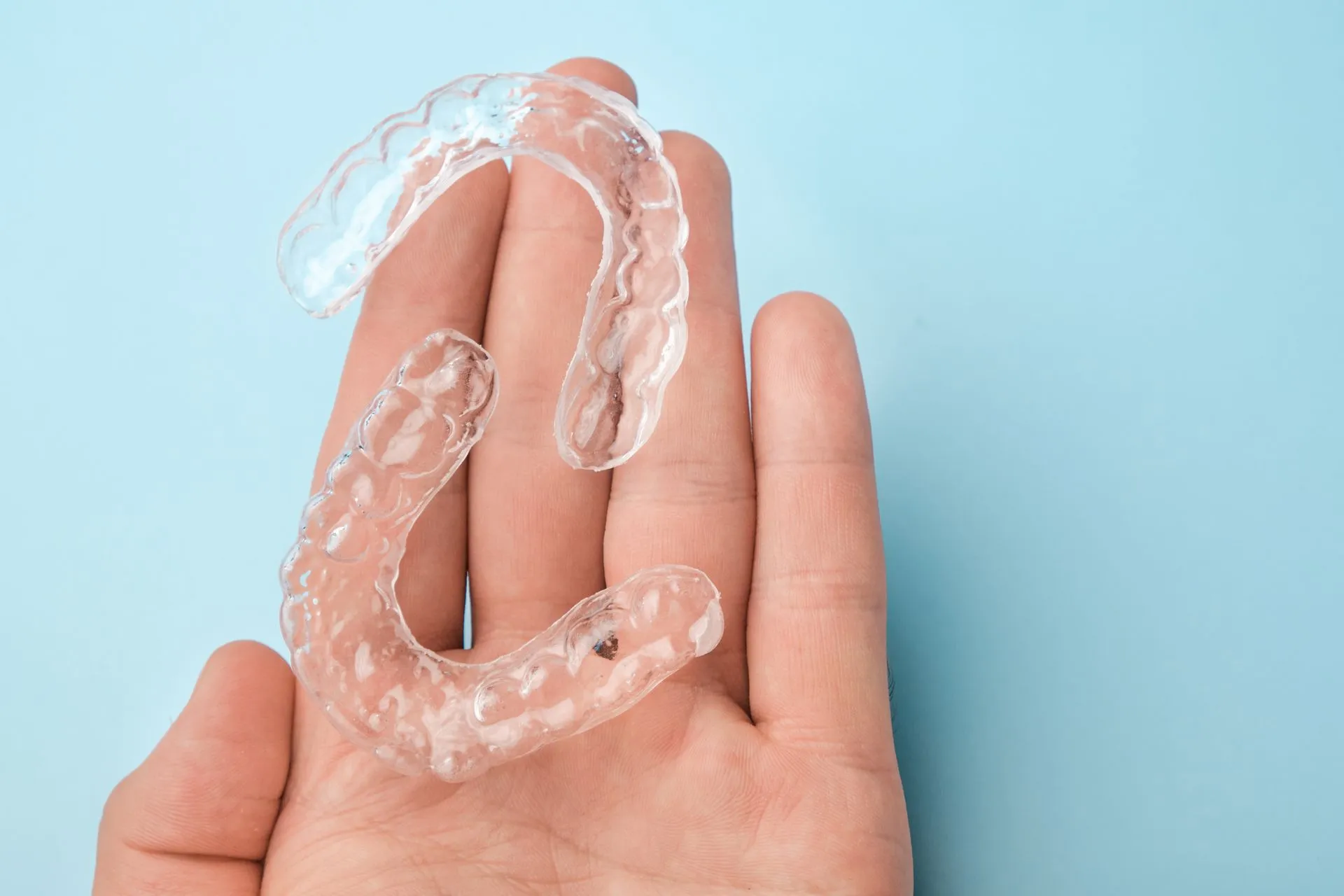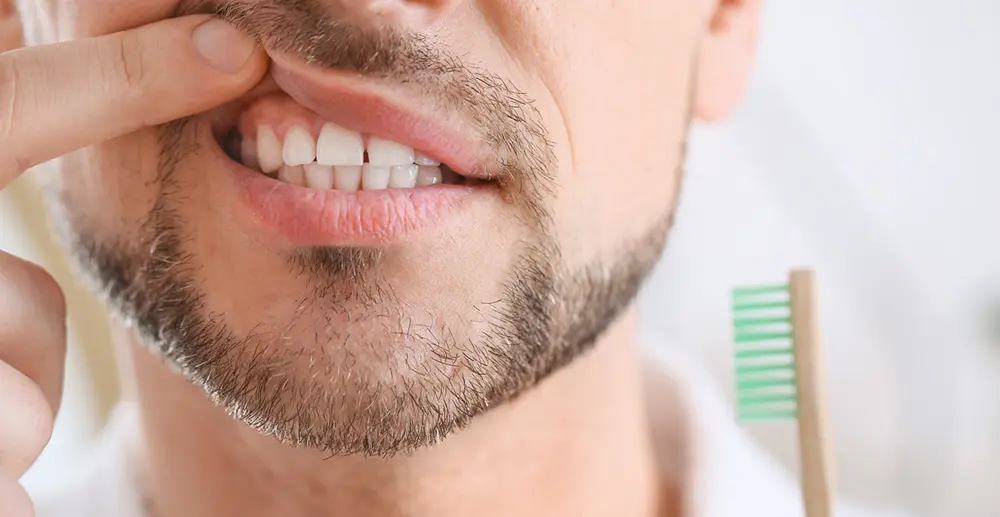
Pericoronitis is an inflammation of the soft tissues surrounding a partially erupted tooth, that is, one that has not fully emerged. This problem occurs most frequently with the wisdom teeth, especially when they emerge incompletely or misaligned. In these cases, part of the tooth remains covered by a layer of gum, creating a space where food particles and bacteria can accumulate, leading to an infection.
This is a common condition in young adults, between the ages of 17 and 25, which is precisely the age range when wisdom teeth usually erupt. Although it is more common in the lower teeth, it can also happen in the upper ones.
What are the causes of pericoronitis?
The main cause of pericoronitis is the accumulation of bacteria and food particles in the area between the gum and the partially erupted tooth. As this area is difficult to reach during brushing, it is common for it not to be cleaned properly, encouraging the development of bacteria and, consequently, inflammation.
Thus, the factors that may contribute to the appearance of pericoronitis in an erupting tooth include:
Poor oral hygiene habits
Weakened immune system
Stress or fatigue (which can affect the immune response)
Local trauma (for example, an upper tooth that constantly bites the inflamed gum of the lower tooth)
Main symptoms
The symptoms of pericoronitis can vary depending on the degree of inflammation and infection.
In milder cases, it may manifest only as slight discomfort in the area. However, as the inflammation progresses, the symptoms can become more apparent and uncomfortable:
Localized pain in the area of the affected tooth
Red, swollen, and sensitive gums
Difficulty opening the mouth or chewing
Bad breath
Presence of pus
Fever (in more severe cases)
Swelling in the face or neck (in situations of more advanced infection)
It is important not to ignore these signs, as if left untreated, pericoronitis can progress to more serious complications, such as the formation of an abscess or the spread of infection to other parts of the body.
How is the diagnosis made?
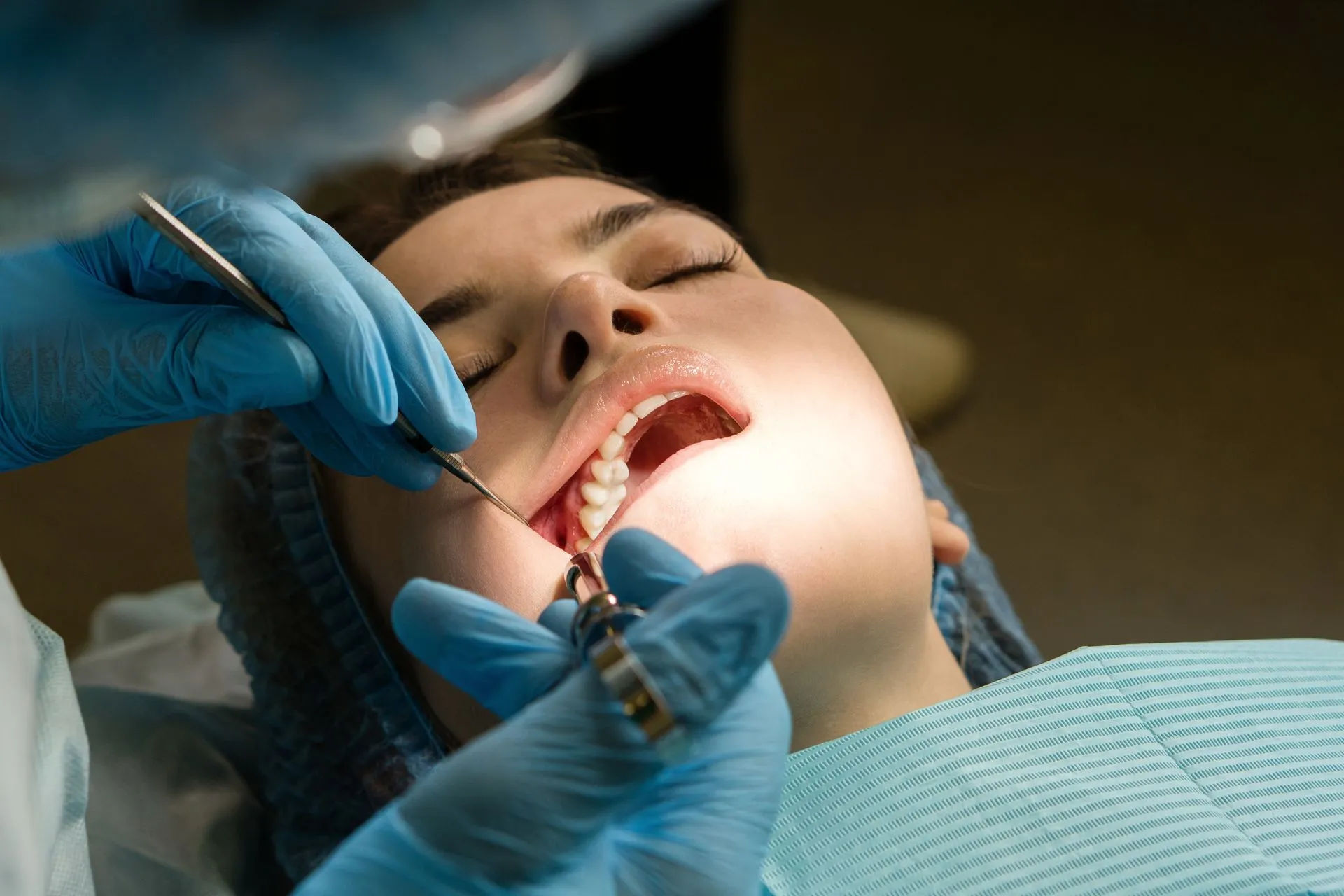
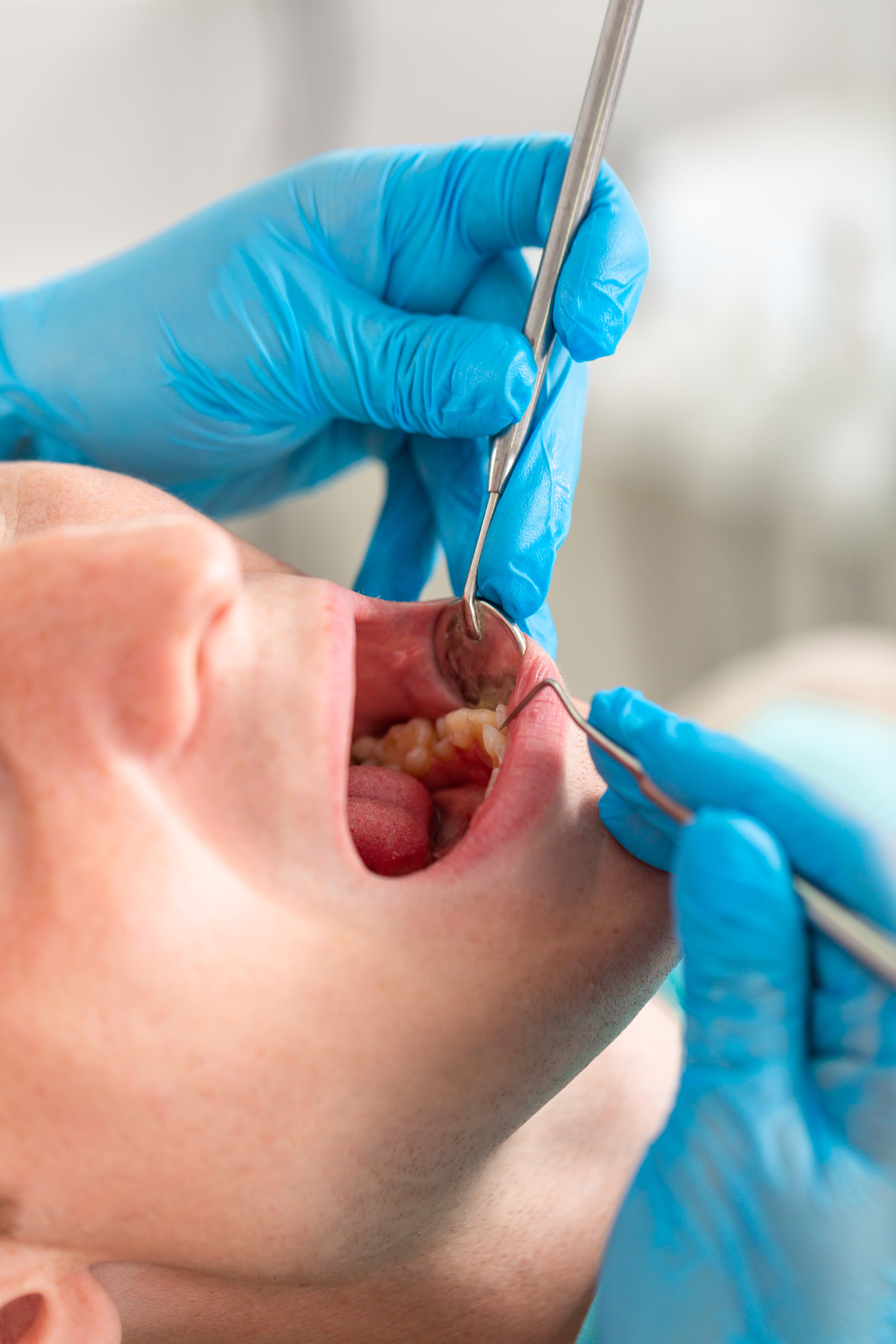
The diagnosis of pericoronitis should be made by a dentist. For this reason, in addition to regular check-ups, if any symptoms arise, it is important to schedule an appointment for an assessment to diagnose the problem.
In addition to evaluating the degree of inflammation, the dentist may also request an X-ray to understand the position of the tooth and confirm whether there is enough space for complete eruption. Based on this assessment, the dentist will determine the most appropriate treatment.
Most Indicated Treatments
The treatment of pericoronitis depends on the severity of the inflammation and the underlying cause. In simpler cases, it may be sufficient to control the infection with oral hygiene measures and medication.
In more advanced situations, a surgical procedure may be necessary.
Treatments for mild to moderate cases may include:
Thorough cleaning of the affected area, with gentle brushing at least twice a day and use of antibacterial rinses;
Gum irrigation to remove any possible accumulated debris;
Pain relievers, in case of severe pain;
Prescription of antibiotics and/or anti-inflammatories to control the infection and relieve pain.
These measures are usually effective when pericoronitis is detected in its early stages. However, it is important to continue follow-ups with the dentist to ensure the problem is resolved.
In recurrent and more severe cases, treatment may progress to surgical procedures, such as:
Removal of the gingival flap (operculectomy), that is, removing the gingival tissue that partially covers the tooth, eliminating the space where bacteria accumulate;
Extraction of the wisdom tooth, an option indicated when the tooth is poorly positioned, does not have space to erupt fully, or causes frequent infections.
The decision between keeping or extracting the tooth should be made together with the dentist and should take into account the position of the tooth, the general health status, and the patient's history.
How to Prevent Pericoronitis?
Although there is no sure way to prevent pericoronitis, the best way to avoid complications and infections is to ensure good oral hygiene and regular visits to the dentist.
Some practical tips include:
Brushing teeth at least twice a day, with special attention to the wisdom tooth area to ensure that food debris does not accumulate;
Using dental floss daily and ideally before brushing to remove residue between the teeth;
Using rinses with antibacterial action;
Having dental check-ups at least every six months, as well as oral cleanings;
Consulting the dentist if you feel any pain, swelling, or discomfort in the wisdom tooth area;
Discussing with the dentist the need to extract wisdom teeth before they cause problems.
Pericoronitis is a common inflammation, but it should not be underestimated, as it can cause pain, discomfort, and even more serious complications if not treated in time. Despite this, with the right follow-up and appropriate preventive measures, it is possible to effectively avoid and treat this issue.