Pathologies

Pathologies

Want to Stop Bleeding Gums?

Gum bleeding? Discover the most common causes and learn effective strategies to stop your gums from bleeding and improve your oral health.

Written by:

Elsa Antunes | Oral Hygienist

Elsa Antunes

Oral Hygienist

C-014363080/ACSS

Want to Stop Bleeding Gums?

Discover the causes of gum bleeding and how you can stop your gums from bleeding.

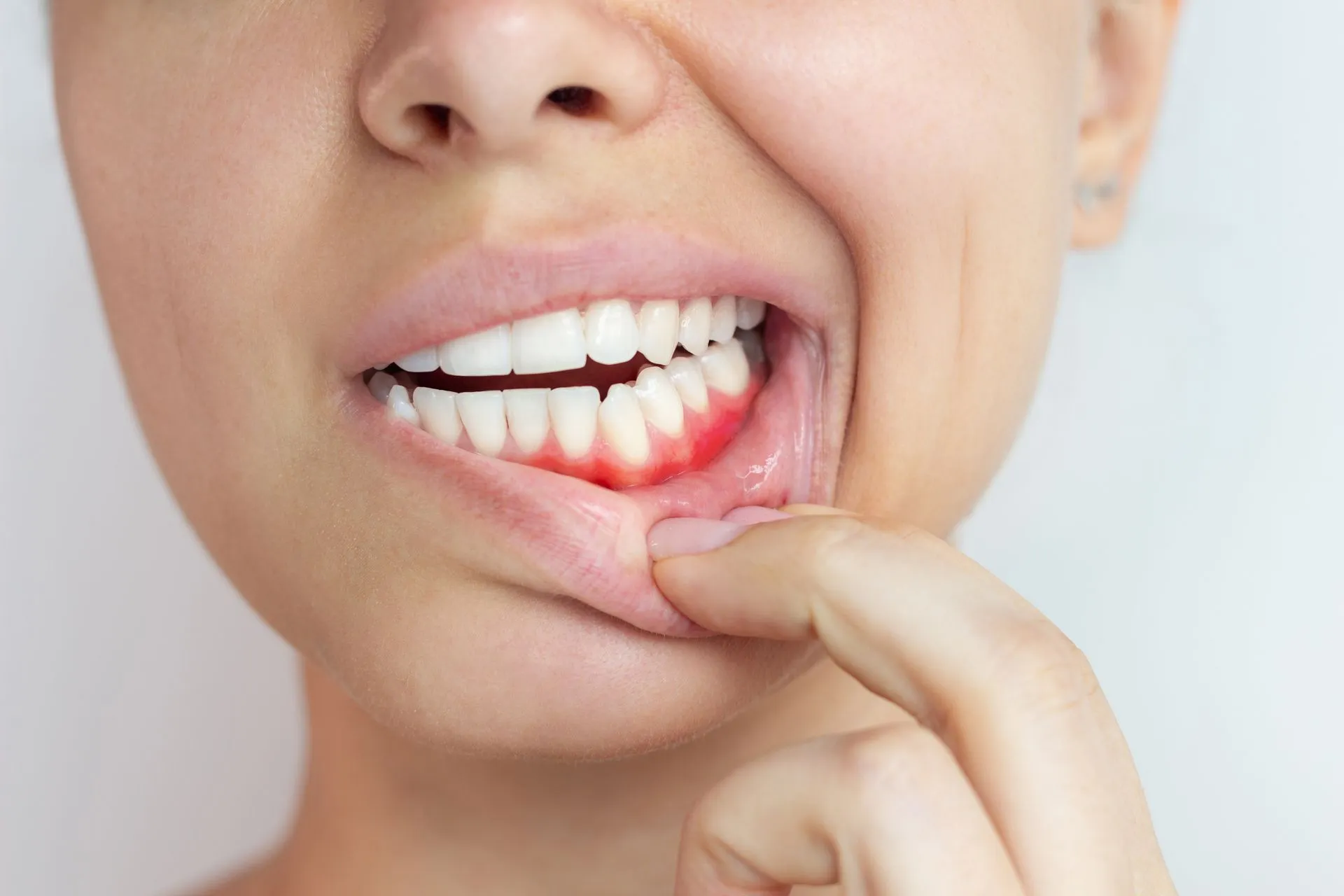
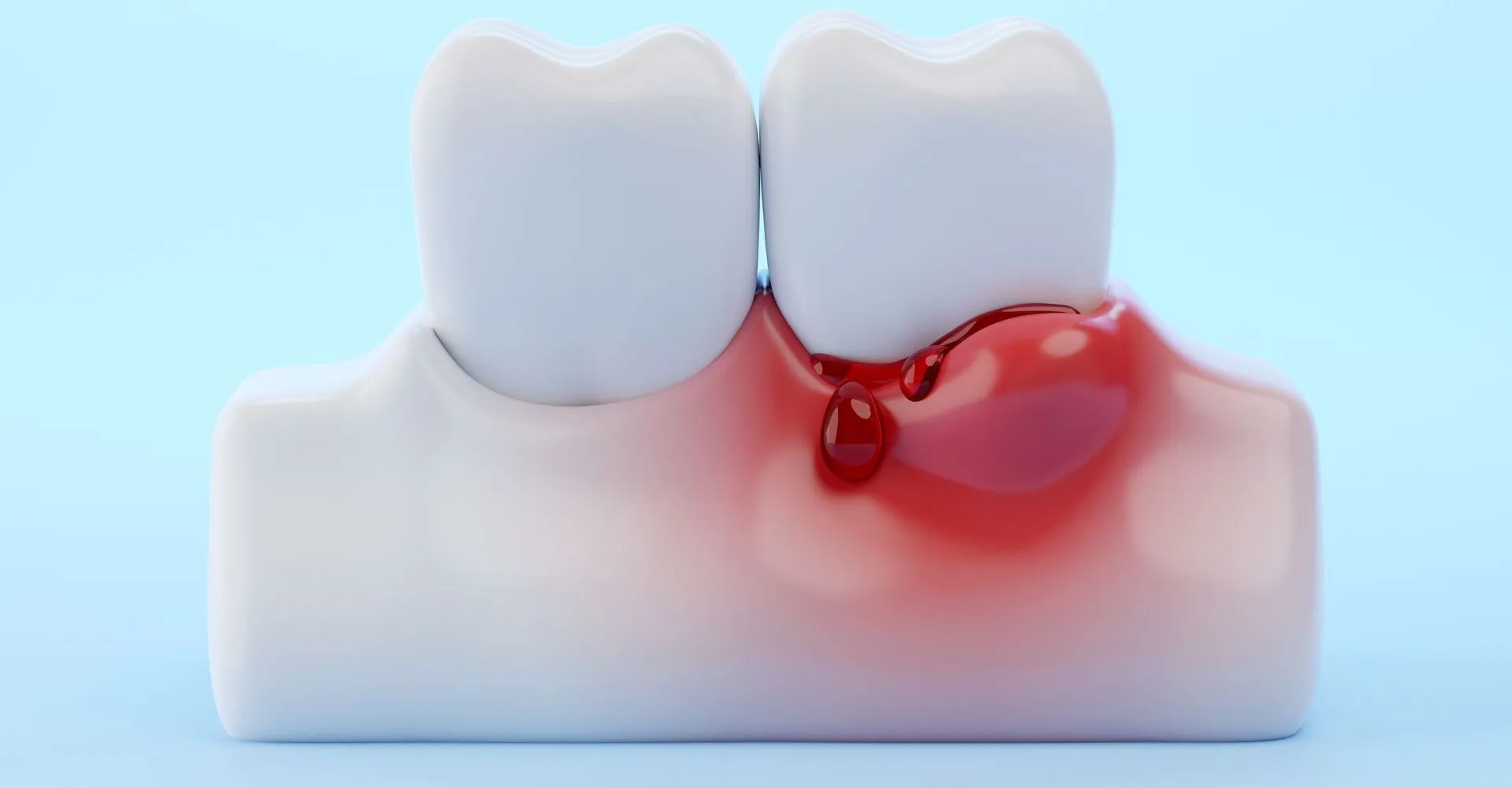
Gum bleeding, commonly referred to as bleeding gums, even if it is mild or sporadic, should not be regarded as a normal situation. In fact, bleeding gums is a warning sign that your body is giving about the state of your oral health. Gum bleeding can be a symptom of inflammation, infection, or even more serious diseases, such as periodontitis. The good news?

With proper care and follow-up, it is possible to reverse the situation and restore gum health.

In this article, we will explain why gums bleed, what may be causing the problem, and, above all, what you can do to resolve it and stop your gums from bleeding.

Why can't you stop bleeding from your gums?

The most common causes of gum bleeding include:

Gingivitis – the early stage of periodontal disease

It is the inflammation of the gums due to the accumulation of bacterial plaque along the gum line. In addition to gum bleeding, it can also cause swelling, redness, and bad breath. If left untreated, gingivitis can progress to periodontitis, a deeper infection with more serious consequences, including tooth loss. 

Poor oral hygiene habits

Irregular or incorrect brushing, not using dental floss, interdental brushes, or other interdental hygiene methods, as well as a lack of regular oral hygiene check-ups lead to tartar formation, one of the main causes of inflammation that can result in gum bleeding.  

Aggressive brushing

Brushing with excessive force or using hard-bristled toothbrushes can damage the gums, causing recession and micro-lesions with bleeding. 

Hormonal changes

Certain phases of a woman's life, such as pregnancy, adolescence, or menopause, provoke hormonal changes that can make the gums more sensitive and susceptible to inflammation.

Smoking

Although it often masks gum bleeding (due to vasoconstriction), tobacco exacerbates inflammation and delays gum healing.

Systemic diseases and nutritional deficiencies

Diabetes, deficiencies in vitamins C or K, coagulation disorders, and certain medications (like anticoagulants) can also be the source of gum bleeding.

How to stop gum bleeding?

Improve your oral hygiene

Brush your teeth at least twice a day with a soft brush and a toothpaste specifically designed to prevent gum inflammation. Use dental floss daily or opt for interproximal brushes or another method of interdental cleaning if recommended by your oral hygienist.

Have an Oral Hygiene check-up every 6 months

The deep removal of tartar and bacterial plaque by an oral health professional – oral hygienist or dentist – at least twice a year is essential for maintaining good oral health. During this appointment, methods that the patient should adopt for effective oral hygiene will also be taught, adapting prophylaxis to each case's needs, especially regarding the toothpaste and mouth rinses to use.

Adopt healthy habits

Adopting healthy habits such as reducing sugar and alcohol consumption, quitting smoking, or choosing a balanced diet rich in essential vitamins not only benefits the health of our gums but also promotes overall health and well-being.

Consult a dentist specialized in gums

Consult a Periodontist if there is evidence of periodontal disease progression with signs of bone loss, tooth mobility, and the presence of very dense calculus pockets. In these situations, specialized monitoring is crucial to prescribe the most appropriate treatment for each case. In the vast majority of these situations, the intervention involves a surgical approach, using periodontal surgery.

Frequently Asked Questions

1

Is bleeding from the gums normal?

No. Bleeding from the gums, even if slight, is a sign of inflammation and should not be ignored.

2

Does gingivitis have a cure?

Yes, especially in the early stages of the disease. With appropriate treatment and good oral hygiene practices, it is possible to completely reverse gingivitis.

3

How many times a year should I have an oral hygiene appointment with a healthcare professional?

Ideally twice a year. In cases of higher risk, such as in smokers or patients with periodontal disease, it may be necessary to have consultations more frequently. 

4

Can I stop bleeding from my gums spontaneously?

An improvement in oral hygiene practices can result in a decrease in gum bleeding. However, it is essential to have a professional assessment to ensure that there is no more serious problem.

5

What could happen if I ignore gum bleeding?

Ignoring gum bleeding can lead to the progression of gingivitis to periodontitis — a more advanced stage of infection that affects the supporting tissues of the teeth. In the long term, it can cause gum recession, bone loss, and even premature tooth loss. Furthermore, there is evidence that periodontal diseases are associated with systemic issues such as cardiovascular, pulmonary diseases, and diabetes.

6

Do people with diabetes have a higher risk of bleeding gums?

Yes. Uncontrolled diabetes weakens the body's immune response, making it more vulnerable to infections, including periodontal disease. For this reason, people with diabetes should have regular dental check-ups and take extra care with their daily oral hygiene.

7

Can stress cause bleeding of the gums?

Indirectly, yes. Stress can weaken the immune system and lead to harmful habits such as teeth grinding (bruxism) or neglecting oral hygiene. All of this can contribute to bleeding gums.

8

What is Root Planing and when is it indicated?

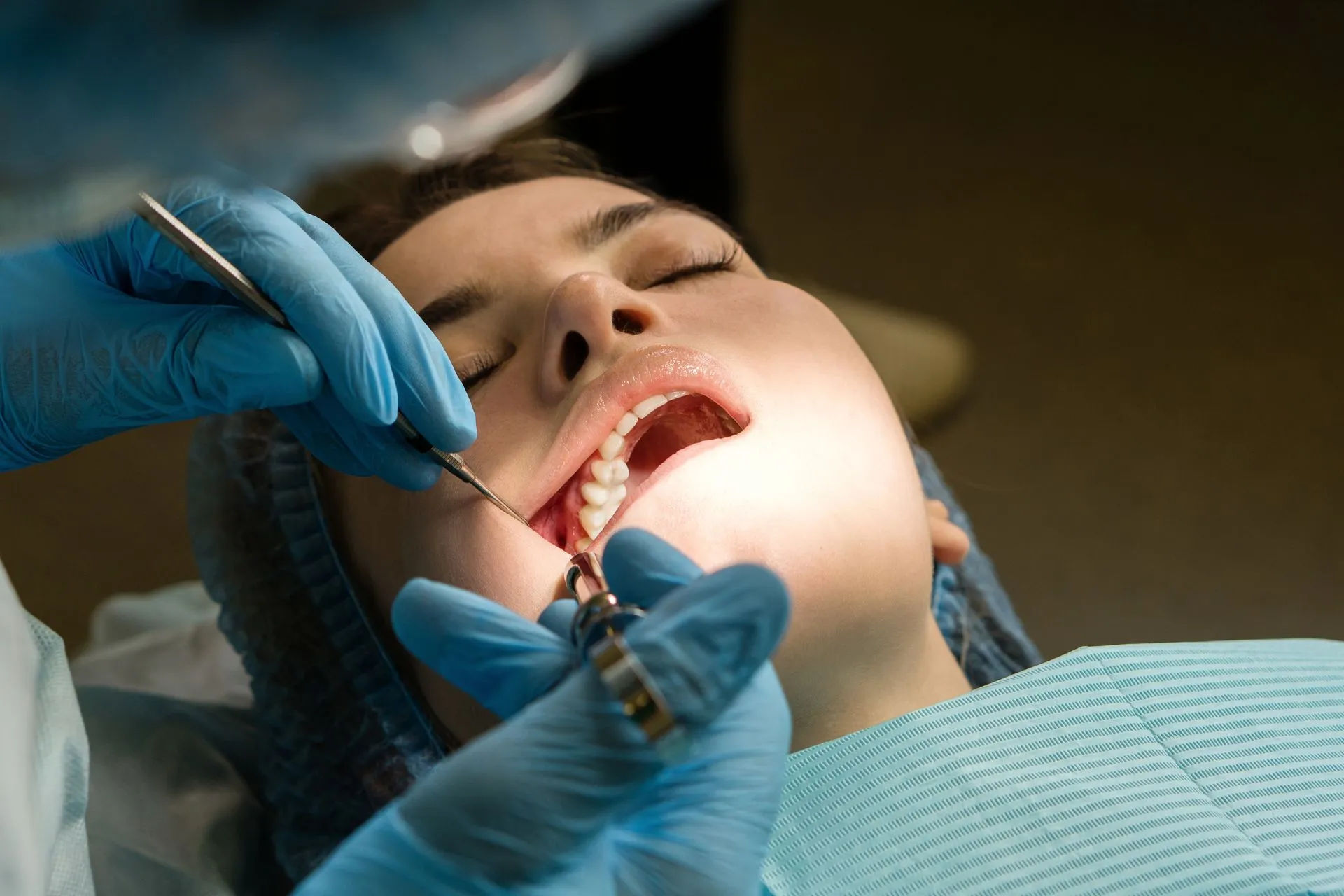
It is a treatment performed by the Oral Hygienist or by the Periodontist to remove the tartar accumulated below the gum line, in the so-called periodontal pockets. This treatment is indicated when gingivitis has progressed to periodontitis and there is destruction of the supporting tissues of the tooth. In some situations, the procedure is performed with anesthesia for greater comfort of the patient.

Since gum bleeding is one of the first warning signs of periodontal disease, which is currently the 6th most prevalent disease worldwide, affecting more than 50% of the global adult population, it is essential not to ignore this symptom. Early treatment prevents premature tooth loss and other systemic complications, such as an increased cardiovascular risk.

1

Is bleeding from the gums normal?

No. Bleeding from the gums, even if slight, is a sign of inflammation and should not be ignored.

2

Does gingivitis have a cure?

Yes, especially in the early stages of the disease. With appropriate treatment and good oral hygiene practices, it is possible to completely reverse gingivitis.

3

How many times a year should I have an oral hygiene appointment with a healthcare professional?

Ideally twice a year. In cases of higher risk, such as in smokers or patients with periodontal disease, it may be necessary to have consultations more frequently. 

4

Can I stop bleeding from my gums spontaneously?

An improvement in oral hygiene practices can result in a decrease in gum bleeding. However, it is essential to have a professional assessment to ensure that there is no more serious problem.

5

What could happen if I ignore gum bleeding?

Ignoring gum bleeding can lead to the progression of gingivitis to periodontitis — a more advanced stage of infection that affects the supporting tissues of the teeth. In the long term, it can cause gum recession, bone loss, and even premature tooth loss. Furthermore, there is evidence that periodontal diseases are associated with systemic issues such as cardiovascular, pulmonary diseases, and diabetes.

6

Do people with diabetes have a higher risk of bleeding gums?

Yes. Uncontrolled diabetes weakens the body's immune response, making it more vulnerable to infections, including periodontal disease. For this reason, people with diabetes should have regular dental check-ups and take extra care with their daily oral hygiene.

7

Can stress cause bleeding of the gums?

Indirectly, yes. Stress can weaken the immune system and lead to harmful habits such as teeth grinding (bruxism) or neglecting oral hygiene. All of this can contribute to bleeding gums.

8

What is Root Planing and when is it indicated?

It is a treatment performed by the Oral Hygienist or by the Periodontist to remove the tartar accumulated below the gum line, in the so-called periodontal pockets. This treatment is indicated when gingivitis has progressed to periodontitis and there is destruction of the supporting tissues of the tooth. In some situations, the procedure is performed with anesthesia for greater comfort of the patient.

Since gum bleeding is one of the first warning signs of periodontal disease, which is currently the 6th most prevalent disease worldwide, affecting more than 50% of the global adult population, it is essential not to ignore this symptom. Early treatment prevents premature tooth loss and other systemic complications, such as an increased cardiovascular risk.

Explore related articles

Book your
Appointment

Fill out the form and our team will get in touch with you to schedule your appointment.

Book your
Appointment

Fill out the form and our team will get in touch with you to schedule your appointment.

Book your
Appointment

Fill out the form and our team will get in touch with you to schedule your appointment.

We accompany each step of your clinical journey, focusing on your comfort, confidence, and smile.

@ 2026 ALL RIGHTS RESERVED - MALO CLINIC SA NIF 503411434 ERS No. 12920

Developed by

We accompany each step of your clinical journey, focusing on your comfort, confidence, and smile.

@ 2026 ALL RIGHTS RESERVED - MALO CLINIC SA NIF 503411434 ERS No. 12920

Developed by