
In what situations is root canal treatment the best option?
Root canal treatment is a term commonly used to describe endodontic treatment. This treatment involves the removal of infected or damaged tissue in the tooth pulp that may be compromising the health of the dentition or gums. The root canal treatment is carried out in such a way as to preserve the natural dentition as much as possible and avoid tooth extraction, removing the inflamed or even necrotic dental pulp and placing a filling material inside to restore strength.
The main reasons for performing a root canal may include:
Deep dental cavities: cavities are the primary complication that necessitates root canal treatment. This occurs when the cavity is not treated immediately and progresses to something deeper, affecting the nerve of the tooth and causing inflammation, leading to pain and discomfort. In these situations, a root canal often becomes the best option as it alleviates pain and allows the tooth to function as before.
Dental trauma: it is also common to resort to root canal treatment in cases of accidents that damage the teeth and expose the dental pulp. When there is dental trauma, the tooth fractures, and the nerves become exposed, increasing dental sensitivity.
Infections: certain infections, such as periodontal disease, can also lead to the need for root canal treatment. In this case, bacteria accumulate in the gums and the bone structure, which can even lead to bone loss. To avoid this scenario, performing a root canal is often the main solution.
What are the main symptoms that may require root canal treatment?
Persistent pain: intense or continuous pain in the tooth, especially when chewing or applying pressure, which may indicate an infection in the dental pulp.
Extreme sensitivity: sensitivity to heat or cold that lasts more than a few seconds after the stimulus is removed.
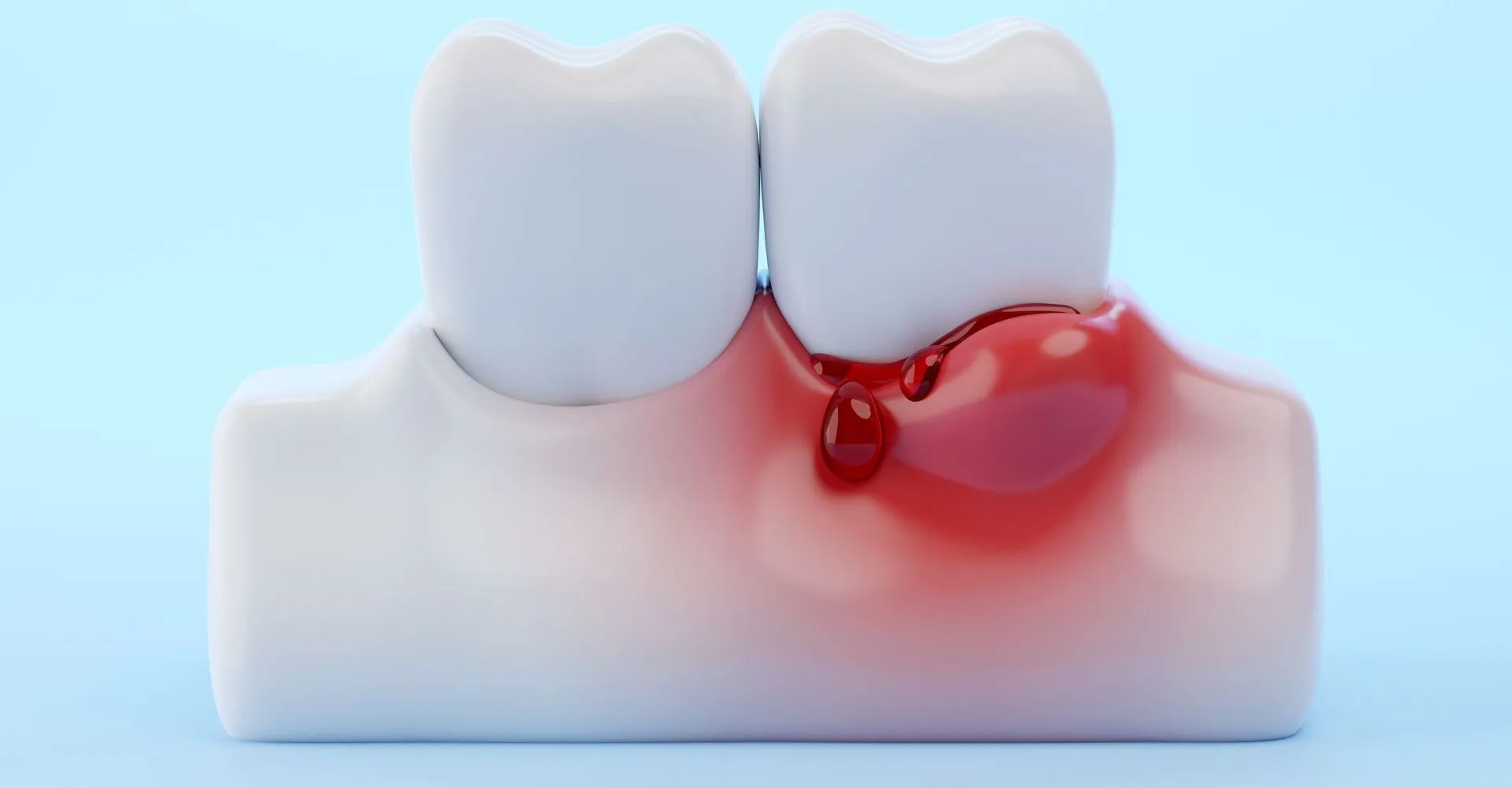
Swelling around the tooth: swelling in the gums or areas around the tooth may indicate infections affecting the dental pulp.
Dental injuries: physical trauma or injuries that result in fractures or significant damage to the tooth can compromise the health of the pulp.
Change in tooth colour: A change in tooth colour to grey or even black may indicate the death of the pulp.
What are the procedures for this treatment?
Assessment and diagnosis: to determine if root canal treatment is the appropriate solution, it is essential to conduct a thorough analysis of the patient's case. By performing examinations, such as an X-ray, the dentist will assess the need for endodontic treatment and plan the intervention.
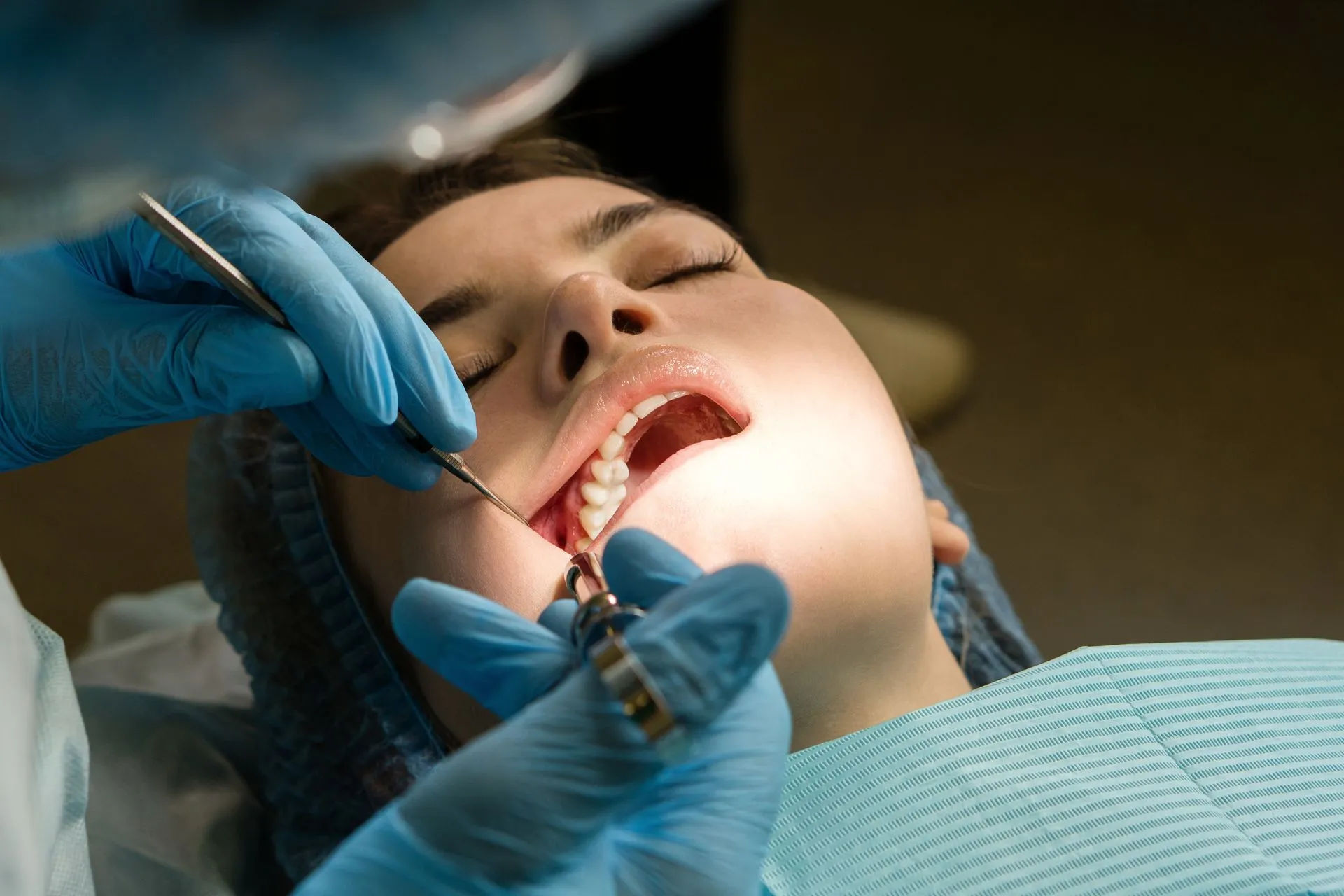
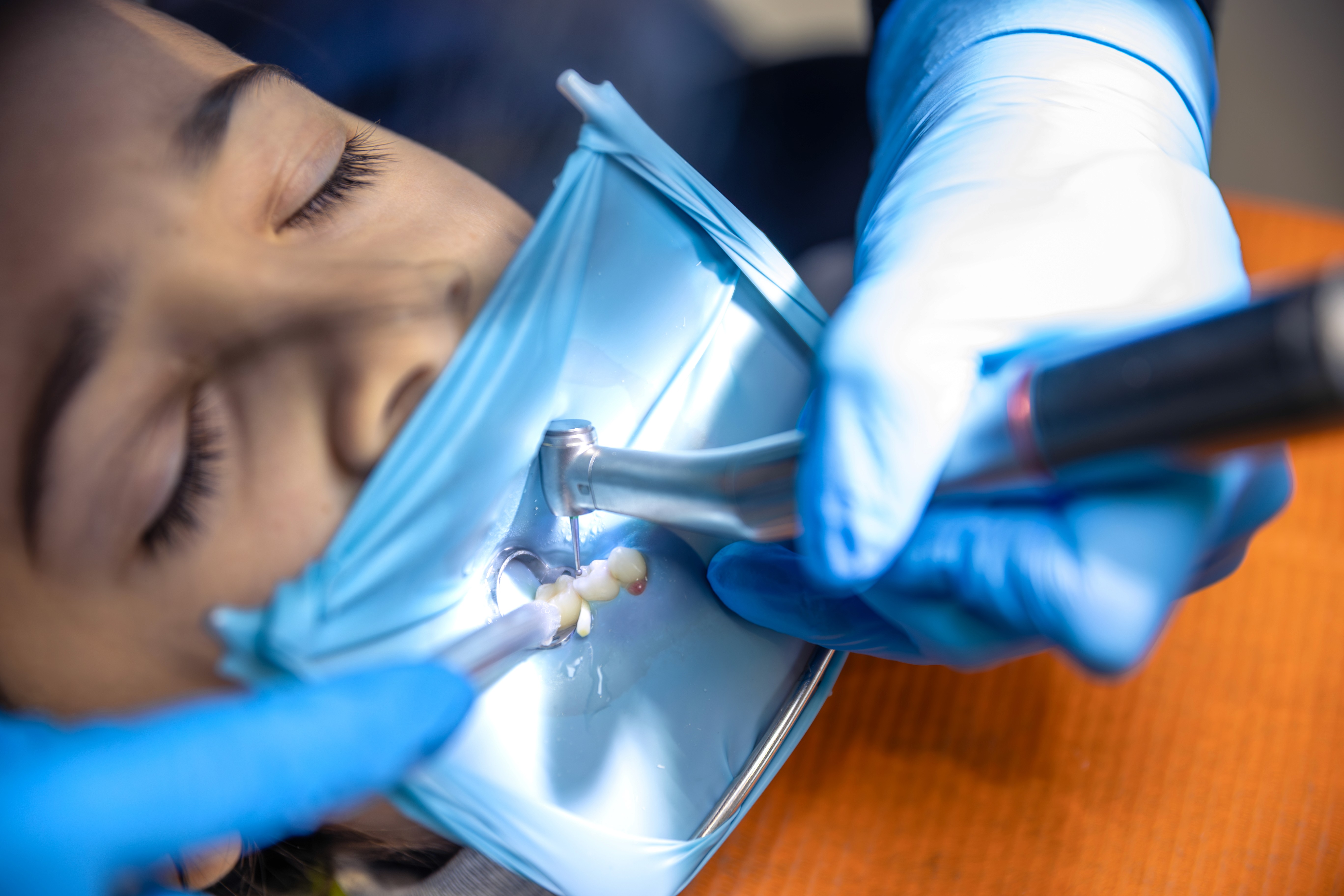
Removal of dental pulp: using local anaesthesia, an opening is made in the tooth to remove the infected tissues and clean the interior of the tooth, which is properly disinfected to eliminate all bacteria. Depending on the complexity of the case, it is not always possible to complete the treatment in just one appointment. In such cases, a temporary filling is placed in the access opening to protect the tooth between appointments.
Filling and sealing: Subsequently, the filling material is placed, and the tooth is hermetically sealed to prevent reinfection.
Restoration: after the endodontic procedure, the tooth is restored to regain its natural appearance.
Follow-up: the final step of the treatment involves maintaining regular follow-up visits with the dentist to ensure that the treatment success is as expected and that there are no signs of complications.
Advantages of root canal treatment
Pain relief: the root canal treatment is often performed to relieve intense pain associated with the inflammation or infection of the dental pulp. By removing the damaged pulp, pain and discomfort are alleviated.
Prevention of infections: by removing the infected pulp and disinfecting the tooth canals, the treatment helps prevent the spread of infection to surrounding tissues, such as bone and gums.
Preservation of dental structure: by opting for root canal treatment, extraction is avoided—unlike procedures such as dentures or implants—which allows the natural structure of the tooth to be preserved.
Relatively quick recovery: although this treatment may require several visits to the dentist, recovery is generally quick, allowing patients to return to their normal activities after the procedure.
Longevity: with technological advancements and innovation in the materials used in these treatments, treated teeth can last many years, or even a lifetime, provided appropriate care and regular follow-ups with the dentist are maintained.
What care should be taken to ensure the longevity of the treatment?
Avoid hard and sticky foods: in the days immediately following the treatment, it is recommended to avoid hard, sticky, or very hot foods, as they may cause discomfort or damage to the treated tooth.
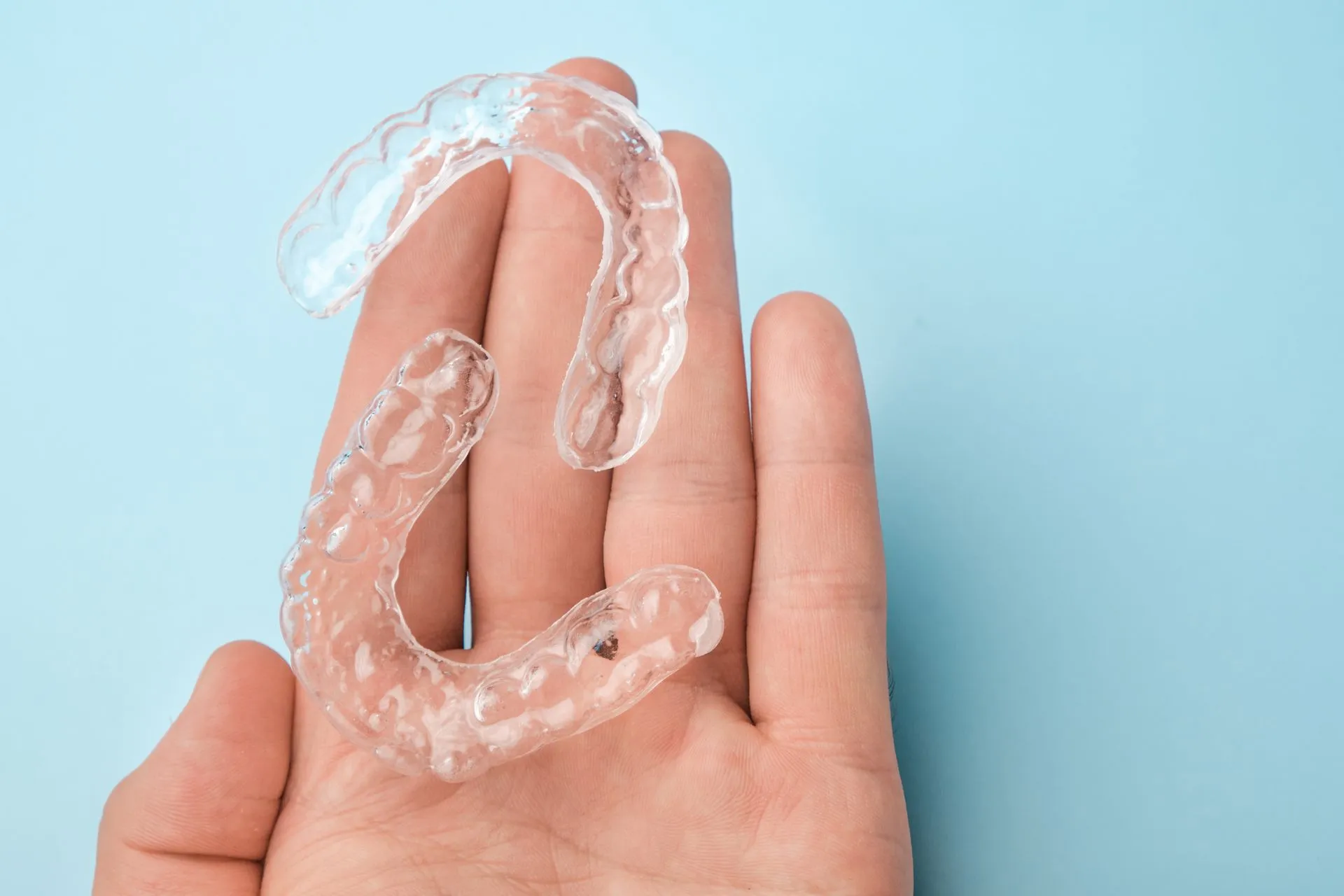
Avoid activities that may cause trauma to the tooth: activities that may cause trauma to the treated area, such as grinding teeth, biting hard objects, or engaging in impact sports without adequate protection, should also be avoided.
Take medications as prescribed: if the dentist prescribes medications, such as painkillers or antibiotics, it is essential to take them responsibly, following the instructions, to help control pain and prevent infections.
Keep follow-up appointments: it is crucial to follow the dentist's recommendations regarding follow-up appointments to monitor the treated tooth and make any necessary adjustments.
Maintain good oral hygiene: to ensure the longevity of the treatment, it is also important to brush your teeth at least twice a day, being careful not to apply too much pressure to the treated area. Additionally, it is essential to use dental floss to remove any residue that may have been left between the teeth.