
Learn more about the common causes of toothache and available treatments.
Toothache is one of the most common complaints from patients in dental consultations, often occurring unexpectedly and can have various origins. In fact, from issues like dental sensitivity to more complex conditions such as infections or deep cavities, it is essential to identify the cause of toothache to define the most appropriate treatment. In this article, we will explore the most frequent reasons for toothache and what treatments are available to relieve discomfort and restore your oral health.
What are the most common causes of toothache?
1. Dental cavities
A dental cavity is one of the main causes of toothache. This occurs when the bacteria present in the mouth produce acids that erode the dental enamel, creating cavities. In the early stages, a cavity may not cause pain, but as it progresses and reaches the deeper layers of the tooth - even reaching the nerve - it can cause discomfort, toothache, and infections.
Treatment: The treatment for dental cavities consists of removing them by restoring the affected portion of the tooth through direct restorations (composite resin), indirect restorations (ceramics) or, in more advanced cases, if the cavity is deep and reaches the nerve, to its devitalization (endodontics).
2. Dental sensitivity
When consuming very hot, cold, sweet, or acidic foods or drinks, many people experience sharp tooth pain that may indicate dental sensitivity. This occurs when the dentin, the inner layer of the tooth, becomes exposed, usually due to gum recession or enamel wear (the outermost layer).
Treatment: The best way to address this problem is to identify the underlying cause and treat the issue that is at its root. Nevertheless, specific toothpaste for sensitive teeth, fluoride varnishes, as well as careful brushing to avoid applying too much pressure can be sufficient to resolve the issue. Whenever you experience dental sensitivity, you should consult a dentist to identify and treat the root cause of the problem.
3. Infections and dental abscesses
A dental infection can cause intense pain and general discomfort. Dental abscesses result from a dental infection and occur when certain bacteria penetrate the nerve of the tooth, forming a pus-filled pocket. These cases require immediate treatment, as they can lead to serious complications, such as the spread of infection to other areas of the body, known as septicemia.
Treatment: Initially, to help eliminate the infection, the abscess may need to be drained. Concurrently, medication, particularly anti-inflammatories and antibiotics, may be recommended to complement the treatment, helping to control tooth pain and reduce the infection. In more severe cases, it may be necessary to proceed with the extraction of the affected tooth when it can no longer be salvaged.
4. Gingivitis and periodontitis
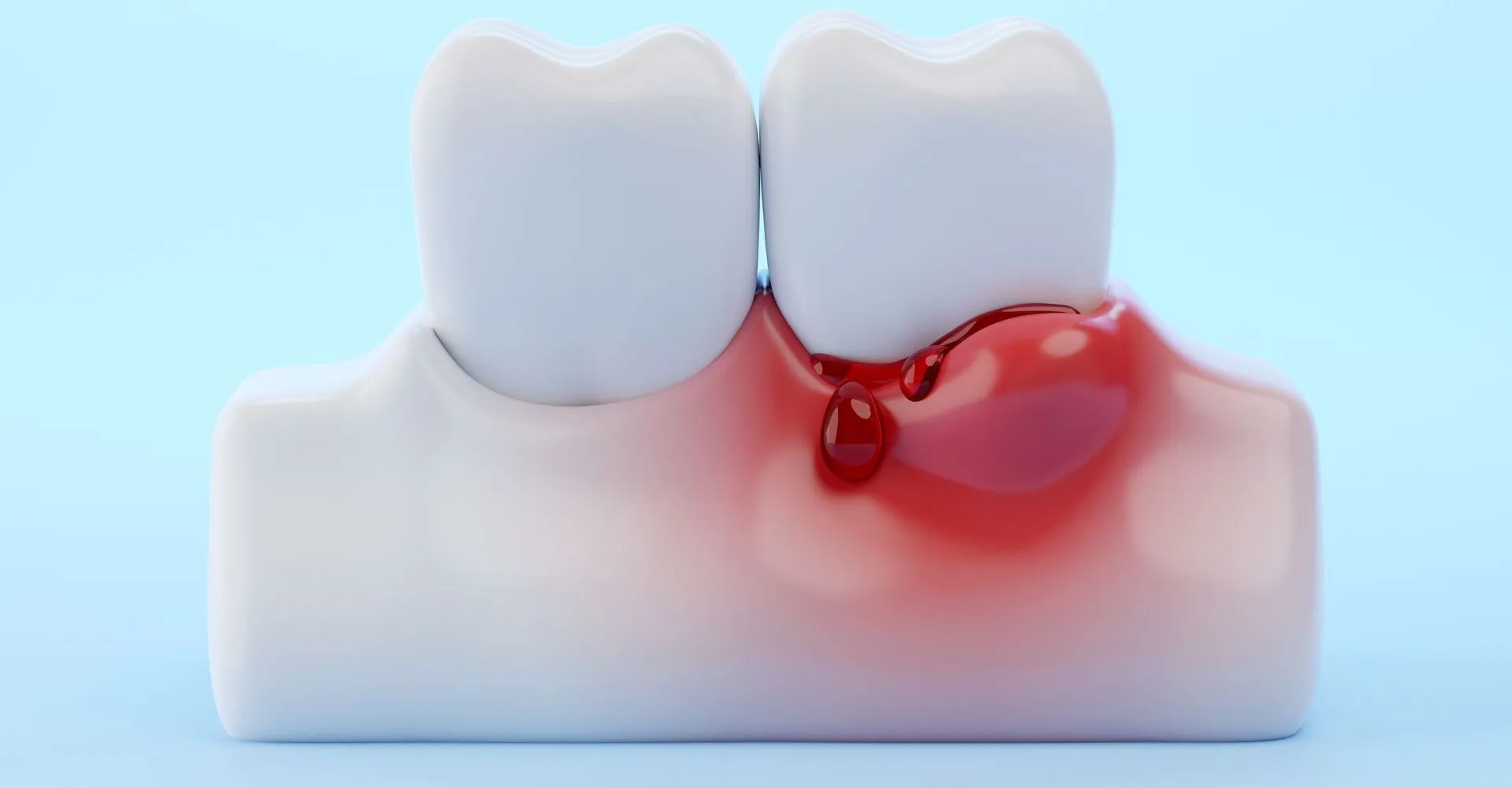
Complications such as gum inflammation (gingivitis) can cause discomfort and lead to spontaneous bleeding or bleeding during brushing. If left untreated, this condition can progress to periodontitis, a more serious infection that affects the supporting tissues of the tooth, leading to tooth mobility and, eventually, tooth loss.
Treatment: Ensuring proper oral hygiene through brushing at least three times a day and using dental floss, as well as regular consultations with a dentist or dental hygienist, which allow for professional cleanings and specific treatments, can prevent and control these conditions and ensure timely treatment.
5. Wisdom teeth
The third molars, known as wisdom teeth, can cause pain when there is not enough space for them to position correctly in the arch. They tend to erupt between the ages of 17 and 21, which can lead to gum inflammation, infections, and even misalignment of adjacent teeth.
Treatment: Depending on the situation, which should always be evaluated by the dentist, the extraction of the problematic wisdom tooth may be recommended to prevent future complications.
6. Tooth fractures
A fractured tooth can cause intense tooth pain, especially when chewing or when exposed to extreme temperatures. Dental fractures can be caused by factors such as trauma, cavity or bruxism (the act of grinding teeth), and their severity depends on how much of the tooth is fractured and whether it reaches the tooth's nerve or not.
Treatment: The treatment for dental fractures varies depending on the severity of the fracture, which may include bonding the fractured piece (if intact), restorations, crowns, or, in more severe cases, endodontic treatment (devitalization) or even extraction of the tooth in question (in cases where it is not restorable).
7. Temporomandibular joint (TMJ) issues
Tooth pain can also originate from the temporomandibular joint, which is responsible for the movement of the jaw. Factors such as stress, bruxism, or tooth misalignment can cause pain in the jaws, as well as discomfort or even difficulty in opening and closing the mouth.
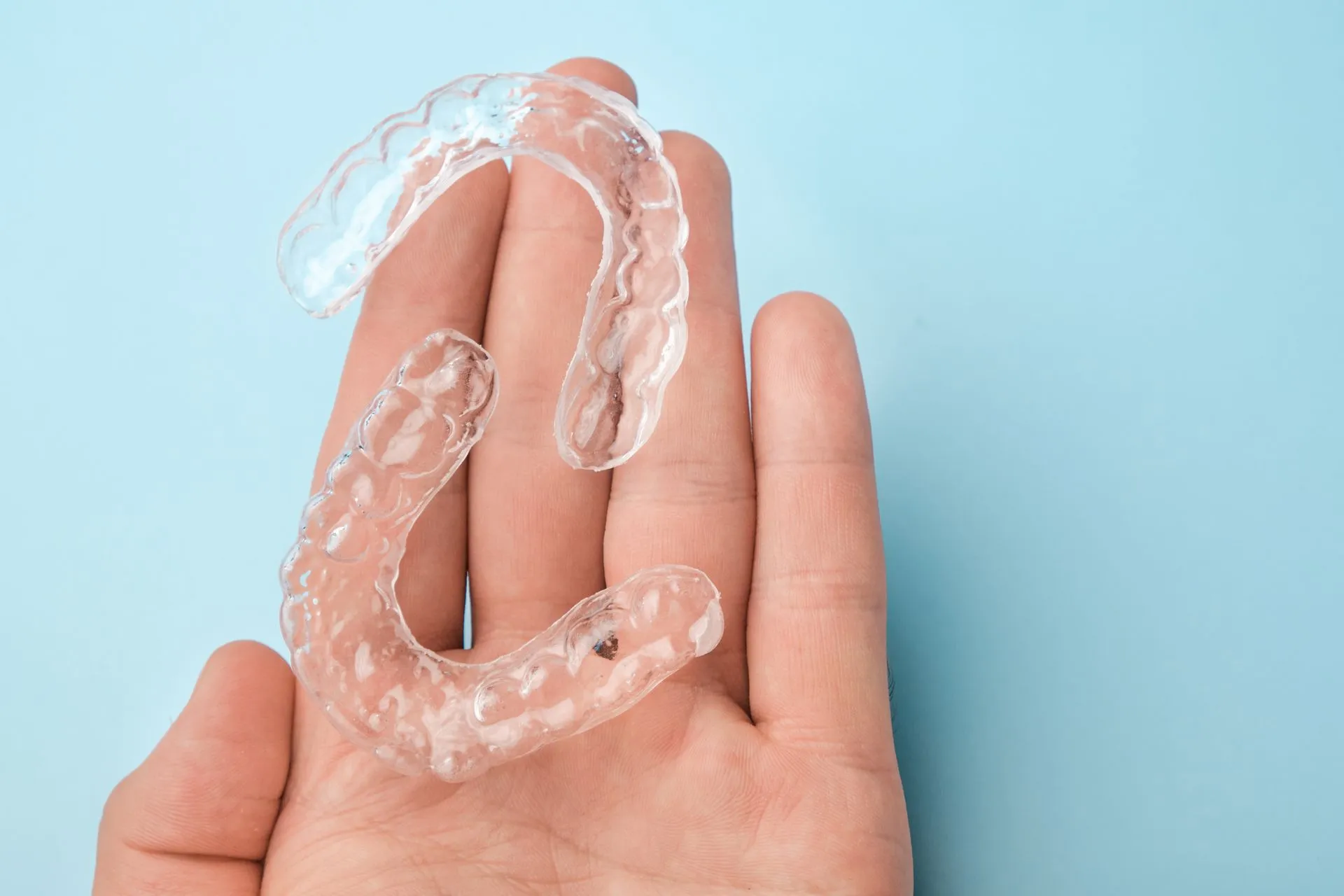
Treatment: Using relaxation devices, undergoing jaw physiotherapy, or adopting relaxation techniques are some of the recommended approaches to treat this issue and avoid discomfort in the jaw.
Regardless of the type of tooth pain, it is essential to consult a dentist before starting any procedure to identify precisely what the cause is and the most appropriate treatment.

But how can you relieve toothache until the appointment?
If you are experiencing toothache and have not yet managed to schedule an appointment, there are some measures you can take to temporarily relieve the tooth pain and discomfort. Some tips include:
Rinse your mouth with warm salt water: Warm salt water helps reduce inflammation and eliminate bacteria.
Use over-the-counter painkillers: These types of medications can provide temporary relief but should always be used in moderation.
Avoid very hot, cold, or acidic foods and drinks: Due to their characteristics, these can intensify the pain.
Apply ice: Placing ice on the area where you feel pain can help reduce inflammation in cases of swelling.
It is important to understand, however, that these measures are only meant to relieve pain and discomfort, not as a solution to the problem. For this reason, it is best to consult a dentist as soon as possible to identify and treat the cause of the pain.
Tooth pain should never be ignored, as it can be a sign of more serious issues. Regularly consulting a dentist, maintaining good oral hygiene, and being attentive to any discomfort are essential steps to ensure a healthy, pain-free smile. If you are experiencing tooth pain, do not hesitate to seek professional help, as early treatment can prevent complications and restore your comfort and well-being.