The cold is one of the great enemies of sensitive teeth. Discover why sensitivity increases at this time of year and what you can do to maintain comfort and oral health.
While in summer you can sometimes “ignore” that shock when drinking something cold, in winter the story takes a different turn. The cold air, hot drinks after a walk in the street, and even breathing through the mouth can turn a simple normal day into a series of small “shocks” to the teeth. That quick, sharp pain has a name: dental sensitivity, commonly referred to as sensitive teeth. And yes, it tends to worsen in the cold months.
Let's break it down: what is happening, why it happens more in winter, and, above all, how to prevent and treat it.
What is dental sensitivity, after all?
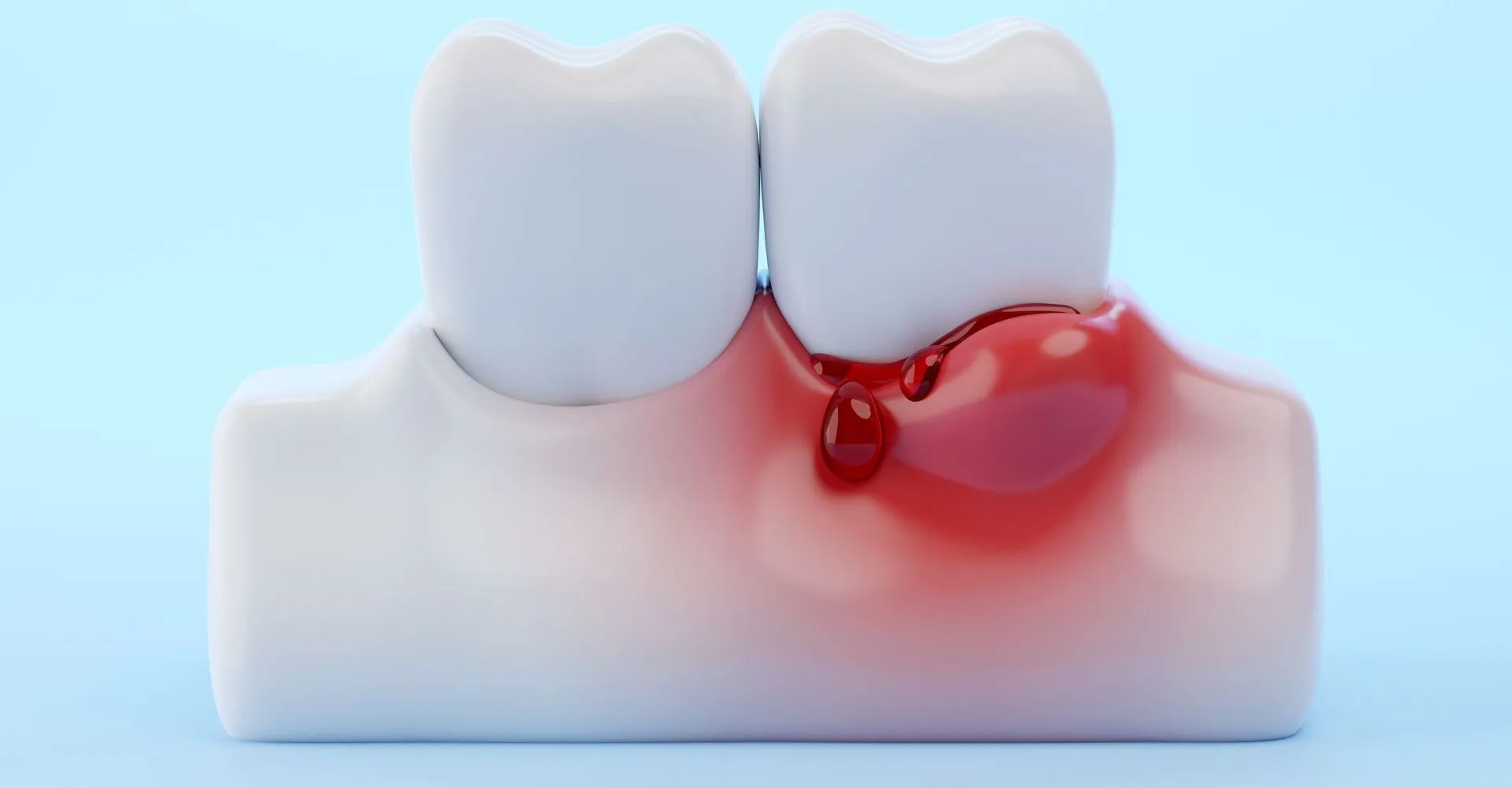
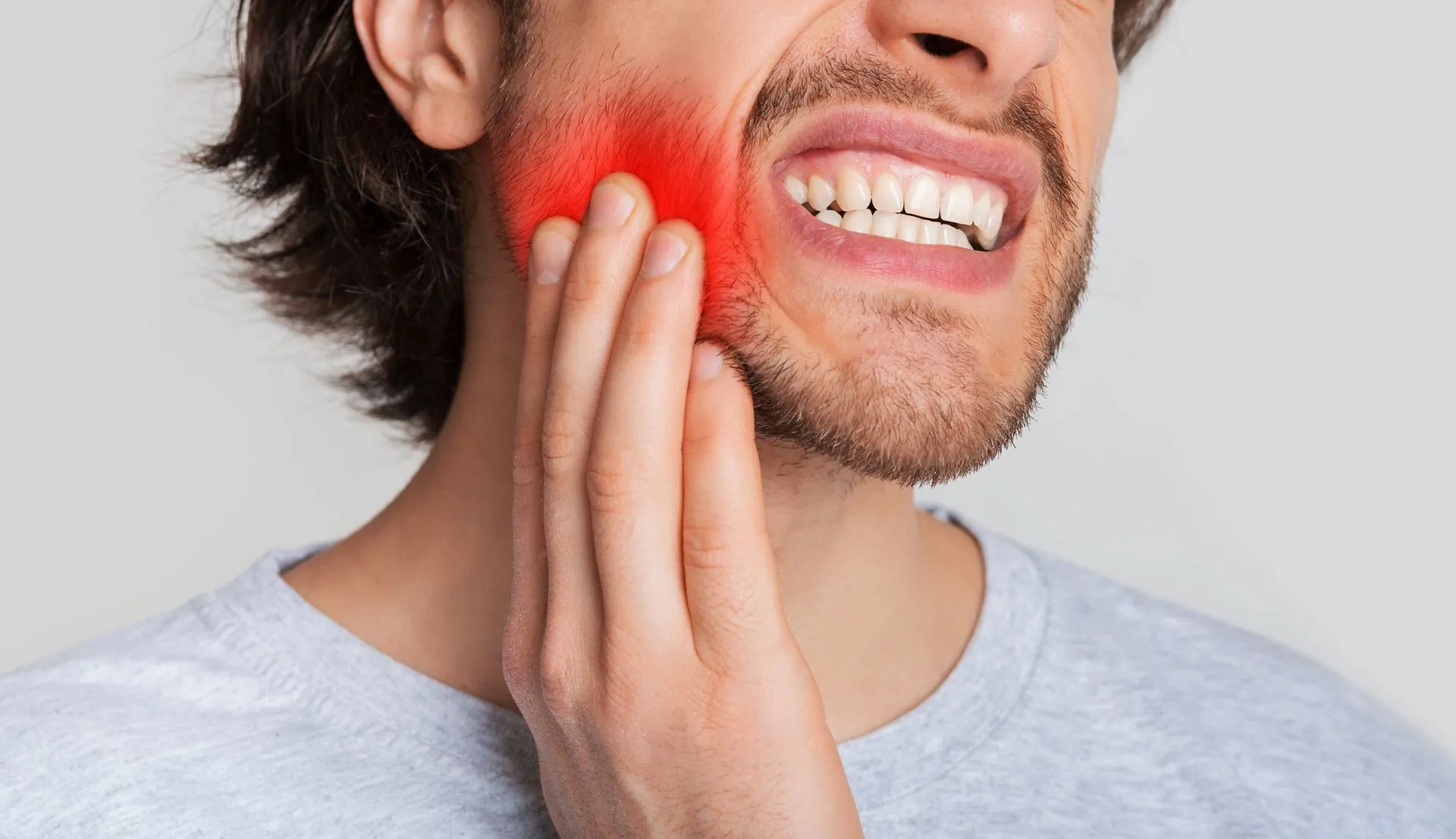
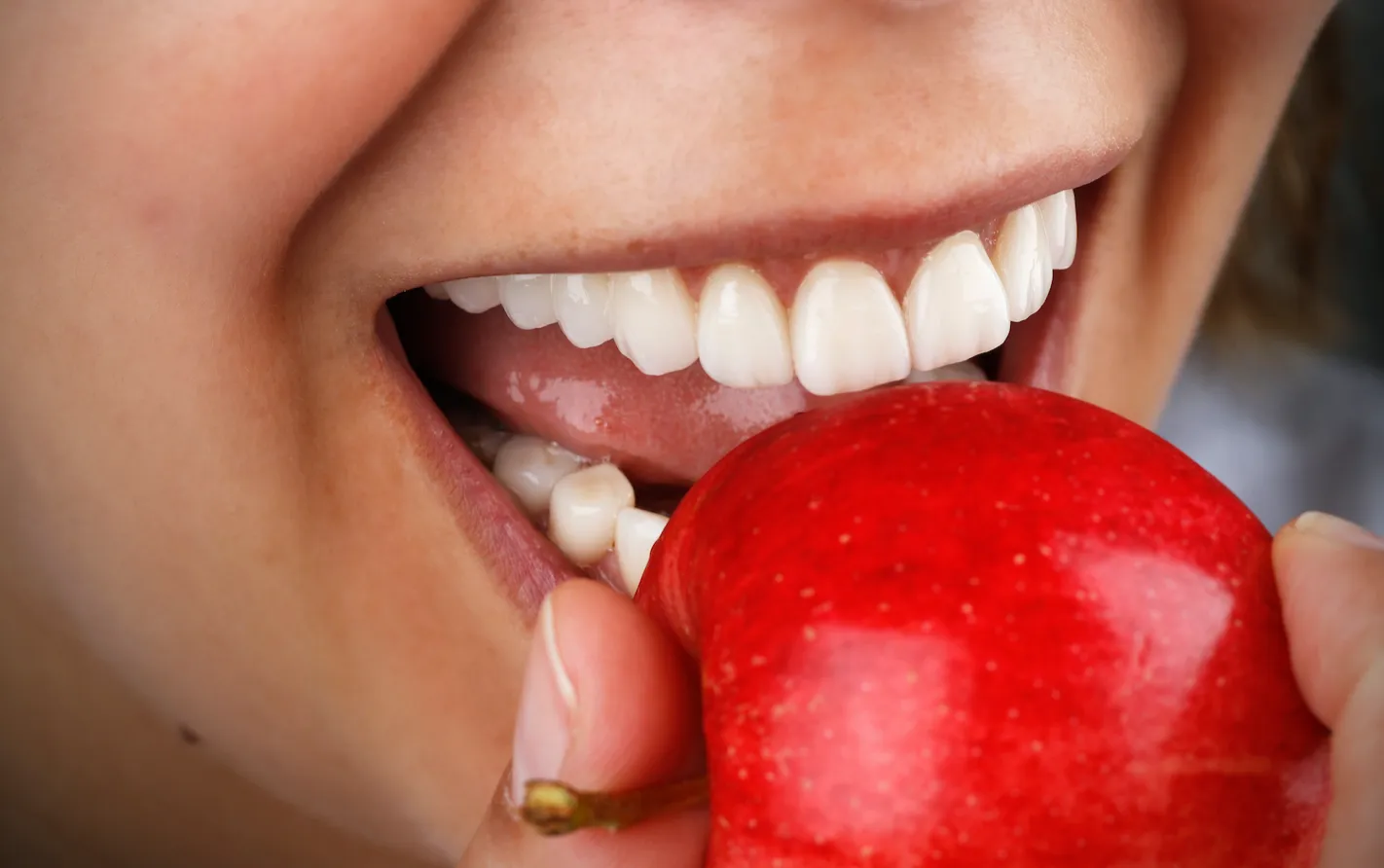
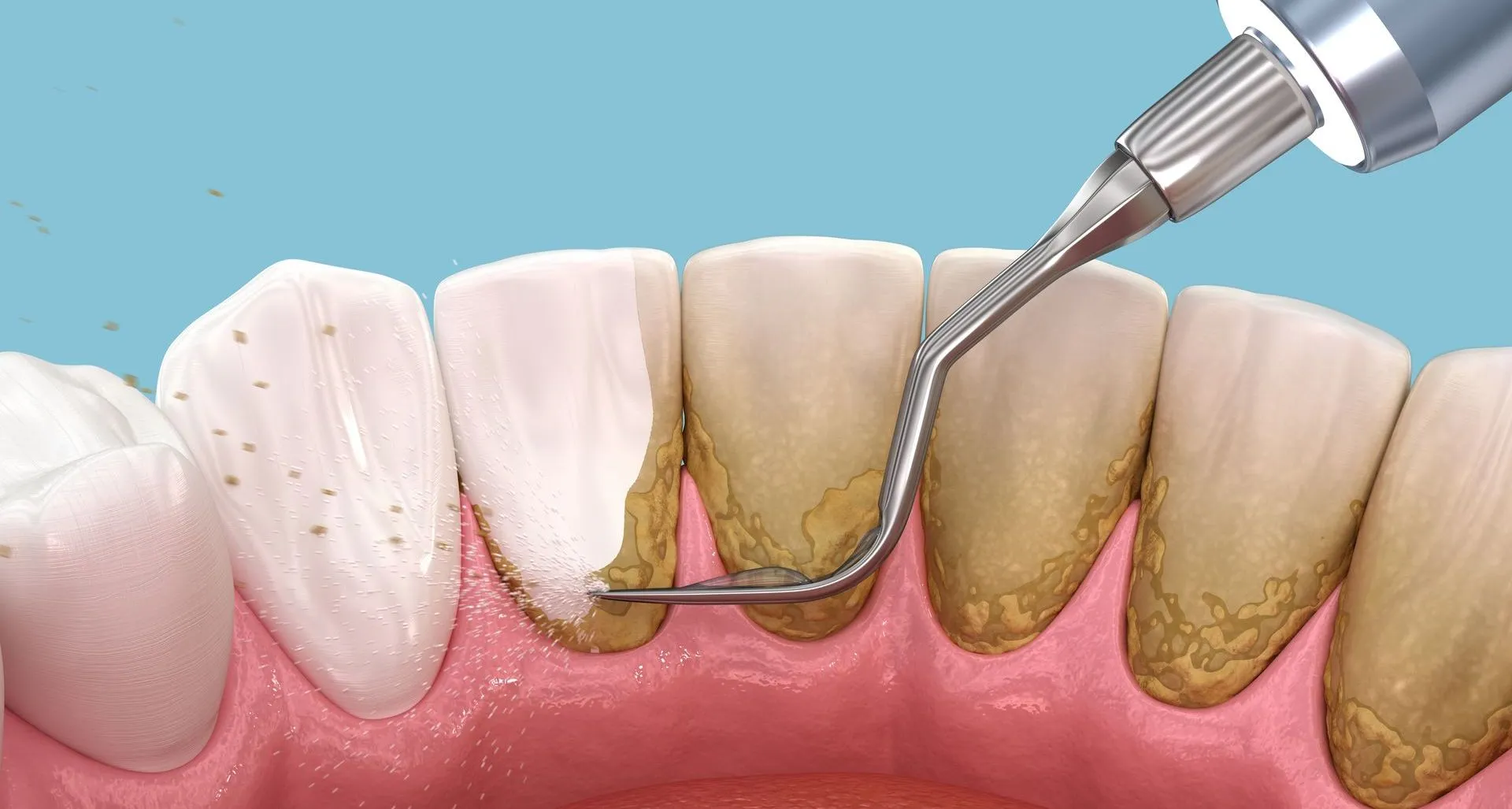
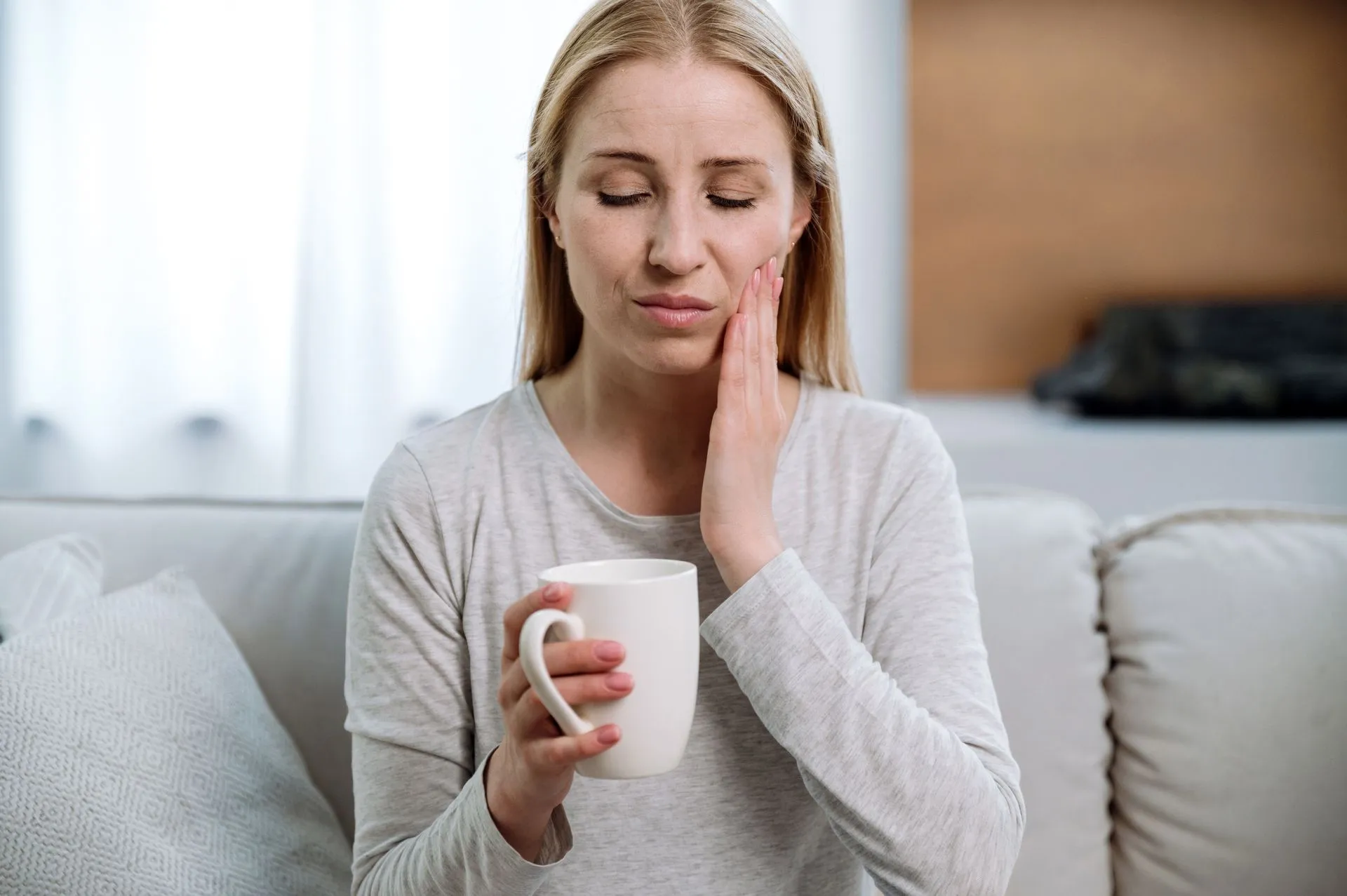
Dental sensitivity is a short, “shock”-like pain triggered by external stimuli such as cold, heat, sweet and/or acidic foods, or even just the simple touch of the toothbrush. It appears when the dentin - the inner layer of the tooth - is exposed and the dentinal tubules transmit the stimulus directly to the nerve.
The good news: in most cases, with simple measures it's easy to control and overcome.
The bad news: if ignored, it may be a sign of a larger problem.
Why does dental sensitivity worsen in winter?
1) More frequent thermal shock
In winter, we often alternate between extremes. For example, the cold air outside, a hot coffee, followed by a glass of cold water. This rapid variation makes the dentin “react” and can increase sensitivity and a feeling of pain.
2) Cold air hitting directly on the teeth
When you inhale cold air through your mouth, the cold reaches the enamel directly. If there are micro-cracks, gum recession, or wear, the stimulus reaches the dentin very quickly.
3) Drier mouth (and less natural “shield”)
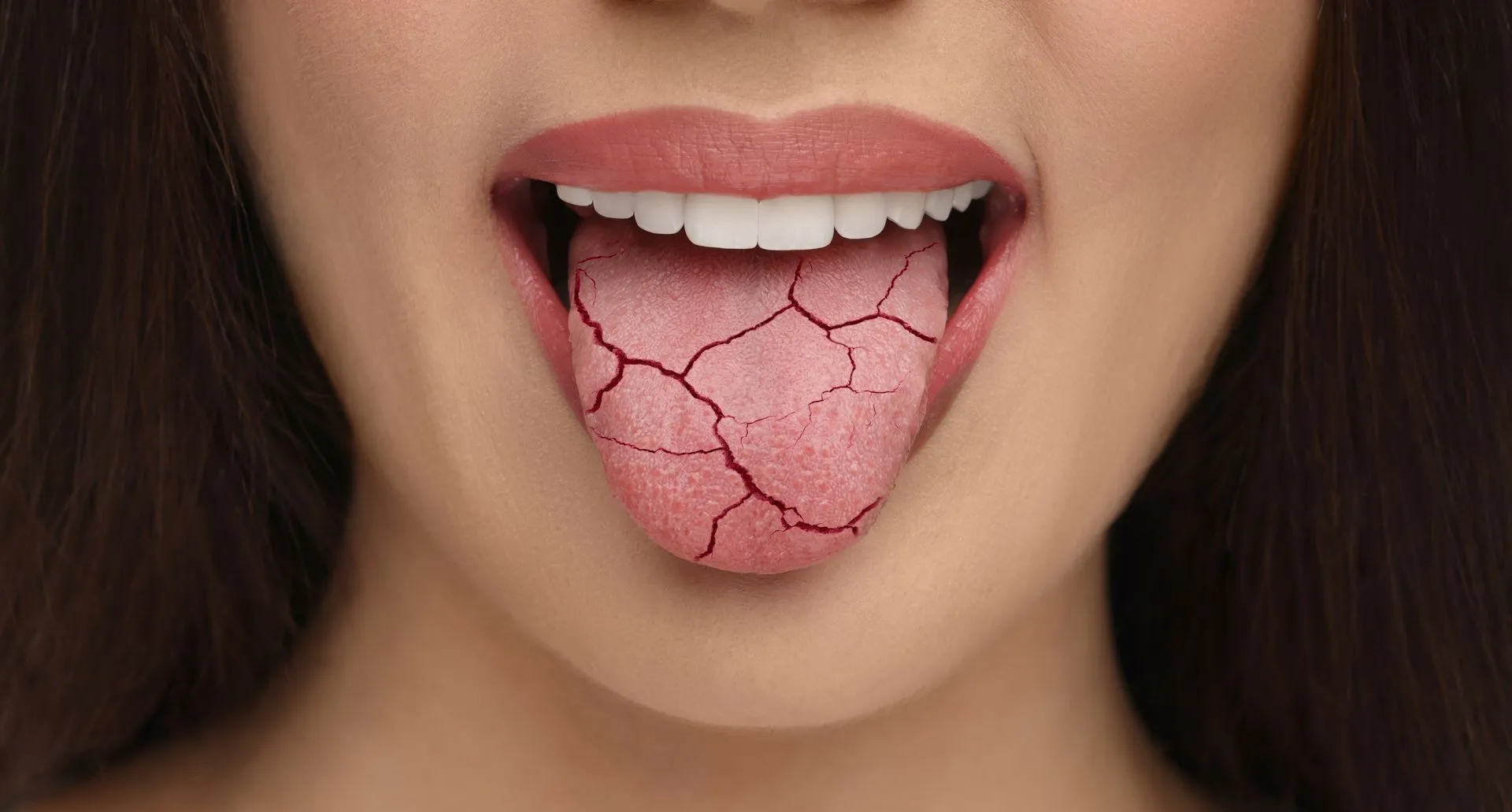
Winter often brings drier and warmer environments. This means a decrease in saliva production and consequently less natural protection. Saliva is responsible for remineralization and acid neutralization. With less saliva, the enamel (the protective shield of the tooth) becomes more vulnerable to erosion and wear. Thinner enamel means more exposed dentin and, consequently, more sensitivity to cold.
Main causes of sensitive teeth (regardless of the season)
Even though cold is the trigger, it only signals when something is behind it. The most common causes of tooth sensitivity include:
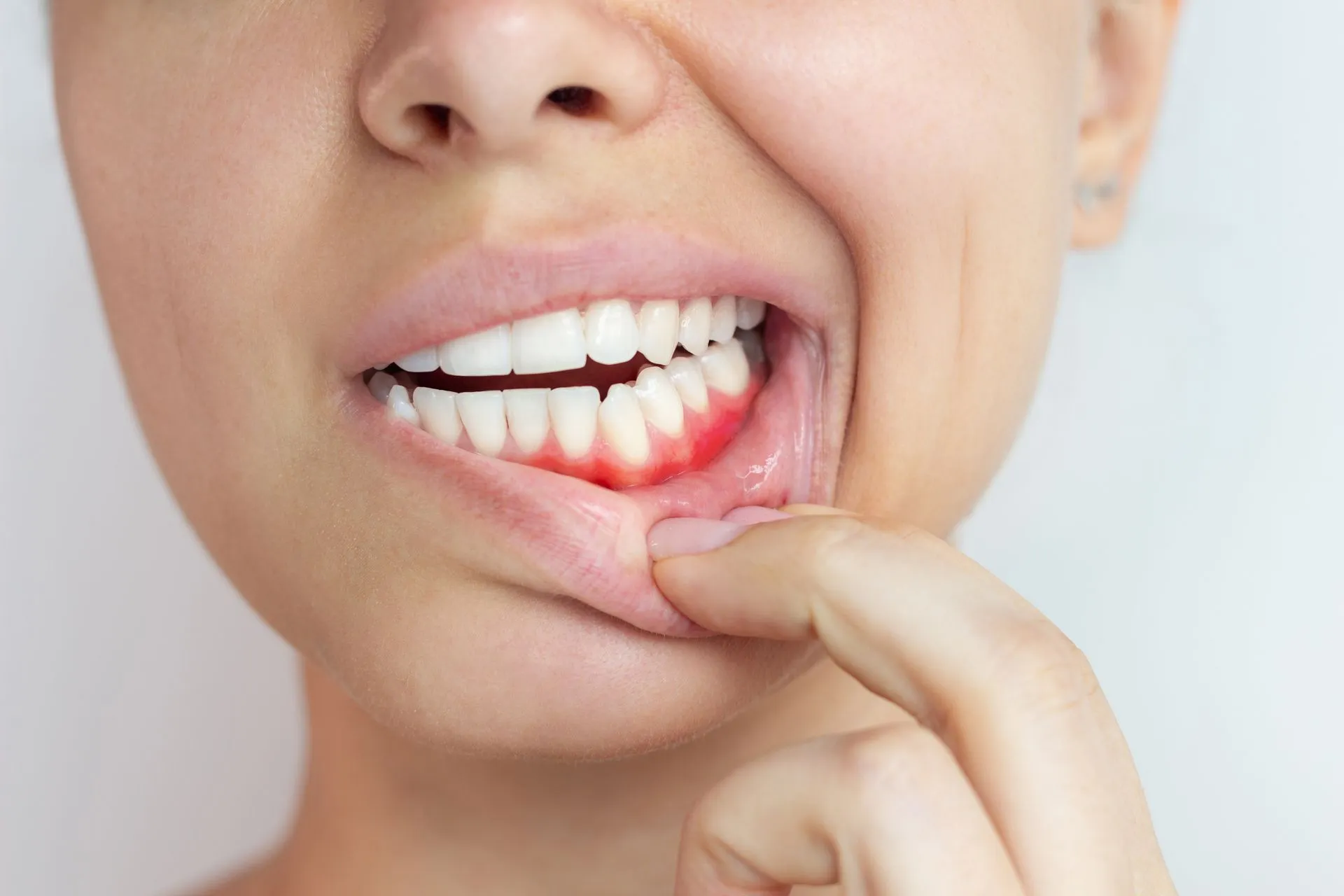
Gum recession: the gums recede and leave the root more exposed, which has less enamel and is therefore more unprotected.
Aggressive brushing or hard-bristled toothbrush: wears down enamel and irritates gums.
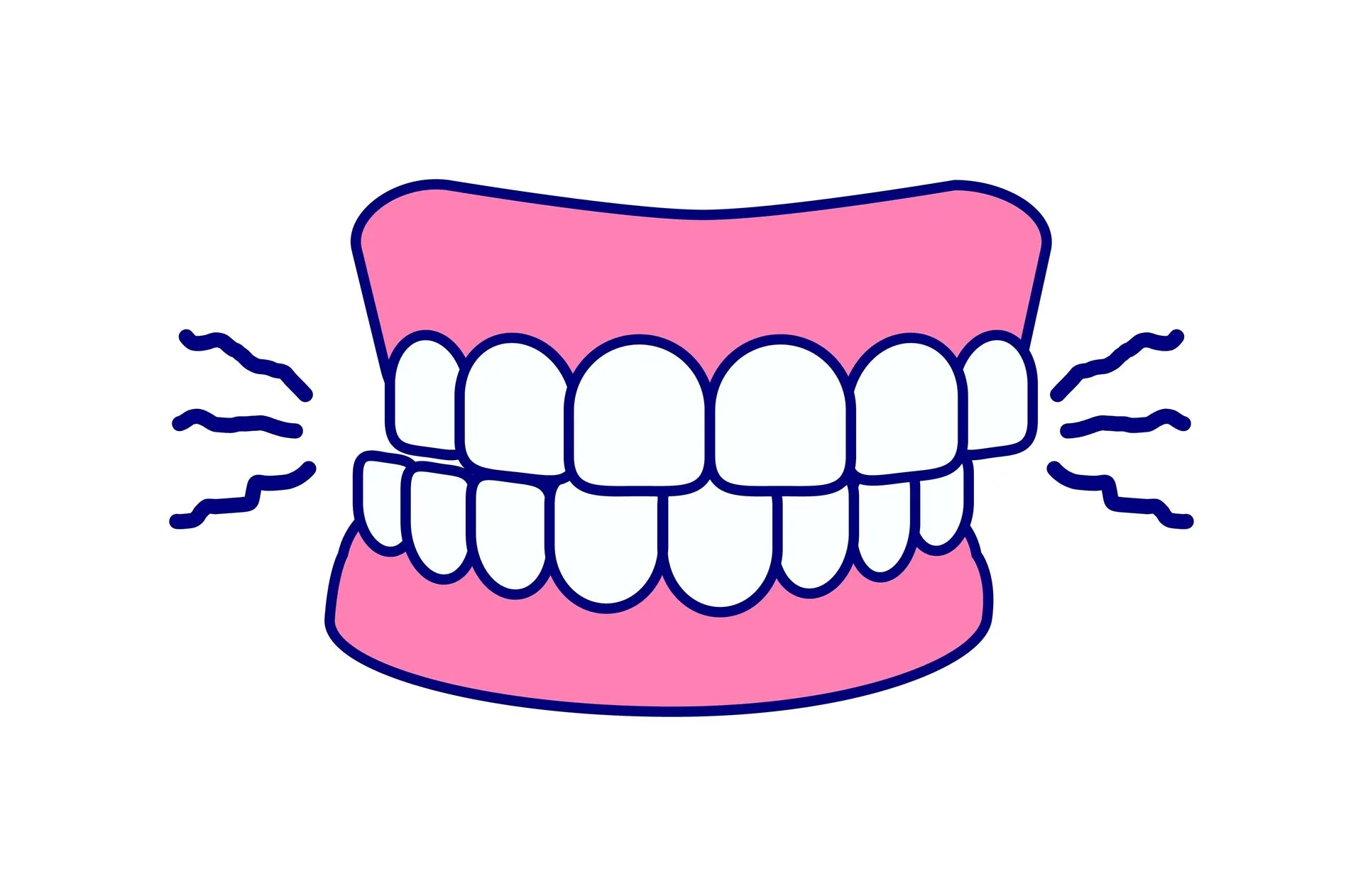
Bruxism (grinding/clenching): causes microfractures and wear.
Acid erosion: soda, citrus, wine, vinegar - all of these can contribute to enamel becoming more porous, reducing its protective effect.
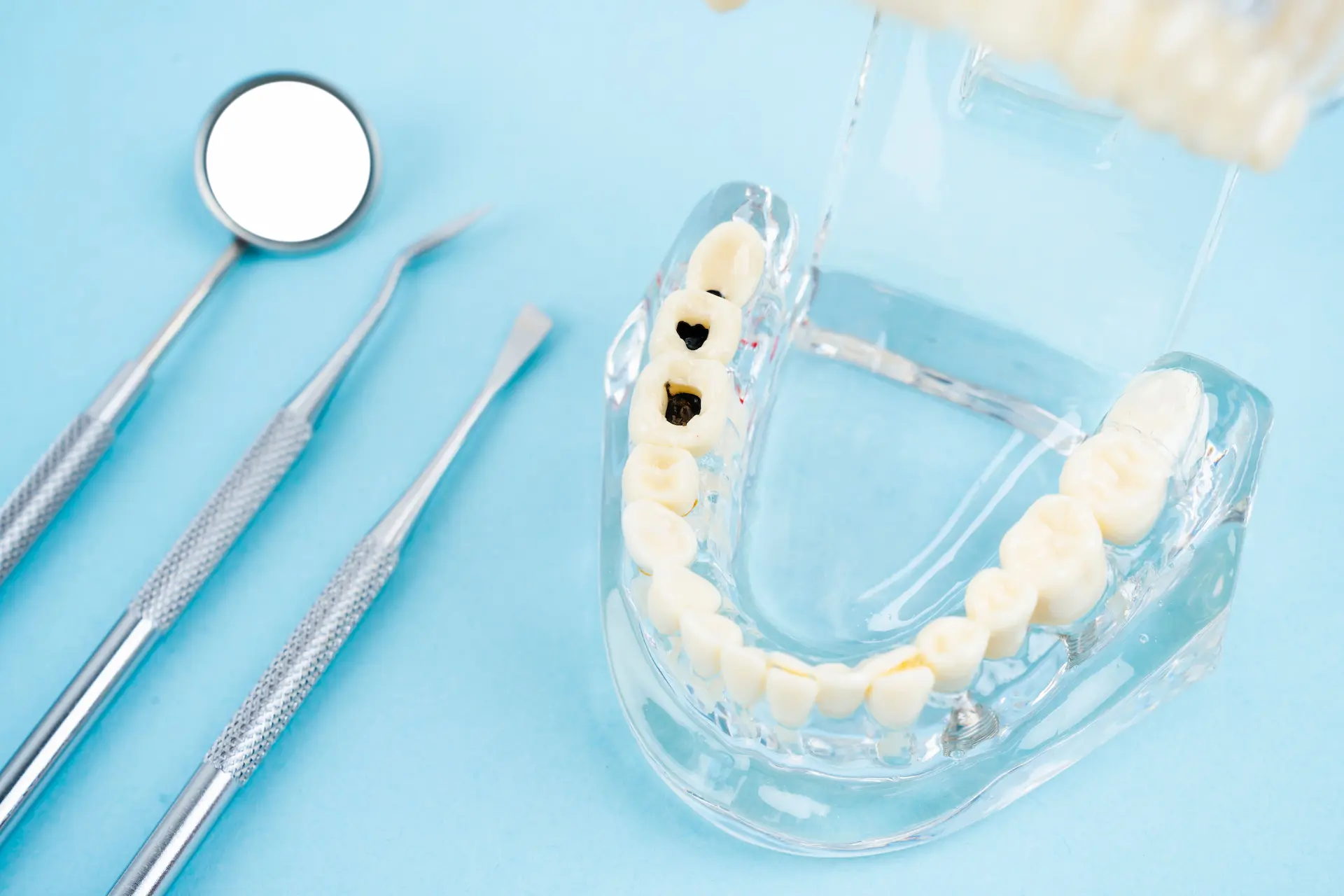
Cavities, infiltrated fillings or fractures:
How to prevent tooth sensitivity in winter
Here are some simple yet very effective measures to prevent tooth sensitivity, especially in the winter.
Use a toothpaste for sensitive teeth
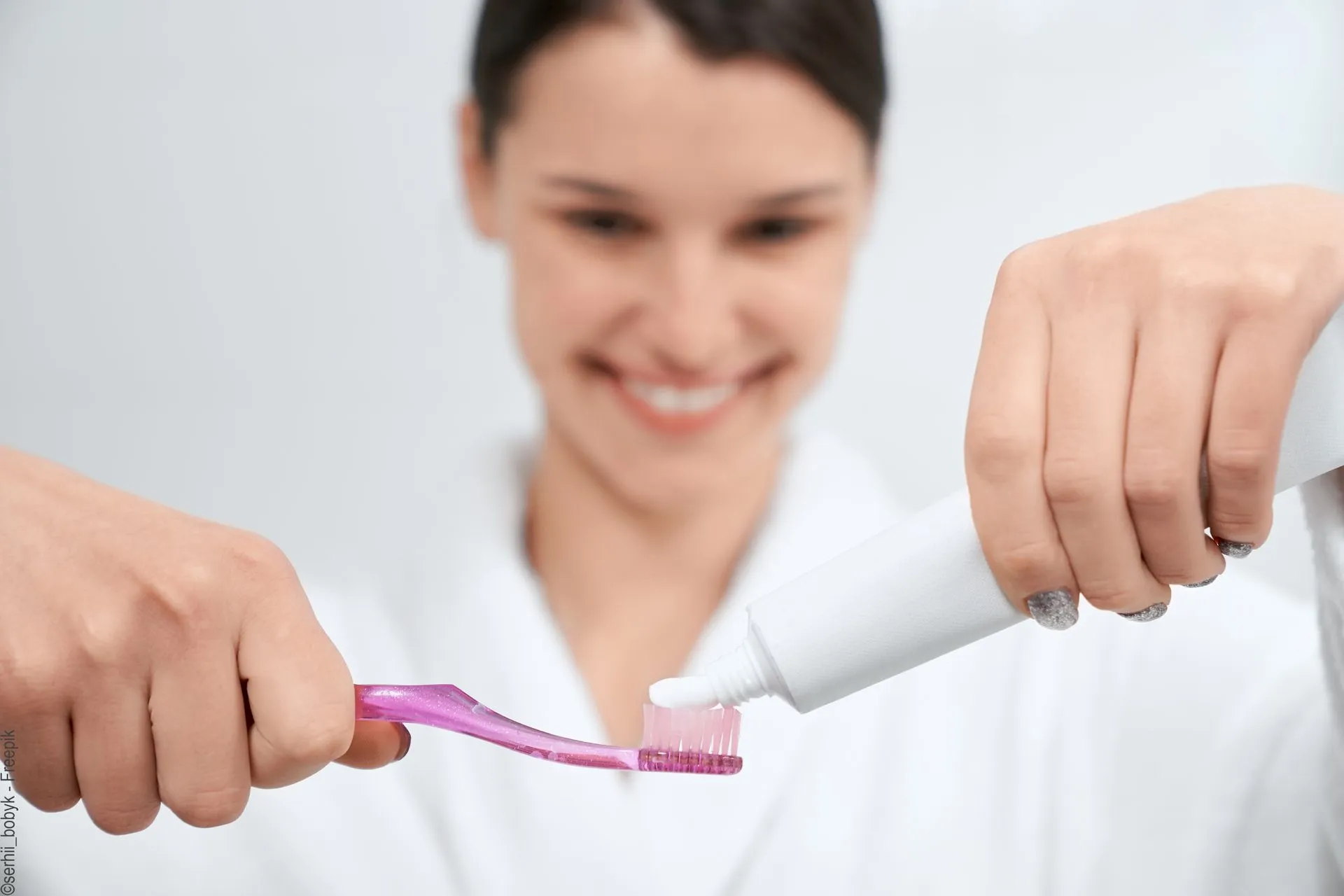
Look for toothpastes with desensitizing agents, such as potassium nitrate, sodium fluoride, or hydroxyapatite. These agents help to block the dentinal tubules and remineralize the enamel.
Practical tip: it's not an "immediate miracle." The effect usually appears after 2–4 weeks of daily use.
Brush with a gentle technique
No “grinding” the teeth. Use a soft toothbrush and gentle strokes, especially along the gum line. Aggressiveness and excessive pressure during brushing are among the main causes of tooth sensitivity.
Avoid extremes of temperature in quick succession
If you've been outside in the cold, wait 2 to 3 minutes before drinking something very hot. And vice versa: avoid drinking something hot and then eating a cold food.
It may seem a small detail, but reducing thermal shock helps control sensitivity.
Moderate the consumption of very acidic foods
You don't have to live without orange or wine. However, “repeated acid attacks.” If you consume something acidic, wait 20–30 minutes before brushing your teeth so that the mouth's pH has normalized at the time of brushing.
Protect yourself from bruxism
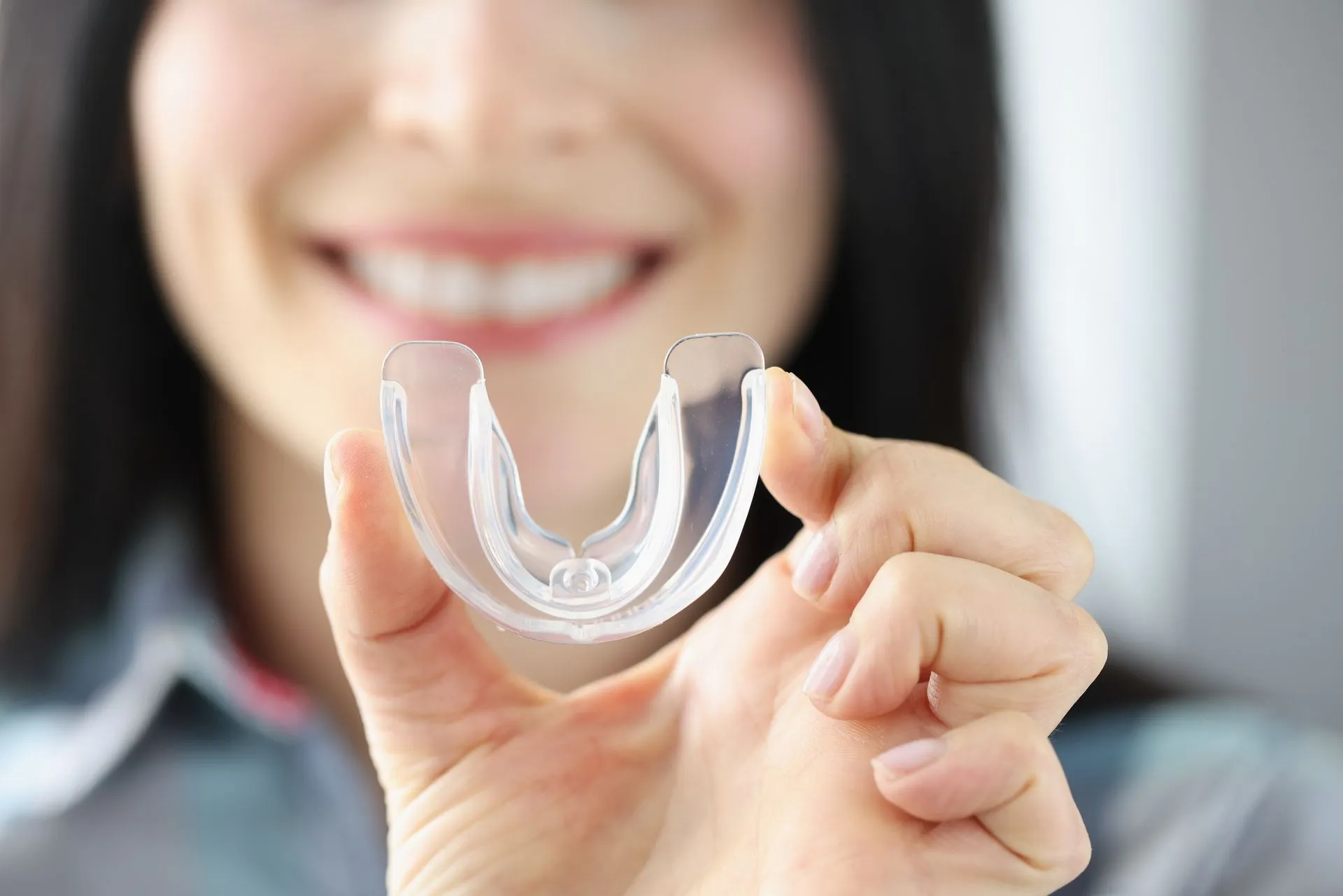
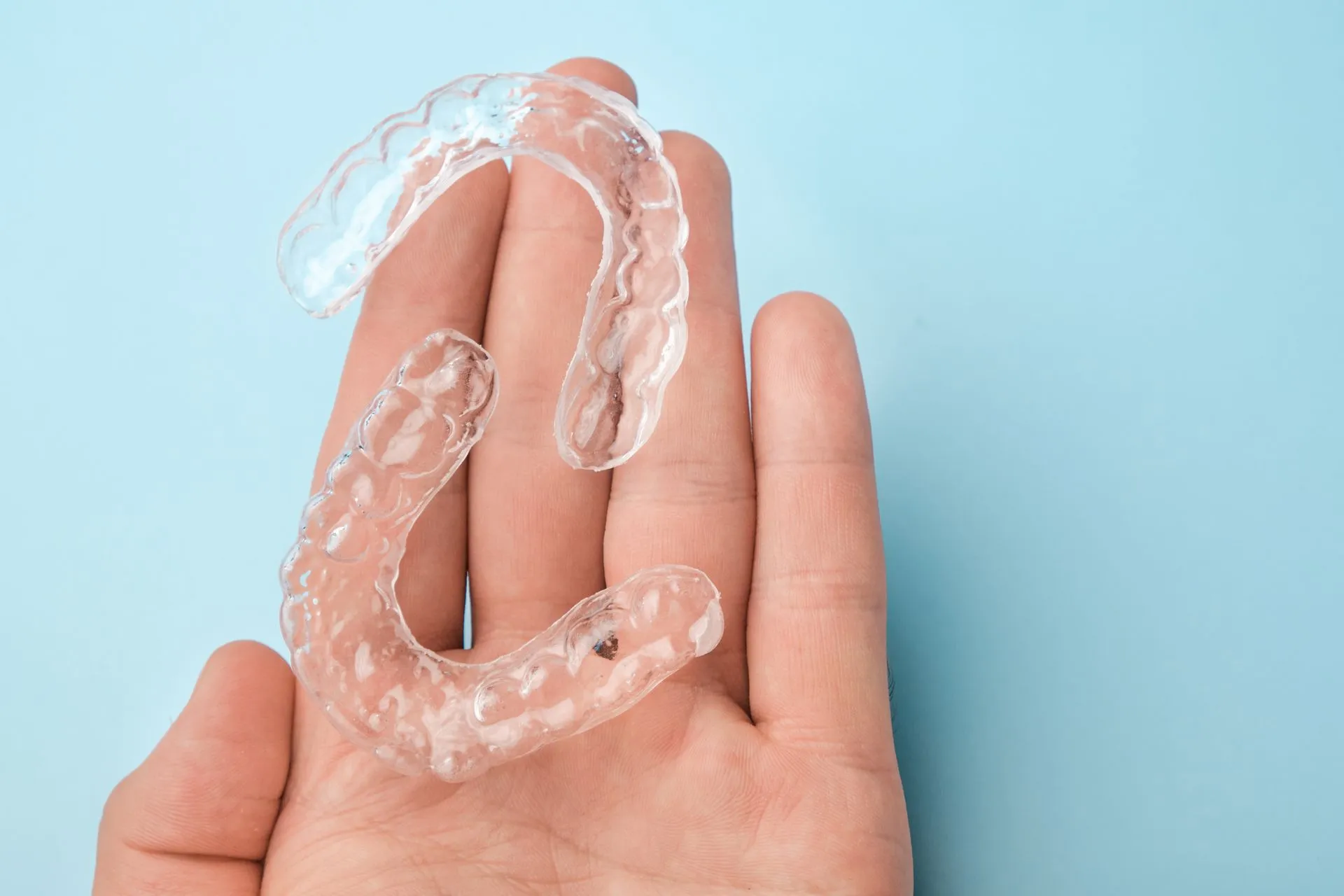
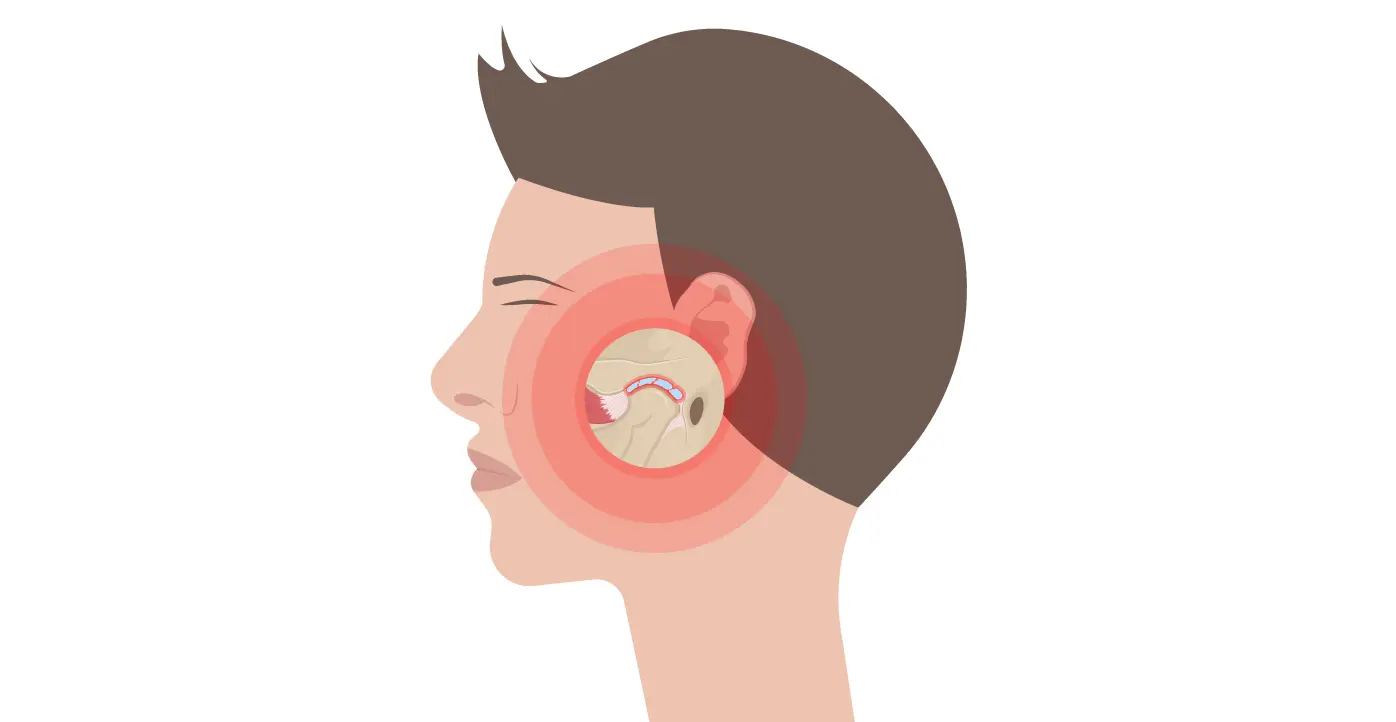
If you wake up with jaw pain, a feeling of “tired” teeth, or visible wear, talk to your dentist because you are most likely suffering from bruxism. In this case, speak to your dentist about a protective mouthguard. The combination of bruxism and cold can mean double sensitivity.
Breathe through your nose whenever possible
Breathing through your mouth cools the tooth surface and increases pain. In winter, this is very noticeable.
What can you do at home when tooth sensitivity is already a reality
Continue using desensitizing toothpaste.
Use desensitizing gel
Avoid brushing immediately after painful stimuli (give the area time to calm).
Fluoride reinforcement, according to the recommendation of your dentist or oral hygienist, can help remineralize tooth enamel.
Avoid “aggressive home remedies” (lemon, baking soda, activated charcoal). These ingredients can worsen erosion and inflame gums.
When does tooth sensitivity require professional follow-up?
If the sensitivity:
lasts more than 2–3;
is localized in a single tooth;
appears spontaneously (without cold/food);
is accompanied by pain when chewing;
or worsens progressively…
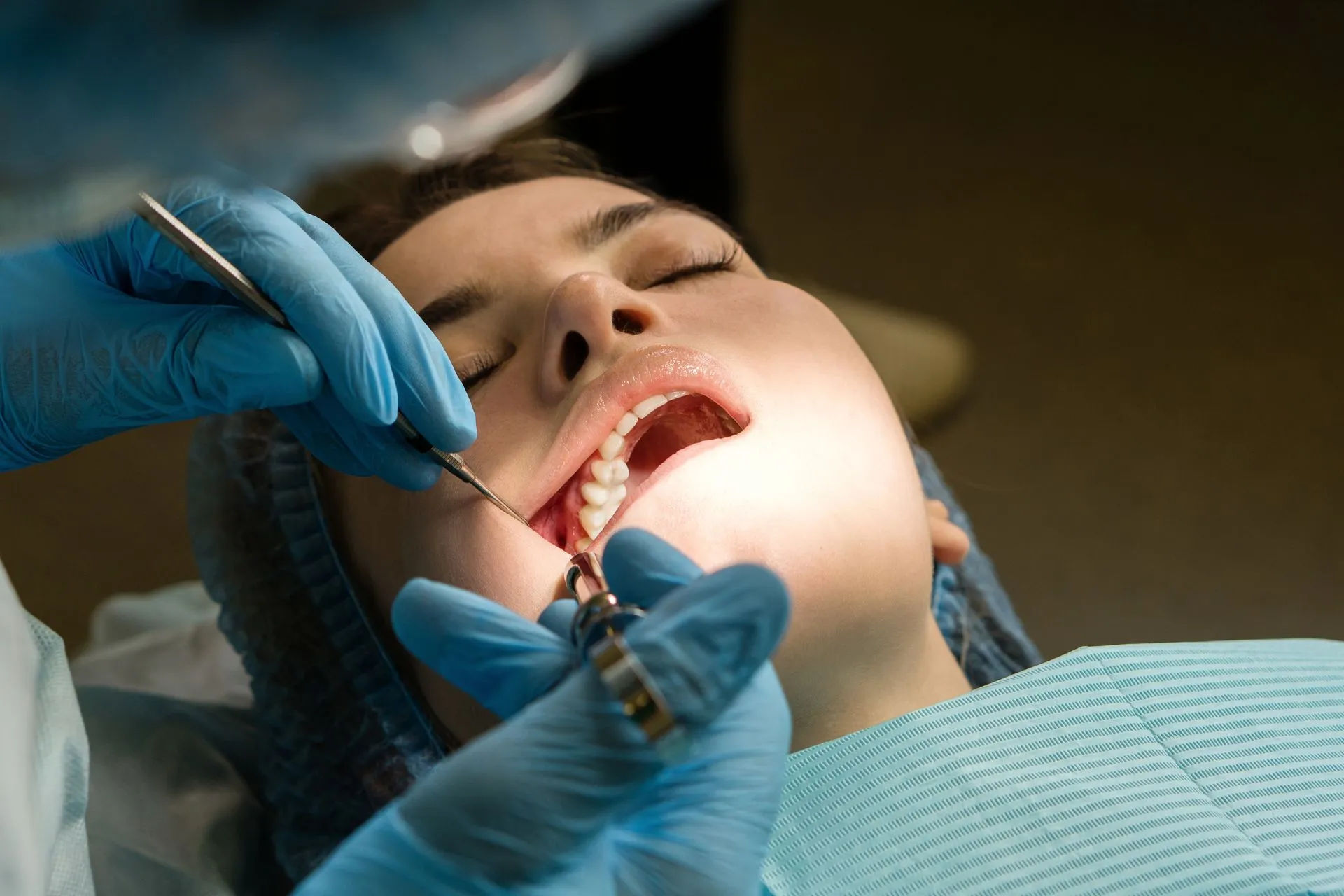
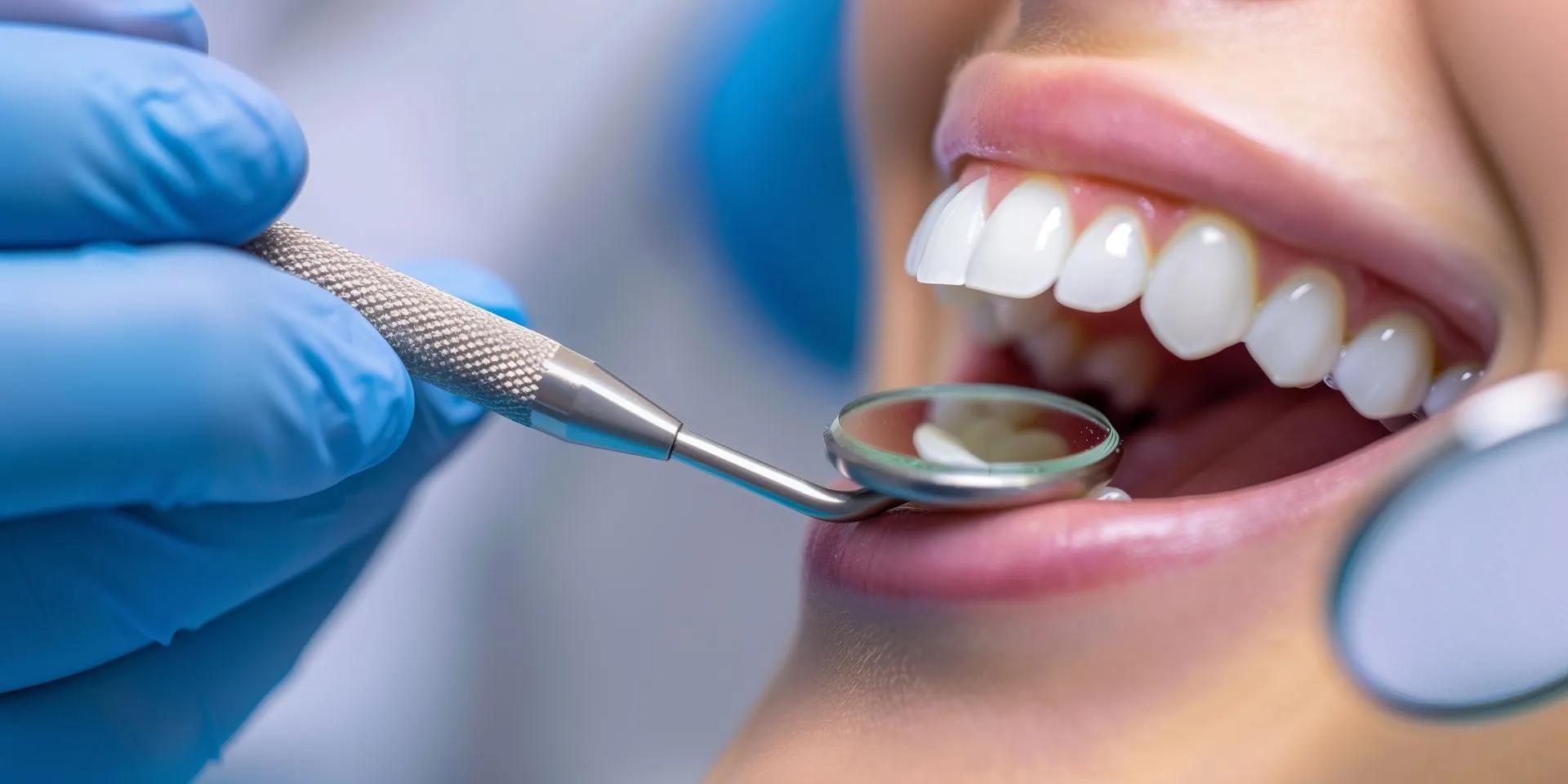
.. then it means we are not just facing “sensitive winter teeth.” There may be dental decay, fissure, pulp inflammation, or gum recession that require follow-up and specific treatment by an oral health professional.
Professional treatments for tooth sensitivity
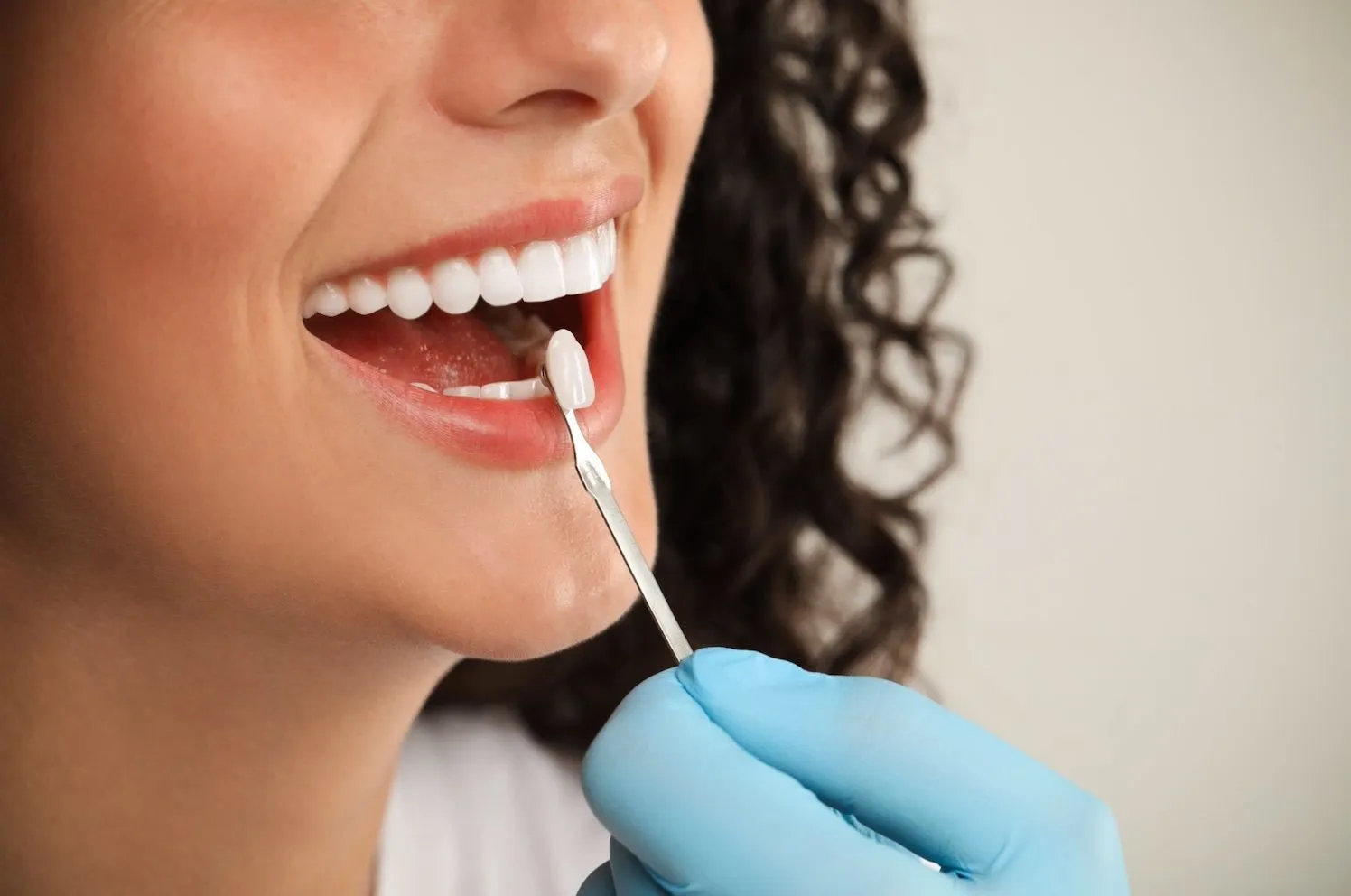
Depending on the cause, your oral hygienist or dentist may recommend:
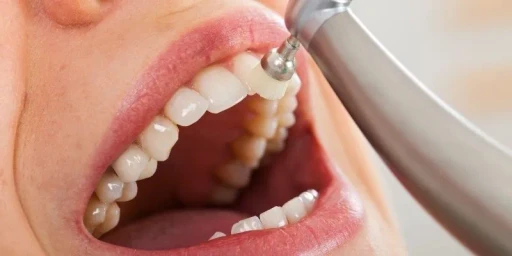
In-office application of fluoride varnishes or desensitizing agents;
Sealants/adherents to cover exposed dentin;
Correction of restorations with infiltration;
Periodontal treatment if there is advanced gum recession;
Relaxation splint for bruxism when it is the cause of dental wear.
Winter mini-checklist for sensitive teeth
Daily use toothpaste for tooth sensitivity.
Soft brush + gentle brushing.
Less thermal shock.
Attention to acids.
Hydration and nasal breathing.
Consult if it persists or worsens.
Tooth sensitivity in winter is not an inevitable curse; it is a sign. Cold increases discomfort because it intensifies stimuli in teeth that already have more vulnerable dentin. By understanding the causes (wear, gum recession, bruxism, acid erosion, or cavities) and applying simple prevention strategies, you can get through the cold season with much more comfort.
Do not ignore this golden rule: if your body is saying “ouch!”, it is undoubtedly a warning sign that should not be ignored. A sensitive tooth today can be a bigger problem tomorrow, but it can also be resolved simply when diagnosed early.