
Do you suffer from pain when chewing, in the jaw, mouth or ear? We explain.
Do you feel pain when chewing, in the jaw, in the mouth or near the ear? We can help identify the problem and treat it effectively.
If you have noticed a popping sound in your jaw when opening your mouth, discomfort when chewing, or even a strange sensation near your ear, you may be dealing with Temporomandibular Joint Dysfunction (TMD). This condition affects thousands of people and, if not properly diagnosed and treated, can impact your quality of life. At MALO CLINIC, we follow a scientific and neurophysiological approach to restore balance to your oral health. Depending on the diagnosis, treatment may involve a multidisciplinary team, such as physiotherapists, osteopaths, speech therapists, otolaryngologists (ENTs), and rheumatologists, ensuring that all your needs are addressed.
What is Temporomandibular Joint Dysfunction (TMD)?
The Temporomandibular Joint (TMJ) is essential for opening and closing the mouth, chewing, and speaking. When there is an imbalance in its functioning – whether due to muscular, articular, or neurological issues – symptoms such as pain, clicking, or difficulty moving may arise. In our approach, we understand that TMD is not just a local issue but a reflection of how the facial neuromuscular system is functioning.
TMD Symptoms: how to identify the problem?
Symptoms vary, but the most common include:
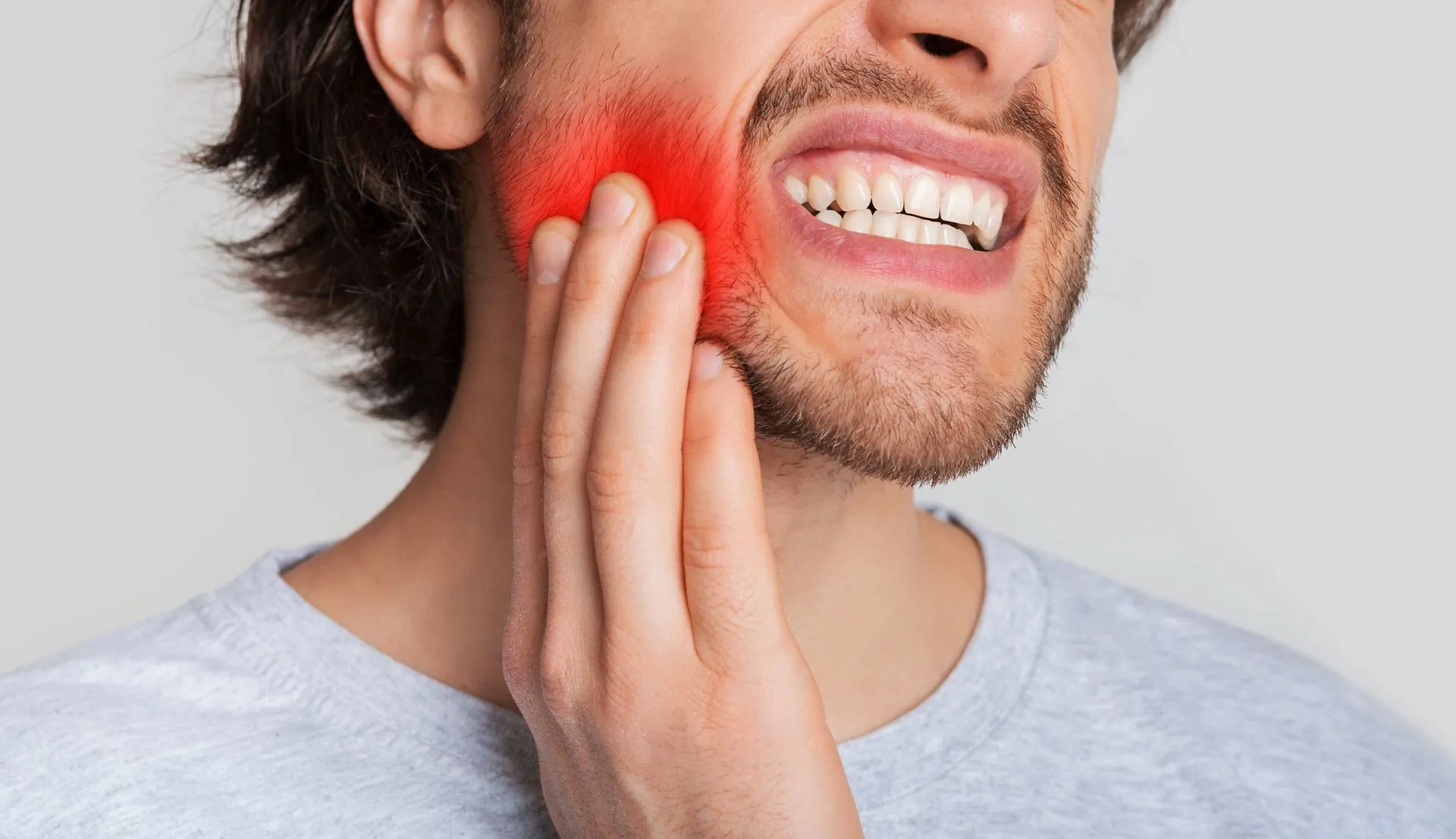
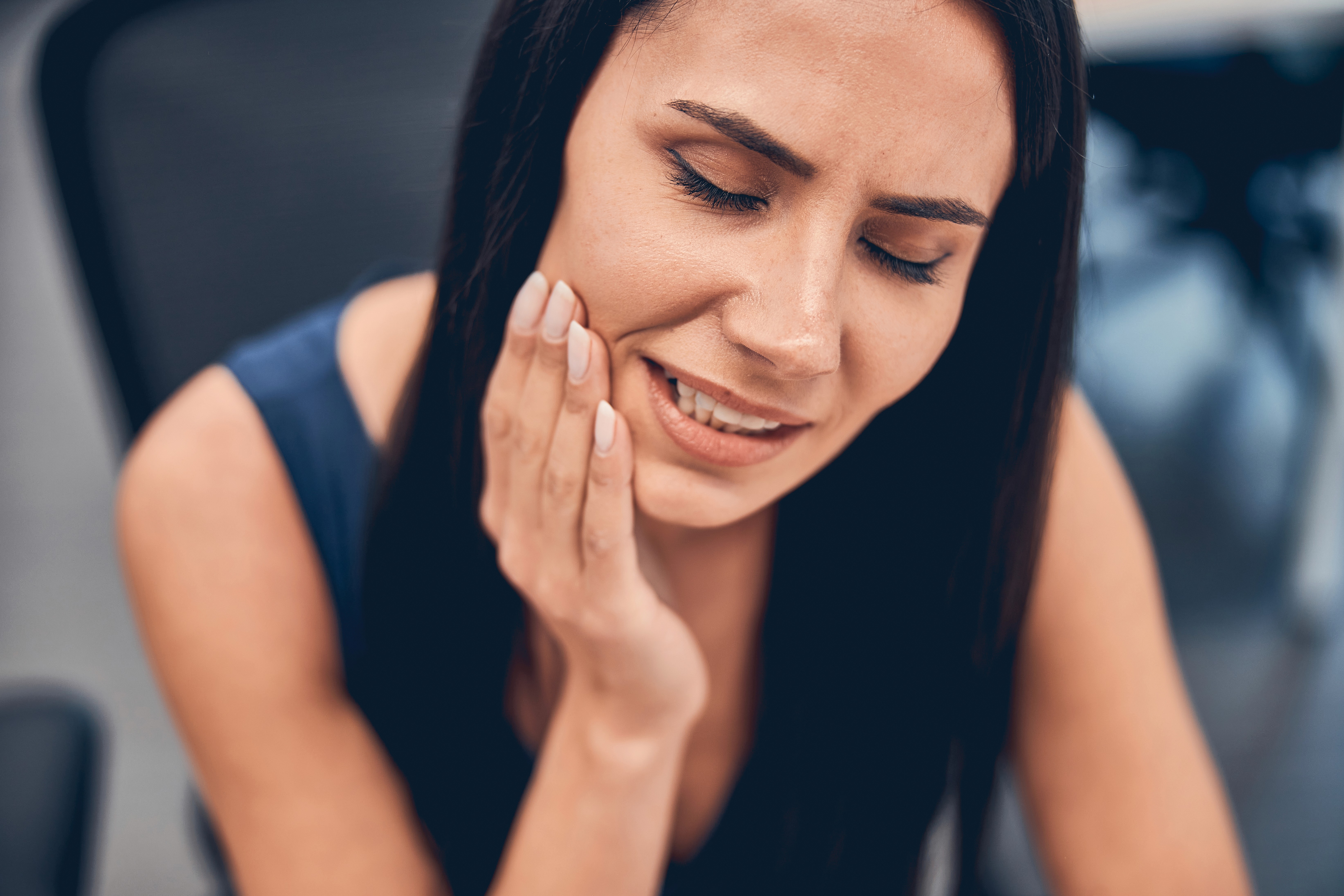
Pain in the jaw when chewing or yawning;
Clicking or noises when opening and closing the mouth;
Discomfort or a feeling of a blocked ear;
Limitation in opening the mouth;
Tension in the neck or shoulders.
If you identify any of these signs, seek a specialist with experience in occlusion and neuromuscular rehabilitation for a detailed diagnosis.
What can cause TMD? Factors that disrupt the TMJ
The causes are multifactorial and may include:
Bruxism or tooth grinding – Continuous muscle overload affects the TMJ;
Malocclusion – A misalignment of the teeth can overload the joint;
Stress – Chronic muscle tension in the face and neck alters neuromuscular balance;
Trauma – Injuries to the jaw can compromise the joint;
Joint conditions – Such as arthritis, which affects the structure of the TMJ;
Infections – such as in the case of ear infections.
In our clinical practice, we look beyond the symptoms to find the root of the problem, with an integrated view of the masticatory system.
Accurate Diagnosis: the First Step Towards a Solution
We prioritize a rigorous differential diagnosis. This includes:
Complete clinical history of the patient;
Advanced exams, such as MRI, electromyography, and kinesiography, to map neuromuscular function in real time.
Detailed clinical evaluation of mandibular movements and joint noises;
Analysis of the facial and neck muscles.
With cutting-edge technology and a neurophysiological approach, we identify the exact source of your TMD, determining if follow-up with other specialists, such as an ENT for ear symptoms or a rheumatologist for joint conditions, is necessary.
Personalized Treatment: Rehabilitation in Phases
The treatment is tailored to the cause and severity of the problem, following a phased plan:
Neuromuscular Deprogramming – We use electrostimulation devices to relax the muscles and reposition the jaw physiologically.
Pain Management – Techniques such as physiotherapy, osteopathy for postural alignment, and, if necessary, specific medication to reduce inflammation or tension.
Rehabilitation – In cases of malocclusion, we adjust the bite with orthodontics or prosthetic rehabilitation, while speech therapists can help if speech or swallowing is affected.
Follow-up – We monitor progress with a team that may include ENTs for auditory symptoms or rheumatologists for arthritis, ensuring lasting results and avoiding unnecessary interventions, such as surgeries, except in extreme cases.
Our focus is on restoring neuromuscular harmony, not just treating symptoms.
Prevention: Take Care of Your TMJ Daily
Some simple tips can help prevent problems:
Avoid chewing only on one side of your mouth;
Reduce stress with relaxation techniques;
Maintain proper posture;
Do gentle stretches for the face and neck.
Why Choose MALO CLINIC to Treat Your TMD?
At MALO CLINIC, we combine science, technology, and a human-centered approach to treat TMD. We offer a clear path: accurate diagnosis, phased treatment, and a multidisciplinary team that collaborates with other specialists like physiotherapists, osteopaths, speech therapists, ENTs, and rheumatologists, as needed for each case. If you experience any of the symptoms mentioned in this article, schedule a consultation. An early diagnosis can be the key to avoiding future complications.
Frequently Asked Questions
Don't let pain limit your life. Contact us and discover how we can help you regain balance and well-being!